

Image credit: Nicole Hill
Marine ecosystems are facing increasing pressure from climate change, invasive and range-shifting species, habitat degradation and loss, pollution, overexploitation, and emerging wildlife diseases, including high pathogenicity avian influenza, also known as H5 bird flu.
These threats can affect marine biodiversity at every level, from genes and species to habitats, food webs and whole ecosystems. They also place at risk the ecological functions and ecosystem services that support healthy oceans, sustainable industries and coastal communities.
In the Centre for Ecology and Biodiversity, we investigate how these pressures affect marine species, ecosystems and ecological processes across temperate, subantarctic and Antarctic environments. Our research supports the development of practical, evidence-based strategies to anticipate, mitigate and respond to environmental change.
Our work includes understanding the impacts of range-shifting, non-endemic and invasive species; assessing risks to vulnerable and threatened species; informing marine protected area design and management; supporting habitat restoration and recovery planning; and improving preparedness for emerging threats to marine wildlife.
We also contribute to research on climate mitigation approaches, including marine carbon dioxide removal and ocean alkalinity enhancement, to better understand their potential benefits, risks and ecological implications.
The Fish Size Project is an international research collaboration led by scientists at the Institute for Marine and Antarctic Science. The project investigates how fishing, climate change and other human pressures are affecting the size structure of fish populations in Australia and globally.
Fish size is a critical indicator of population health, ecosystem resilience and sustainable fisheries management. By combining traditional fisheries data with emerging sources such as visual surveys, citizen science, recreational fishing records, historical information, oral histories and image-based data, the project is developing new ways to assess fish populations and understand long-term change.
A key focus of the Fish Size Project is advancing size-based methods for fisheries management and conservation, including approaches that can be applied where conventional stock assessment data are limited. This work supports more sustainable fishing, restoration of fish size diversity, and improved understanding of how marine ecosystems respond to human impacts.
Through innovative modelling, data integration and global collaboration, the Fish Size Project provides knowledge and tools to support sustainable use of marine resources and the long-term resilience of fish population.
Through this work, we aim to provide the science needed to support effective decision-making, strengthen ecosystem resilience, and protect marine biodiversity into the future.
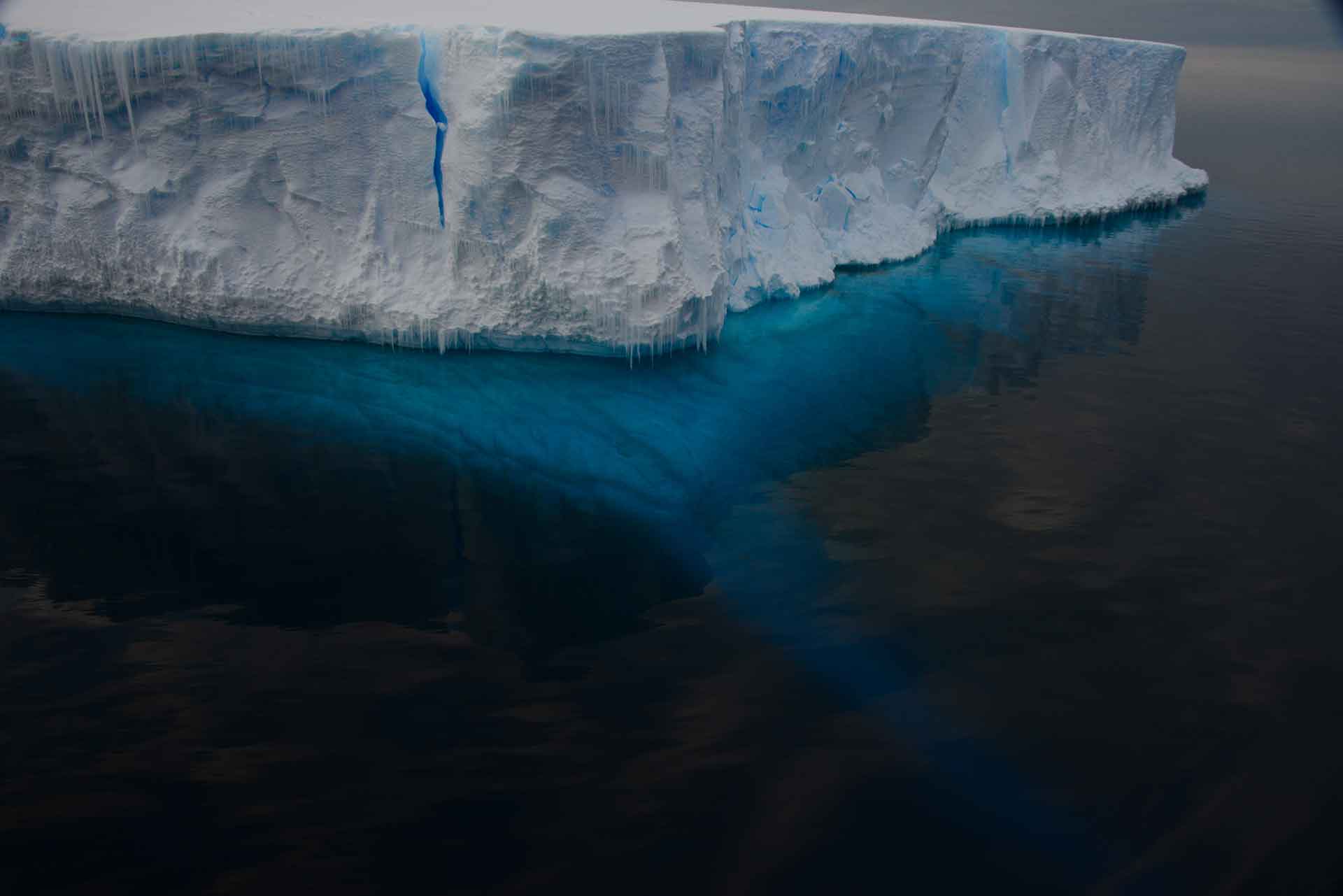
Climate change is a severe threat to marine ecosystems. In the Centre for Ecology and Biodiversity, our research focuses on understanding the impacts of marine heat waves and long-term warming, ocean acidification, increased frequency of storms and altered nutrient supply on the structure and function of ecosystems, and distribution of species.
While documenting current impacts to respond to them, our research additionally uses advanced global and regional scale ecosystem modelling to project impacts of climate change and future sea-use scenarios on marine ecosystems and their wide range of services. Learn more about this research at FishMIP.
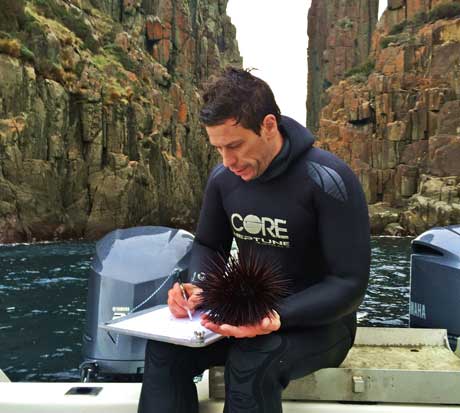
Range-shifting, non-endemic and invasive species can have severe impacts on recipient marine ecosystems.
Our research focuses on understanding these impacts on marine temperate and polar marine ecosystems and partnering with stakeholders to identify solutions and mitigate impacts.
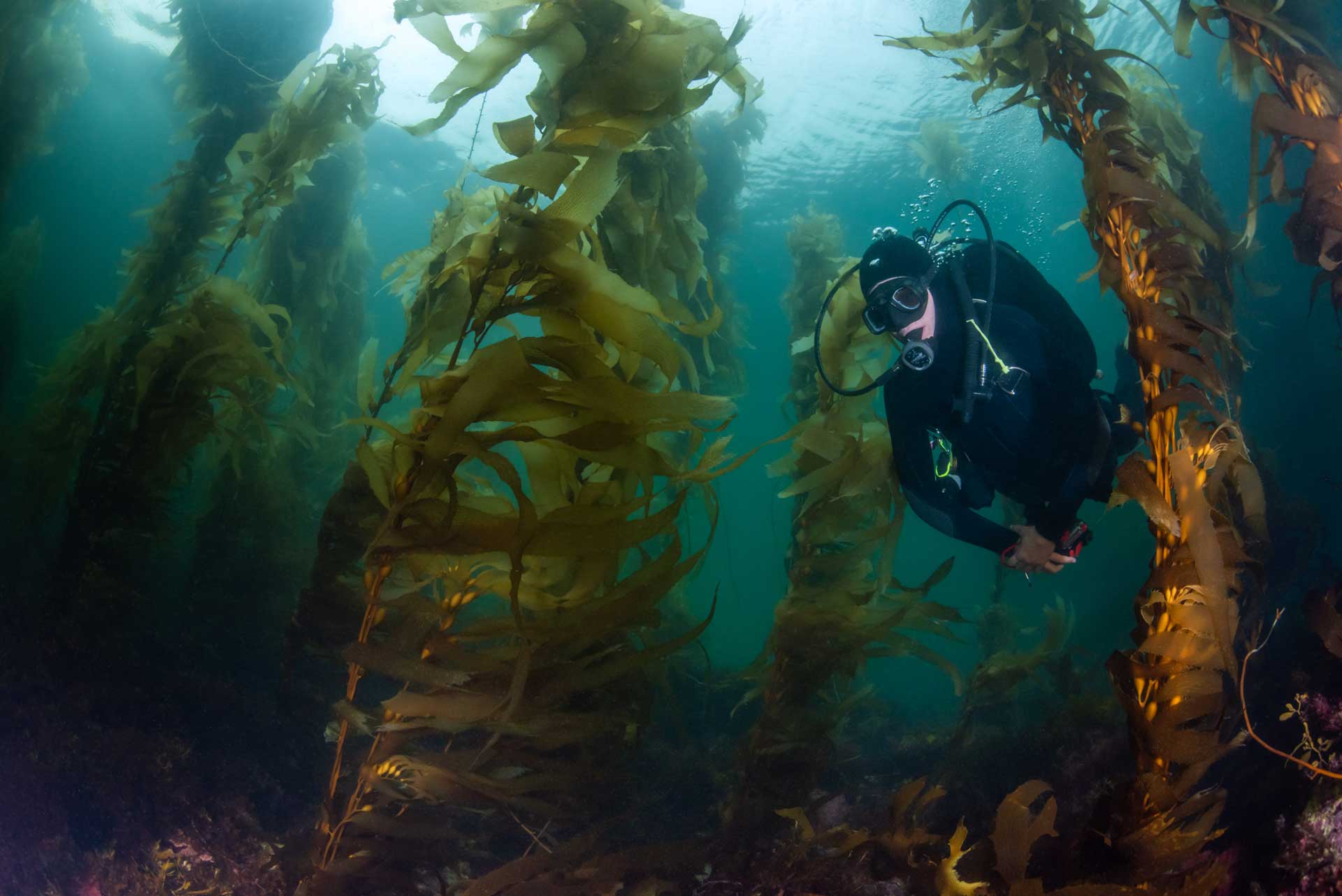
Habitat degradation and loss, driven by factors like climate change, exploitation, and pollution, present challenges to marine diversity, species life histories, and ecosystem functionality. This decline can also contribute to the endangerment of various species.
In the Centre for Ecology and Biodiversity, we are dedicated to documenting changes in temperate marine coastal ecosystems to inform proactive measures and understand the underlying drivers of decline, especially their effects on vital habitat-forming species like giant kelp.
Our research is committed to supporting the recovery and revitalisation of threatened species and ecosystems, striving to enhance conditions and foster positive environmental outcomes wherever possible.
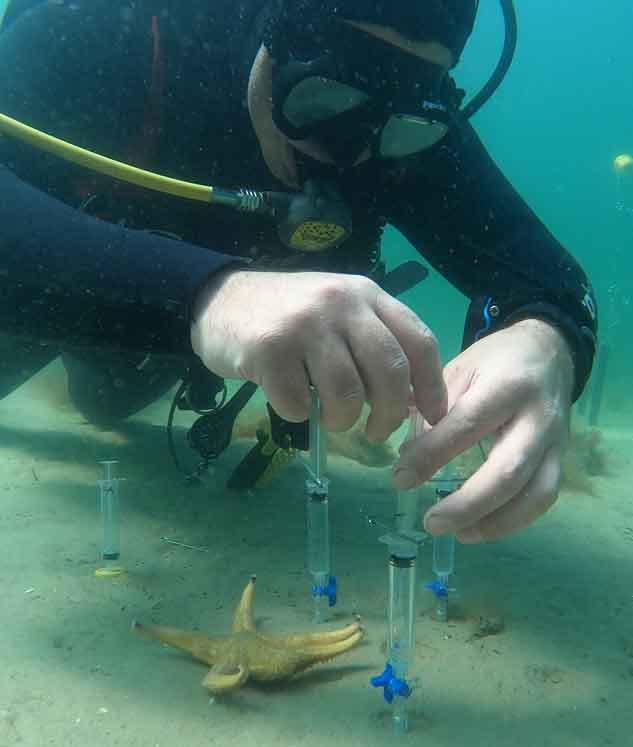
Around 500 billions tonnes CO2 will need to be removed from the atmosphere until the end of the century to keep global warming below 2C.
Our research at the Centre for Ecology and Biodiversity focusses on feasibility and sustainability of marine pathways for atmospheric CO2 removal.