

Vice-Chancellor
Rufus holds degrees in law, politics, economics, ethics, and theology from the University of Melbourne and Oxford University, where he studied as a Rhodes Scholar.
During his time at Oxford, Rufus started his teaching career working as a tutor at several of the university's colleges. He returned to Australia to undertake a post-doctoral fellowship where he continued deep interdisciplinary interests, publishing in the fields of both ethics and economics.
This led to a career in the consulting world, after which Rufus returned to academia at the University of Melbourne. He co-led the creation of a Master of Entrepreneurship and taught into the program as an Enterprise Professor in the Department of Management and Marketing. He was also a Principal Fellow in the University of Melbourne’s Department of Philosophy and taught as lead faculty for the Centre for Ethical Leadership. During this time he was Master of Melbourne University’s Ormond College.
Rufus’ research and writing have been published widely, including by Oxford University Press and Routledge. Most recently, he coauthored the book Ethics at War (Routledge, 2024).
He has also authored a number of major public reports for the Australian Government, drawing on his expertise in ethics, management, and strategy.
Rufus' work on economic issues and his commercial experience has included being a partner at McKinsey & Company, where he worked on strategy, organisation, and public sector issues in Australia and Asia, being a Board Member of the Committee for the Economic Development of Australia, a Board Member of Innovation Science Australia, and a Director of the national law firm Corrs Chambers Westgarth. He is currently an Independent Board Member for Deloitte Australia.
Rufus’ educational and social sector experience includes being President of Museums Victoria, the Deputy Chancellor of Victoria University, the founding Chair of the Board of Teach for Australia, a Director of the New York-based Teach for All, a Director of the Cranlana Foundation, and a Director of the Walter and Eliza Hall Institute of Medical Research.
A collection of speeches, interviews and writing
University Executive Team
The UET's purpose is to make collective decisions on key matters with University-wide impacts, including matters submitted for Council consideration. UET meets weekly. University staff can access more information on the UET (staff intranet).
- Making decisions on emerging strategic and significant operational matters with cross-University impact, including research, teaching and learning matters, emerging issues related to academic functions and student activities, key matters that impact on staff performance and organisational culture, and decision papers for consideration by University Council and its committees.
- Endorsing University strategies, plans, budgets and performance measures, as developed through other University bodies and portfolios, for submission to Council.
- Monitoring KPIs and performance reports for key University strategies, plans and associated targets in order to identify emerging issues and resulting actions that will enable the University to achieve its objectives, and to report on performance to Council.
- Approving operational policies and endorsing policies, Ordinances, Governance Principles etc requiring Council approval
UET is chaired by the Vice-Chancellor or, if absent, the Vice-Chancellor’s nominee. Membership comprises:
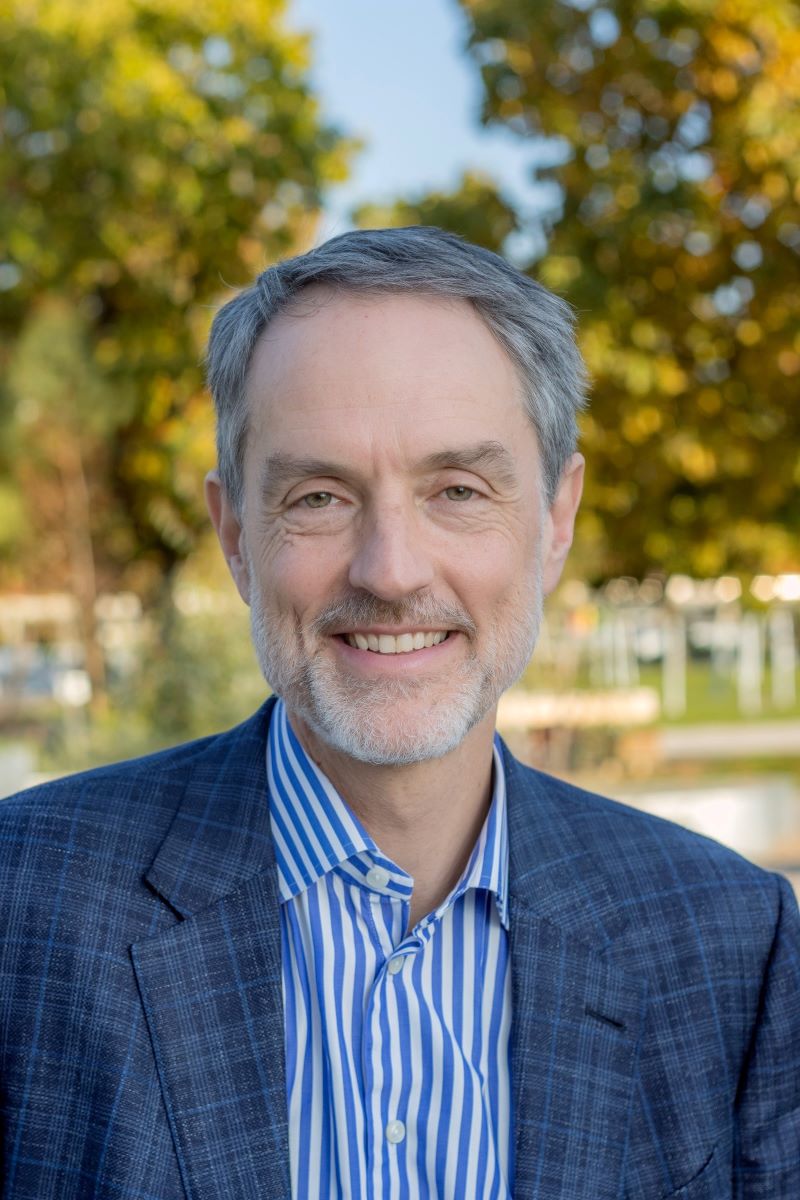
Professor Rufus Black is Vice-Chancellor and President of the University of Tasmania.
Rufus holds degrees in law, politics, economics, ethics, and theology from the University of Melbourne and Oxford University, where he studied as a Rhodes Scholar.
During his time at Oxford, Rufus started his teaching career working as a tutor at Keble and Magdalen Colleges. He returned to Australia to undertake a post-doctoral fellowship where he continued deep interdisciplinary interests, publishing in the fields of both ethics and economics.
This led to a career in the consulting world, after which Rufus returned to academia at the University of Melbourne. He co-led the creation of a Master of Entrepreneurship and taught into the program as an Enterprise Professor in the Department of Management and Marketing. He was also a Principal Fellow in the University of Melbourne’s Department of Philosophy and taught as lead faculty for the Centre for Ethical Leadership. During this time he was Master of Melbourne University’s Ormond College.
Rufus’s research and writing have been published widely, including by Oxford University Press and Routledge. Most recently, he has completed a chapter on the Ethics of War, which will appear in a forthcoming book by Routledge.
He has also authored a number of major public reports for the Australian Government, drawing on his expertise in ethics, management, and strategy.
Rufus's work on economic issues and his commercial experience has included being a partner at McKinsey & Company, where he worked on strategy, organisation, and public sector issues in Australia and Asia, being a Board Member of the Committee for the Economic Development of Australia, a Board Member of Innovation Science Australia, and a Director of the national law firm Corrs Chambers Westgarth.
Rufus’s educational and social sector experience includes being President of Museums Victoria, the Deputy Chancellor of Victoria University, the founding Chair of the Board of Teach for Australia, a Director of the New York-based Teach for All, a Director of the Cranlana Foundation, and a Director of the Walter and Eliza Hall Institute of Medical Research.

Professor Kristyn Harman is currently Chair of Academic Senate. She was, from 2020 to mid-2024, Deputy Chair, an experience that cultivated her deep interest in, and commitment to, university governance. Kristyn finds it fulfilling to collaborate with University of Tasmania colleagues in well-informed academic decision making, and to engage in initiatives designed to enhance the academic experience for students and staff alike.
In addition to Academic Senate, Kristyn chairs Standing Academic Committee, Academic Senate Nominations Committee, University Medals Selection Committee and the University Appeals Panel. Kristyn also serves on various university committees including the University Course of Unit Proposals Committee, University Research Committee, and Student Experience Committee, among others. As Chair of Academic Senate, Kristyn is an ex officio member of University Council and the University Executive Team.
As a social historian, Kristyn retains a fractional appointment in the School of Humanities and has held numerous School leadership roles. She is an award-winning researcher who is currently Lead CI on ARC DP230100267 ‘The Inception of Criminal Deportation in Colonial Australia’ and values the opportunities this is providing to engage in and share Tasmanian-centred research with the world. Kristyn has received several learning and teaching awards, most recently a CALE Citation for Outstanding Contributions to Student Learning (team teaching award) in 2021 and a Vice Chancellor’s Teaching Excellence Award in 2019.
Beyond her roles at the University of Tasmania, at a national level, she is a member of the National Editorial Board of the Australian Dictionary of Biography and chairs the ADB Tasmanian Working Party. She has served on the executive committee of the Australian Historical Association. Locally, she chairs the Cascades Female Factory Historical Site Community Advisory Committee, is a committee member of the Convict Women's Press and a Fellow at Jane Franklin Hall.

Kate Huntington is an accomplished higher education leader with a proven record of driving transformational change in complex policy environments. As Deputy Vice Chancellor, Student Services and Operations, Kate is responsible for ensuring operations support the University’s academic priorities and delivering user centred, sustainable services for students and staff.
Since joining the University in 2015, Kate has held a number of strategic transformation and leadership roles, including in internal and external communications, government relations and stakeholder engagement.
Kate commenced her career in the Department of Prime Minister and Cabinet and worked for the Australian Government in policy roles in Canberra and the Northern Territory before serving as an adviser to the Hon Jenny Macklin MP during the Rudd and Gillard governments.
Kate holds a Bachelor of Commerce and Bachelor of Arts (Hons) from the University of Melbourne, a Masters of Communication from Deakin University, and is a graduate of the Australian Institute of Company Directors.
Driven by a commitment to strong civic institutions, Kate is recognised for her expertise in building partnerships, embracing innovation, and empowering teams through collaborative and adaptive leadership. She combines strategic vision with practical execution, champions sustainability, and leads with transparency, resilience, and a focus on continuous improvement.

Professor Natalie Brown is the Deputy Vice-Chancellor Academic and Pro Vice-Chancellor (Launceston).
From 2019 to 2024 she was the Chair, Academic Senate. She was the Director of the Peter Underwood Centre as Director in from 2017 to 2023, facilitating innovative partnerships to tackle the important issue of raising educational attainment of all Tasmanians.
Natalie began her career as a teacher of 7-12 Science and Mathematics, in both the North-West and Hobart regions. Her academic career began with a PhD in Plant Science, and research work in Agricultural Science. She was appointed to the Faculty of Education as a Lecturer in Science Education in 2001 and later became Program Director of the Bachelor of Teaching course prior to taking on a central University role in learning and teaching. While doing this role, Natalie continued to teach in both the Faculty of Education and the Faculty of Science, Engineering and Technology, as well as supervise research higher degree students.
Natalie has been the recipient of a number of teaching awards, culminating in a National Teaching Excellence award in 2013. Her research interests encompass student engagement, teacher professional learning, STEM education and Technology Enhanced Learning and Teaching.
Natalie is a firm believer in lifelong learning and has recently graduated from the Australian Company Directors Course, as well as having completed Level 1 and 2 Executive coaching courses and the UTAS-Melbourne Business School Executive Leadership Program.
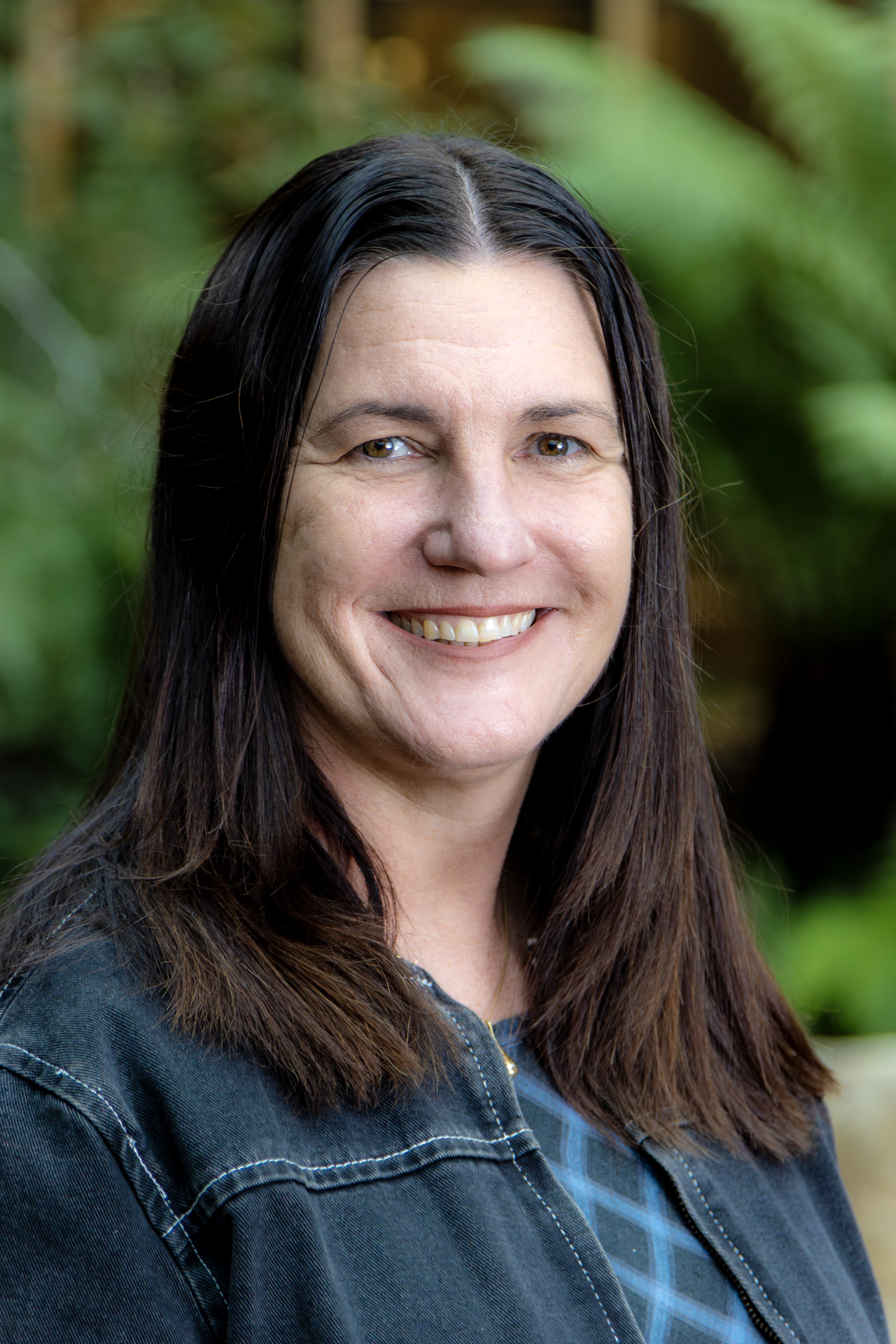
Professor Nicole Webster FAA is Deputy Vice-Chancellor Research at the University of Tasmania. She is an internationally recognised research leader with more than two decades of experience spanning academia, government, national research agencies and industry, with a strong record of delivering research excellence with real-world impact.
Nicole has held the role of Executive Director of the Institute for Marine and Antarctic Studies (IMAS), where she provided strategic leadership across a large, multidisciplinary research portfolio encompassing Antarctic, marine, fisheries and aquaculture science. Prior to joining UTAS, Nicole served as Chief Scientist of the Australian Antarctic Division, where she led development of the Australian Antarctic Science Decadal Plan, aligning national research priorities with global scientific and policy agendas. Across her career, she has built and led large, collaborative research programs, secured substantial competitive funding from government, industry and philanthropy, and strengthened partnerships that translate research into policy, practice and commercial outcomes.
An internationally recognised leader in marine microbiology, Nicole's research has transformed understanding of how microorganisms underpin ecosystem health, resilience and adaptation from the tropics to the poles. Her work focuses on microbial symbiosis and microbial responses to environmental change, spanning fundamental discovery through to applied and translational science that informs environmental management, conservation and climate responses worldwide. Nicole has supervised and mentored a large cohort of PhD students and early- and mid-career researchers, many of whom now hold senior roles across academia, government and industry, reflecting a sustained commitment to building research capability and the next generation of scientific leaders.
Nicole is a Fellow of the Australian Academy of Science and holds numerous national and international leadership roles, including Australia’s delegate to the Scientific Committee on Antarctic Research and Chair of the National Committee for Antarctic Research. She is a strong advocate for inclusive, collaborative research cultures and for the role universities play in addressing global challenges while delivering place-based benefit.
As Deputy Vice-Chancellor Research, Nicole has strategic oversight of the University’s research mission, with a focus on research excellence, research integrity, sustainable funding, and translating research outcomes into meaningful impact for Tasmania, Australia and the world.

Professor Graeme Zosky is Deputy Vice-Chancellor Health at the University of Tasmania.
Professor Zosky is an academic leader with two decades of experience in the tertiary sector in roles focused on research and research performance and, more recently, tertiary level learning and teaching programs. He is a collaborative, energetic and decisive leader who has designed, led and implemented transformative change to deliver on organisational strategy. Professor Zosky is an internationally recognised expert in respiratory and environmental health and leads a research program that has attracted ~ $15.5 million in competitive research funding from Government and Industry; resulting in >140 peer-reviewed research outputs. His work spans molecular, in vitro, in vivo, clinical, epidemiological and public health approaches to improve health. Professor Zosky’s work has had wide-ranging impact through knowledge generation, influencing public opinion and industry practice, and guiding legislation.
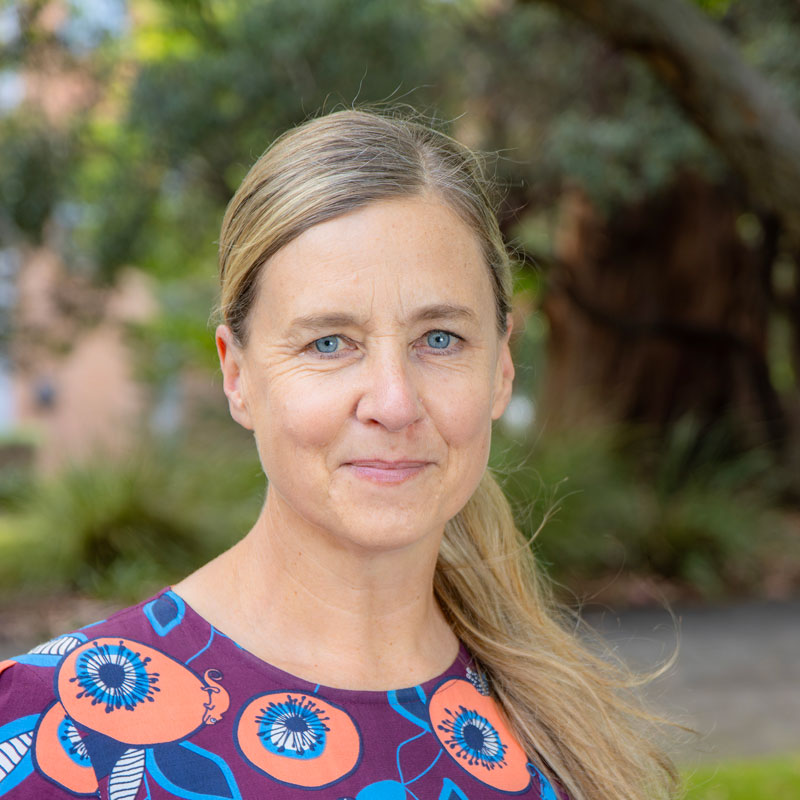
Dr Angela Castles is Pro Vice-Chancellor of Sciences and Engineering.
Angela Castles is a long‑standing and respected leader at the University of Tasmania, bringing more than 15 years of strategic, academic, and community‑focused experience to her role as Pro Vice‑Chancellor, Sciences and Engineering. She has held significant leadership appointments across the institution, including Interim Executive Dean of the College of Sciences and Engineering, Director of Strategy and Business Development, General Manager Community Partnerships and Development, and General Manager of the Cradle Coast Campus.
Deeply connected to Tasmania and its communities, Angela combines regional insight, strategic and engagement capability and a strong commitment to mission‑aligned leadership. Her career spans academic, government, consulting and industry roles, giving her a unique understanding of the state’s social, economic and environmental complexities, and how the University can help address them through research, education and partnerships.
Known for her people‑focused leadership, pragmatism and ability to bring clarity to complex challenges, a consistent theme throughout her leadership has been enabling integration and collaboration—breaking down silos, building capacity and fostering new ways of working that deliver outcomes at scale. She has led and contributed to major University initiatives including the Northern Transformation Program, the Tasmanian Societal Impact Model, the first Regional Study Hub on the West Coast and the Climate Shift MOOC and is currently guiding the vision and planning for the future Sandy Bay STEM campus.
As Pro Vice‑Chancellor, Angela leads the Heads of Academic Units across Sciences and Engineering, supporting strategic delivery, operational excellence and opportunities for connectivity and collaboration across disciplines. She represents the portfolio on the University Executive Team and plays a central role in shaping the University’s contribution to Tasmania’s transition to a zero‑carbon, productive and inclusive future through STEM education, research, and impact.
Angela holds a Bachelor of Arts with Honours in Public Policy, a Graduate Diploma in Environmental Planning, and a PhD focused on planning and regional development. She is a strong believer in lifelong learning, and the transformative potential of STEM for Tasmania, Australia, and the world.
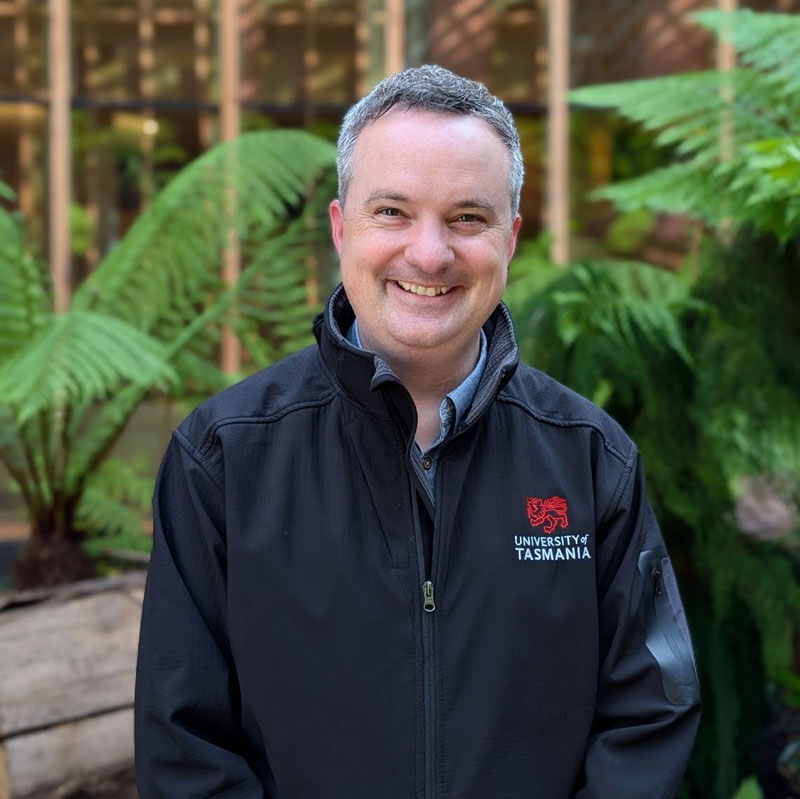
Professor Nicholas Farrelly is the Pro Vice-Chancellor for Arts and Society, a role he holds while continuing as Pro Vice-Chancellor for Southern Tasmania. The Arts and Society portfolio includes the University of Tasmania’s School of Education, School of Humanities and Social Sciences, School of Creative and Performing Arts, Conservatorium of Music, and Law School.
Nicholas is a graduate of the Australian National University, where he was awarded the University Medal, and Oxford University, where he completed his M.Phil and D.Phil as a Rhodes Scholar. After returning to Australia, he held a range of academic positions at the Australian National University, including Associate Dean of the College of Asia and the Pacific, Deputy Director of the Coral Bell School of Asia Pacific Affairs, and founding Director of the ANU Myanmar Research Centre.
Nicholas moved to Tasmania at the start of 2020 to lead the School of Social Sciences. In his four years in that role, he led a talented multidisciplinary team across Hobart, Launceston, Burnie and Melbourne. In January 2024 Nicholas commenced as Pro Vice-Chancellor for Southern Tasmania.
Throughout his academic career, Nicholas has worked closely with partners in government, business and civil society. He is currently Deputy Chair of the Board of the National Accreditation Authority for Translators and Interpreters. He is also a member of the inaugural Advisory Board for the ASEAN-Australia Centre, which works to strengthen partnerships with Southeast Asia through stronger business, education, science, arts and cultural links.
In 2024 Nicholas was the lead author of an Australian government funded report, Comprehensive Strategic Partners: ASEAN and Australia after the first 50 years. That same year he served on the Australian government's External Advisory Group for the review of the New Colombo Plan, the national flagship for the higher education sector's engagement with the Indo-Pacific region.
For over a decade, Nicholas has closely collaborated with the Westpac Scholars Trust, and in 2026 is leading a University of Tasmania team to deliver the new Westpac Asia Australia Fellowship program in Australia, Singapore, Malaysia, Indonesia and Vietnam for a group of 36 Australian students.
Nicholas is a Graduate of the Australian Institute of Company Directors (GAICD) and a Senior Fellow of the Higher Education Academy (SFHEA).
Kristen is a proud Tasmanian and alumna of the University of Tasmania holding a degree in Business Administration (Human Resource Management). Following her studies, Kristen spent several years living and working on the mainland in various global organisations in senior Human Resources positions. Kristen’s passion for organisational development was established early in her career when working for adidas Australia where she partnered with colleagues across the Asia-Pacific region, developing strategies for aligning organisational culture across global borders.
Kristen spent ten years with Telstra in both generalist and specialist HR disciplines, contributing to transformational culture, engagement, and talent strategies. During this time, Kristen was responsible for the delivery of several significant organisation redesign initiatives.
In 2009, Kristen followed her heart back to her home state of Tasmania with a desire to serve the community to whom she felt she owed so much. Kristen has since worked as the Executive General Manager of People, Culture and Strategy for the Tasmanian Ports Corporation before joining the University of Tasmania in 2021.
Appointed as the University’s Chief People Officer in 2022, Kristen has led the delivery of the institution-wide staff engagement survey and the implementation of the University’s response. She is committed to nurturing an inclusive and safe culture, growing talent, supporting and enabling leaders, and ensuring all staff are supported to reach their goals, whether that be excellence in teaching, research or professional support.
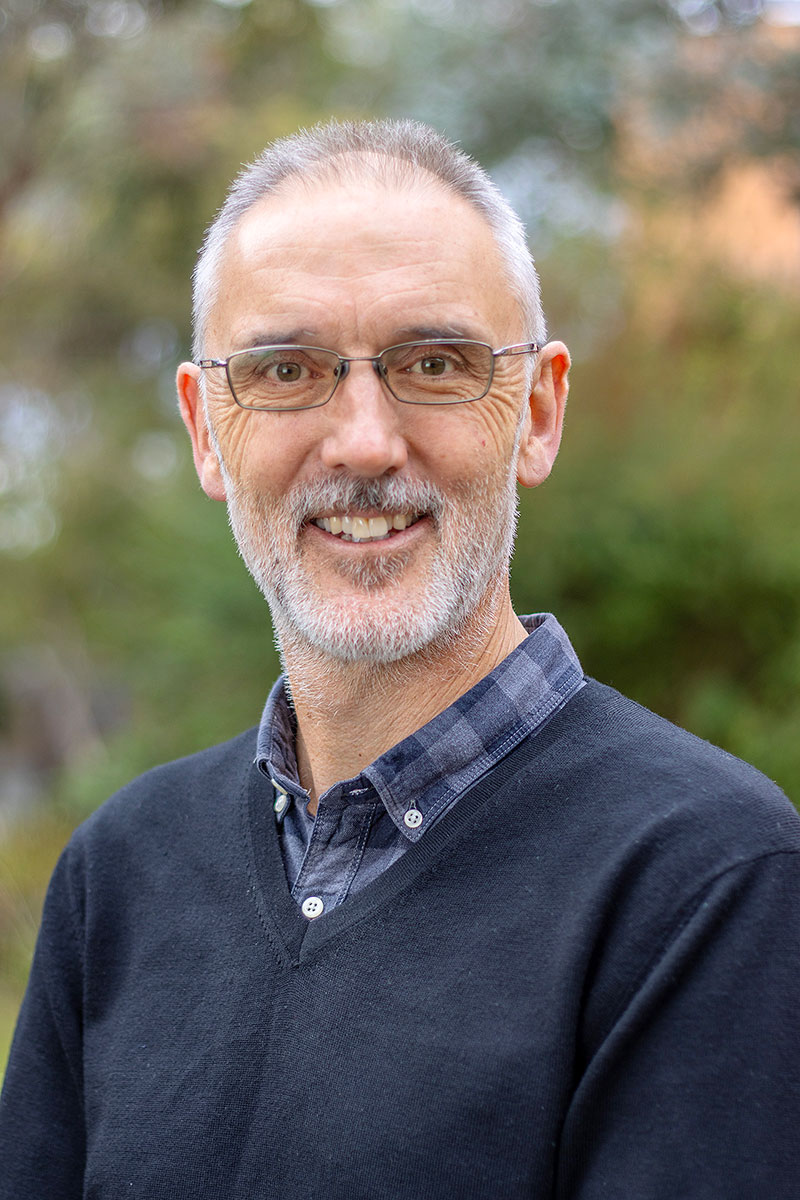
Rick has been the secretary to the UET since it was established five years ago. He has been at the University for over eight years in a variety of roles including General Manager for the Faculty of Health and General Manager Governance and Executive Services, providing experience in academic, operational and central governance portfolios.
Rick has an honours degree in economics from the University of Sydney and has extensive experience in public policy, strategy and governance through prior roles in the ACT Government, Tasmanian Treasury and Aurora Energy.
- Markets and Revenue Working Group
- Sustainability Working Group
- Inclusion, Diversity and Equity Working Group
- Campus Working Group
- Design Review Working Group
- Capital Expenditure Governance Group
- Organisational Change Program Working Group
- Data and AI Governance Committee
- Academic System Operational Group
- Gender-Based Violence Executive Oversight Group
- University Strategic Forum