
takara milaythina lutruwita nika paywuta
...walked this country forever
Indigenous Allied Health Australia
Indigenous Allied Health Australia is a not for profit, member-based Aboriginal and Torres Strait Islander allied health organisation, with a vision and purpose of working towards health equity for ATSI people through ‘building a culturally responsive workforce, advocacy, partnerships and support across the multiple sectors that influence health and wellbeing’. 1
1 Indigenous Allied Health Australia (2015), Cultural Responsiveness in Action: an IAHA Framework.
The Australian Indigenous Doctors’ Association
This national body represents Aboriginal and Torres Strait Islander medical students and doctors. They aim to “create a health system that is culturally safe, high quality, reflective of needs, and respectful and inclusive of Aboriginal and Torres Strait Islander cultural values, which in turn will improve the health and life outcomes of our people.” 1
1 Australian Indigenous Doctors’ Association 2019, Our work, AIDA, viewed 21 May 2019
For Aboriginal women today, shell necklace making is the most significant cultural tradition. It gives them the opportunity to get together, share stories and pass their knowledge to the next generation of makers and continues to affirm their culture.
Image credit
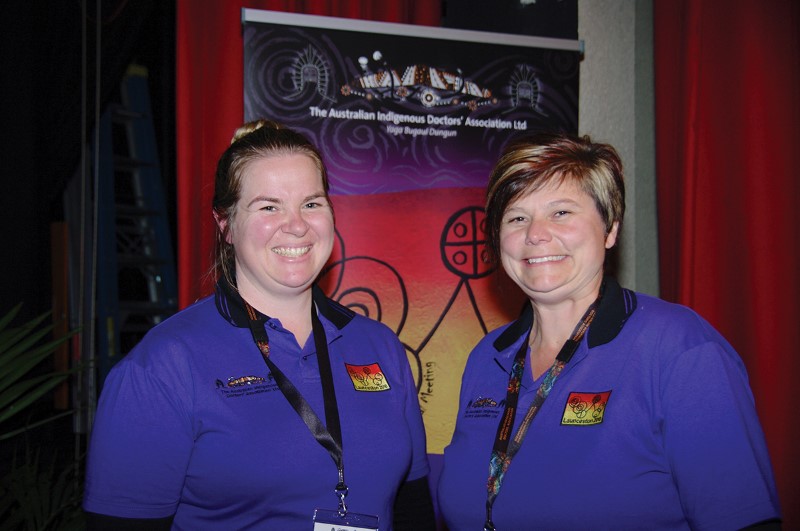
Image: MCs, palawa women, Dr Tammy Kimpton and Dr Tanya Schramm at the Australian Indigenous Doctors’ Association’s (AIDA) Symposium in Launceston. 2010, Jillian Mundy
Courtesy of Jillian Mundy
Educating and training health professionals
In Tasmania, the number of Aboriginal and Torres Strait Islander people graduating as health professionals is increasing. This is because the curriculum taught in universities and other professional colleges is now more inclusive and supportive of Aboriginal and Torres Strait Islander people.
We see a future where Indigenous people fill our health, education and science fields, where we have culturally respectful workplaces, where there is cultural awareness safety training, and where a strong Aboriginal and Torres Strait Islander workforce leads the way in Indigenous health.
Image credit:
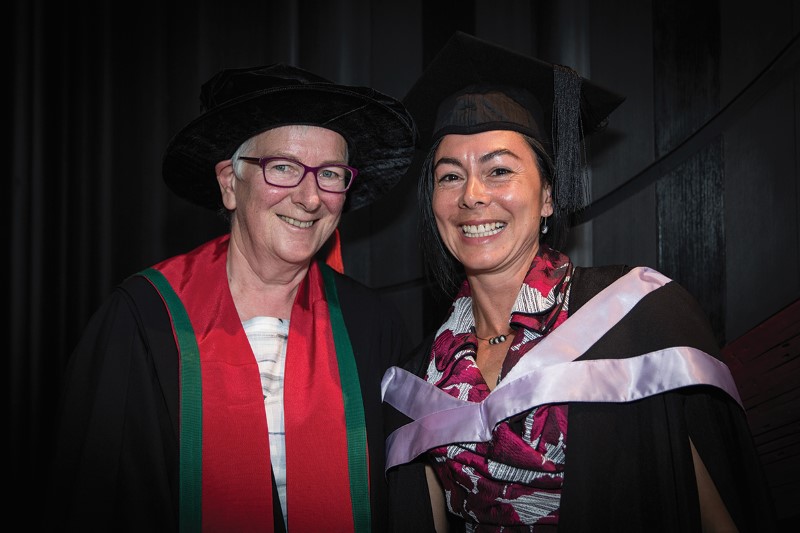
Image: Dr Nikki Randiarmahefa, the first Aboriginal student to graduate as a doctor through the
University of Tasmania’s Medical School Aboriginal pathway’s program, pictured with
Dr Maureen Davey, 2016, Jillian Mundy
Courtesy of Jillian Mundy
Ida West Aboriginal Health Scholarship
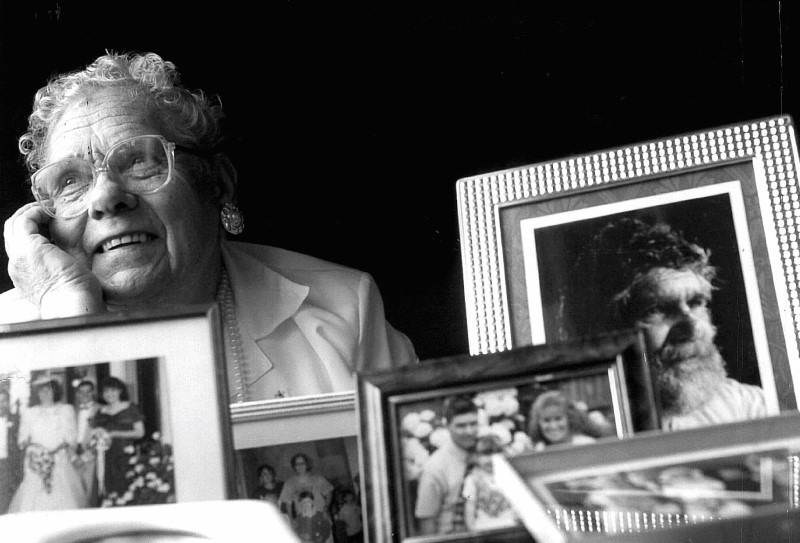
Aunty Ida West, a respected Tasmanian Aboriginal woman, advocates for social justice and reconciliation throughout Tasmania and Australia. She negotiated with all tiers of government on behalf of Aboriginal people. Her contributions were recognised with an Order of Australia (2002) and NAIDOC awards as National Female Elder of the Year (2002), and the NAIDOC Special Achievement Award (2003).
To honour Aunty Ida’s life and work, the Tasmanian government established the Ida West Aboriginal Health Scholarship; which assists Aboriginal students undertaking tertiary-level formal education in the fields of health and human services.
Image credit:
Image: Aunty Ida West
Courtesy of Aunty Ida’s grandchildren: Mark, Wendy and Sally 2019
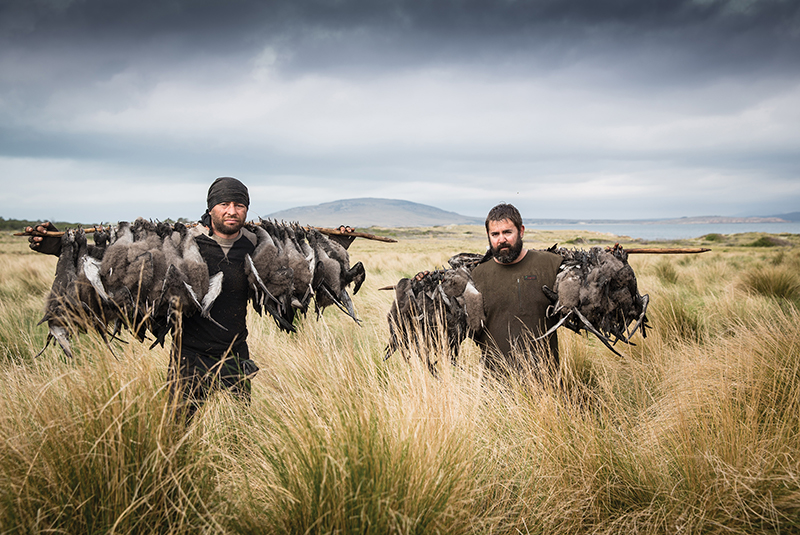
Mutton birding
Our ancestors and people today continue to hunt and eat traditional foods, such as wallaby, kangaroo and yolla (mutton bird).
Yolla are a highly nutritious source of iron, vitamin A and Omega 3 fatty acids. Both the birds and their habitat are cared for and respected. We monitor their numbers and the conditions of their environment.
Through teaching and learning, our traditional practices live on through our cultural lifestyle, diet and social gatherings on Country. They help us live a healthy, culturally purposeful life. These traditional foods connect us forever to Country, practices and people.
Image: Aaron Everett and Adam Thompson, mutton birding, Big Dog Island, 2017, Jillian Mundy
Courtesy of Jillian Mundy
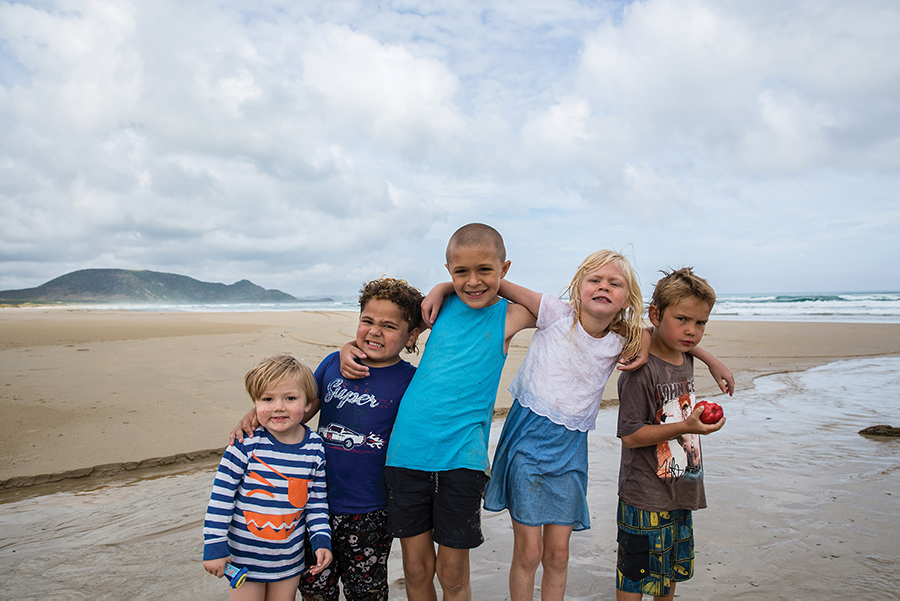
Our children, our future
It is important to raise our children with culture, to teach them about who they are and where they came from.
For our children the Aboriginal Children’s Centre provides a culturally safe and respectful environment for our next generation of leaders.
They learn about their history and country, ancestors, language and cultural practices to stand proud and be healthy, safe and focused on the future.
A good education helps keep culture strong and enables future generations to share stories about their community and culture.
Image: Anton and Hyhelim Jackson, Locke and Melody Wright-Brown, Jkobi Hughes,
Preminaghana Beach, 2017, Jillian Mundy
Courtesy of Jillian Mundy
