

We examine how rural workforce pathways develop over time, including tracking nursing and allied health graduate outcomes following rural training experiences, and evaluate place-based initiatives to support sustainable, locally responsive solutions. We are also committed to supporting Aboriginal health as a shared responsibility, aligning our work with community priorities across rural Tasmania.
Evaluation & Impact
Live4Life Evaluation
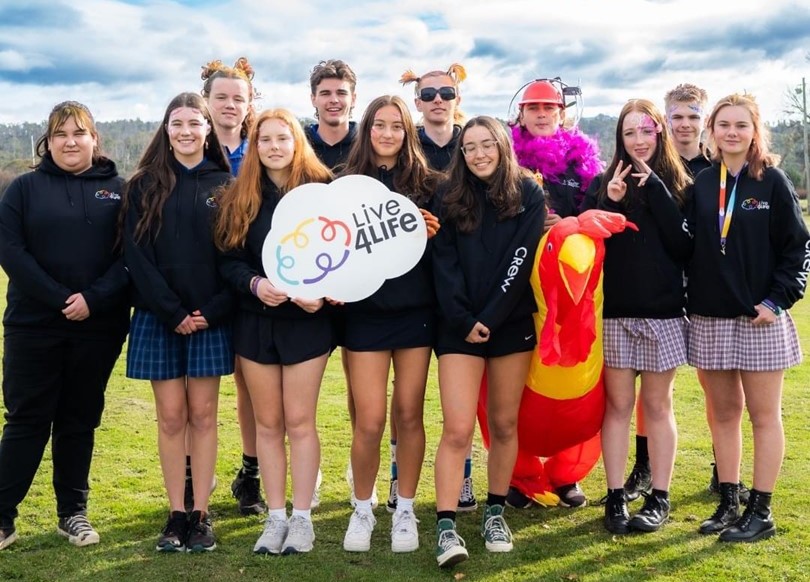
We evaluated the implementation of the Live4Life youth mental health program in Break O’Day, the first rural Tasmanian community to adopt the model. Delivered from 2023–2026, the evaluation used a mixed-methods, participatory approach, drawing on over 150 participant voices including students, schools,
families, and community partners.
The evaluation found improvements in mental health literacy, confidence to support others, and understanding of available supports, alongside broader reductions in stigma. Youth leadership, strong partnerships, and community ownership were critical to the program’s success.
This work highlights the value of place-based, youth-led approaches to mental health promotion and demonstrates how coordinated community action can support sustainable change in rural settings.
Social Return on Investment (SROI)
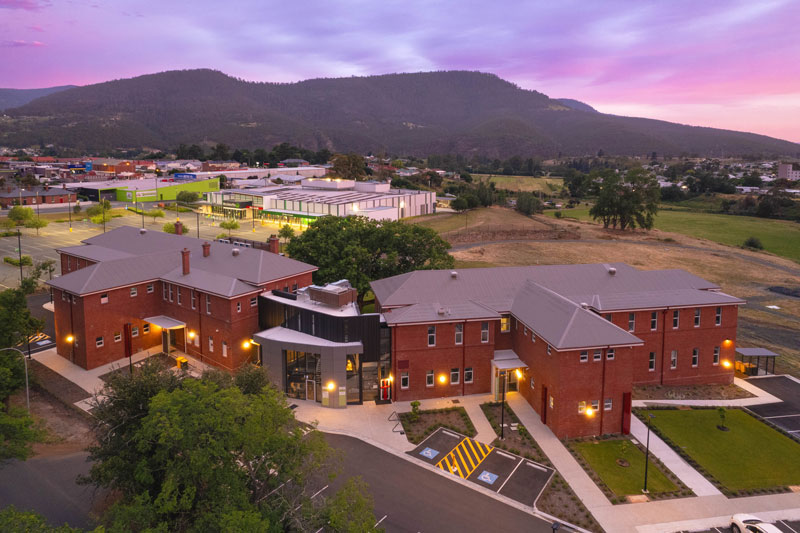
We are currently evaluating the social and economic value of the New Norfolk Rural Health Training Site using a Social Return on Investment (SROI) approach. This evaluation examines how rural training contributes to outcomes for students, host organisations, and the wider community.
The study uses a mixed-methods design informed by stakeholder engagement, surveys, interviews and program data to identify and value outcomes that matter. SROI enables us to capture a broader range of impacts, including workforce development, service capacity, community connection, and local economic
activity, beyond traditional measures.
This work will provide evidence on the value generated through place-based rural training models, supporting future planning, investment, and development of sustainable rural health workforce initiatives.
Nursing Allied Health Graduate Outcomes Tracking (NAHGOT)

Centre for Rural Health contributes to the Nursing Allied Health Graduate Outcomes Tracking (NAHGOT) study, a national, multi-university longitudinal research program. NAHGOT tracks nursing and allied health students from entry into their degree through to up to ten years post-graduation, linking university, placement, survey, and workforce data.
This work examines how rural workforce pathways develop over time, including how factors such as rural background, placement experiences, and practice intentions influence workforce participation and retention in rural communities.
The Centre for Rural Health contributes Tasmanian data to this national collaboration, ensuring local workforce challenges are represented in the broader evidence base.
Graduate Research Program
We support higher degree researchers working across rural health priorities, contributing to evidence that informs practice and policy. Our graduate research focuses on workforce development, community engagement, and place-based health solutions.
Rural Practitioner Research Development Program
Through the Rural Practitioner Research Development Program, we support rural health professionals to build research capability while contributing to applied projects that address local health priorities.
One of the main aims of the program is to provide practitioners with hands-on “research tasters”, enabling them to gain practical experience in research and evaluation. This exposure helps build confidence, spark interest in research, and support pathways into further study, including higher degree research.
The program provides opportunities for practitioners to work alongside CRH staff on projects focused on rural health workforce, health services and community outcomes.
Publications & Reports
Our research contributes to peer-reviewed publications, evaluation reports, and practice-based outputs that inform rural health policy and service delivery.