


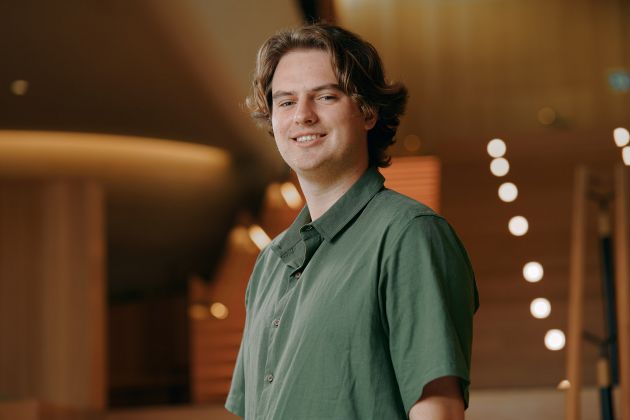

Education researcher Carmel Hobbs has been recognised as one of the country’s most promising academic communicators with a sought-after ABC Top 5 residency.
Carmel has been selected as one of five Humanities focused researchers to undertake a two-week program at Radio National.
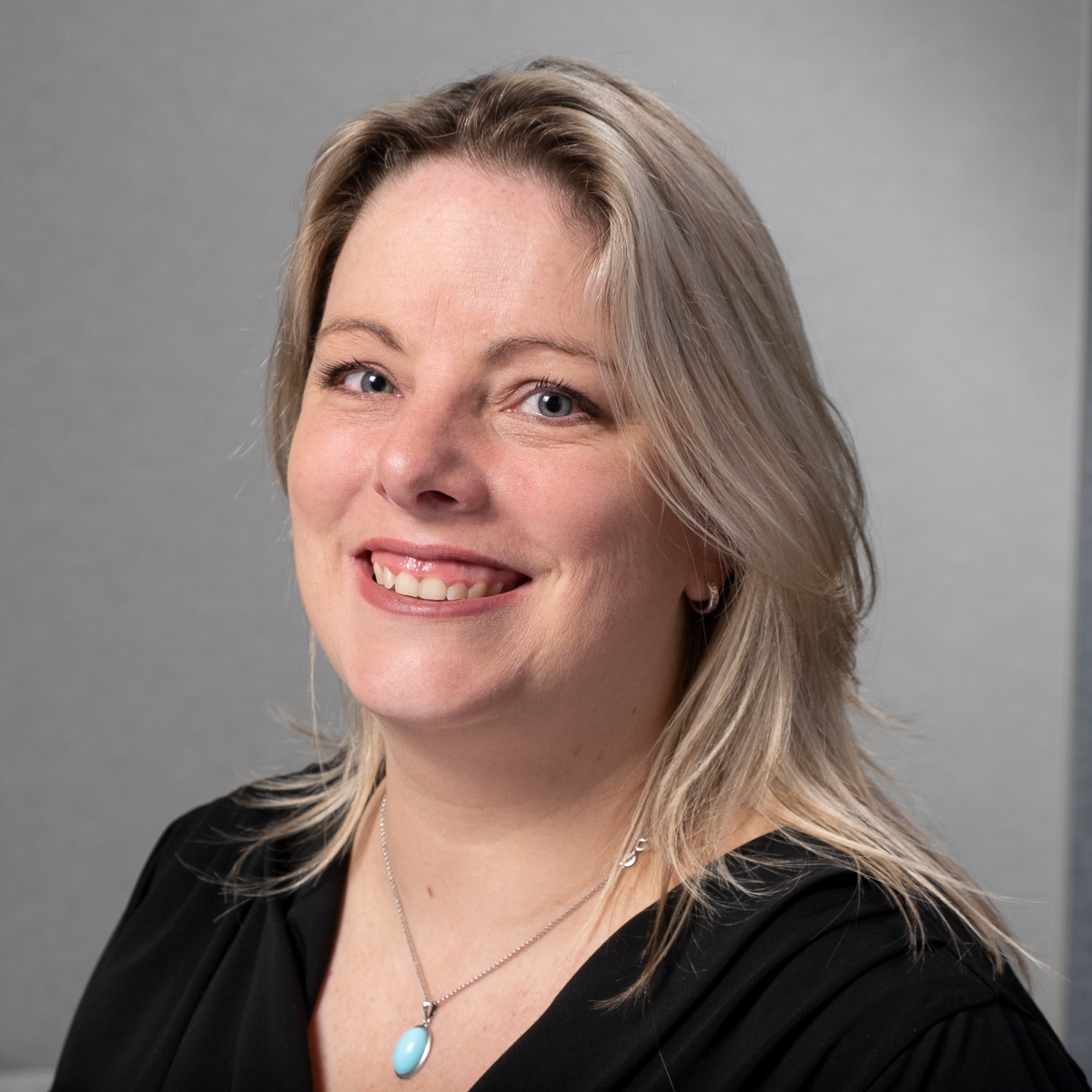
The Top 5 residency equips early-career academics with media skills, helping them communicate their field of expertise to broader audiences.
Carmel will head to the ABC’s Ultimo headquarters in Sydney next month for some hands-on learning about audio, digital platforms and how the media works.
The residency will culminate in each researcher creating a media piece based on their expertise – a radio segment, online story or social media post.
Carmel is a Postdoctoral Fellow in the Trauma-Informed Practice Lab in the School of Education where she specialises in teen domestic violence and abuse.
She has previously worked as a researcher at Anglicare Tasmania’s Social Action and Research Centre and the Department for Education, Children and Young People, as well as La Trobe and Victoria Universities.
"The opportunity to learn from some of Australia’s best journalists and broadcasters is a huge privilege," Dr Hobbs said.
"It’s especially exciting because the young people who have been part of this research got involved because they want people to understand and to do something about teen intimate partner violence.
"The Top 5 residency is going to equip me with new skills for communicating their stories and this research to a broader audience and give me confidence to engage with media through my career."
The ABC offers Top 5 residencies each year in Humanities, Arts and Science. The Humanities category is judged by representatives of the University of Sydney, which partners in presenting the residency, the Australian National University and the ABC.
ABC Chair Ita Buttrose said the Top 5 residency helped researchers to distil complex ideas into important stories relatable to the broadcaster’s audience.
“We are undergoing a revolution in the way we make and access news, but some things don’t change. Facts remain important, as does trust and the way we convey a story,” Ms Buttrose said.
“The project gives academics the opportunity to be leading communicators about their field of research, while also enabling us here at the ABC to better serve our audiences with unique stories and specialist knowledge.”