




In good news for the Tasmanian devil, $320,000 of philanthropic funds from Save the Tasmanian Devil Appeal donors has been awarded this year in support of research to secure the endangered species.
The donations have been allocated to research across nine grants through the Tasmanian Devil Research Advisory Committee (TDRAC), the group tasked with reviewing the annual devil granting process. The funds will support Tasmanian devils through an array of projects including the ongoing development of a vaccine against Devil Facial Tumour Disease.
As well as assisting established researchers, the funds will also benefit early-career researchers and higher degree students, ensuring that skills in this important area of conservation are fostered in the next generation of researchers.
Among the research supported is a new donor-funded award that will provide funding worth $10,000 from prominent Tasmanian automotive parts manufacturer ACL Bearing Company (Australia) Pty Ltd.
Created to support an early-career researcher this funding will be used to develop a field-ready Devil Facial Tumour Disease (1 and 2) oral bait vaccine. The Dr Eric Guiler ACL Bearing Tasmanian Devil Early-career Research Grant will be led by Select Foundation Fellow Associate Professor Andrew Flies and his team from the Menzies Institute for Medical Research in Hobart.
The Tall Foundation Dr Eric Guiler Tasmanian Devil Honours Scholarship has this year been awarded to student Khal Glinda. Under the supervision of Associate Professor Flies, Khal will also focus on the work required to trial a vaccine. Khal’s Scholarship is worth $10,000 and will allow this young scholar the opportunity to build on his undergraduate studies with the supervised research project.
Among the other projects supported is work by Deakin University’s Associate Professor Beata Ujvari to better understand transmissible cancers, and University of Tasmania’s Dr Rodrigo Hamede's research assessing the spread, prevalence and effects of devil facial tumour 2 at the epidemic’s frontline.
Each new project builds on the knowledge and understanding that continues to be the critical focus of the annual Tasmanian devil grants. The funds supporting these grants are collected through the Save the Tasmanian Devil Appeal, a pathway that has engaged everyone from school children to premiers.
Professor Erik Wapstra, Chair of TDRAC, said the quality of applicants for funding was extremely high.
“A reinvigorated committee has been tasked to help disperse the funds for maximum impact in line with the identified research priorities agreed to by the Tasmanian government’s Save the Tasmanian Devil Program,” he said.
Director of Advancement at the University of Tasmania Rebecca Cuthill said it was wonderful that 21 years after fundraising for the Tasmanian devil first began, people are still giving generously, having seen some of the important gains that have been made, but recognising that more still needs to be done to secure the population.
“We have seen the production of Devil Facial Tumour Disease immunology tools as well as field research that has shed more light on the spread of disease,” she said.
“We are grateful to see the funding maintained from generous supporters across the globe.”
…………………
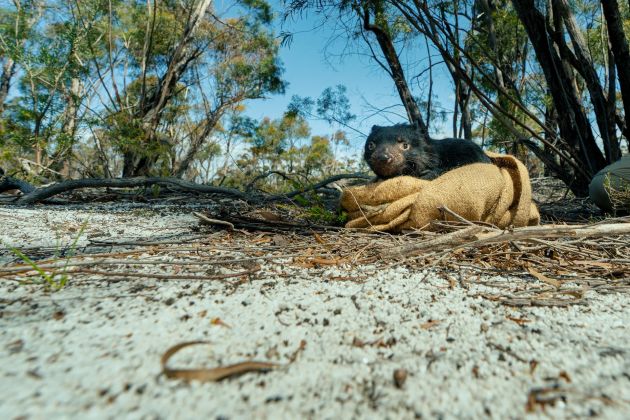
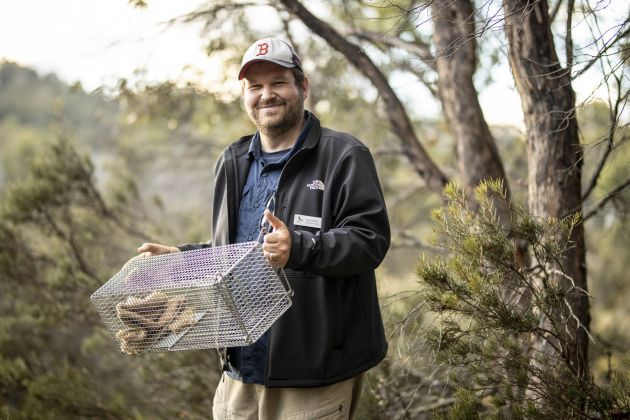
Banner image: Senior Lecturer at the University of Tasmania Dr Rodrigo Hamede Ross with a Tasmanian devil
Image credit: Oi Studios
Connect with our alumni community to discover more.