


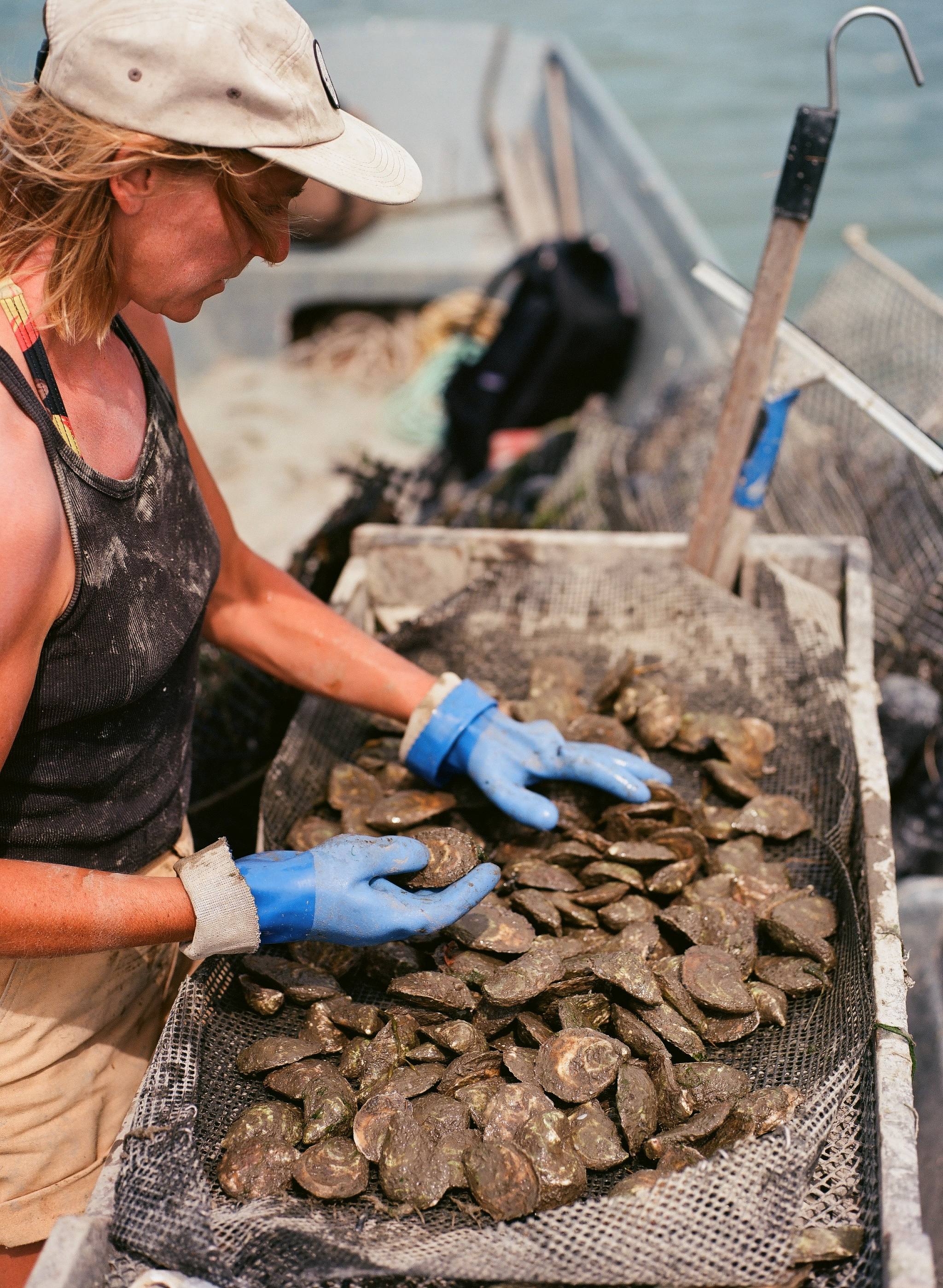
In the early morning light, a skiff glides along rows of oysters growing in the pristine waters off Deer Isle in Maine USA. At the helm is Abby Barrows, a world-leading microplastics researcher turned oyster farmer. And while her family-run business produces some of the best oysters in the ocean, there’s something else going on here.
Abby has created a proving ground for plastic-free mariculture gear, and it’s helping to preserve the very waters oyster farmers rely on.
“My microplastics research took me all over the world for over a decade, but my roots on Deer Isle kept bringing me back to this special community,” Abby said.
“I purchased a small oyster farm, as I was interested in aquaculture and saw the environmental benefits of cultivating this native species. But I quickly noticed just how much plastic gear the industry relies on,” she said.
“I knew it didn’t have to be that way – and I had the science background and motivation to work on a solution.”
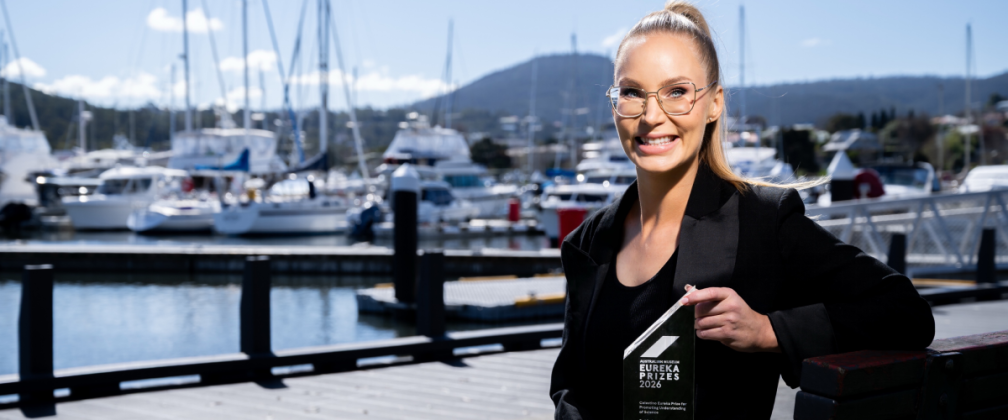
In 2002, Abby left home to study marine science at the University of Tasmania. The term ‘microplastics’ was used for the first time in a publication in 2004, and it would become Abby’s passion and life work.
“When I first started encountering microplastics in my research, I was shocked by how pervasive they were,” Abby said. “I wanted to understand the scope of the problem, and I wanted that knowledge to actually be used to incite change.”
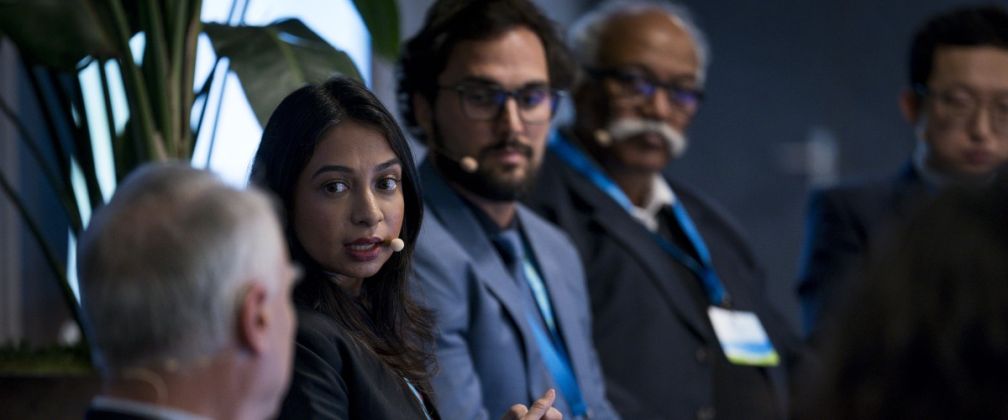
By 2012, Abby was directing plastic pollution research, and launched the global microplastics initiative to map plastic distribution in aquatic systems. With the help of citizen scientists, she would ultimately compile one of the largest global datasets across every ocean and continent.
“It was one of the most rewarding moments of my career. It revealed, on a global scale, just how deeply plastic pollution has infiltrated our planet, from urban waterways to the most remote seas.
“From then on, my mission was clear: turn science data into policy, drive real action to cut single-use plastics, and make sure people understood the true cost of our reliance on them.”
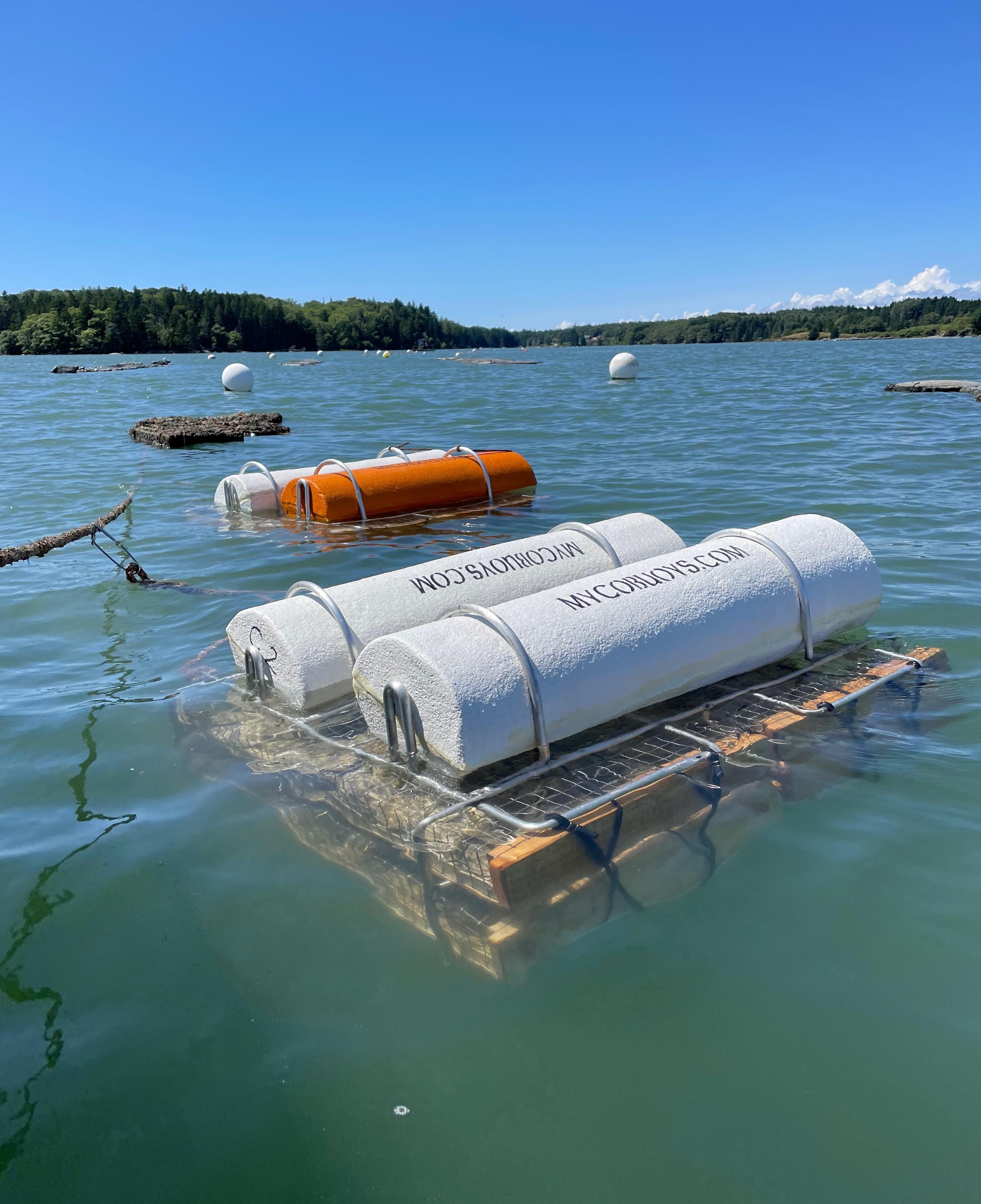
Today, Abby is pioneering and field-testing an entire suite of plastic-free oyster farming gear – from biodegradable mycelium floats to marine-grade metal mesh grow cages.
“The goal is to create systems that work just as well as conventional gear, but without shedding microplastics into the ocean,” Abby said.
“We’re testing durability, cost and ease of use so other farmers can adopt these designs without sacrificing efficiency or profit.
“Initially, a lot of farmers were skeptical, because plastic is cheap and familiar, so change feels risky. But oyster growers are also stewards of the waters they depend on, and many recognise the need for materials that align with that responsibility.” Abby Barrows
Abby hopes that once farmers see plastic-free gear can work, they’ll start to integrate it into their systems and start looking for other ways to cut down on plastic – on and off the water.
“That’s the kind of shift we need. Plastic has been found in every corner of our oceans, and it’s coming back to us in the food we eat, the water we drink, even the air we breathe,” Abby said.
“The good news is that education and even small, focused changes can have a huge impact. Ultimately, I’d like to see the solutions we’re testing adopted in aquaculture worldwide – to see farmers lead the way in protecting the waters that sustain us.”
Written by Louise Creely for Alumni Magazine Issue 56, 2025.
Connect with our alumni community to discover more.
Top right: Deer Isle Oyster Company, a family-run business (middle) Abby Barrows | Photo: Alex Lowther