

By turning recycled marine samples into a classroom resource, Megan Chang is creating educational tools for the next generation of fisheries scientists.
Megan developed a suite of educational packages designed to engage high school students and the community in marine science, as part of her specialisation in the Professional stream within the Master of Marine and Antarctic Science at the University of Tasmania’s Institute for Marine and Antarctic Studies (IMAS).
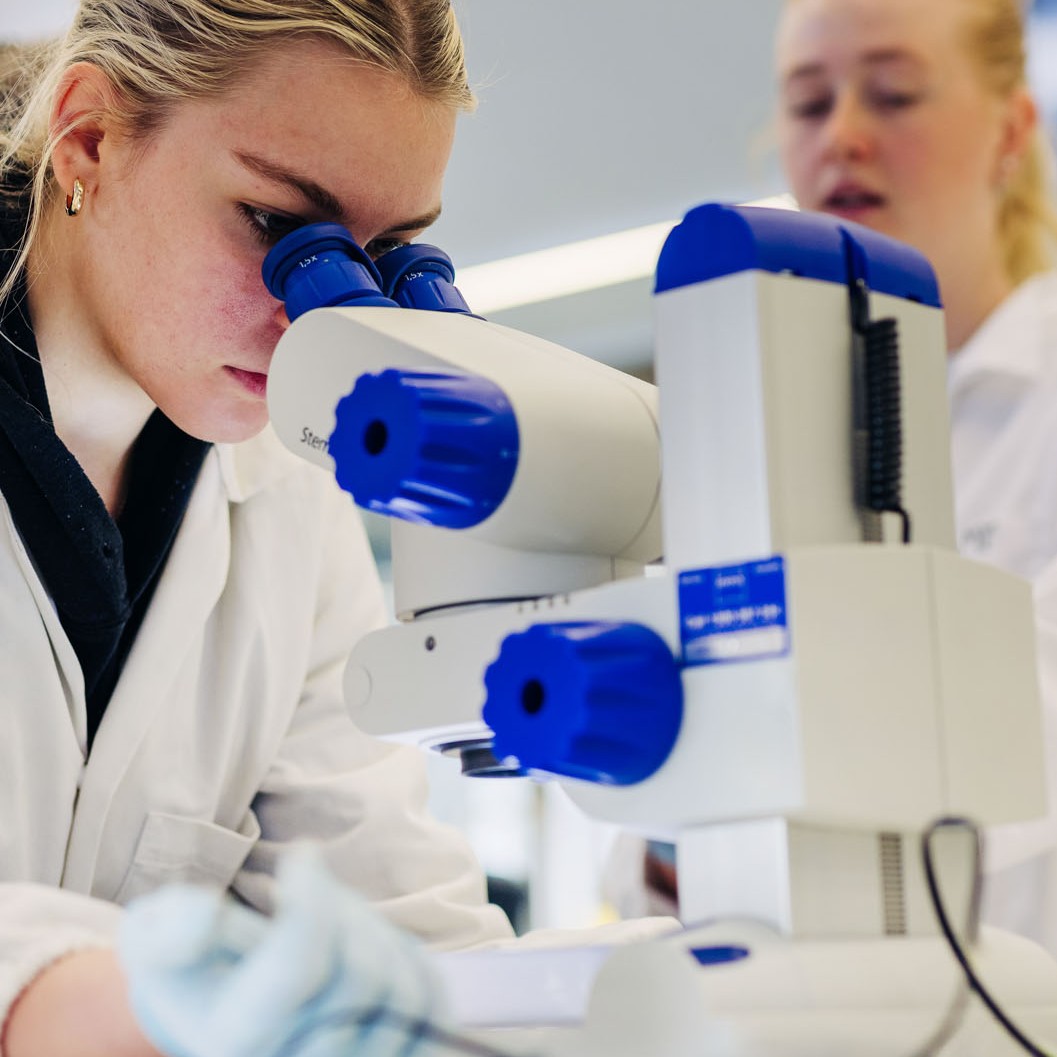
The packages Megan created reuse old research samples and materials, including underwater footage collected from baited remote under videos (BRUVs) and fish ear bones called otoliths.
“Identifying fish and plankton species is a specialised skill. It’s quite challenging to accurately identify fish species in underwater video footage, especially when visibility is limited or the species are similar in appearance.
“But it’s crucial for understanding local ecosystems.
"Knowing which species are present and in what numbers is important for understanding and monitoring the ecology of underwater environments,” Megan said.
Megan said she has wanted to study at IMAS since she was a high school student growing up in Taiwan. “I love Hobart - and there is so much knowledge at IMAS. Studying my Master's here has taught me so many practical things.”
Dr Sarah Ugalde coordinates the IMAS Contemporary Skills in Marine and Antarctic Science unit within the Professional stream, and said the course is designed to help candidates showcase knowledge and skills in the field they want to be employed in.
“The Professional stream is a unique opportunity for emerging leaders to create and demonstrate a meaningful and practical application of their knowledge, something that can be used in education, communication, or applied directly to industry and government,” Dr Ugalde said.
“One of our key goals is to equip graduates not just with technical knowledge, but also the professional skills and expertise needed to thrive in their careers – wherever they might end up.”
Megan said the Professional stream helped her gain employment with Skretting Australia. “It was exciting to create educational resources that would inspire young students, and doing my Masters in the Professional stream was definitely the best way for me to get into the aquaculture industry.”
Cover image: Galapagos Sharks captured by IMAS
researchers using baited remote under video (BRUV)