


Love solving puzzles with numbers, patterns, and data?
Mathematics, Physics, Statistics and Decision Science
From climate modelling to space exploration, maths and data shape how we understand and solve the world’s most complex problems. If you love the challenge of working with numbers, spotting patterns, and unravelling systems, this could be your perfect path.
At the University of Tasmania, you’ll explore how mathematical and statistical thinking underpins everything from scientific discovery to everyday decision-making. Whether you’re interested in how galaxies form or how data can optimise hospital care, you’ll gain the skills to make a meaningful impact in your field.
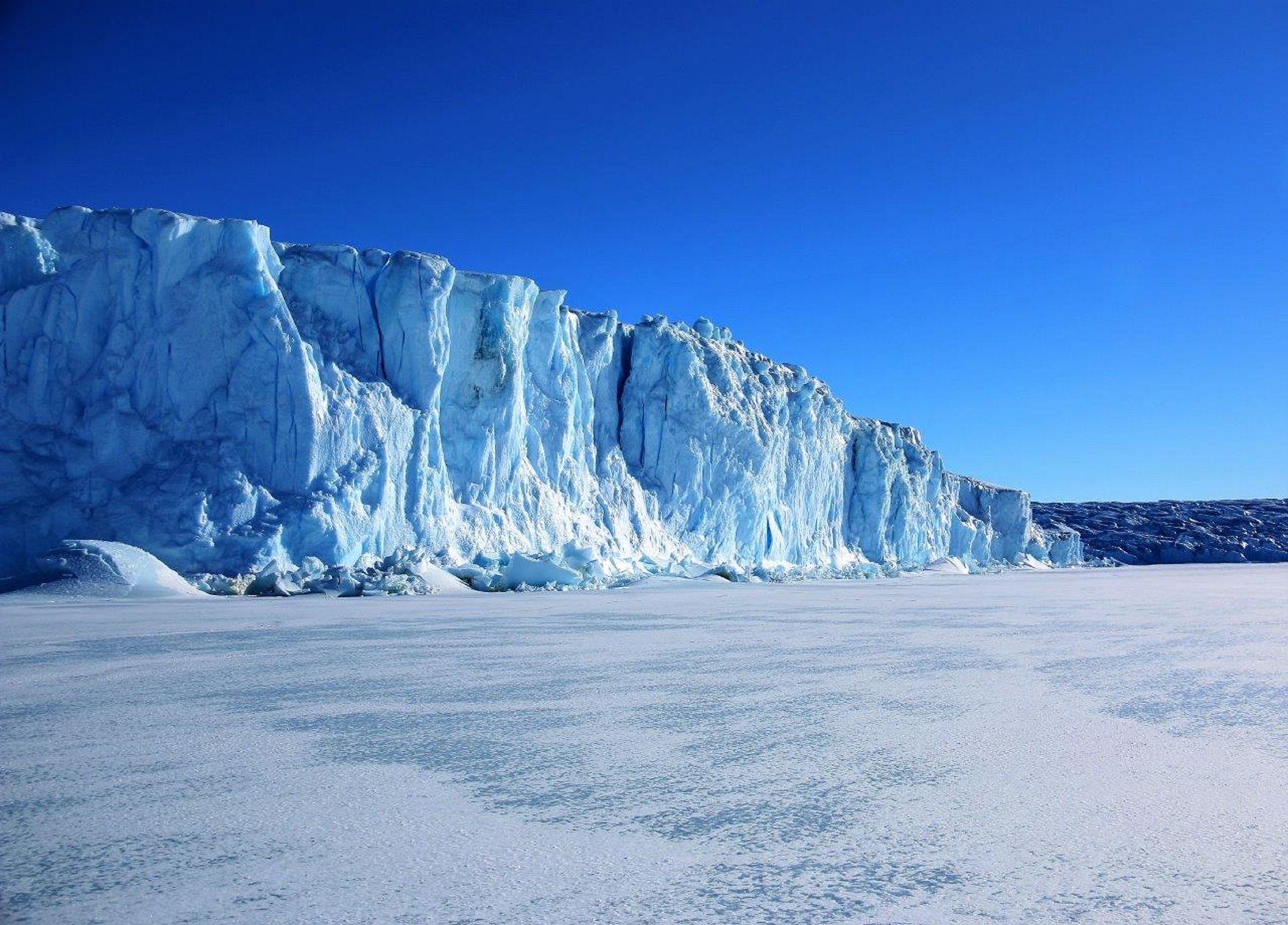
Photo: Ben Bogusz AAD
Sea ice and climate change: when the numbers don’t add up
Antarctic sea ice has always fluctuated seasonally, but in recent years, researchers have been puzzled by a sharp and unexpected decline. This research, led by experts at the University of Tasmania, reveals just how unusual recent patterns are – and what they might mean for the planet’s future.
Combining satellite data with powerful modelling, scientists are working to understand what’s driving these changes. The study highlights the role of data science and environmental modelling in making sense of global climate systems – and underscores why studying maths, physics and statistics is so important to solving the climate challenges of our time.
Be part of the solution
With access to cutting-edge research and expert-led learning, you’ll gain the analytical and problem-solving skills to address real-world challenges. Whether you're modelling climate systems, interpreting big data, or exploring the laws of the universe, your studies will prepare you for a career built on curiosity, logic, and innovation.
If you are ready to apply, find out more with our Bachelor of Science.

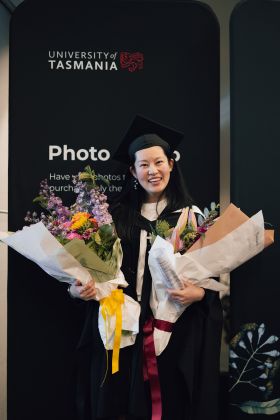
Eve Poland found her path in sustainability while studying science at the University of Tasmania. Through her studies in chemistry and statistics, and involvement in student-led initiatives and research projects, she pursued a passion for solving real-world challenges – now taking her to Oxford for a PhD in sustainable chemistry.