

During his time studying at the University of Tasmania, Vincent Ji took a petrol-powered racing car project and turned it into an electric vehicle project.
And in his professional life as an engineer, he moved on from a fossil fuel-focused job with bp, only to later return to the same company, leading an electric vehicle charging infrastructure project instead.
Vincent graduated with a Bachelor of Engineering (Honours) and a Master of Engineering Science, and sustainability-related change seems to follow him everywhere he goes.
And it’s certainly no accident.
With a strong interest in renewable energy, Vincent started studying his Bachelor of Engineering in his home country of China, going on to study his second year in the US.
As part of an international student program, he moved to Tasmania in 2014 to complete two more years of study and earn his Bachelor of Engineering with Honours, specialising in electrical engineering.
“Moving to Tassie was one of the best decisions of my life,” he said.
“I did some research online, found the University of Tasmania, spoke to a couple of friends who had studied in Australia, they all gave good feedback.
“I’d never even heard of Tasmania before that, but the location and lifestyle were the biggest drawcard.”
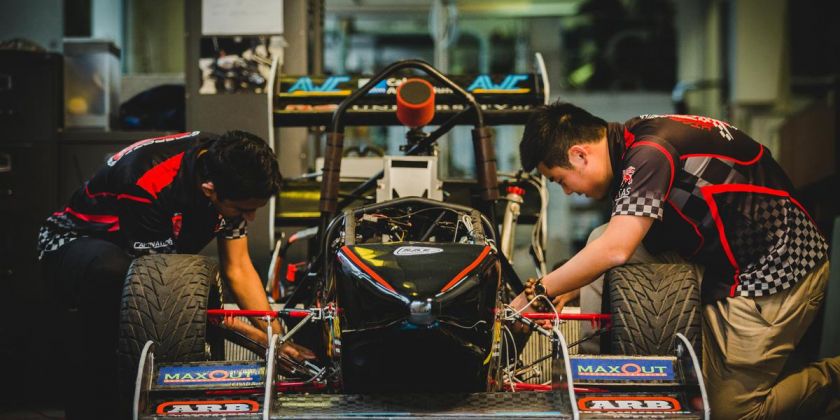
In Hobart, Vincent joined the University of Tasmania Motorsport Team, a group of students from all disciplines who work together to design, manufacture, build, fund, and race their own car against other universities in the International Formula SAE competition each year.
At the time, the team’s sole focus was on a vehicle with an internal combustion engine – there was no electric vehicle team.
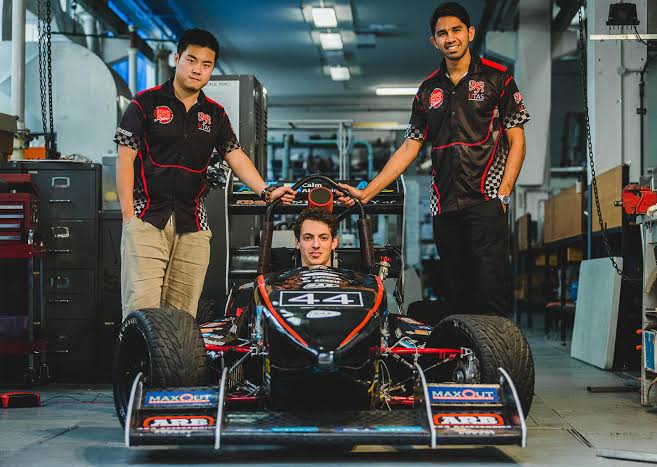
In 2016, after finishing his bachelor’s degree, Vincent started his Master of Engineering, and his research project was to create an electric vehicle (EV) powertrain system and build an EV team.
“It was still a relatively new concept in Australia at the time,” he said. “That EV team started out with just three people.
“But by the time I finished my master’s degree, there were 12 or 13 people in the EV team and some had even moved across from the internal combustion team to take part.
“And it also means that I have published a paper on electric vehicles and contributed to our accumulated knowledge, all based on this project as a testbed.”
Vincent’s first engineering job out of uni was with global oil and energy corporation bp, designing and building petrol stations and terminals.
While the job paid well, Vincent’s passion for clean energy was compelling him to pursue new opportunities. So, he moved on, working as a design and engineering consultant for commercial buildings and hospitals, and later in airport design.
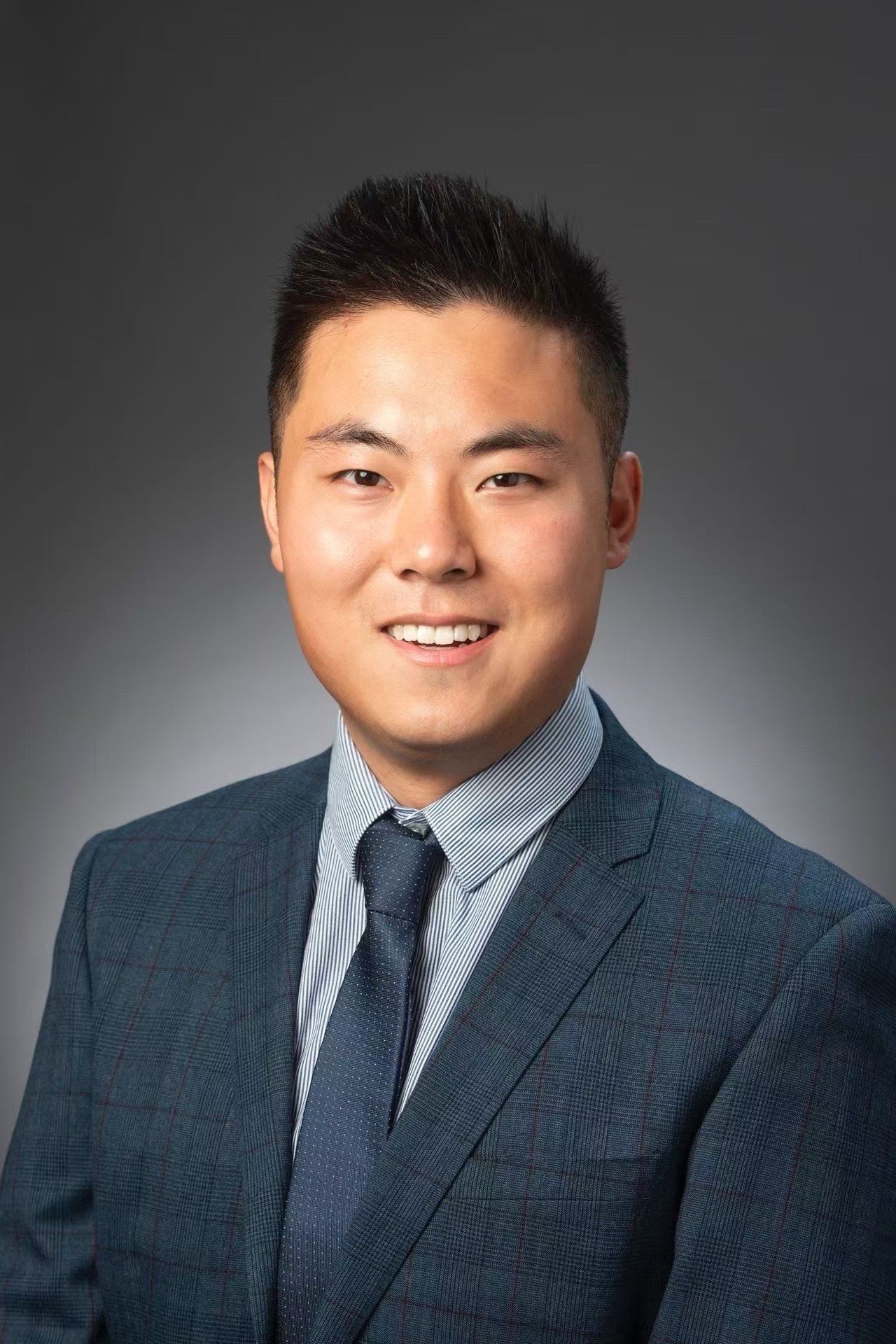
But, two years ago, some former bp colleagues got in touch to tell him about a new division he might be interested in: bp pulse.
“Basically, the sole focus of bp pulse is on providing EV charging infrastructure globally, and I now head up Engineering Function for Australia and New Zealand, rolling out EV chargers across both countries, based in Melbourne,” Vincent said.
“One of the reasons I left bp in the first place was because I was more interested in renewable energy, but there weren’t many jobs in that field at the time.
“Now I’ve ended up in the best possible place.”
And just last year, something else came full-circle in Vincent’s engineering career, when he was selected to be a judge in the design category at the 2024 Formula SAE Australasia competition at Calder Park, Victoria.
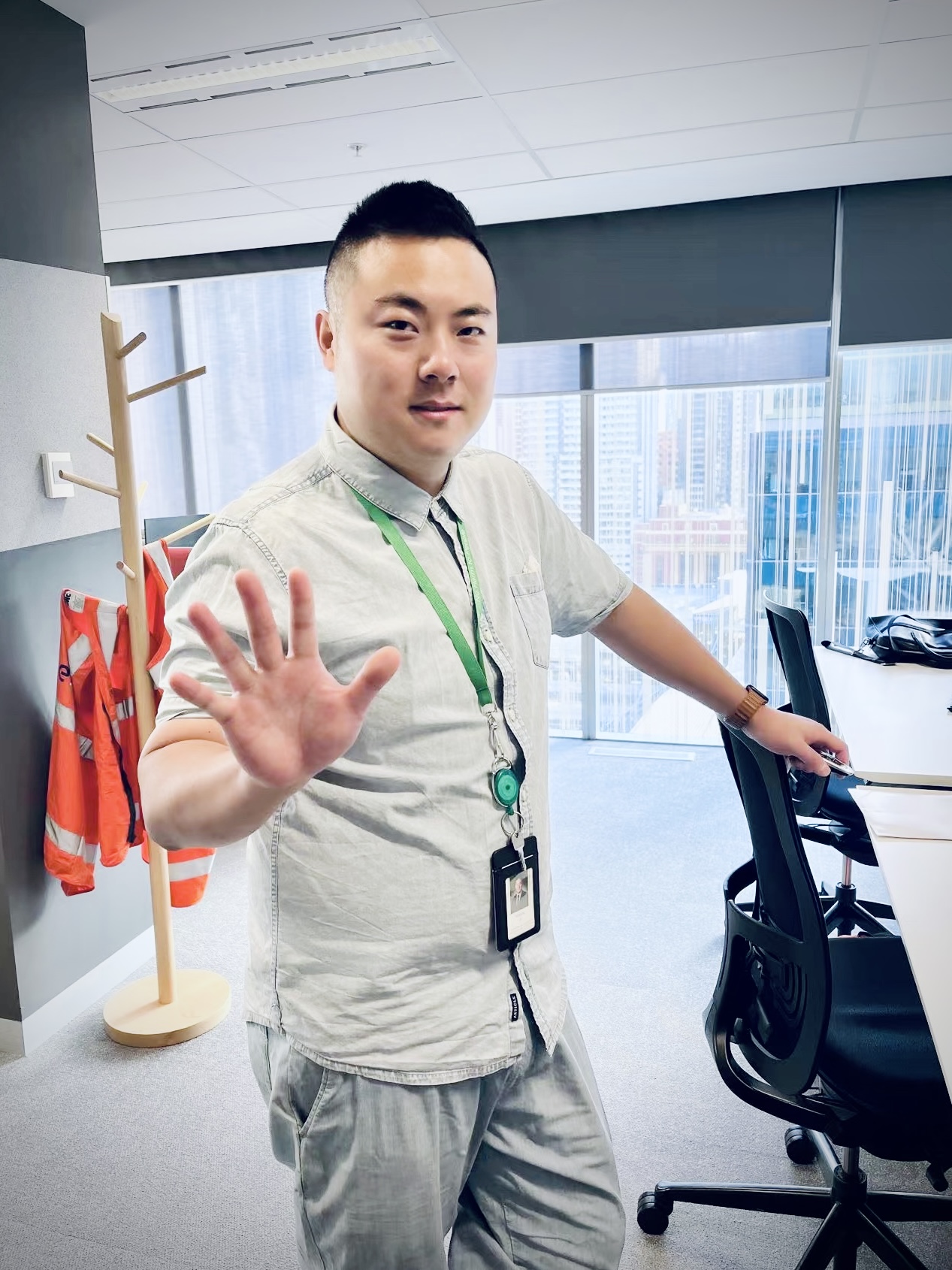
And the group he was assigned to judge included the University of Tasmania team.
“When I left uni, the vehicle was still a power train prototype on a test bench – but no completed car.
“And when I looked at the car I was judging, it was the concept that I’d started, it was the finished car!”
Vincent had to pretend he knew nothing about the car during the judging process, only telling the students who he was at the end.
“It was really rewarding to see the finished car, they’d done such a great job,” he said.
“I told them I was a graduate and that I’d started the project all those years ago, and we had a really great conversation about it after that!”
- If you have a passion for clean energy and building a better future, a Bachelor of Engineering could be your path to a rewarding career. And the University Motorsport Team welcomes students from all disciplines to take part.