


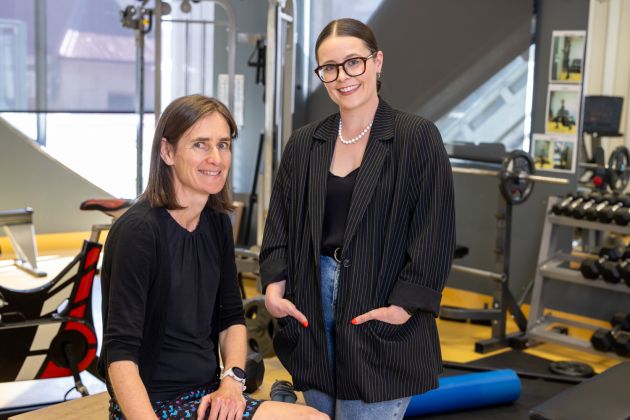

For Peta Antypas, studying medicine at the University of Tasmania has been more than an academic pursuit, it’s been a way to stay grounded in her community while reaching for a future in neurology.
Growing up in Launceston, Peta’s decision to study locally was both personal and practical.
“The University of Tasmania has a strong reputation for producing capable, well-rounded doctors,” she said. “But just as important to me was staying connected to my family and community.”
That connection deepened when Peta was accepted into a pilot programme allowing her to complete all five years of her medical degree in Launceston, an opportunity that’s typically split between Hobart and the north.
“Being able to stay here meant I could live at home, build relationships with local mentors, and really embed myself in the healthcare community.”
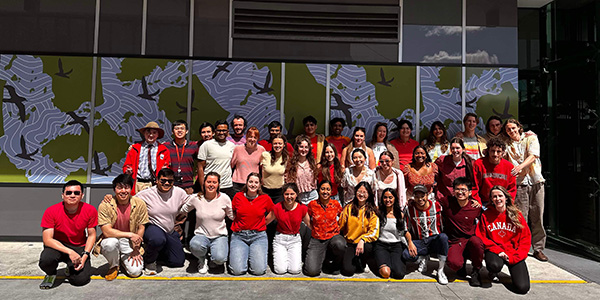
Coming straight from year 12, with a passion for science and a love of sport, Peta expected medicine to be intense and overwhelming. Instead, she found something surprising: joy.
“I didn’t expect medicine to be so fun! There’s a real sense of camaraderie. Older students and doctors go out of their way to support you, and you’re encouraged to get involved in patient care early on.”
From assisting in surgery to presenting on ward rounds, the hands-on learning has been a highlight. So too has the variety.
“Whether you’re into research, problem-solving, advocacy, or communication, medicine has it all. That mix of science and people is what makes it so rewarding.”
But the journey hasn’t been without challenges. “Letting go of the school mindset - where success means perfect marks - was tough. In medicine, it’s more about being safe, curious, and kind.”
Now in the final stages of her degree, Peta’s sights are set on neurology.
“Neurological conditions are intellectually fascinating and often devastating. I want to contribute to research and eventually return to Launceston as a specialist.”
That research journey has already begun. With support from the Clifford Craig Medical Student Research Scholarship, Peta is investigating how probiotics might influence social cognition in people with multiple sclerosis.
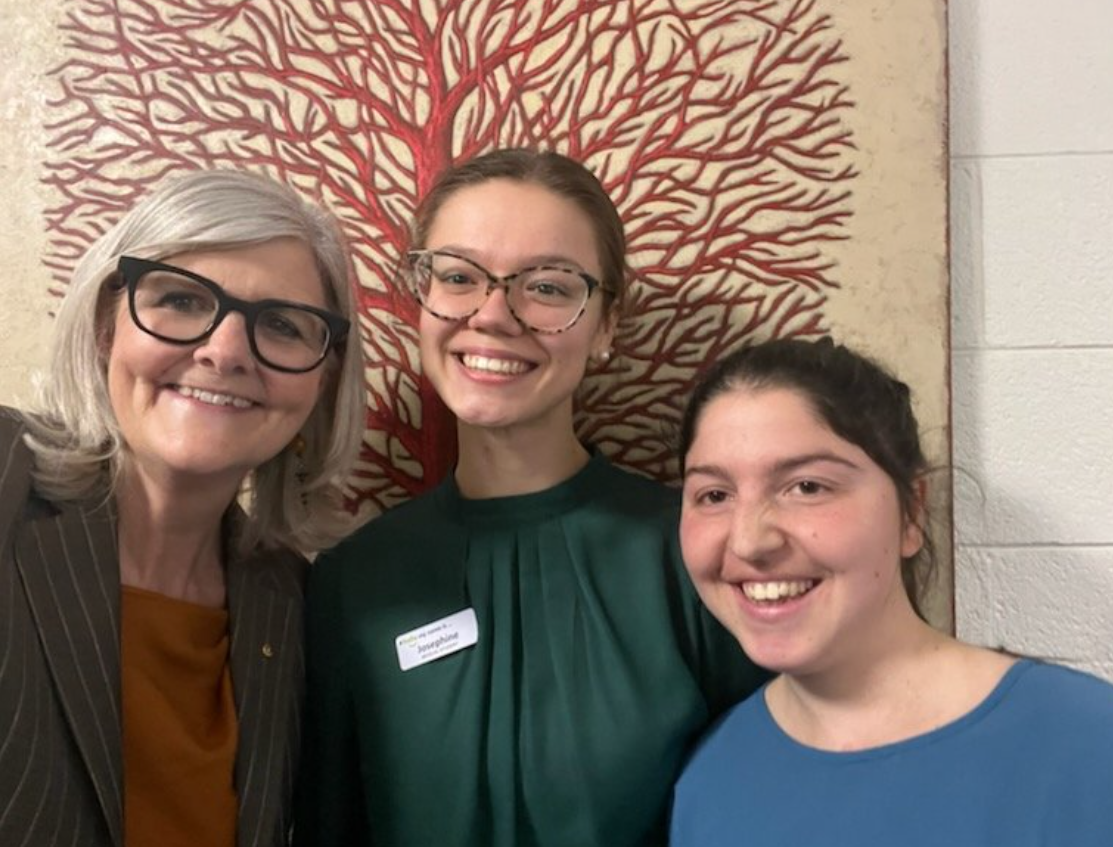
“It’s an exciting intersection of neurology and the gut-brain axis. I was thrilled to present this work at a recent neurology conference.”
For Peta, staying local hasn’t meant limiting ambition – it’s meant grounding it in purpose.
University of Tasmania now offers the full medicine degree at our Launceston, Hobart and Cradle Coast campuses.
Study with us. Find out more about studying the Bachelor of Medical Science and Doctor of Medicine