


Throughout 2025, guided by our refreshed strategy and enduring mission to serve Tasmania, the University of Tasmania has continued to make meaningful contributions to our communities in the ways that matter most. From climate action and health research to regional education and industry partnerships, our work this year has been shaped by a deep commitment to improving lives and building a better future – for and from our island.
Leading the way on climate action and sustainability
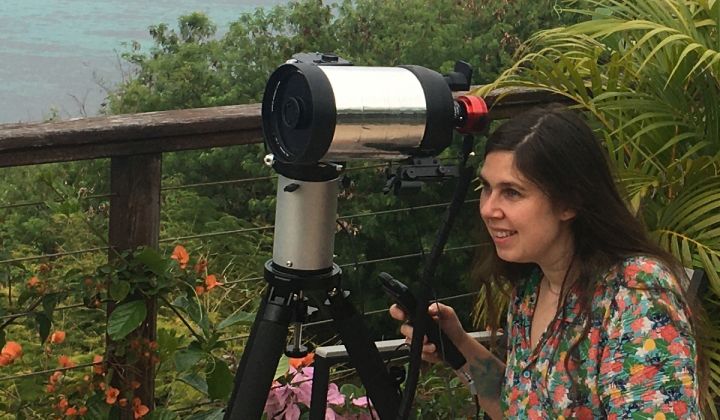
Our achievements in climate action and sustainability remain a source of pride. For the fourth consecutive year we were ranked the number one university in the world for climate action in the Times Higher Education Impact Rankings. This year THE also ranked the University of Tasmania first in the Life on Land category, and fourth in the world when ranked across all 17 UN Sustainability Development Goals.
We won numerous categories in the Australasian Green Gown Awards as well as the Tertiary Education Facilities Management Association Sustainability Award.
We are immensely proud to have launched The Climate Shift: Exploring Science, Empowering Action, a 20-hour, self-paced highly accessible short course covering environmental, economic, social and technological perspectives on climate change. More than 45 academic and professional staff from diverse fields across the University, including world leaders in climate change-related research, created content for the course.
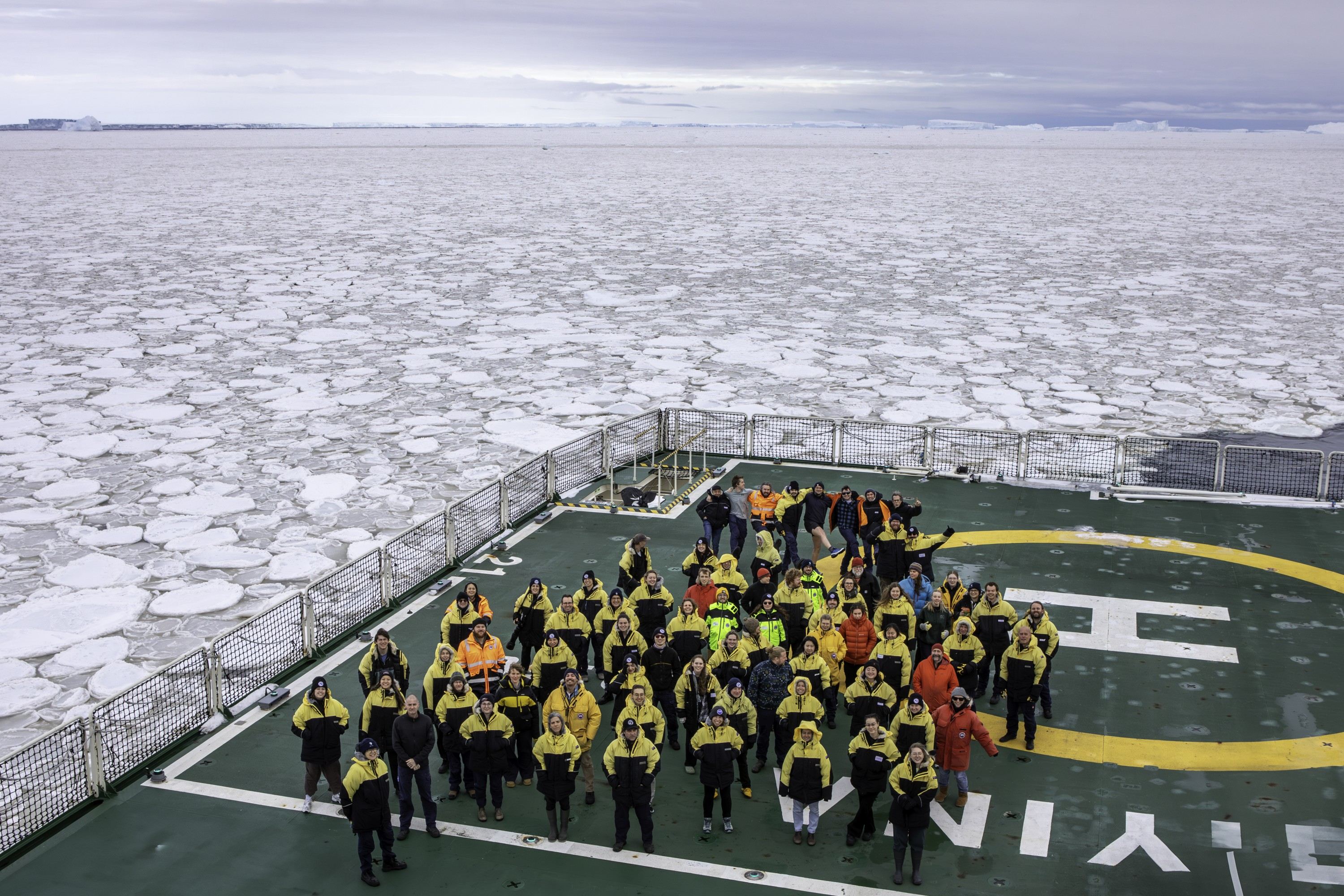
Our researchers continued to explore some of the most remote and fragile parts of the planet aboard Australia’s new ice-breaking research vessel, the RSV Nuyina, deepening our understanding of Antarctica and the Southern Ocean and the impacts of a changing climate.
We worked with Tasmanian communities to safeguard giant kelp forests, vital ecosystems that are under threat. And at our Forthside Vegetable Research Facility, we established Australia’s first dedicated zero net emissions horticultural demonstration farm, setting a new benchmark for sustainable agriculture.
Strengthening Tasmanian’s regional health workforce
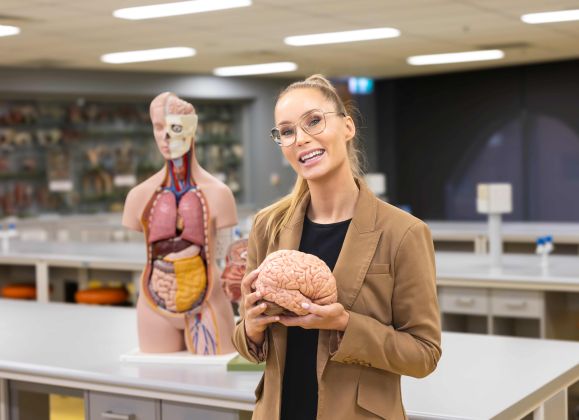
Our teaching and learning programs continue to be shaped by the needs of the Tasmanian community. In a milestone for health education in our regional communities, 2025 marked the first year that medical students could complete their entire degree at our Cradle Coast campus. We are now training doctors, nurses and pharmacists on the coast, making a significant contribution to building the workforce in the region. We are pleased to say that over half the cohort of medical students are from the North-West and 80 per cent are Tasmanian. This expansion is helping to grow a locally trained medical workforce and improve access to healthcare in the North-West.
Building on this momentum, our medicine program in Launceston will expand next year, allowing students to study the full degree in the North and further strengthening the pipeline of future doctors in Tasmania.
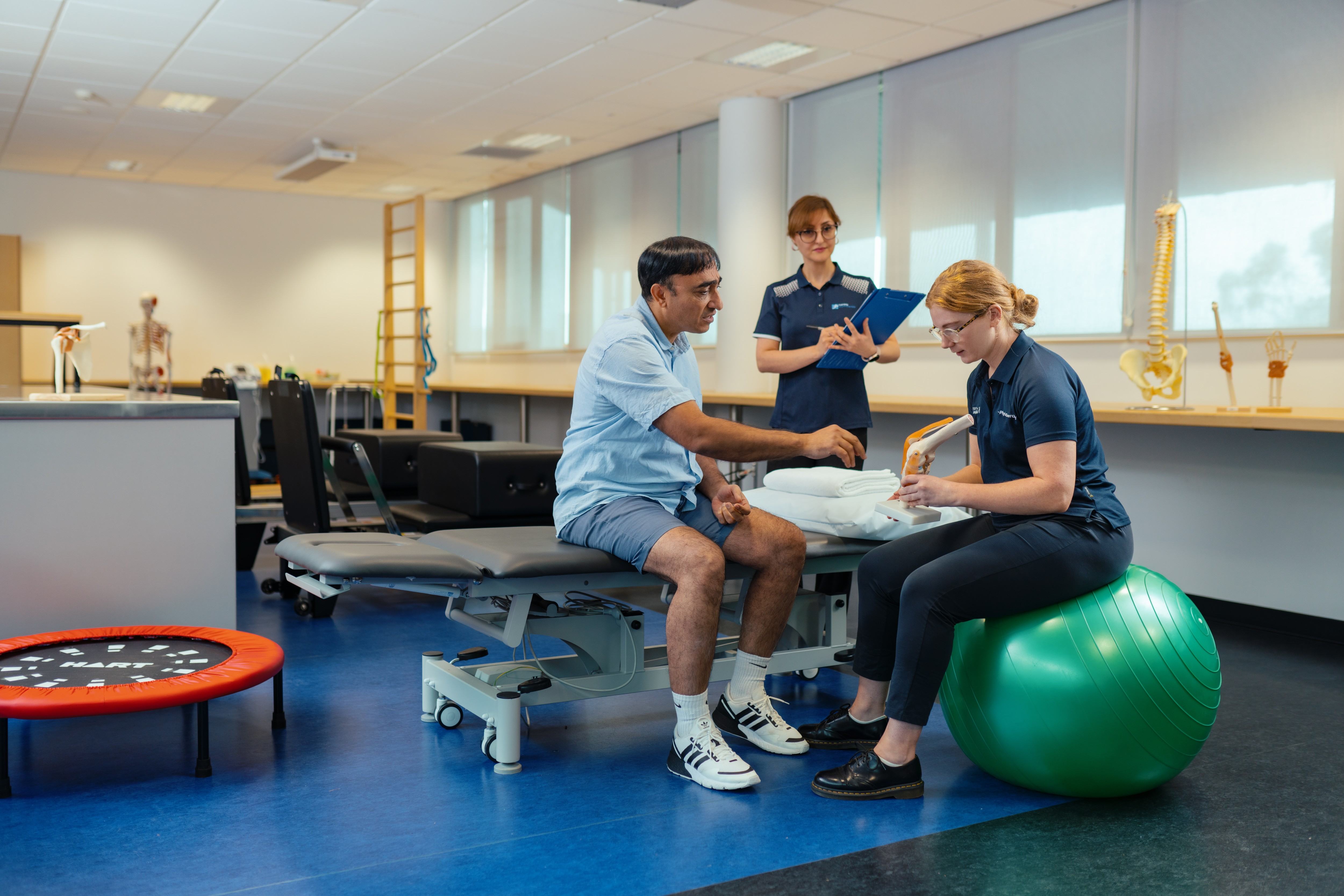
Northern Tasmania is developing into a significant hub for regional health education. The new Master of Occupational Therapy commenced this year, adding to the suite of allied health programs that include the Master of Physiotherapy and Master of Speech Pathology that are helping to meet critical workforce needs.
Research that changes lives
Our researchers continue to deepen our understanding and work towards solutions for the challenges and opportunities facing our communities.
In 2025 we began laying the foundations for our Tasmanian Transitions, the University’s bold, long-term commitment to shaping a thriving, sustainable future for our island by 2050. We will do this through five interconnected areas. These priority areas – Education, Health, Productivity, Climate, and Tasmanian Stories – are where we believe we can drive the greatest impact. As well as making Tasmania more inclusive, equitable, sustainable and prosperous, lessons learnt from our Tasmanian Transitions will be shared with the world for global impact.
The Institute for Marine and Antarctic Studies continues to lead two Antarctic research partnerships on behalf of the nation: the Australian Centre for Excellence in Antarctic Science (ACEAS) and Australian Antarctic Program Partnership (AAPP). Together these will improve our understanding of the role of the Antarctic and Southern Ocean within the global climate system and its implications for marine ecosystems, as well as helping communities prepare for emerging climate risks.
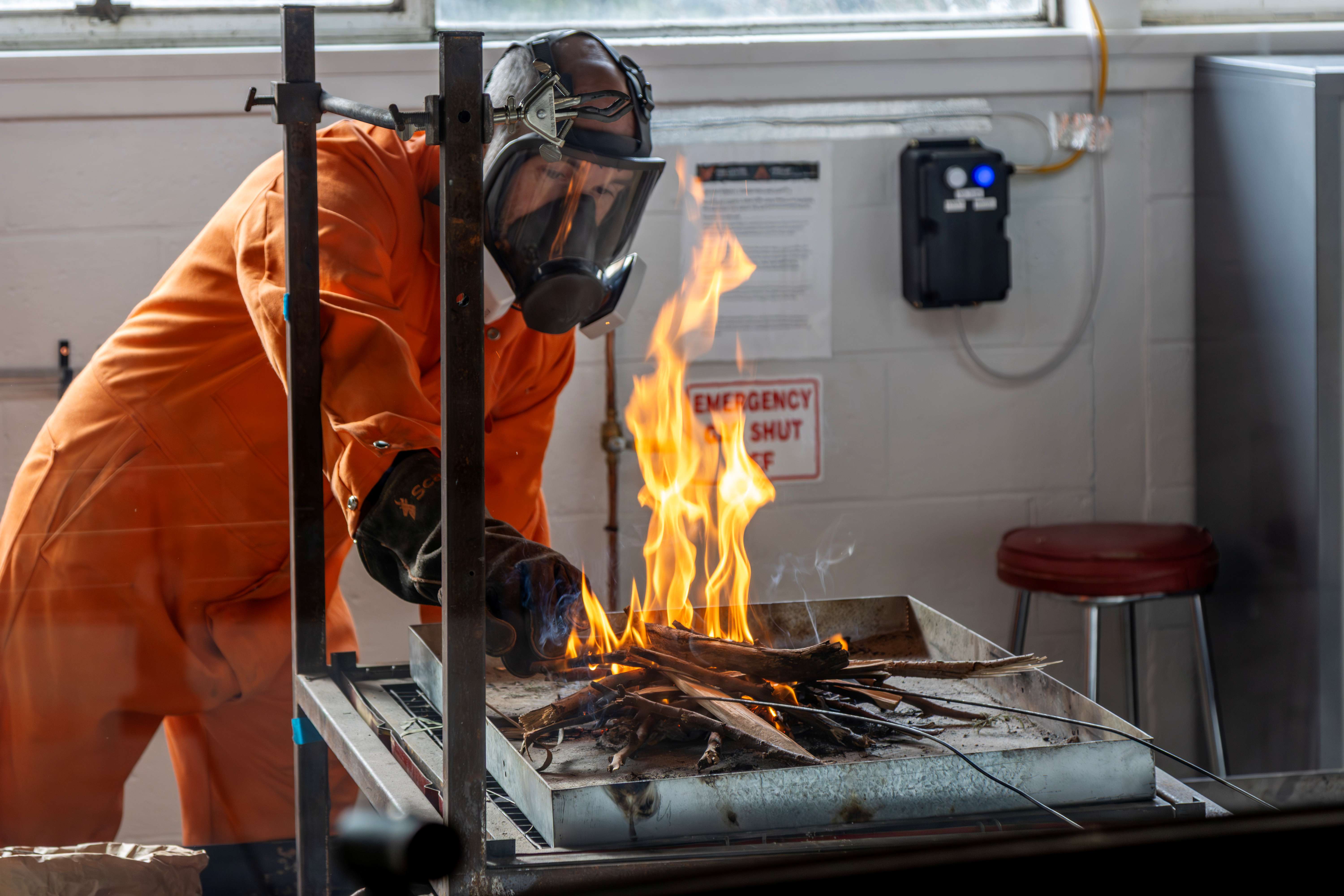
To better understand the growing threat of bushfires, we opened a new research facility dedicated to studying plant flammability, smoke emissions, air pollution, and their effects on human health. The only facility of its kind in the Southern Hemisphere, the Fire Lab will support groundbreaking studies urgently needed in a warming climate.
In the field of neurological disease, six of our researchers secured a combined $1.2 million in grants to advance new treatments and understanding of multiple sclerosis (MS). Drawing on our world-leading research expertise in this area, we also launched a new online course through Menzies, aimed at improving global awareness of MS and its impacts. Menzies-led research was recognised in the National Health and Medical Research Council’s “10 of the Best” list for 2025.
We launched a new eye-drop therapy designed to treat the early stages of diabetic retinopathy – a condition that affects thousands of Australians and can lead to vision loss if untreated.
In other examples of research with real-world application, we developed a risk mapping tool to help prevent fatal collisions between endangered wedge-tailed eagles and overhead power lines, and nurtured and released back to the wild 65 captive-raised red handfish.
Partnerships that power progress
Lasting impact is achieved through collaboration. This year, we strengthened our partnerships with industry, community, and philanthropic supporters to deliver shared outcomes for Tasmania.
Our collaboration with the Tasmanian Health Service continues to be pivotal to the training of our healthcare workforce. We are the State’s provider of Initial Teacher Education and, working with the Department for Education, Children and Young People, we are deeply committed to the challenge of improving Tasmania’s educational outcomes. Our enduring joint venture industry partnerships in agriculture, through the Tasmanian Institute of Agriculture, and in fisheries and aquaculture, through the Institute for Marine and Antarctic Studies, are also a critical contribution to Tasmania.
The Tasmanian Policy Exchange provides expert advice to all levels of governments to support evidence-based policy decisions. Our research commercialisation arm, InVent, fosters innovation and helps to build sound commercial strategy to back some of our most important research, particularly in the areas of mining, agriculture and medicine.
With Hydro Tasmania, we are working to build a more resilient energy sector through collaborating on skills and future workforce, research and development, and community engagement. With the CSIRO, we developed a first-of-its-kind undergraduate unit in responsible and sustainable innovation, equipping students with the ability to think critically through the social, ethical and legal consequences of emerging science and technology.
We launched the Launceston Institute in February, a new initiative designed to drive social and economic impact across Northern Tasmania in partnership with industry.
With support from Bank of us and the Tasmanian Community Fund, a new project on the West Coast aims to address critical gaps in financial literacy for young people in the region.
Thanks to a partnership with the Parkinson’s Research Foundation, we developed an online course for Parkinson’s disease, the fastest growing neurological condition in the world. The course is the first of its kind and is accessible to everyone including people with Parkinson’s, their support networks, medical and allied health professionals and the wider global community
Building for the future
Our commitment to contemporary, sustainably developed, community-connected infrastructure continues to support the way we teach, learn, and collaborate. Across Tasmania and the nation, our redeveloped facilities are being recognised as exceptional learning environments.
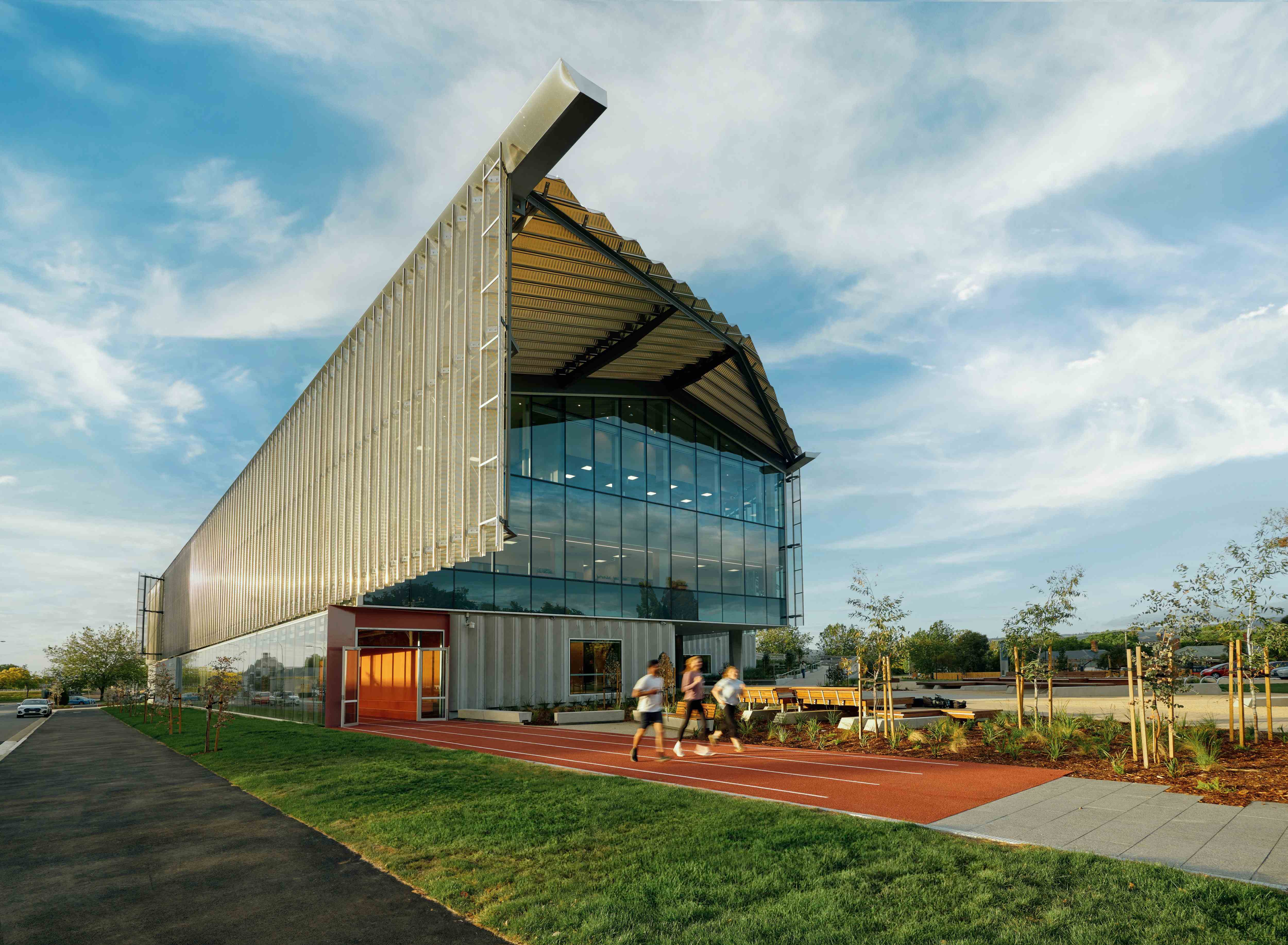
Our Northern Transformation projects culminated in the opening of The Shed late in 2024, and in 2025 we have seen the building brought to life as a learning environment for hundreds of students. It is fully functioning as our home of allied health – with nursing, occupational therapy, speech pathology, exercise science, physiotherapy and pharmacy being taught in state-of-the-art facilities. Campus life in Launceston has been revitalised with our buildings open for the public and providing a place for us to host inspiring and thought-provoking community events.
In 2025 we completed a $13.5 million restoration of the Philip Smith Centre on the Domain in Hobart. The Philip Smith Centre was Tasmania’s first purpose-built facility to train teachers and is now hosting education programs including the new and very popular Bachelor of Outdoor and Environmental Education.
These spaces are more than buildings. They are enablers of the work that matters most. They support face-to-face teaching, hands-on research, and the kinds of partnerships that drive progress for Tasmania and beyond.
Sporting success on and off the field
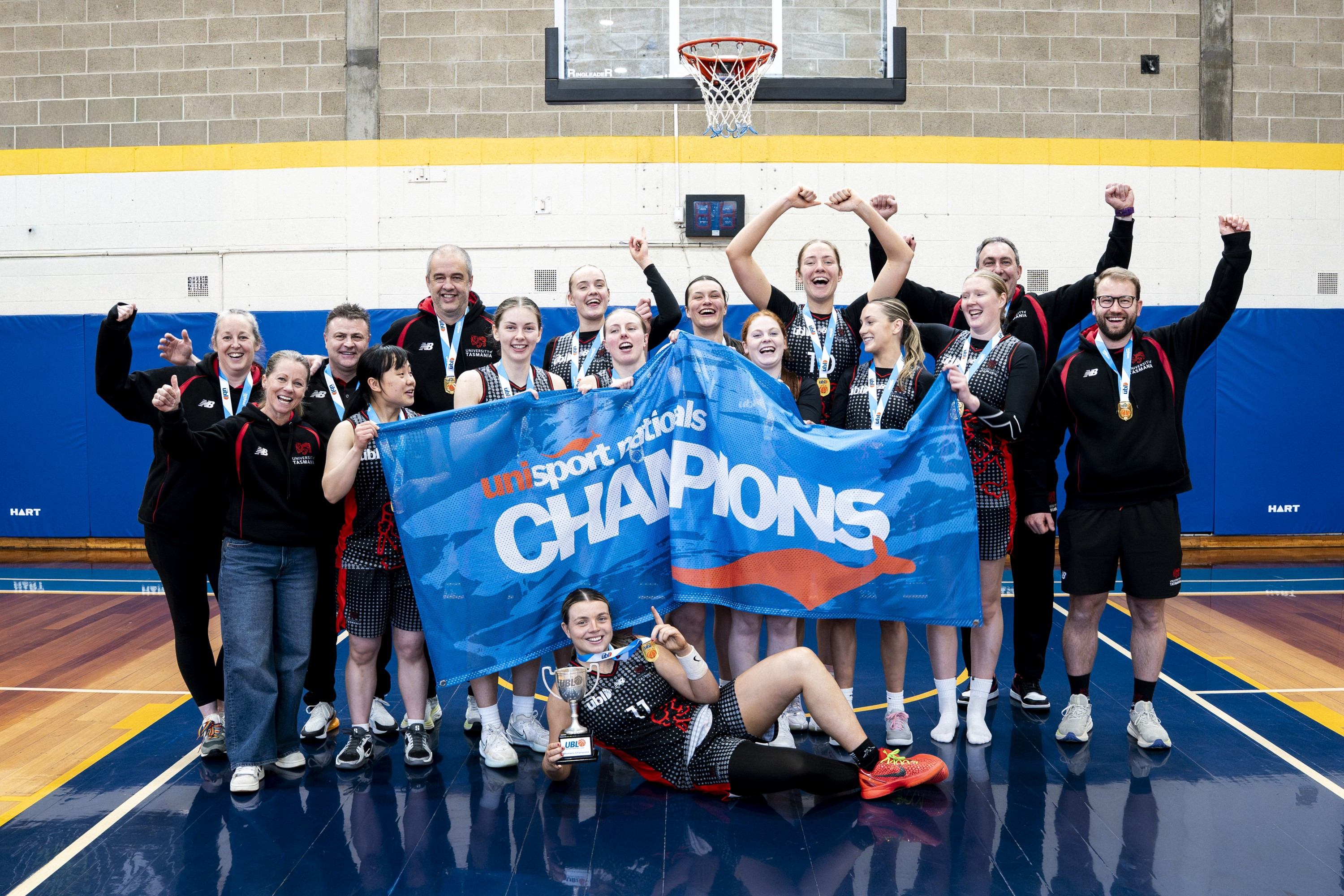
We continue to see a high level of participation and enjoyment from students in our sporting programs. Our partnership with the Swisher Hoops Academy has helped us to secure unprecedented basketball success. This year we are the national champions for both Men and Women in the University Basketball League – the first time any university has taken both titles in one year. Our 3x3 Women’s basketball team became the Oceania champions and secured a spot in the world titles in Brazil. We sent a team of 90 athletes to the UniSport Nationals on the Gold Coast, placing 12th out of 41 competing universities and winning the Hugh McKechnie Trophy for the highest-ranked southern region University in Australia on a per capita basis. We had 12 Aboriginal and Torres Strait Islander student-athletes represent us at the UniSport Indigenous Nationals in Perth.
Our University-affiliated clubs have had great success, with championships in cricket, soccer, hockey, rowing and athletics. Our Elite Athlete Program supported 70 students this year to compete at state, national and international levels, and, for those just wanting the fun and social interaction, we continue to offer free social sports activities for students and staff in Hobart, Launceston, Burnie and Rozelle.
Written for Alumni Magazine Issue 56, 2025.
Connect with our alumni community to discover more.
Top right: Forthside Research Facility | Photo: Oi Studios