

Beneath the surface of Australia's southern and eastern waters, two very different stories are unfolding.
New research led by the University of Tasmania’s Institute for Marine and Antarctic Studies (IMAS) has used cutting-edge ocean modelling to trace the larval journeys of two species, Southern Rock Lobster (Jasus edwardsii) and Longspined Sea Urchin (Centrostephanus rodgersii) and the findings have significant implications for how Australia manages both.
Where do baby lobsters come from?
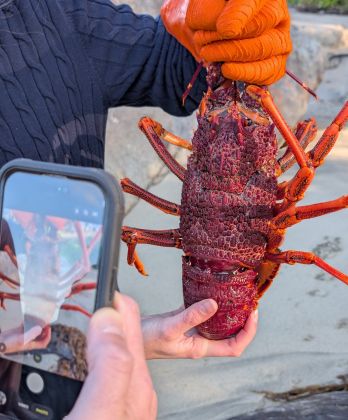
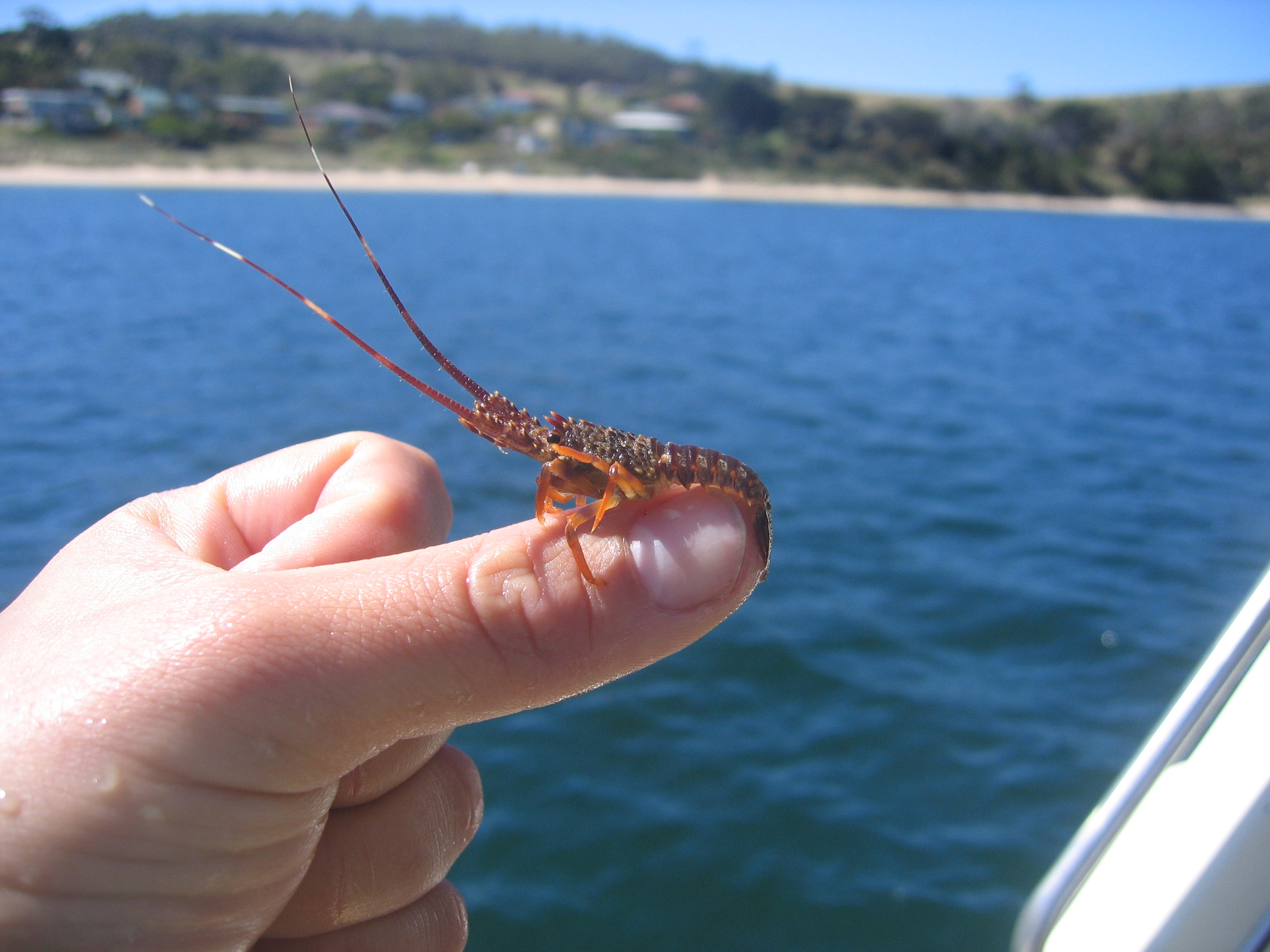
Southern Rock Lobster spend the first two years of their lives as larvae, drifting on ocean currents across vast stretches of coastline before settling and becoming the adults that fishers and seafood lovers know well.
Adult lobsters stay put, but those early larval stages mean that what happens in one region can determine recruitment outcomes thousands of kilometres away.
"Managers are trying to manage levels of adults so there are enough new recruits coming through," Principal Investigator and lead IMAS researcher, Dr Katie Cresswell said.
"Frankly, they just had very little idea where exactly the larvae were actually originating from."
To answer that question, the research team built a biophysical model, seeding millions of virtual larval particles at spawning locations from Western Australia to New South Wales and around Tasmania, then tracking their movement day by day through thirty years of oceanographic data.
The result was striking. South Australia, particularly its southern waters, emerged as the dominant source of larvae foremost of the Australian stock. An estimated 60% of larvae settling in that region originate there, and it supplies larvae across Tasmania and Victoria too.
The research highlights South Australia's outsized role as a source of recruits for the broader fishery. With South Australian Management Plans already targeting a rebuild of spawning biomass to 20% of virgin levels, and increases observed in both zones over the past four years, continued progress on this objective stands to benefit recruitment well beyond South Australia's own waters.
The urchin that won't leave
The Longspined Sea Urchin tells a different story, a more alarming one.
Originally native to mainland Australia, warming ocean temperatures have allowed the species to extend its range southward into Tasmania, where it has become one of the most destructive forces on the state's reef ecosystems.
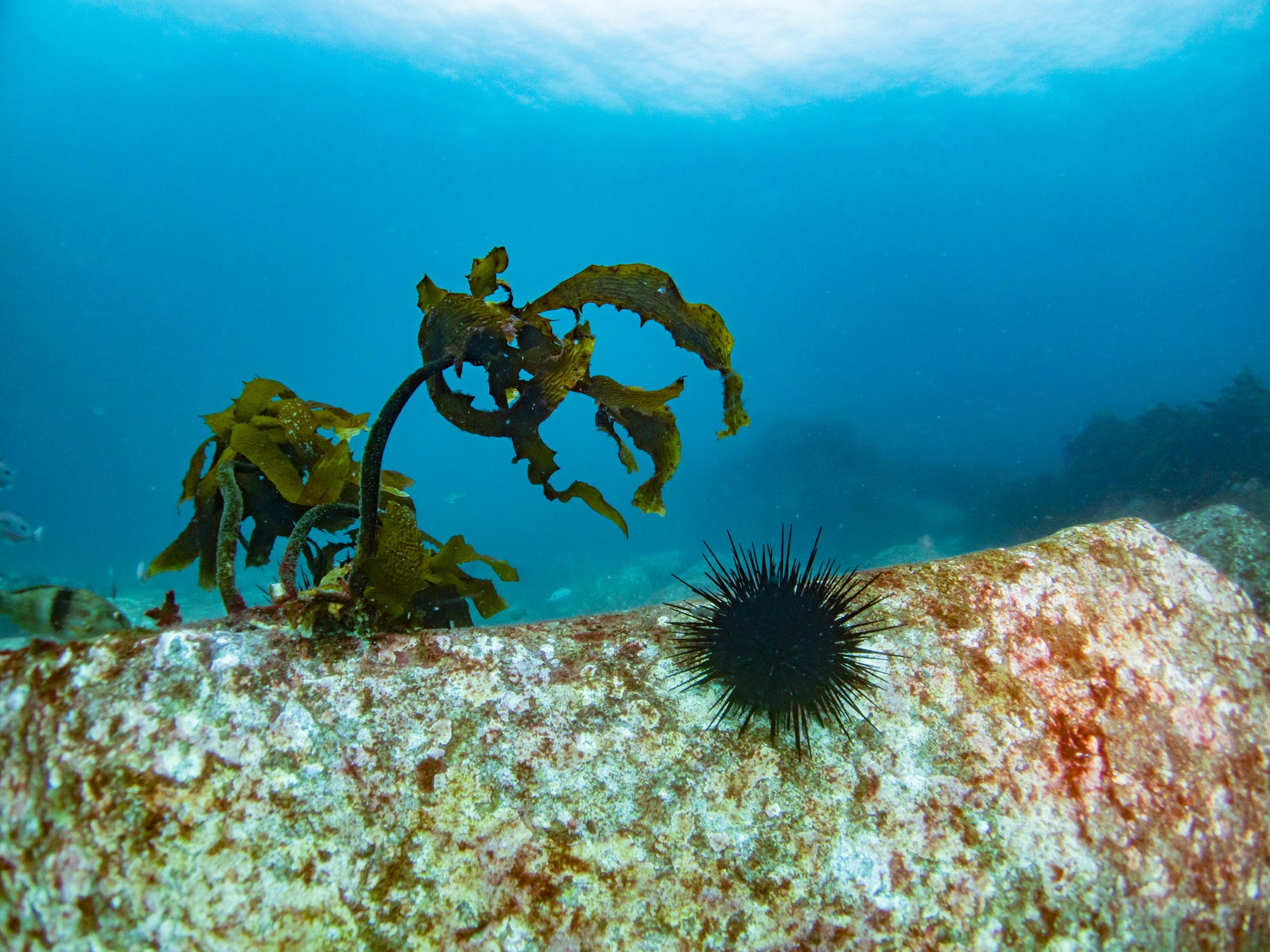
At high densities, sea urchins graze kelp forests down to bare rock, creating what scientists call ‘urchin barrens’, expanses where nothing else can survive, sometimes for decades.
"It's like clear-felling underwater. They can maintain that state, starving but alive, stopping anything from settling. Some people call them zombie urchins," Dr Cresswell said.
A key question for managers has been whether Tasmania's urchin population is self-sustaining, or whether it still depends on larval supply from the mainland. The modelling provides a clear answer: the Tasmanian population is now reproducing itself. As long as the waters stay warmer, it is here to stay.
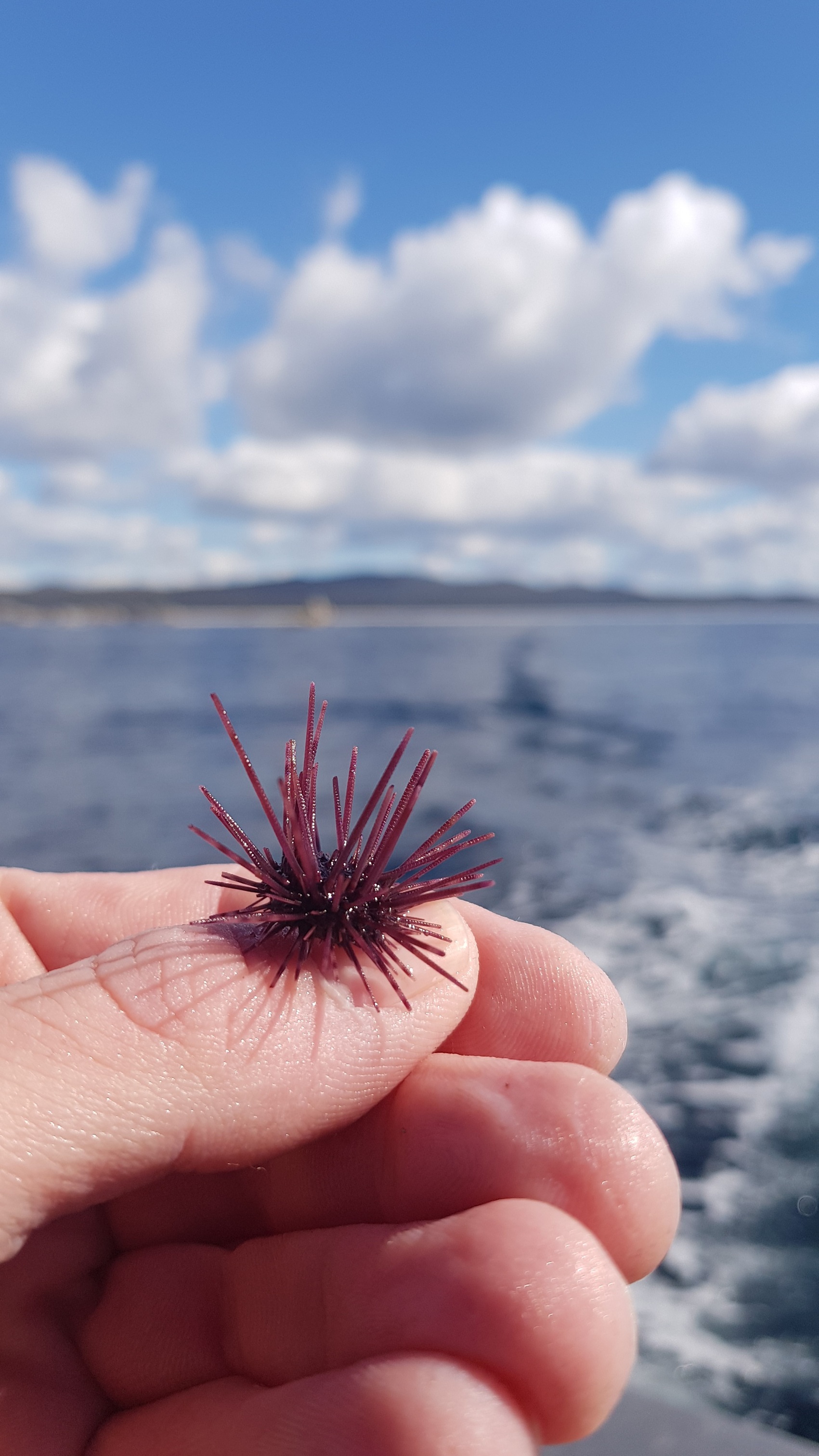
That finding concentrates the management focus sharply. Rather than just looking to interrupt supply from elsewhere, efforts must also target local density control, particularly in the south of Tasmania near the Tasman Peninsula.
Here, the model shows larvae spreading toward new areas in western Tasmania, threatening productive fishery areas for other species.
Keeping densities suppressed in south-east Tasmania offers the best chance of preventing further range extension into productive abalone habitat.
Tasmania's incentivised commercial urchin harvest has been doing important work in this space, with Dr Cresswell’s other work predicting that without the fishery, urchin densities would be double what they are today.
The science now gives managers and industry a clearer map of where to focus.
Managing across borders
Taken together, both findings point to the same conclusion: effective management of these species cannot happen in isolation. Larvae don't respect state boundaries, and neither should the decisions that govern them.
The research calls for stronger cross-jurisdictional coordination and communication across both species, not as a vague aspiration, but as a practical necessity grounded in evidence about where larvae originate and where they travel.
FRDC Project Manager Deepika Satchithananthan said the project delivers exactly the kind of foundation good management depends on.
"Understanding larval connectivity transforms how we think about fisheries management. This research gives decision-makers across multiple jurisdictions the scientific basis to act together, protect the regions that matter most, and get ahead of the challenges that climate change is bringing to our marine environments."
This article was originally published by the Australian Government's Fisheries Research and Development Corporation (FRDC)
Cover image: Juvenile lobster
Photo: Olivia Johnson