



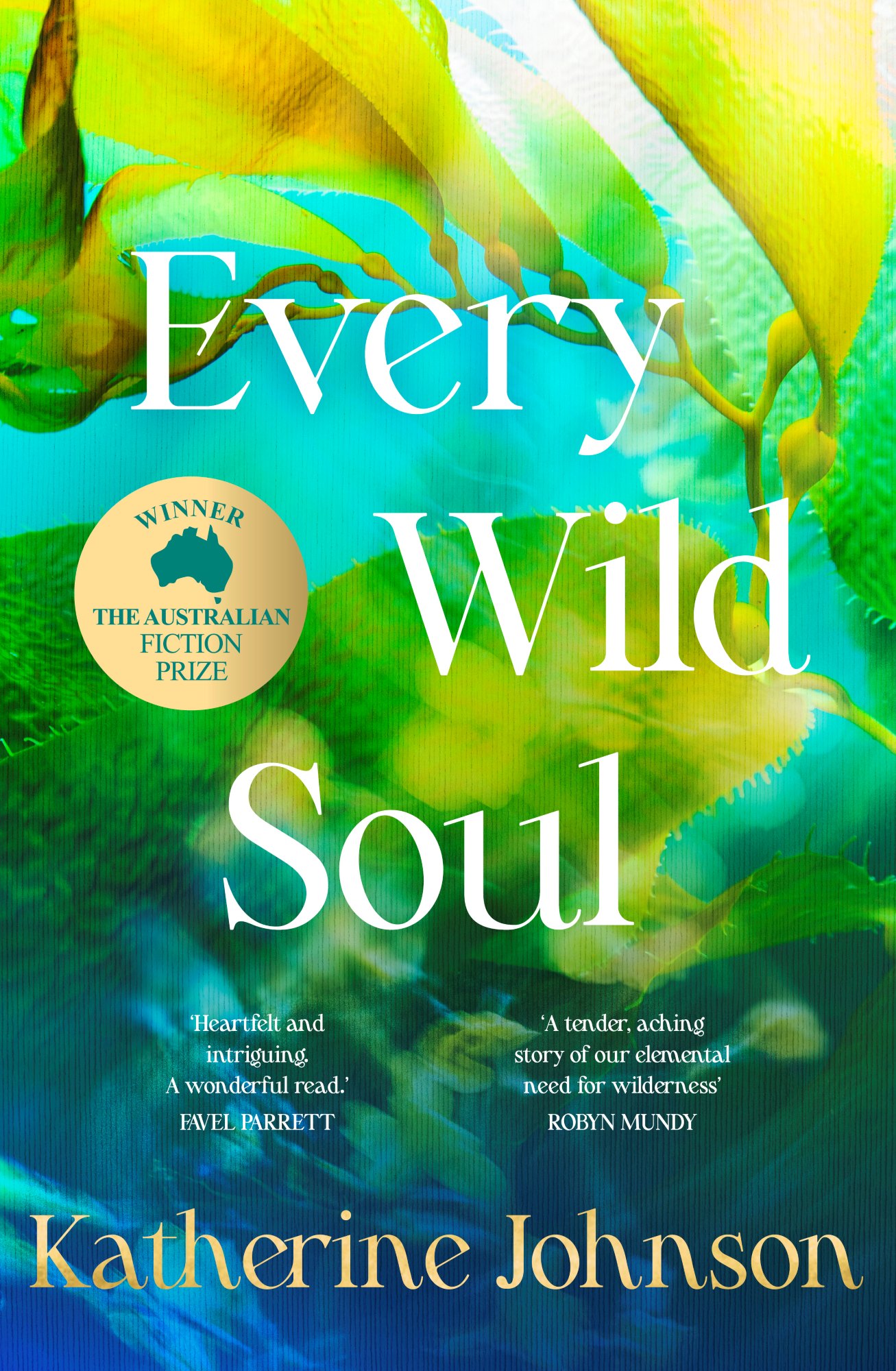
Giant kelp forests, thylacines and devils, a complex brew of Tasmanian history and relationships – they’re all helping to propel alumna and researcher Katherine Johnson to the top of Australian fiction writing.
It’s this sense of place – that place being Tasmania – that is consistently being highlighted in the inaugural winner of The Australian Fiction Prize’s novel Every Wild Soul.
“I adored the descriptions of remote Maria Island, which presents in the manuscript as a precious jewel,” wrote judge of the prize and literary at The Australian Caroline Overington.
Tasmania is evoked throughout, not least when a key character arrives on wild Maria Island from London seeking healing from her grief.
“I wanted readers to feel the relief that she feels when she dives into the pristine, if icy, seas for the first time,” Dr Johnson says.
“I wanted them to experience the incredible giant kelp forests that tower 30 metres from the seabed.”
With an undercurrent of Shakespeare’s The Tempest, Every Wild Soul is the story of a young woman, Min, who is under the control of an overbearing father. A young man washes ashore, and Min thinks he may be her ticket off the island, but he’s not quite who he seems. Then there's Lucie, an Australian journalist living in London who returns to research a Tasmanian devil conservation program but instead becomes enmeshed in the small island community's secrets.
“My daughter was Min’s age when I started writing this book five years ago,” Dr Johnson says. “Our family used to visit Maria Island every Easter – accompanying my husband on his university marine science field trips.
“I saw first-hand the awe of those students encountering the wonders of nature on this incredibly magical island – an ark for rare species.”
Dr Johnson completed a PhD in Creative Writing at the University of Tasmania in 2019 and Every Wild Soul is her fifth novel. She’d been shortlisted for awards before, winning some along the way, but taking out The Australian Fiction Prize in 2024 was a turning point in her career. Every Wild Soul is the manuscript that won that prize and was published this month by HarperCollins.
After growing up in Brisbane, Dr Johnson studied biology and journalism before moving to Tasmania in 1997 and combining the two as a communications manager at CSIRO. It was there, while covering a story about the pursuit of an illegal fishing boat, that she found the inspiration for her first novel, Pescador’s Wake, published in 2009.
“I really enjoy bringing interesting biological facts into my fiction,” she says. “I feel like it really enriches it and makes it more fascinating.
“But I don’t tend to wait for inspiration to strike. I just start writing and find the magic happens when you start writing; the connections fall into place through the process.”
She wrote her last novel, Paris Savages (Ventura Press), for her PhD and remains an Adjunct Researcher in the School of Humanities and Social Sciences.
“It was a wonderful way of working full-time on the novel and learning more about the craft of writing, while also having access to multidisciplinary teams, including historians,” she says.
“That community continues in my role as an Adjunct Researcher in Humanities and as a staff member at the University.”
Building a career as a writer in Australia remains difficult, Dr Johnson says, but a combination of persistence and support from awards like The Australian Fiction Prize can keep the words flowing.
“You need to keep plodding away, staying dedicated, maintaining your enthusiasm,” she says.
“It can take decades to become known and to build your craft. Then, when something like this happens – winning the prize – it’s a huge bonus.”
Every Wild Soul, by Katherine Johnson, published by HarperCollins, is out now.
To view more content similar to Dr Katherine Johnson’s video, join The Island Network today and be part of a community that values connection, contribution, and lifelong belonging.
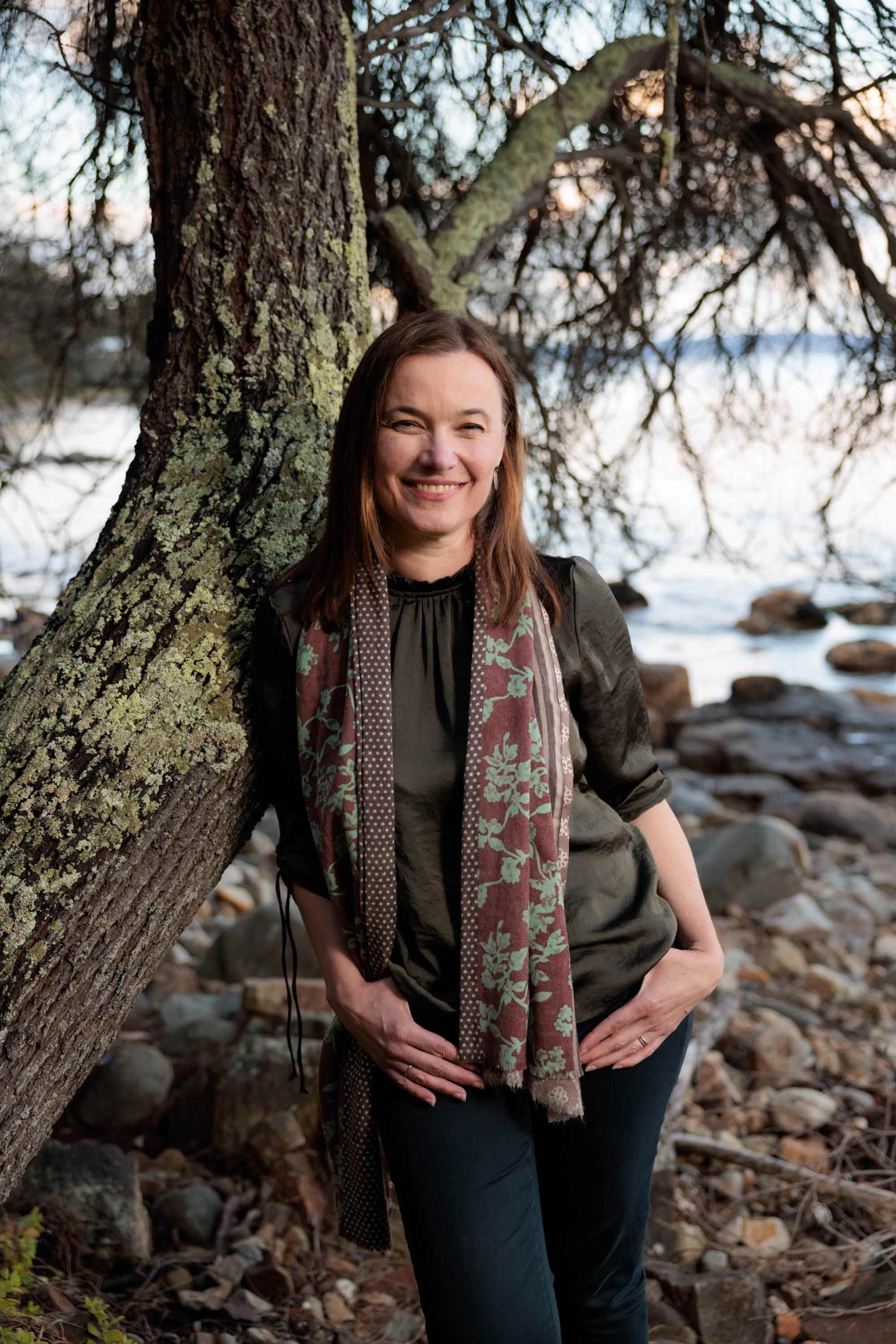
Image top right : Dr Katherine Johnson