

Three graduates of the University of Tasmania’s Diploma of Sustainable Living are transforming underused spaces in and around urban areas into mini forests, addressing global challenges through local action.
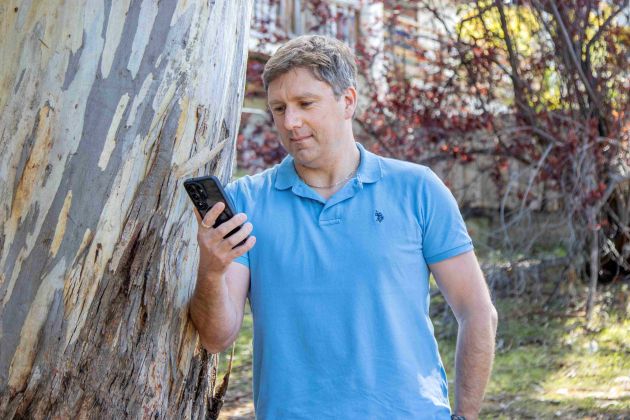
Organisation founder Anna Noon; Director, Communications and Community Engagement Katie Ryan; and Project Support Andrew Sheldon are key members of The Groundswell Collective, a Lake Macquarie based not-for-profit that has pioneered these tiny forests as a practical, scalable response to biodiversity loss, climate change and growing climate anxiety.
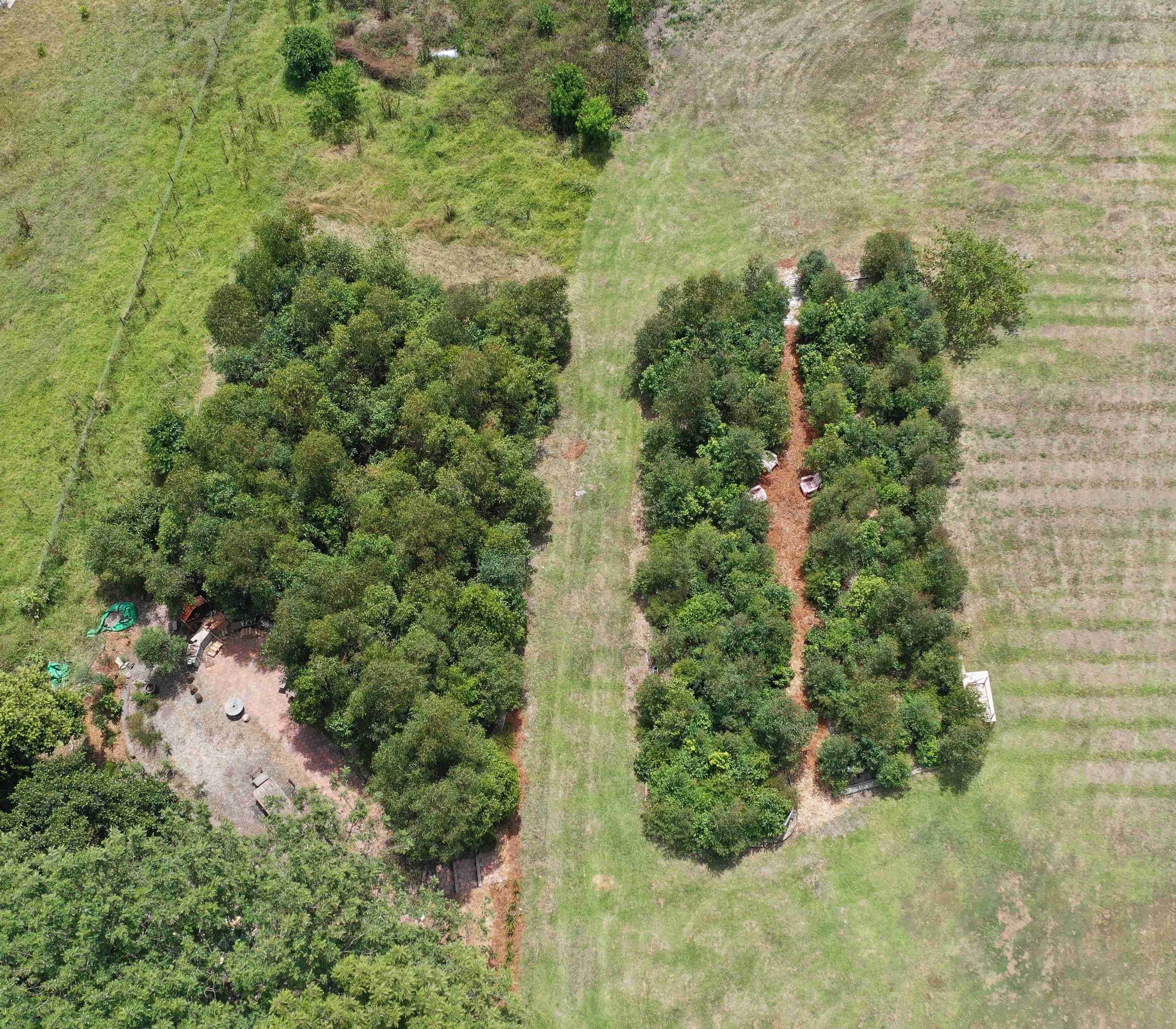
Since launching its first tiny forest in 2023, The Groundswell Collective has helped deliver more than 18 tiny forests across NSW and the Pacific, creating dense, fast-growing native ecosystems in underused urban and peri-urban spaces.
Each forest, roughly the size of a tennis court, is planted using the Miyawaki method, developed by Japanese botanist Akira Miyawaki. The innovative method – which involves soil enrichment and the dense planting of diverse native species from various forest layers (shrubs to trees) – sees forests grow up to ten times faster than conventional planting approaches.
For Anna Noon, the idea took shape after witnessing the devastating impacts of the 2019 Black Summer bushfires, alongside growing concern about population growth and land clearing in her home region of Lake Macquarie.
“I felt deeply concerned about large-scale land clearing for housing and the impact it was having on habitat loss and species extinction,” Anna says.
“The question became: how do we action the International Union for Conservation of Nature’s Sustainable Development Goals and turn global problems into something local people can physically do, together, to make a difference?”
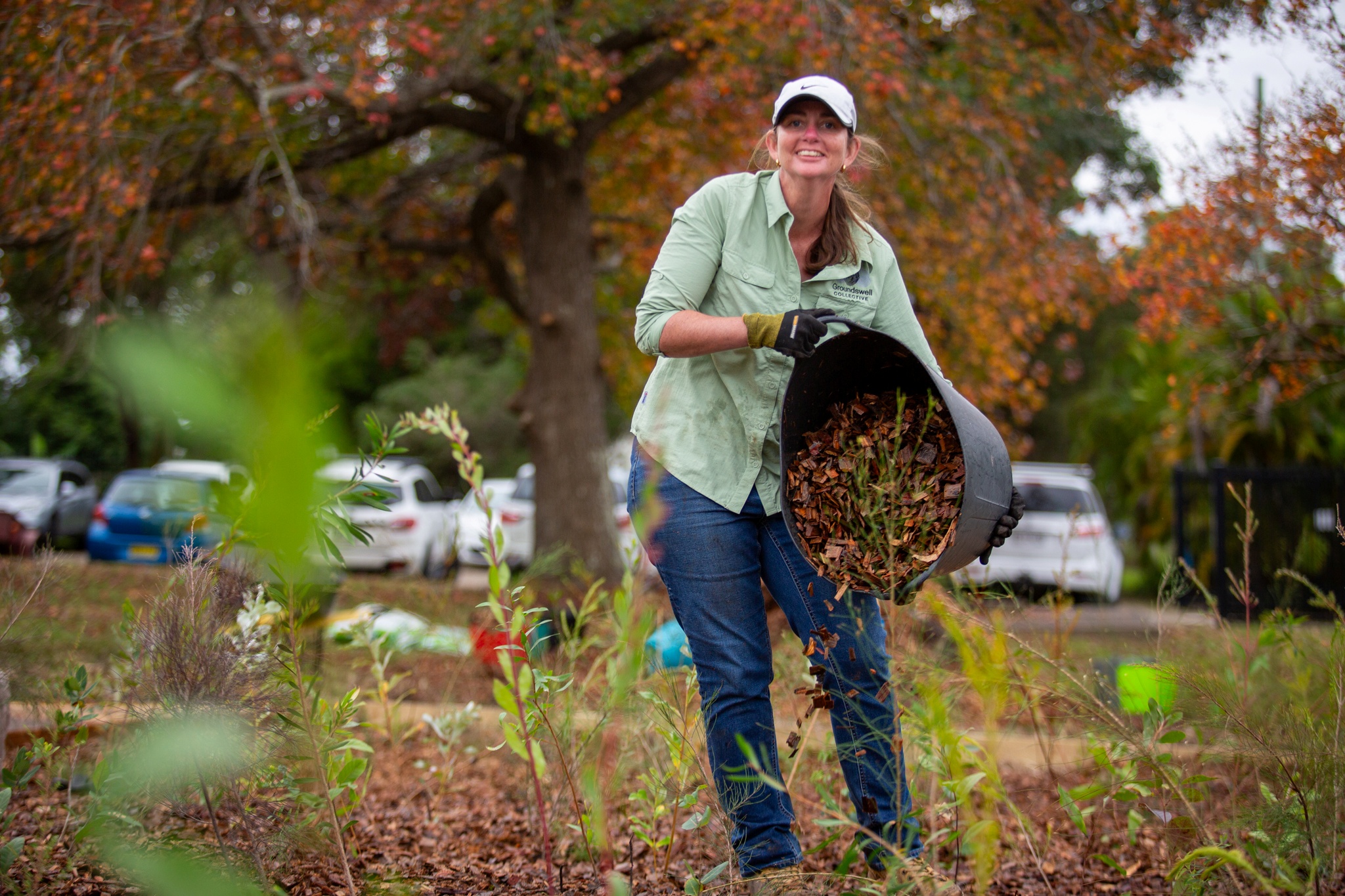
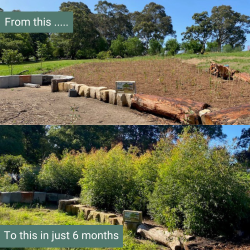
The result is a model that combines science, community action and education. Within just 12 months of planting, The Groundswell’s tiny forests have recorded measurable biodiversity and climate benefits, including cooler local temperatures, improved water infiltration and significant increases in pollinators, birds and ground-dwelling species.
Monitoring is delivered through citizen science as well as formal partnerships with the University of Newcastle, using tools such as eco-acoustic loggers, wildlife cameras and field surveys.
The Groundswell’s Director, Katie Ryan, says the University of Tasmania’s Diploma of Sustainable Living helped ground the organisation’s ambition in systems thinking and good governance.
“The course really emphasised that sustainability isn’t just ecological, it’s social, cultural and economic,” Katie says.
“That thinking is embedded in how The Groundswell operates, from community co-design to long-term stewardship.”
Andrew Sheldon, who supports projects and communications, credits the Diploma with building the skills needed to translate complex environmental outcomes into clear, engaging stories.
“People want to understand why this matters,” Andrew says.
“Our role is to make the science accessible and to show that collective action really does work.”

That message is clearly resonating. In 2025, The Groundswell Collective was awarded the NSW Banksia Award for Biodiversity, recognising the program’s rapid, evidence-backed ecological outcomes and strong community engagement.
The organisation has also gained international attention, with Anna invited to present at the UN G20 Miyawaki Symposium in Japan, contributing to the drafting of the Yokohama Declaration, a global call to action for tiny forests.
The group’s work has extended beyond Australia, with The Groundswell helping establish the first tiny forest in the Cook Islands, working alongside local communities to restore land and protect freshwater systems.
As The Groundswell Collective looks ahead to its goal of planting 50 Tiny Forests by 2030, the three UTAS graduates remain clear on what has made the initiative successful.
“It starts with education and the community,” Anna says.
“The Diploma of Sustainable Living didn’t just teach us about sustainability. It gave us the confidence to lead, collaborate and turn ideas into action.
“The Groundswell Collective stands as a strong example of how learning can translate into real-world impact, one tiny forest at a time.”
More on The Groundswell Collective.
First published in Alumni and Friends eNews.
This article featured in the monthly eNews Alumni and Friends. If you are a member of the University of Tasmania community and would like to receive this publication, please provide or update your email address.
Image top right: Cardiff Heights Tiny Forest