




TIA Biosecurity Bites
Serpentine Leafminer Detected in Tasmania: What Growers Need to Know
By TIA Biosecurity Engagement Lead, Mr Craig Elliott
Biosecurity Tasmania has confirmed the first ever detection of Serpentine Leafminer (SLM) (Liriomyza huidobrensis) in Tasmania, following a report from a commercial production site in North West Tasmania in June 2026.
SLM is declared Prohibited Matter under the Biosecurity Act 2019 and is regarded as one of the world's most significant vegetable pests. While the pest has been present on mainland Australia since 2020 and is now established in New South Wales, Queensland and Victoria, this is the first confirmed detection in Tasmania.
The source of the incursion is currently unknown, and investigations are underway to determine whether the pest is present beyond the affected property. Biosecurity Tasmania is working closely with the grower and has implemented property-specific biosecurity controls, while tracing and surveillance activities continue.
Why This Matters
Serpentine Leafminer can attack more than 200 plant species, including many of Tasmania's major vegetable, nursery and ornamental plants. Host crops include:
Vegetables
- Potatoes
- Beans and peas
- Brassicas (broccoli, cauliflower and cabbage)
- Lettuce
- Celery
- Tomatoes
- Cucumbers
- Zucchini and other cucurbits
Specialty crops
- Artichoke
- Spinach
- Beet
- Sunflower
Nursery and ornamental plants
- Chrysanthemum
- Gypsophila
- Ranunculus
A wide range of weed species can also act as hosts, enabling populations to persist between crop cycles.
High infestations can reduce photosynthetic capacity, slow plant growth and significantly impact yield and quality. In leafy vegetable crops, severe damage may render produce unmarketable. In extreme cases, repeated larval feeding can lead to extensive defoliation.
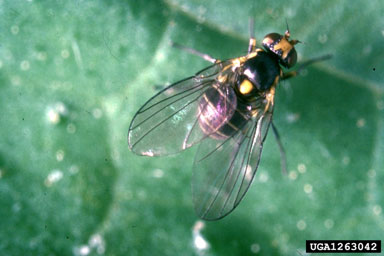
Photo: Central Science Laboratory, Harpenden , British Crown, Bugwood.org
What Does SLM Look Like?
Adult SLM are small flies, approximately 1–2 mm long, with distinctive black and yellow markings. Adults can be difficult to detect in the field, making crop symptoms the most reliable indicator during routine monitoring.
The most recognisable sign is the presence of winding, pale-coloured tunnels or "mines" within leaves. These are created by larvae feeding between the upper and lower leaf surfaces.
Be alert for:
- Heavy or widespread leafminer infestations in host crops
- Leafminer damage appearing in crops not typically affected in your area
- Extensive or rapidly increasing leaf mining on artichoke, celery, cucumber, sunflower and zucchini
- Characteristic squiggly white or pale tunnels within leaves
- Leafminer populations that appear poorly controlled despite chemical treatment
Why Identification Can Be Difficult
Diagnosing SLM in the field is not straightforward. Tasmania already has several established leafminer species, including beet leafminer, cabbage leafminer, cineraria leafminer and turnip leafminer.
These species can produce damage very similar to SLM. As a result, visual symptoms alone are generally insufficient for a definitive diagnosis. Confirmation typically requires rearing larvae through to adulthood, or laboratory-based molecular (DNA) testing
If you suspect SLM, reporting to Biosecurity Tasmania is critical to ensure accurate identification and an appropriate response.
How Does SLM Spread?
The primary pathway for long-distance spread is the movement of infested plant material, including:
- Seedlings and transplants
- Nursery stock
- Cut flowers
- Soil and growing media associated with plants
Adult flies are relatively weak fliers and usually move only short distances on their own. However, they can spread further through:
- Wind-assisted movement
- Machinery and equipment
- Vehicles
- Clothing and footwear
- High-risk farm inputs such as mulch and fill material
This highlights the importance of maintaining strong biosecurity practices both within and between properties.
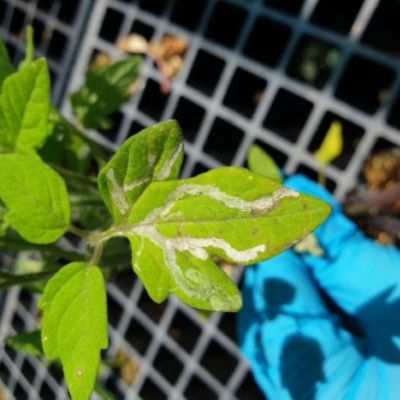
Photo: NSW DPIRD
The Importance of Early Reporting
This detection was the direct result of a grower noticing unusual leafminer activity and reporting it to Biosecurity Tasmania.
Initial diagnostics indicated SLM with a high level of confidence, and molecular testing confirmed the identification on 23 June 2026. That single report triggered Tasmania's biosecurity response.
It's a timely reminder that growers and agronomists are often the first line of defence against new pests. You know what is normal in your crops. If something looks unusual, don't ignore it - report it.
Remember: Arrive Clean. Stay Clean. Leave Clean.
Regular cleaning of vehicles, machinery, footwear and equipment can significantly reduce the risk of moving pests between production areas.
If You Suspect SLM, Act Immediately
If you observe symptoms consistent with SLM:
- Do not move plants, plant material or soil from the property.
- Restrict access to the affected area.
- Record the location of suspect plants.
- Take clear photographs of damage and any insects present.
- Contact Biosecurity Tasmania immediately.
Do not wait for additional symptoms to develop.
Five actions to take right now
1. Inspect your crops
Monitor known host crops for unusual leafminer activity. Pay particular attention to crop edges, windward areas, roadsides and locations where new planting material has recently been introduced.
2. Review incoming inputs
Inspect recently received seedlings, transplants, mulch and fill material for signs of pest activity. These materials can represent significant pathways for pest introduction.
3. Strengthen farm biosecurity
Maintain cleaning and hygiene protocols for equipment, vehicles and people moving between blocks, farms and production regions.
4. Report unexpected control failures
AUSVEG advises that reduced effectiveness of leafminer insecticide programs may be an indicator of SLM. The pest has demonstrated resistance to several insecticide groups used elsewhere in Australia.
If treatments are failing:
- Do not simply increase application frequency or rates.
- Seek advice from your agronomist.
- Contact Biosecurity Tasmania.
5. Support Integrated Pest Management (IPM)
Long-term management of SLM is most effective within an IPM framework.
Beneficial insects, particularly parasitoid wasps, play an important role in naturally suppressing leafminer populations. Where possible, avoid unnecessary broad-spectrum insecticide applications that may disrupt these beneficial populations.
Work with your agronomist to develop an IPM strategy suited to your production system.
Further Information
Report it — your vigilance matters
Biosecurity Tasmania
1300 368 550
biosecurity.tasmania@nre.tas.gov.au
nre.tas.gov.au/biosecurity-tasmania/report-it
Exotic Plant Pest Hotline
1800 084 881