



Christ College at the University of Tasmania marks its 180th anniversary in 2026, placing it among the most enduring institutions in Australian higher education.
The anniversary will be marked by an evening event at the college on 12 November, with alumni of the college invited to return to celebrate. Please save the date and register here.
Speakers will include the University of Tasmania Chancellor, Ms Alison Watkins AM, as past Christ College President, Willem de Witt as current Student Club President, and Dr Marcus (Marc) Duldig, Christ College Fellow and Christ College Foundation Founding President.
Alumnus Dr Marc Duldig (BSc Hons 1976, PhD 1981), who led the Christ College Foundation for its first 20 years before taking on the role of Senior Vice President, has had an association with Christ College since the mid 1970s as a resident, tutor, Council/Board member and Fellow .
“One thing stands firm,” he says. “From its inception, the College believed in the development of the whole person, not just academic learning, and that remains as true today as when I started in 1975.
“The historical three cooked meals a day and live-in tutors may have gone but the opportunities to learn about yourself and the diverse range of people living with you is still an invaluable addition to tertiary education not as readily available to other students.”
Founded in 1846 to train Anglican clergy and the “gentlemen of the colony”, the college now operates as a contemporary residential college within the University of Tasmania. “Christ”, as it is commonly known, offers a rare longitudinal view of how student accommodation can evolve in response to social change, institutional reform, and shifting student expectations.
Its journey from colonial seminary to diverse residential community is not just a story of survival; it is a story of reinvention.
Amanda Castray (BCom 2001, BCom Hons 2003), Pro Vice-Chancellor, Campus Life, says she looks forward to welcoming back college alumni to see how the college operates in 2026.
“A lot has changed since the early days, and we are excited to showcase to college alumni the vibrant community created by our student leaders and accommodation staff,” she said.
If you are part of our Christ College alumni community, you can register here to attend the celebratory event.
Do you have items from your time at Christ College that you may be willing to donate to the University’s cultural collection?
The University is interested in collecting objects and the stories associated with them, that are connections to people, places, and defining moments in the college’s history. Please email: Cultural.Collections@utas.edu.au
And if you can’t attend the event but would like to stay connected, please email alumni.office@utas.edu.au with your details.
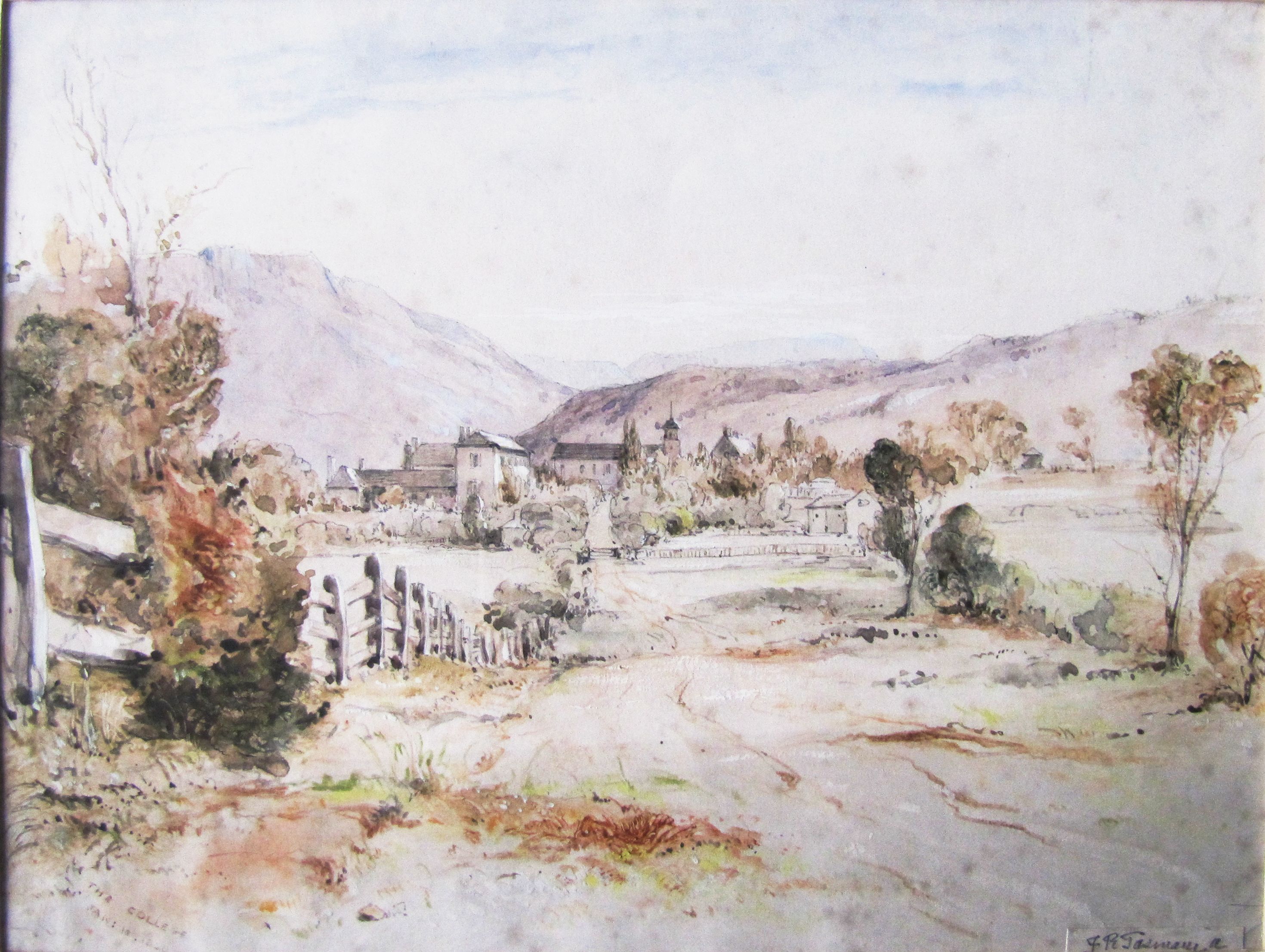
An article on the history of the college will appear in the Asia-Pacific Student Accommodation Associate Magazine. It was written by Jake Stalker, Dean of Students and Dan Elvin, Head of Accommodation Operations. The following is an abridged version.
Christ College was founded at Bishopsbourne in northern Tasmania and opened on 1 October 1846. The institution was conceived in the mould of Oxford and Cambridge, intended to provide the basis for university education in the colony while also preparing men for the priesthood. In this earliest form, Christ College was explicitly religious, male, and elite, an institution closely tied to the aspirations of both the Anglican Church and the colonial administration.
This first phase was short-lived. The remote location, the economic realities of the colony, and ongoing financial pressures combined to undermine the original vision, and Christ College closed in 1856, only ten years after opening.
When Christ College reopened in Hobart in 1879, it did so in a very different context. The institution moved first to Macquarie Street and then to the Hobart High School premises on the Domain in 1885, but it struggled to define its purpose.
The creation of the University of Tasmania in 1890–1892 fundamentally altered the educational landscape. Christ College’s lease at the Domain was not renewed, the University moved into the High School buildings, and the College closed again. Importantly, there had been a proposal to restructure Christ College as the colony’s new university, but this was defeated amid denominational sensitivities and concern about Anglican influence over public education.
The next reinvention came in 1911, when Christ College reopened as the matriculation section of the Hutchins School, with associated hostel accommodation for theological and other students. By this stage, the College was becoming something closer to what the accommodation sector would now recognise as a support environment for education: a place tied to academic transition, residence, and student development.
The Christ College Act of 1926 further reshaped its governance and assets, and by 1929 the College had moved into an enlarged site in Park Street. Following the Second World War, the Park Street site was extended to accommodate returned servicemen taking up supported university education.
In 1933, it was formally affiliated with the University of Tasmania as the University’s first residential college. This was arguably the defining transition in Christ College’s modern history: it ceased to be primarily a teaching institution and became a residential community connected to university life.
Long before the modern language of “belonging,” “transition,” and “student experience” became commonplace, Christ College was moving toward a model in which residence, community, and academic support were intertwined.
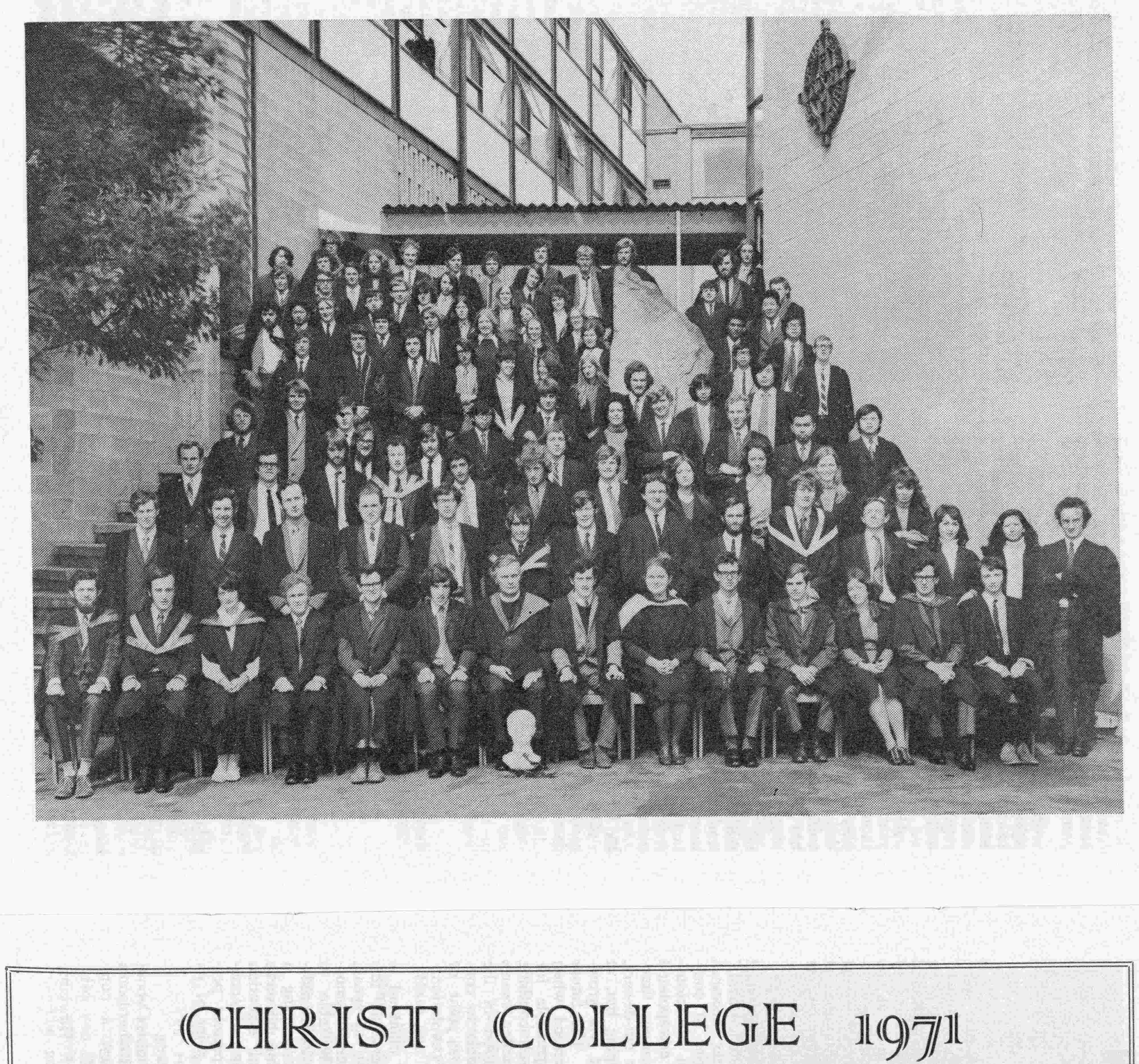
The move to Sandy Bay in 1962 , and co-residential status in 1971, further embedded Christ College within the University’s contemporary identity.
Architecture matters in the student accommodation sector because buildings communicate institutional priorities. At Christ College, the Sandy Bay environment signalled a move toward a modern residential experience: purpose-built, communal, and integrated into the life of the wider campus.
The later twentieth century brought further change. Christ College became co-educational, and in 1991 ownership and management passed from the Church of England to the University of Tasmania, while still preserving aspects of the institution’s Anglican heritage. By 2003, administration was being managed through University accommodation services, and in 2008 the College completed its first major refurbishment since the move to Sandy Bay.
In 2026, Christ College presents as a very different institution from the one established at Bishopsbourne in 1846. It is now the largest of the three Sandy Bay residential colleges, with around 201 single rooms and accommodation options that support both domestic and international students. The College offers furnished rooms, communal kitchens, shared amenities, Wi-Fi access, security-controlled buildings, proximity to key university facilities, and scholarship opportunities supported through the ongoing work of the Christ College Foundation.
A particularly important part of that contemporary story is the ongoing work of the Christ College Foundation. Led by alumni including Dr Marc Duldig, the Foundation helps keep former residents connected to the life of the College while also providing practical scholarship support for current students. In this way, the College’s history is not simply preserved in buildings, archives or anniversary milestones; it is carried forward through people. Former residents remain connected to the community, contribute to its future, and help ensure that today’s students can access the same sense of opportunity, belonging and support that has shaped Christ College across generations.
In the Tasmanian context, residential colleges now go far beyond providing a room and a bed. A core part of our work is welcoming and supporting an increasingly diverse cohort of students, including culturally diverse students, international students, regional students, and those who may be the first in their family to attend university. Meeting residents where they are means constantly reforming our practice to respond to the changing needs of students in 2026. Food insecurity, for example, has become a significant part of the accommodation landscape, and at Christ College this has required practical responses through food support, low-cost meals, and community-based programs that reduce both financial pressure and social isolation. Alongside this, the College has strengthened its focus on early connection and wellbeing.
In a world that can feel increasingly divided, there remains something deeply powerful about the university college model: people from very different backgrounds living alongside one another, sharing meals, stories, responsibilities and traditions, and finding a common thread in the simple act of being part of a community.
Celebrating 180 years therefore means more than marking longevity. It means recognising the capacity of a residential college to evolve across entirely different eras of higher education. Enduring colleges do not survive by standing still; they survive by finding new ways to remain meaningful.
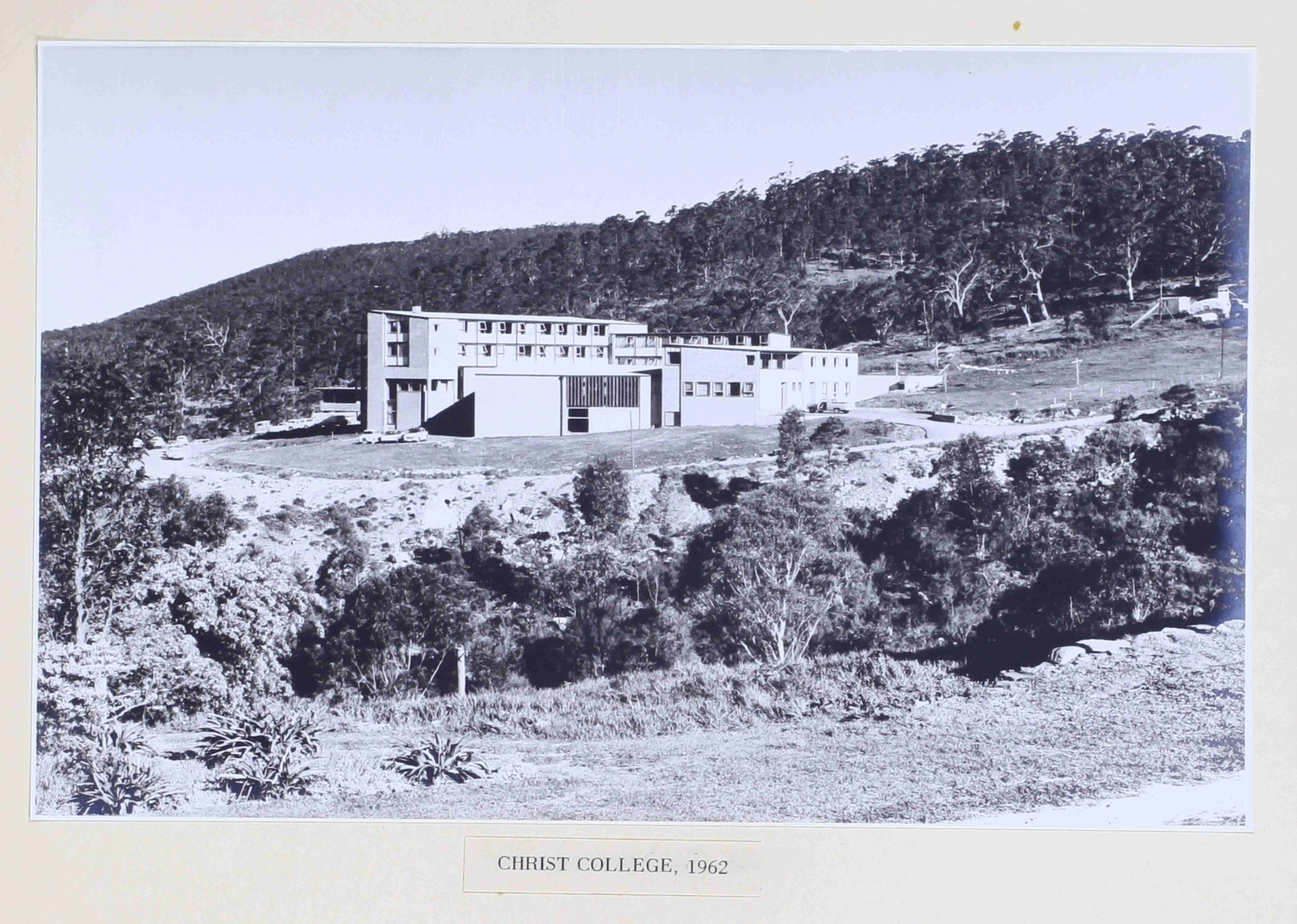
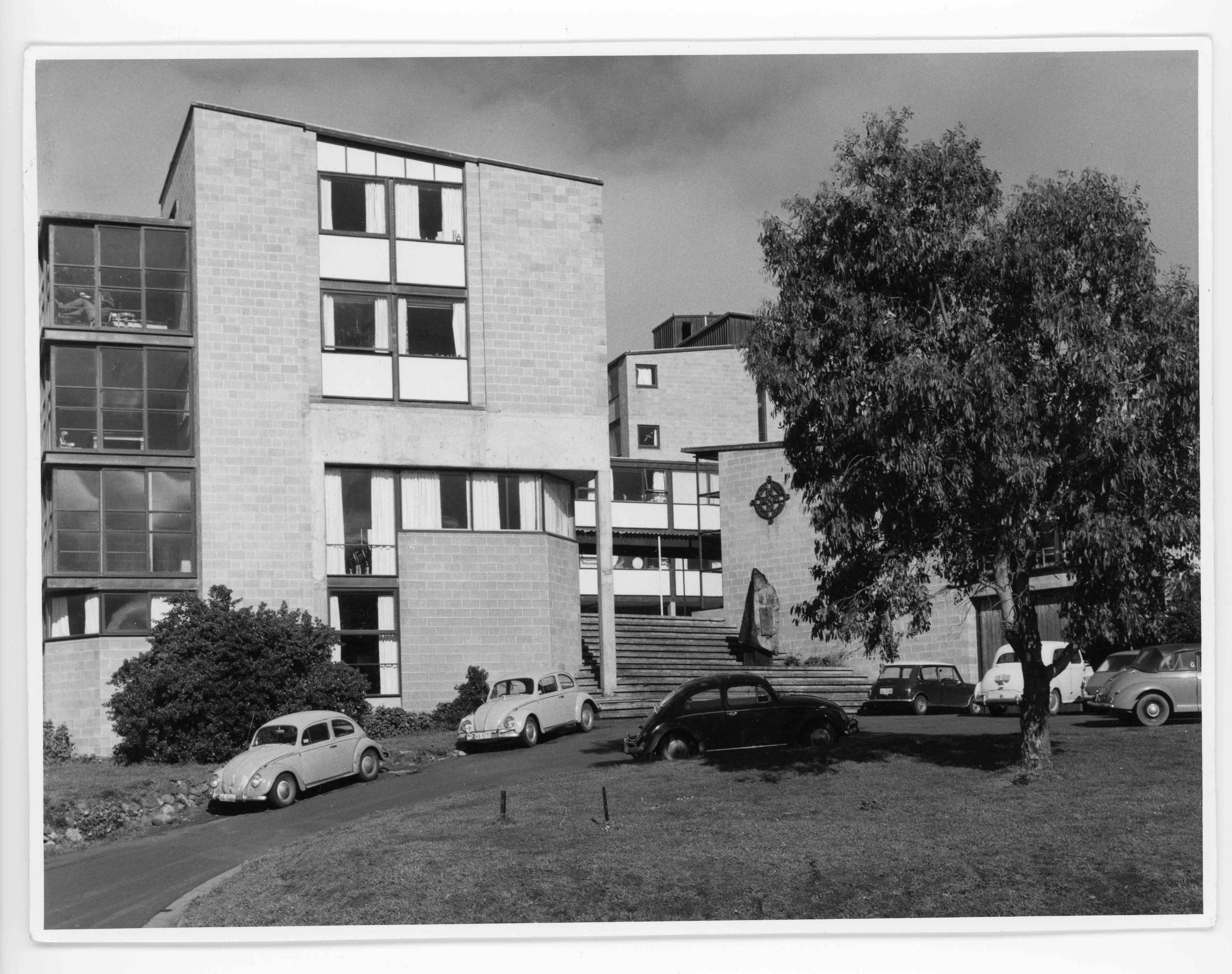
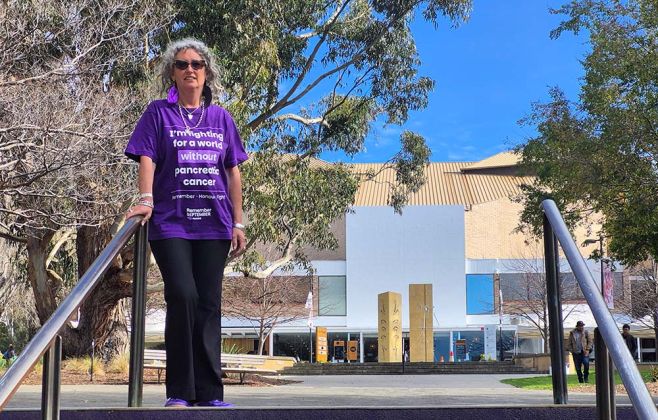
Image top right: Current Christ College students
This article featured in the monthly eNews Alumni and Friends. If you are a member of the University of Tasmania community and would like to receive this publication, please provide or update your email address.