

On 17 August, our second-year Bachelor of Engineering (Specialisation) with Honours students gained hands-on industry experience through a field trip to Hydro Tasmania sites, reinforcing classroom learning with real-world engineering applications.
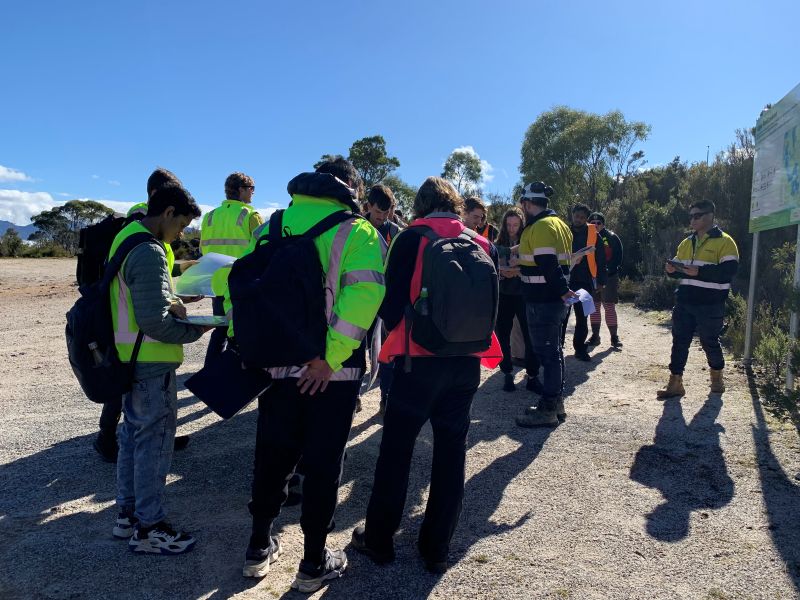
As part of the University's ongoing commitment to practice-based learning, Civil Engineering students visited Edgar Dam, while Mechanical and Electrical Engineering students travelled to Liapootah Power Station to explore Tasmania's renewable energy infrastructure firsthand.
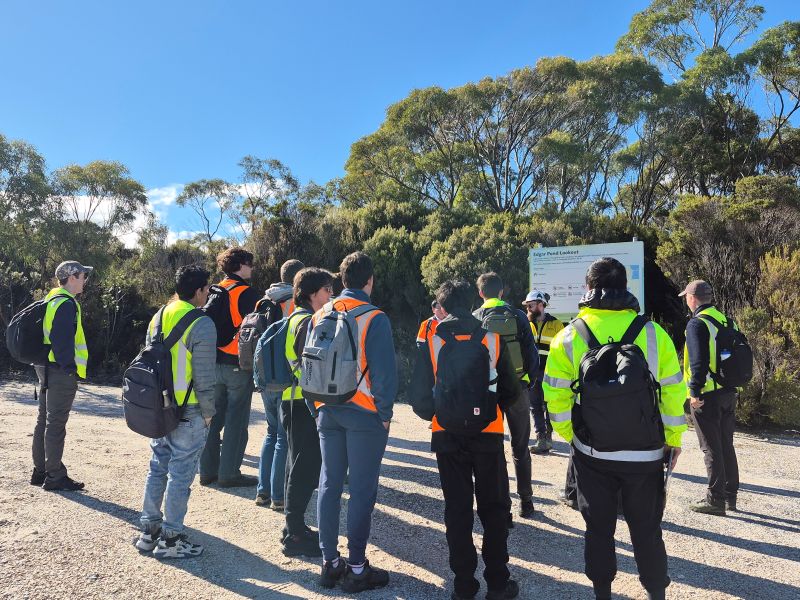
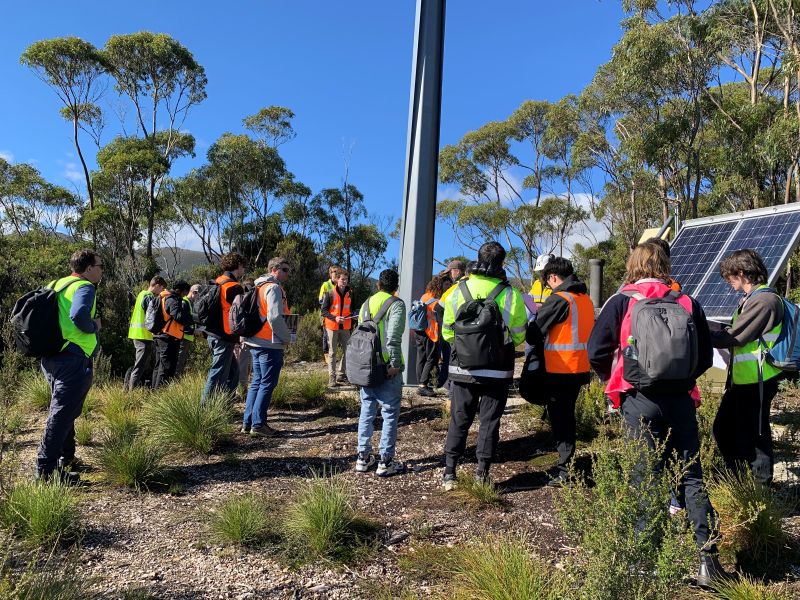
Guided by Hydro Tasmania engineers, including Daniel Jirik, students examined the Edgar Fault, visited remote dam monitoring stations, investigated rock and soil formations, and explored how engineers manage seepage, slope stability, weathering and geotechnical risk in critical infrastructure. The field experience allowed students to connect theoretical concepts from ENG206 with the practical challenges faced by engineers working in the field.
Students also learned about dam monitoring systems, construction materials, geological processes and the importance of ongoing maintenance and risk management in large-scale infrastructure projects. Throughout the day, Hydro Tasmania staff shared their expertise and answered students' questions, helping bring classroom concepts to life.
At Liapootah Power Station, Mechanical and Electrical Engineering students gained a rare behind-the-scenes look at one of Tasmania's key hydropower facilities, examining the systems and equipment that transform the state's natural resources into renewable electricity.
The visit was carefully designed to link directly to unit learning outcomes and assessment activities, ensuring students could engage actively with the site rather than simply observe it. Through a structured worksheet and guided discussions with Hydro Tasmania staff, students were encouraged to identify equipment, collect operational information and consider how engineering theory is applied in practice.
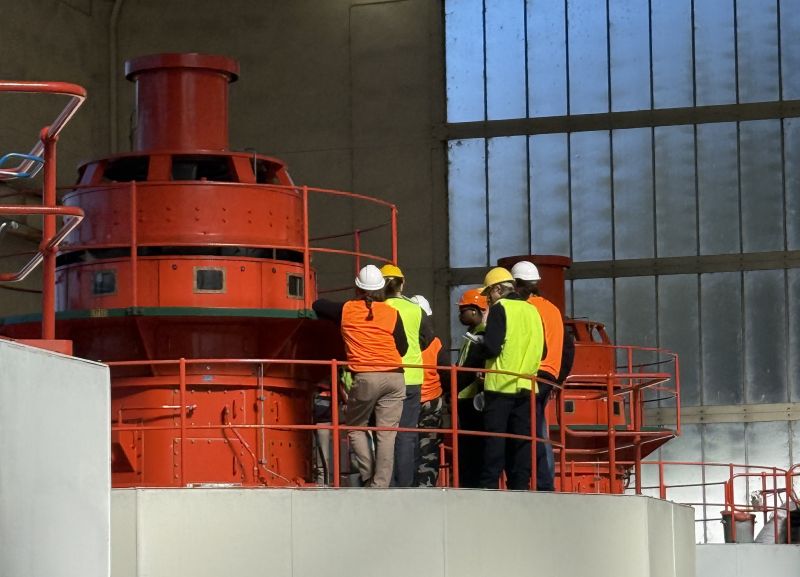
At Liapootah Power Station, Mechanical and Electrical Engineering students gained a rare behind-the-scenes look at one of Tasmania's key hydropower facilities, examining the systems and equipment that transform the state's natural resources into renewable electricity.
The visit was carefully designed to link directly to unit learning outcomes and assessment activities, ensuring students could engage actively with the site rather than simply observe it. Through a structured worksheet and guided discussions with Hydro Tasmania staff, students were encouraged to identify equipment, collect operational information and consider how engineering theory is applied in practice.
For Mechanical Engineering students, the visit provided valuable insights into the operation of hydropower generation systems and the engineering principles underpinning the stresses that turbine infrastructure is exposed to, along with corresponding fatigue life considerations. Students were able to examine Francis turbines in an operational environment and explore how the transfer of kinetic energy to mechanical energy induces stresses through the turbine shaft and supporting structures.
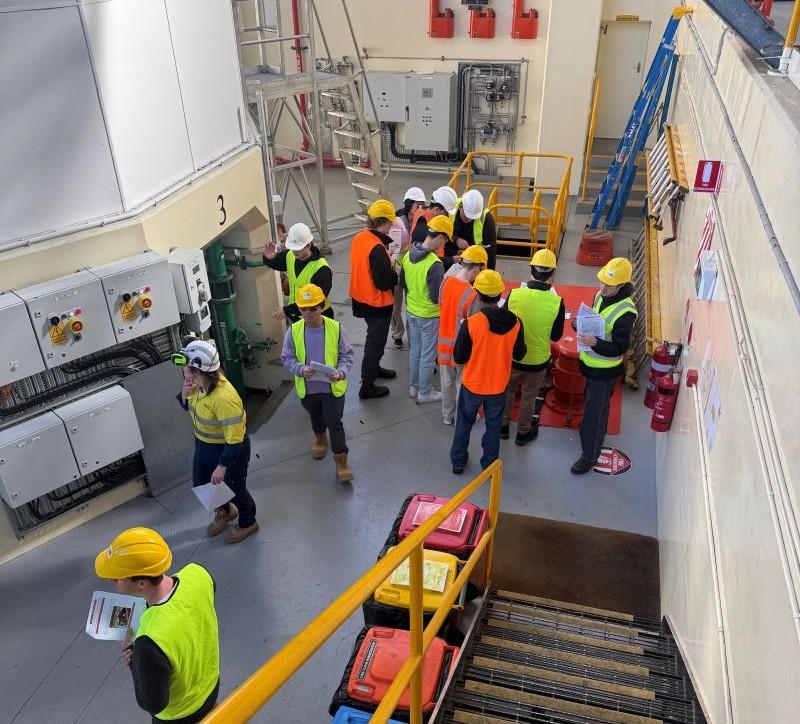
The trip helped students develop a broader understanding of hydropower engineering and appreciate the complexity of managing large-scale renewable energy assets. Concepts introduced in lectures could be observed in their real-world context, allowing students to connect theoretical analysis with actual engineering systems.
Working alongside Hydro Tasmania personnel provided an opportunity to learn about professional engineering practice and the challenges associated with operating and maintaining critical energy infrastructure.
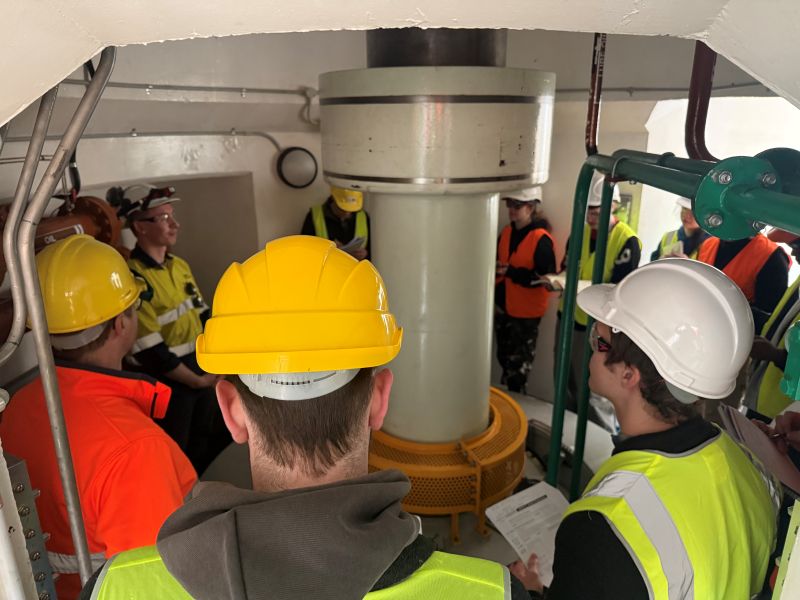
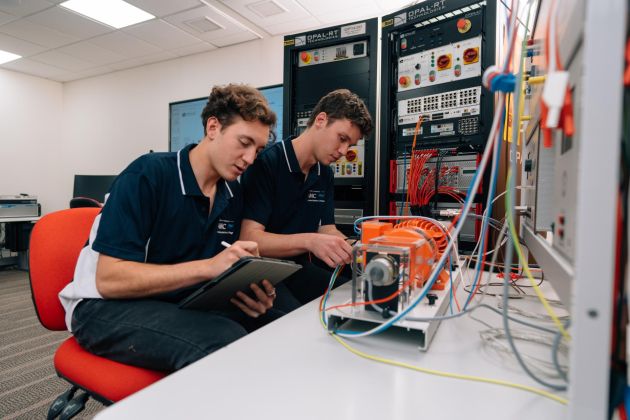
For Electrical Engineering students, the field trip transformed concepts from ENG214 into tangible engineering systems.
Rather than studying diagrams and specifications in isolation, students were able to follow the complete path of electricity generation through an operating power station. Beginning with the synchronous generators, students examined key components and discussed how electrical energy is produced before moving through auxiliary and main transformers and ultimately following the flow of power to the station's 220 kV switchyard.
Using information gathered on site, students interpreted equipment nameplates, analysed generator capability curves, identified star and delta connections, and explored the roles of critical control systems such as automatic voltage regulators (AVRs) and governors. These observations helped reinforce the theoretical concepts covered in class and demonstrated how different pieces of equipment work together as part of an integrated power system.
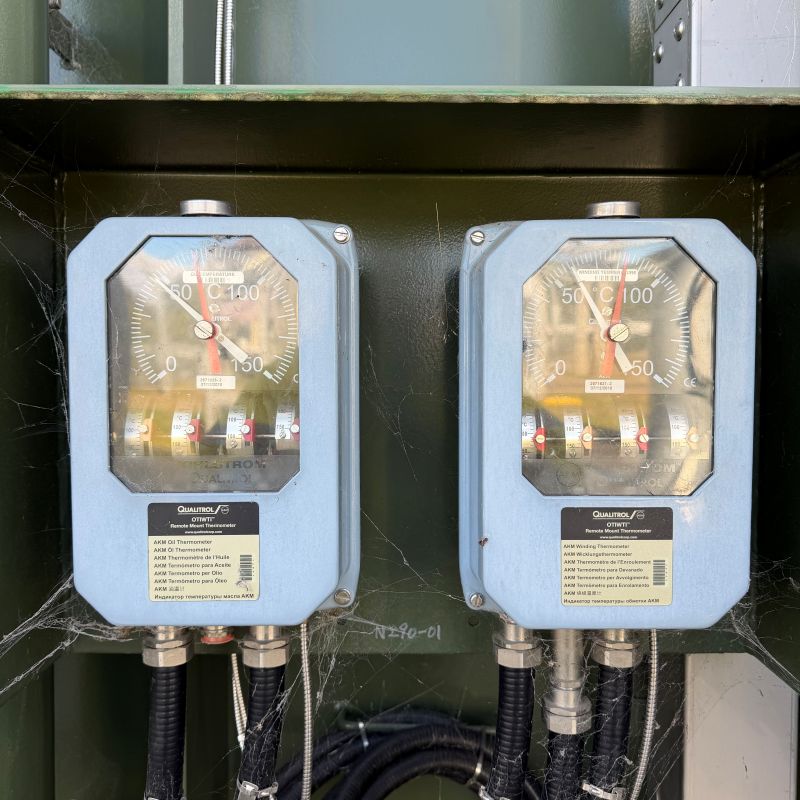
Using information gathered on site, students interpreted equipment nameplates, analysed generator capability curves, identified star and delta connections, and explored the roles of critical control systems such as automatic voltage regulators (AVRs) and governors. These observations helped reinforce the theoretical concepts covered in class and demonstrated how different pieces of equipment work together as part of an integrated power system.
Across both sites, collecting real operational data also proved highly valuable. Students used information gathered during the visit to complete calculations, develop diagrams, and undertake further analysis after returning to campus. This connection between classroom learning and operating power stations provided a much clearer understanding of how engineering principles are applied in industry.
Academic staff observed high levels of student engagement throughout the day, with many students taking the opportunity to ask detailed technical questions about equipment design, operation and performance. The visit offered valuable exposure to industrial-scale electrical infrastructure while demonstrating the importance of engineering knowledge in supporting Tasmania's renewable energy future.
A key factor in the field trip's success is the strong partnership between the University and Hydro Tasmania.
Staff from Hydro Tasmania were commended for their support and commitment to creating a positive learning experience across both sites. Their willingness to share expertise and provide access to industry facilities helped students gain valuable insights into professional engineering practice and Tasmania's renewable energy sector.
The field trips form part of a broader commitment to experiential learning within the engineering curriculum, giving students opportunities to apply their knowledge in authentic settings, engage with industry professionals and gain a deeper appreciation of the role engineers play in designing, maintaining and operating the infrastructure that supports modern society.
Thank you to Hydro Tasmania for the ongoing opportunities to support the development of our future engineering workforce.