


In a world of constant uncertainty, here’s something hopeful: young people still have hope.
They could do with a little help from their leaders, though, says Sociology student Genevieve Burley.
“It could be just creating a sense that people are looked after or people are safe, or allowing people to make lateral moves if something doesn't work out,” she says.
“So being more forgiving of failure, allowing more exploration.”
From housing to climate anxiety, young people are making their lives without the securities and predictability their parents and grandparents had.
Research shows their lives are characterised by growing work insecurity, casualisation, housing insecurity and time pressures.
The old securities of leaving school, getting a full-time job, buying a house, getting married and starting a family have been turned upside down.
This has all led Honours student Ms Burley to complete a study into how young people hope in these precarious times.
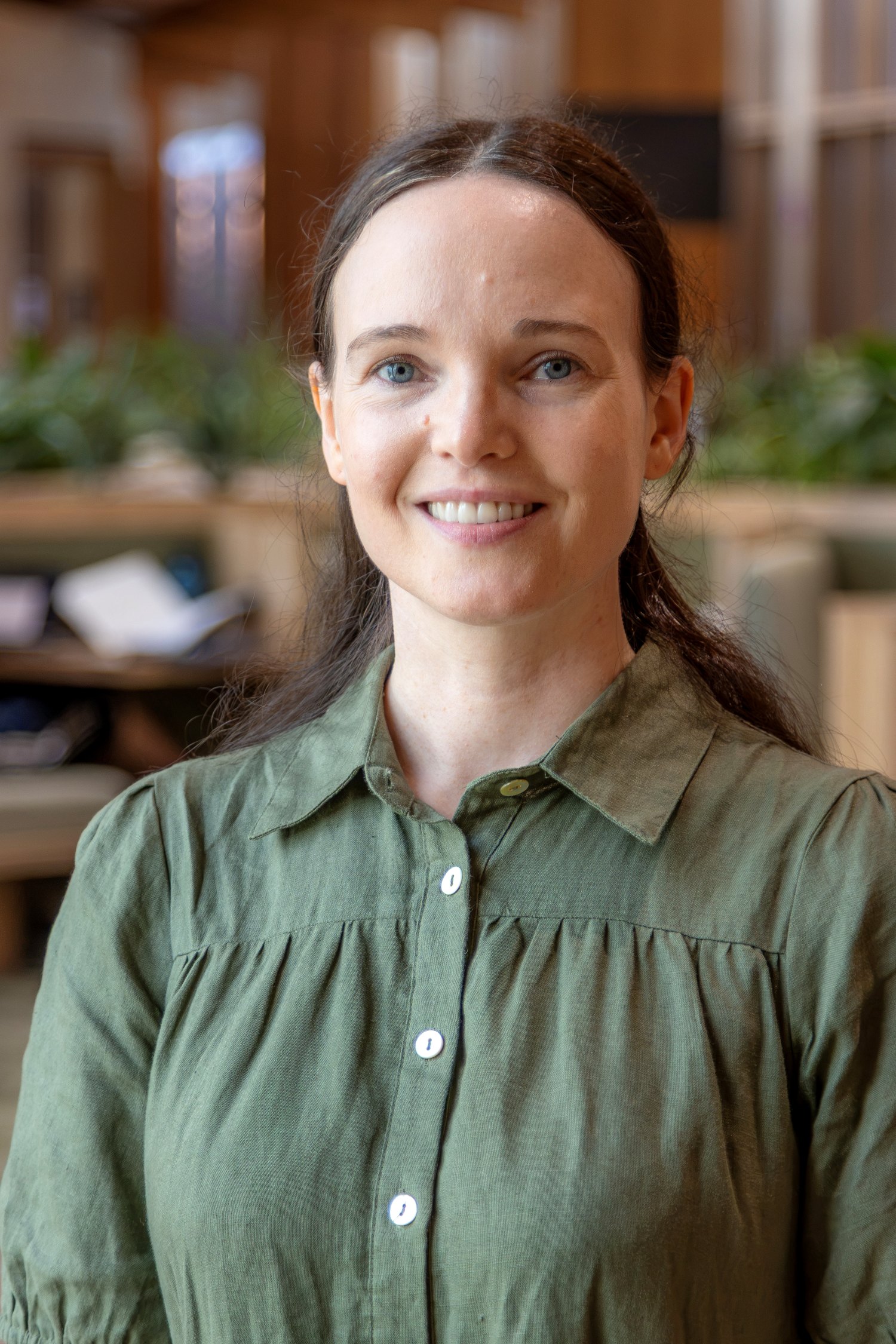
The good news is they still have it.
“And I would say a remarkable amount of it considering the circumstances,” Ms Burley says.
“It's not that they're naive, because sometimes there's a bit of a sense that young people have more hope because they haven't yet engaged with all the difficulties of life.
“That's not what I found at all. The people that I interviewed were very aware of the challenges they're facing, but they find ways to hope nonetheless.”
So how do they do it?
Ms Burley says young people are finding ways to hope which are less focused on traditional goals like owning a house.
“This might mean celebrating life for its sense of possibility, feeling connected to something bigger than themselves in nature, or even spending time with the people that they love,” she says.
“Sometimes the hope comes from even being aware of the complicated history that we have with political change.
“Often we focus on the failures and we're not quite thinking about the successes, the things that have changed.
“So sometimes hope is found in my participants from looking back over history and having a more nuanced, complex assessment of events to see that, yes, there are challenges, but there have also been incredible advancements as well.”
Ms Burley made a change and moved to Tasmania to study Sociology after stints as a corporate lawyer in London and Western Australia.
“Why not, really? It's so beautiful. I really love it here and I love this Honours program. I think the people are very friendly and accepting. It just seemed like a place that I might enjoy being for a while,” she says.
Sociology is about understanding how society works. The discipline is celebrating its 50th anniversary at the University of Tasmania in 2026 after what was a bold move – for the time – to create a department in the 1970s.
From the early years at Sandy Bay to our new locations in The Forest, Inveresk and West Park – the University’s sociologists have been documenting the impacts of social and economic change, giving a voice to those who are excluded and providing evidence that can help to shape a more inclusive, healthier, and happier Tasmania.
And in the process, also providing hope.
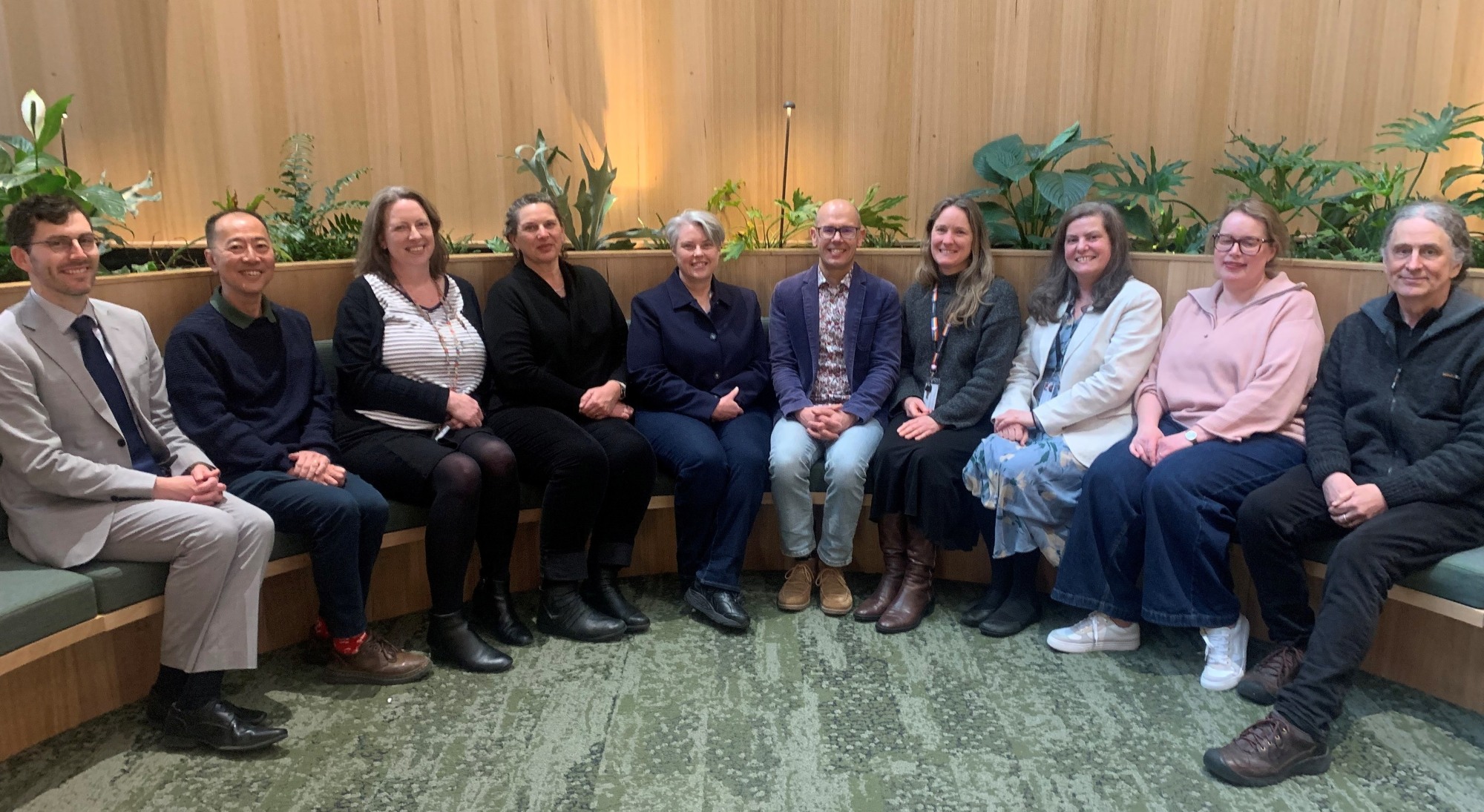
“Housing insecurity, cost-of-living pressures, homelessness, mental health concerns, social isolation and food insecurity all affect how people live their everyday lives,” Head of Program Professor Vaughan Higgins says.
“Addressing these issues requires more than technical expertise. It requires a deep understanding of how communities work, how education, the health system and the economy shape opportunities, and how social inequalities emerge and persist.
“This is what Sociology does and why it is important.”
Ms Burley, who is considering continuing her research with further study, agrees.
“It's incredibly important because a lot of our problems are socially produced,” she says.
“It's not so much that we don't understand what is happening, it's using that understanding to affect change.
“But also Sociology can be used to imagine and eventually implement something better. I'm not talking about like a blueprint for a society or a utopia, but doing things differently and taking them beyond what we already have done.
“A lot of the things that we're trying are just variations of the same and they're not really working so we're needing to do more. And Sociology can really help with that.”
If you want to understand more about social life, think critically about the world around you and consider different perspectives, you can study a Sociology major in the Bachelor of Arts. Learn more.