


Postgraduate psychology students from the University of Tasmania are gaining invaluable clinical experience through a collaborative outreach initiative supporting children and families across the North West Coast of Tasmania.
Postgraduate students from the School of Psychological Sciences are assisting with paediatric assessments for children preparing to enter kindergarten this year.
The assessments focus on the cognitive and neurodevelopmental needs of children under five, offering early identification of supports that may be essential to a successful start to school.
Students conduct assessments under both direct and indirect supervision and observe complex cases led by registered psychologists, ensuring families receive high‑quality services while students gain rich learning opportunities.
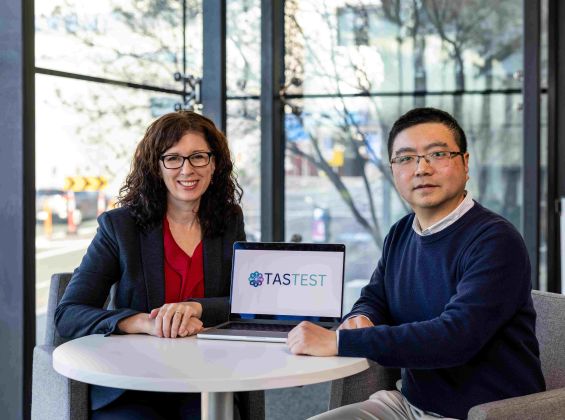
“This work builds on earlier developmental assessment clinics delivered on Tasmania’s west coast. Following that success, THS Northwest Psychology sought the University Psychology Clinic’s (UPC) partnership to deliver further outreach clinics, working alongside the Department for Education Children and Young People (DCYP) to ensure assessment outcomes meaningfully support children, families, and educators,” UPC Deputy Director Baxter Adams said.
“Over the past two years, the UPC has strengthened its engagement with rural Tasmanian communities through close collaboration with trusted community and health organisations.
“This partnership‑driven approach places provisionally registered postgraduate psychology students—undertaking their 5th and 6th year of training—onsite to respond to locally identified needs.
“Throughout the outreach, students also work directly with caregivers, providing psychoeducation, resources, and practical guidance tailored to each child’s unique circumstances.
“This initiative reflects the University’s commitment to responsive, community‑led collaboration—ensuring families can access timely assessment while preparing the next generation of psychologists to serve rural Tasmania.”
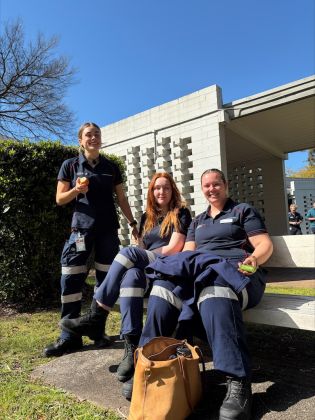
Postgraduate psychology students Alex Mullins and Nasya Brotherson said the experience was invaluable across a number of areas, including working in rural communities and alongside the state’s health service.
“The biggest benefit of being involved in these programs is being given the opportunity to implement the skills that we have developed in the classroom in ‘real world’ environments,” Alex said.
“Being able to step out of the classroom and work alongside our supervisors and THS was an incredible experience and gave us a great understanding of what our work might look like in the future.”
Nasya said working with children under the age of five was a great experience, assisting them and their families at such an important age.
“By doing this outreach, we were able to take away how important it is to provide accessible early psychological assessments and interventions to young children and their families,” Nasya said.