



Some of the world’s leading infectious disease ecologists will gather in Hobart this week for the first Ecology and Evolution of Infectious Diseases Asia-Pacific (EEID-AP) conference, hosted by the University of Tasmania.

Running from 26–28 August, EEID-AP 2026 will bring together more than 200 researchers, practitioners and policy stakeholders from across Australia, Asia and beyond to share new research and practical approaches to infectious disease ecology and evolution.
Leading infectious disease ecologists and emerging researchers will examine rapidly changing disease threats affecting wildlife, people, livestock and ecosystems.
Lead conference organiser Dr Nick Fountain-Jones, from the University of Tasmania’s Tasmanian School of Medicine, said infectious diseases could not be understood by looking at pathogens in isolation.
“Disease emerges from interactions between hosts, pathogens, environments and human activities,” Dr Fountain-Jones said.
“Whether we are talking about bird flu moving through wildlife populations, mosquito-borne viruses expanding into new areas, parasites spilling over from wildlife, or a transmissible cancer spreading through Tasmanian devils, the challenge is the same: understanding complex systems well enough to anticipate what they might do next.”
Conference co-chair Dr Jane Younger, from the Institute for Marine and Antarctic Studies, said the arrival of H5N1 avian influenza in Australia underscored the need for a One Health approach – which is the idea that the health of people, animals, and our shared environment are all deeply connected.
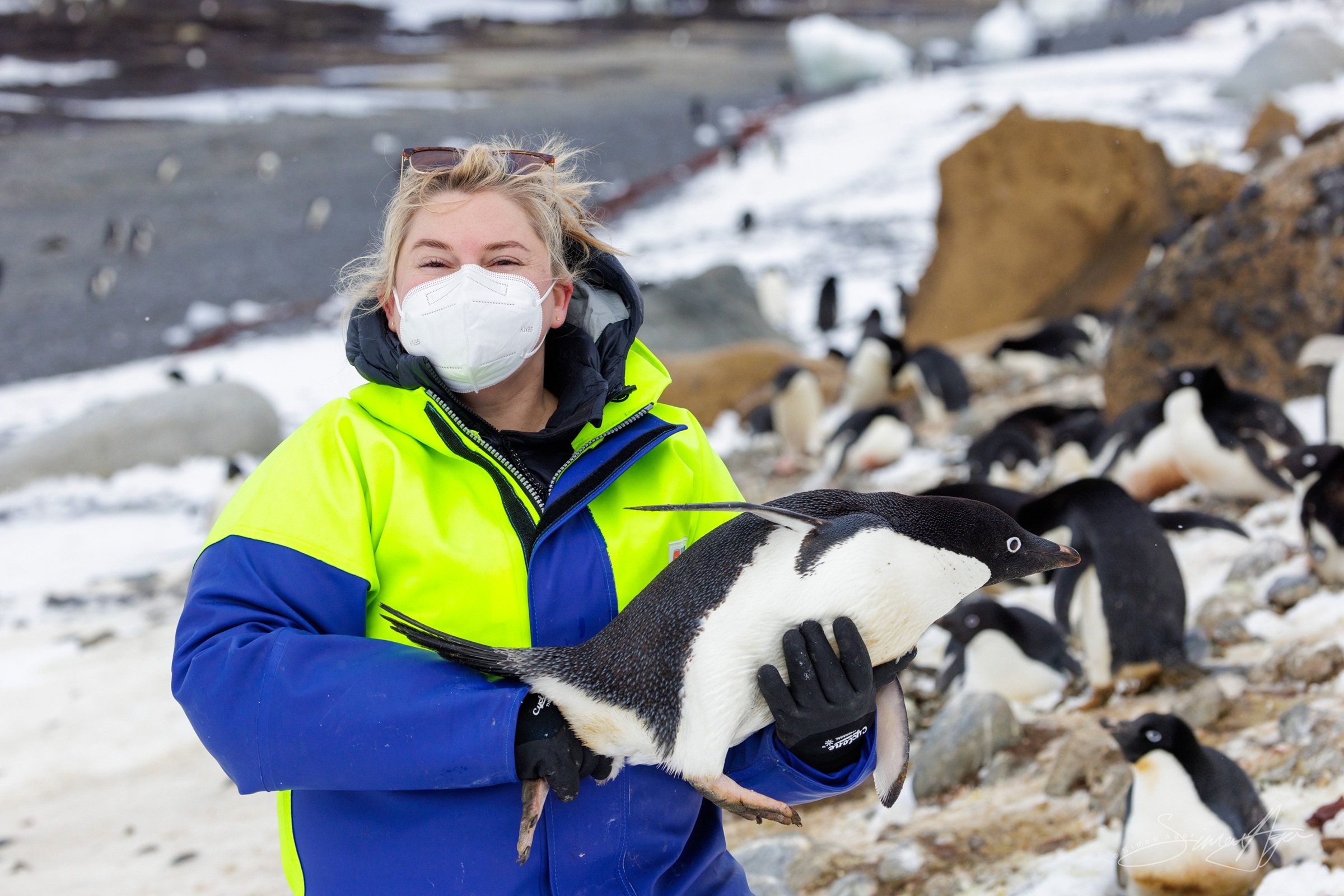
“Bird flu doesn’t respect borders between countries, species or ecosystems," Dr Younger said.
"We need to understand those connections if we want to predict where diseases will move next and reduce their impacts.”
Keynote speakers include Professor Peter Hudson from Penn State University and Professor Hamish McCallum from Griffith University, whose work has helped shape the way scientists use ecology, evolution and mathematics to understand how diseases emerge, spread and change. Keynote speakers also include Assistant Professor Amandine Gamble from Cornell University and Alison Peel from the University of Sydney who are both global leaders in understanding how viruses move between and among species.
During the three-day conference:
- Dr Rodrigo Hamede, from the University of Tasmania's School of Natural Sciences, and colleagues will present research on devil facial tumour disease, demonstrating how long-term studies have reshaped understanding of transmissible cancers and informed conservation strategies for Tasmanian devils and other wildlife facing emerging disease threats.
- Sessions will examine major disease challenges across the Asia Pacific region, including bat-borne viruses, mosquito-borne disease, avian influenza, koala chlamydia and chytrid fungus.
Dr Fountain-Jones said the conference would help build the next generation of infectious disease experts in the Asia-Pacific, with higher degree research students and early-career scientists presenting alongside international leaders.
Cover image: Dr Rodrigo Hamede with a Tasmanian Devil