


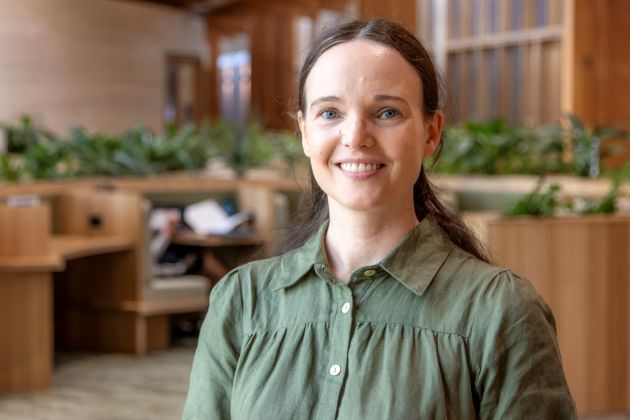

Kenya-based Master of Pharmaceutical Science graduate Krupali Shah is making an impact on the global stage, with partners including the Gates Foundation Africa.
As Technical Director at Revital Healthcare she is committed to strengthening health systems in Africa through African-led solutions. This includes rapid diagnostic test solutions – quick tests for early detection of infectious diseases, such as malaria, as well as non-communicable diseases – to improve health outcomes. Revital is community driven, training local talent and employing 80 per cent women.
“Innovation is only meaningful if it translates into real-life impact,” Krupali says.
Here we ask Krupali about her career so far.
What have been some of your career highlights?
One of the defining highlights of my career has been contributing to the growth of local healthcare manufacturing in Africa through my role as Technical Director at Revital Healthcare in Kenya. Over the past few years, I have had the opportunity to lead and support the development and manufacture of a range of medical technologies, including rapid diagnostic tests and the Vayu bubble CPAP device. The Vayu bCPAP System is the world's first innovative, low-cost respiratory support device to function without electricity, designed specifically for low-resource settings to treat newborns suffering from respiratory distress. Manufactured by Revital Healthcare in Kenya for global access, the device is currently used in more than 40 countries and has helped save over 200,000 infants worldwide.It has now been deployed in more than 40 countries and has helped save over 200,000 infants worldwide. Contributing to the successful translation of this innovation into large-scale manufacturing and global access has been incredibly rewarding.
I am also proud to have been involved in projects supported by leading global health organisations, including the Gates Foundation, Unitaid, PATH, USAID, and Africa CDC. These collaborations have focused on strengthening local manufacturing capacity, improving access to essential health technologies, and reducing dependence on imported medical products across the continent.
A particularly meaningful milestone was recently having this work recognized and featured by Mark Suzman (CEO), Gates Foundation, providing an opportunity to discuss the importance of African-led innovation and manufacturing in advancing global health outcomes.
Earlier in my career, I was fortunate to contribute to scientific research that resulted in two peer-reviewed publications, spanning pharmaceutical sciences and vision research. Looking back, I consider the ability to bridge scientific research, product development, manufacturing, and public health impact to be one of the most rewarding aspects of my professional journey.
What excites you and gets you out of bed each morning about your work?
What motivates me most is knowing that the work we do ultimately improves and saves lives. Whether it is a diagnostic test that helps identify disease earlier, a syringe used in a vaccination campaign, or a neonatal device helping a premature baby breathe, there is a tangible human impact behind every product.
What excites me most is building bridges between innovation and access. Great technologies only achieve their potential when they reach the people who need them most, and I find immense satisfaction in helping transform ideas and prototypes into scalable products that can improve lives across Africa and beyond.
Every day presents an opportunity to solve new challenges, build partnerships, and create solutions that strengthen healthcare systems for future generations.
Are there anecdotes that you would like to share about seeing the impact of your work in practice?
One of the most memorable experiences has been seeing the impact of the Vayu bubble CPAP device, seeing a newborn baby breathe and survive on this device. While working on its manufacturing in Kenya, it was easy to become focused on technical details and production milestones. However, seeing it live and hearing stories from healthcare workers who were able to save premature infants using the device brought the true significance of the work into perspective.
I also remember the urgency of the COVID-19 pandemic, when local manufacturing became critically important. Leading the team that established local production of Viral Transport Media and Rapid Diagnostic Tests demonstrated how quickly innovation and manufacturing can respond during a public health emergency.
Those experiences reinforced my belief that strengthening regional manufacturing capacity is not only an economic opportunity but also a public health necessity.
Do you have some recollections from your time at the University, and in Tasmania, that you carry with you today?
My time at the University of Tasmania was a truly formative experience. Coming from Kenya and studying in Hobart exposed me to a diverse international research environment and allowed me to work alongside talented scientists from different backgrounds. The University's strong emphasis on scientific rigor, critical thinking, and research excellence has remained with me throughout my career.
I particularly value the experience of conducting translational research during my Master's project, where I investigated novel compounds for diabetic retinopathy. It provided an invaluable opportunity to work within a world-class research environment, where expert mentorship and a collaborative environment cultivated a deep appreciation for rigorous, impactful research.
Beyond academics, Tasmania's welcoming community, natural beauty, and collaborative culture left a lasting impression on me. The friendships, mentorship, and lessons from that period continue to influence both my professional and personal life today.
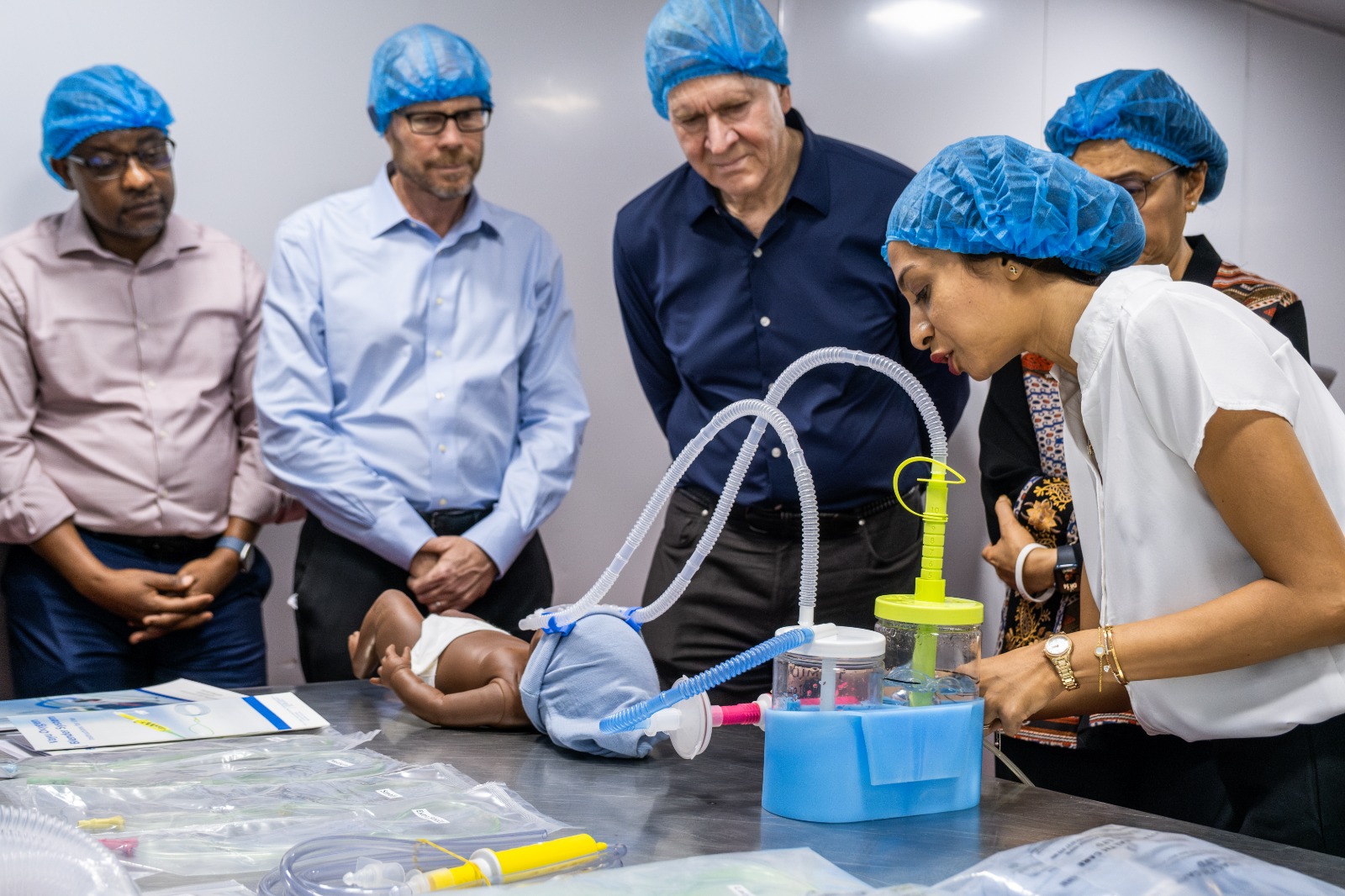
Image top right: Krupali Shah
This article featured in the monthly eNews Alumni and Friends. If you are a member of the University of Tasmania community and would like to receive this publication, please provide or update your email address.