

As the climate changes and marine heatwaves increase, Australian coral reefs are experiencing high levels of bleaching and mortality.
But what happens to local coastal communities and marine-based businesses that depend on these reef ecosystems?
Researchers from the University of Tasmania’s Institute for Marine and Antarctic Studies (IMAS), are joining the WA Reef Regen Program, led by the Western Australian Marine Science Institution (WAMSI) alongside local communities, Traditional Owners and industry to support recovery, regeneration and adaption in Western Australia.
Associate Professor Emily Ogier, a marine social scientist and human dimensions program leader at IMAS, is part of a project looking at community dimensions of coral reef regeneration at Nyinggulu (Ningaloo).
“We aim to enhance the Healing Sea Country – Nyinggulu Coral Larval Enhancement Trial with supporting social research on community interests, impacts and engagement with coral reef regeneration,” Associate Professor Ogier said.
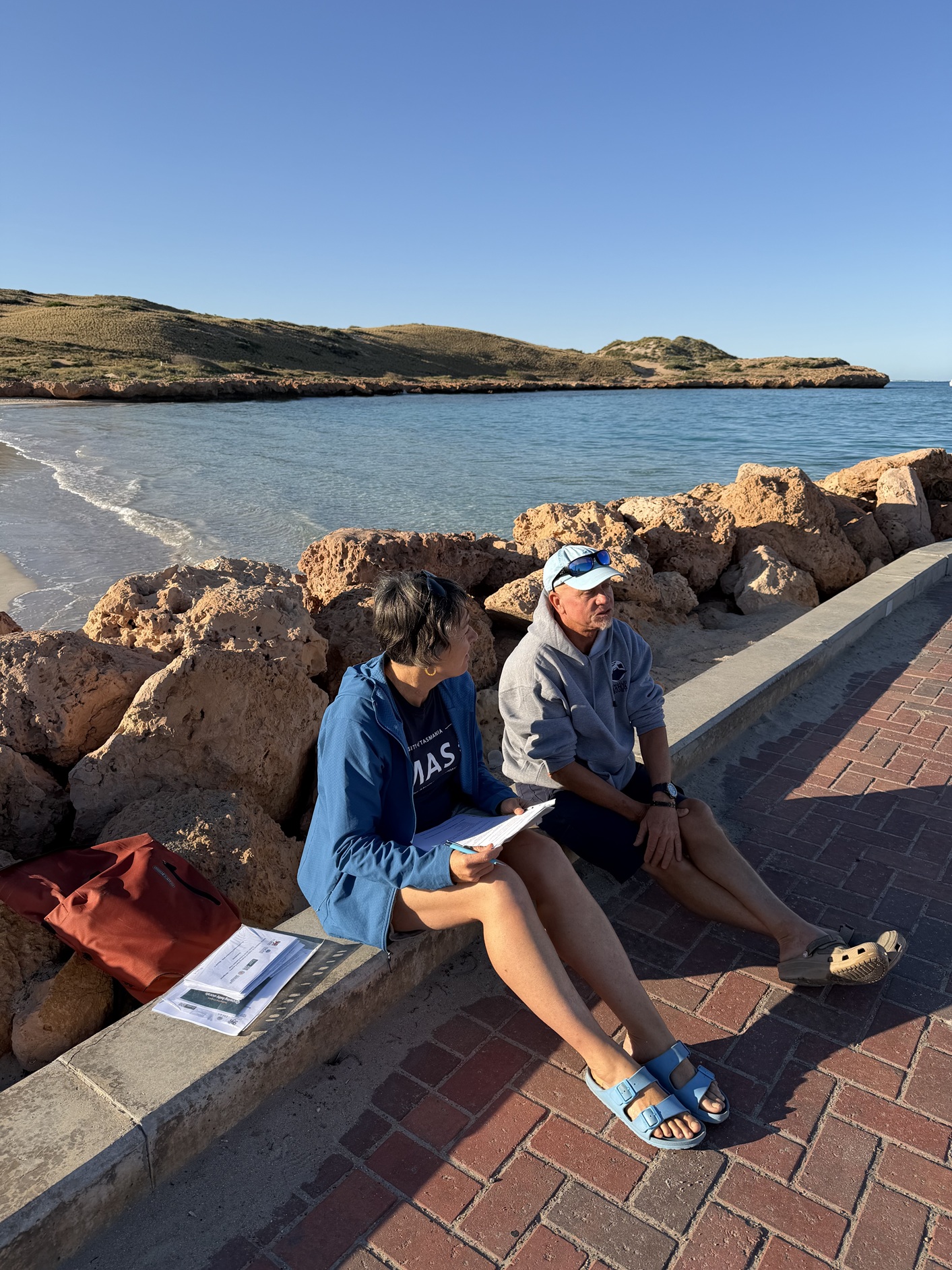
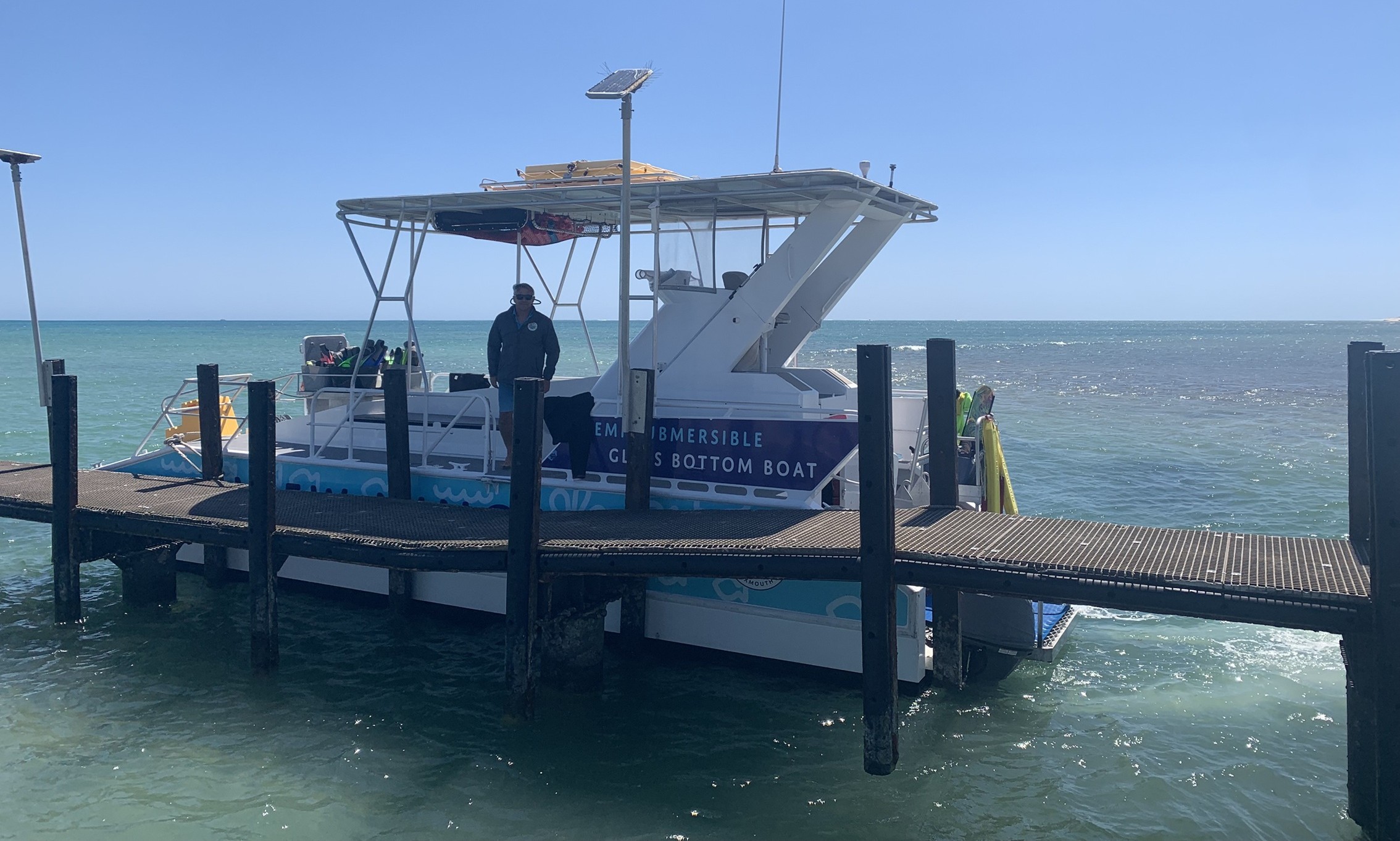
“We recently spent time in Exmouth and Coral Bay interviewing community leaders and spoke about pilot projects and plans for coral reef regeneration, and how a program could regenerate natural and cultural values of the reef and also generate co-benefits for local communities," she said.
“Tour operators, local fishers, business leaders, and local conservation groups shared with us their experiences of despair at the recent extent of coral bleaching associated with the 2024 to 2025 marine heatwave and the impacts it has had on businesses, local divers and residents.”
Australia is home to the largest national extent of coral reef area in the world.
These reefs are valued by millions of Australians for tourism, fisheries, culture, and coastal livelihoods.
“The Exmouth and Coral Bay communities are watching for signs of recovery and sharing news when they see it,” said Associate Professor Ogier.
“They told us of their hope for the coral larval enhancement trial that is underway to support recovery, their concerns about future ocean conditions, and their interest in further techniques being trialled and in how best to adapt to the changing reef.
“Community leaders offered pathways where local businesses and divers could play a key role in the longer-term program of regeneration.”
The Social research to support Healing Sea Country: Nyinggulu Coral Larval Enhancement Trial is funded by the Western Australian Marine Science Institution (WAMSI) as part of the WA Reef Regen Program.
Cover image: A Reef Life Survey diver monitors Ningaloo
Reef in Western Australia. Photo: Rick Stuart-Smith