

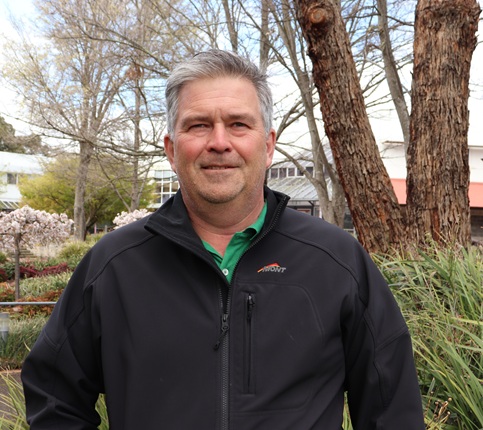



By Craig Elliott, Biosecurity Engagement Lead at the Tasmanian Institute of Agriculture and TAS Farm Innovation Hub
There are some simple steps every livestock owner can take to reduce the risk from High pathogenicity avian influenza (HPAI), whether you run a commercial operation or keep a few chickens in the backyard.
Wild birds can carry bird flu without always appearing sick, so one of the most important things you can do is limit contact between wild birds and your animals. Keep poultry feed and water covered where possible, clean up spilled grain, and use netting, fencing or secure housing to stop wild birds accessing poultry areas including enclosure coverings to stop faeces and feathers entering the enclosure as these can carry the virus.
Hygine is important
Good hygiene is just as important. Regularly clean and disinfect sheds, cages, feeders, drinkers and equipment, and make sure boots, vehicles and tools are cleaned before moving between animal areas. Washing hands before and after handling birds is a simple but effective way to reduce disease risks to yourself and other animals.
Signs of bird flu
Keep an eye on your animals and investigate anything unusual. Signs of bird flu can include birds that seem weak or off their feed, breathing difficulties, swelling around the head or neck, a sudden drop in egg production, or unexpected deaths. Another obvious symptom in birds is a 'twisted neck' reaction where the bird's neck is bent, turned or held in an unusual position and the bird may struggle to keep its balance or move normally.
In other mammals, clinical signs can be more general and may include fever, lethargy, reduced appetite, respiratory symptoms such as coughing or difficulty breathing, and neurological signs such as appearing disorientated, unsteady on their feet, unable to coordinate their movements, shaking or trembling, walking in circles, holding their head or neck in unusual positions, becoming partially paralysed, or experiencing seizures in severe cases.
Reporting bird flu
Any unusual illness, unexplained deaths, or sudden changes in animal behaviour should be investigated promptly and reported to a veterinarian or Biosecurity Tasmania.
Biosecurity is everyone's responsibility. By taking a few practical precautions and keeping a close watch on animal health, we can help protect Australia's agriculture and wildlife.
If something doesn't seem right, don't wait. Avoid handling sick or dead birds unnecessarily, record the location and report suspected cases to the Emergency Animal Disease Hotline on 1800 675 888. Early reporting is one of the best tools we have to limit the spread of disease.