

Is the kitchen still the heart of our homes?
It’s a question PhD candidate Caroline Cumberbatch has been considering, and the answer is a little … disheartening.
“Mostly the manufactured materials today are designed to remain pristine,” she says.
“And not only does it feel like they want to be replaced as soon as they're chipped or dinged, they're also designed specifically to not retain those signs of life.”
It’s these signs of life – tables with grooves worn by use and even the odd stain from a cooking disaster – that can make a kitchen a place of memories and connections.
“You'll see in marketing materials fingerprint-resistant materials or materials that promise to look like they did the first day they were installed, which positions the perfect kitchen as one that has never been used by humans,” Caroline says.
“This is the irony - that we still refer to the kitchen as the heart of the home.”
Australia built 215,000 kitchens in 2020-21, valued at $7.6 billion, and renovated another 160,000, two-thirds of these enlarging the room’s footprint. This has all happened as the practice of cooking at home declined.
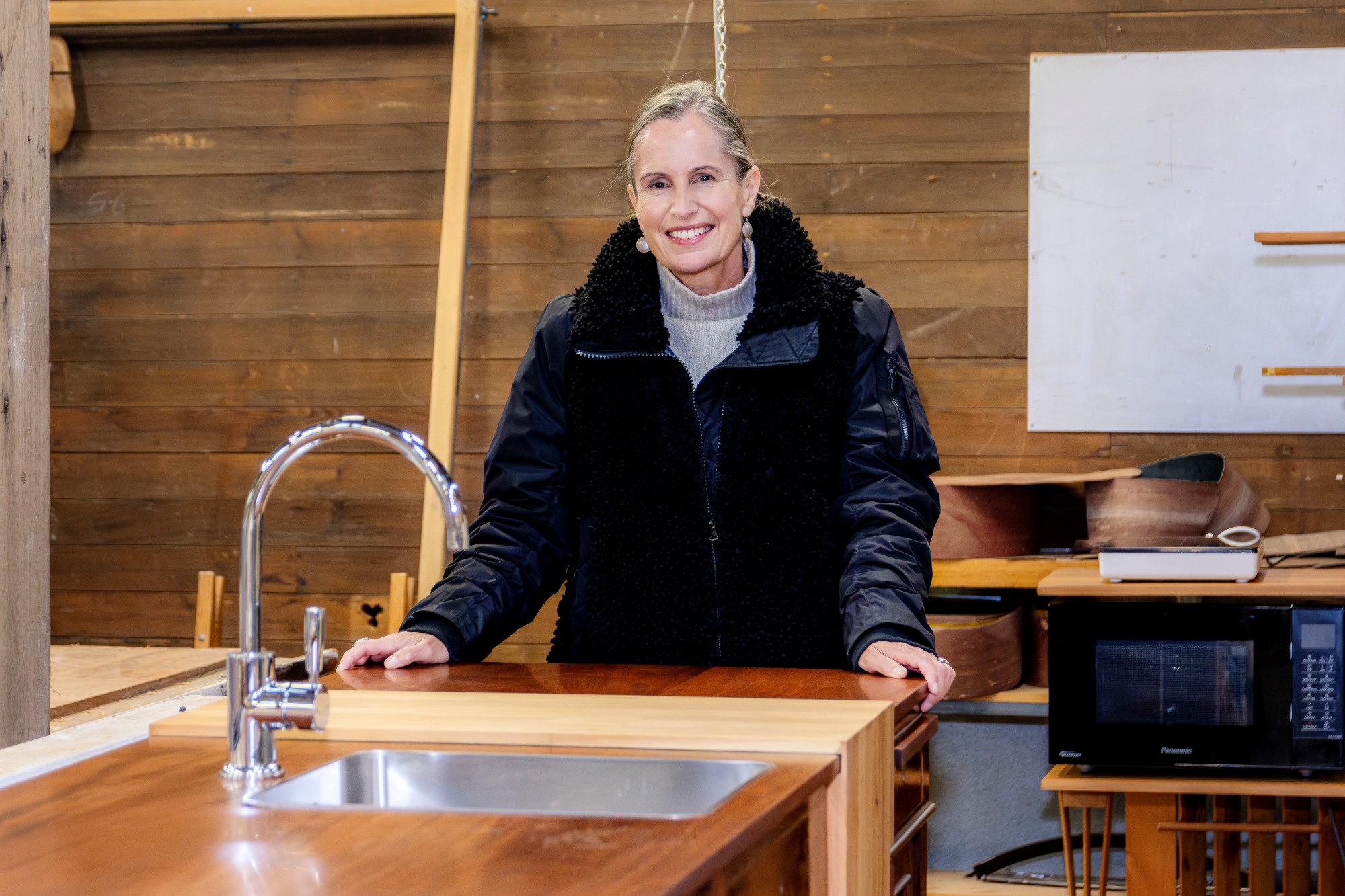
Caroline had been an interior designer for 30 years before beginning a PhD on the re-use of materials in the School of Creative and Performing Arts. This soon turned to a focus on kitchens and their social value.
“We talk about the kitchen as the heart of the home, but actually we've been designing the heart out of it for a long time,” she says.
“Aesthetics and functionality are the first things we usually think of when we talk about the kitchen. But actually there is this real social component of it being a communal space that fosters true engagement - talking eye-to-eye and preparing food together, not sitting lined up at an island bench where it's designed for efficiency and functionality and to get in and out of there as quickly as possible.”
Using new kitchen designs for clients as case studies, she began exploring what this social value actually is. The result was families eating dinner together more and children participating more in food preparation and cleaning up.
One client wanted to ditch a kitchen made from celery-top pine in favour of the current magazine look.
“That kitchen was installed when their third child was born,” Caroline says. “So the kitchen itself had actually lived with this family and embodied their entire history together.
“So there was a point in our conversation when that really shifted for her and she started to see the kitchen in terms of roast dinners cooked, birthday cakes made, and Christmases there.
“And all of a sudden, she wasn't going to replace a kitchen that was full of those experiences.”
The client ended up reusing most of the original kitchen, in a way that retained this history, as part of the renovation.
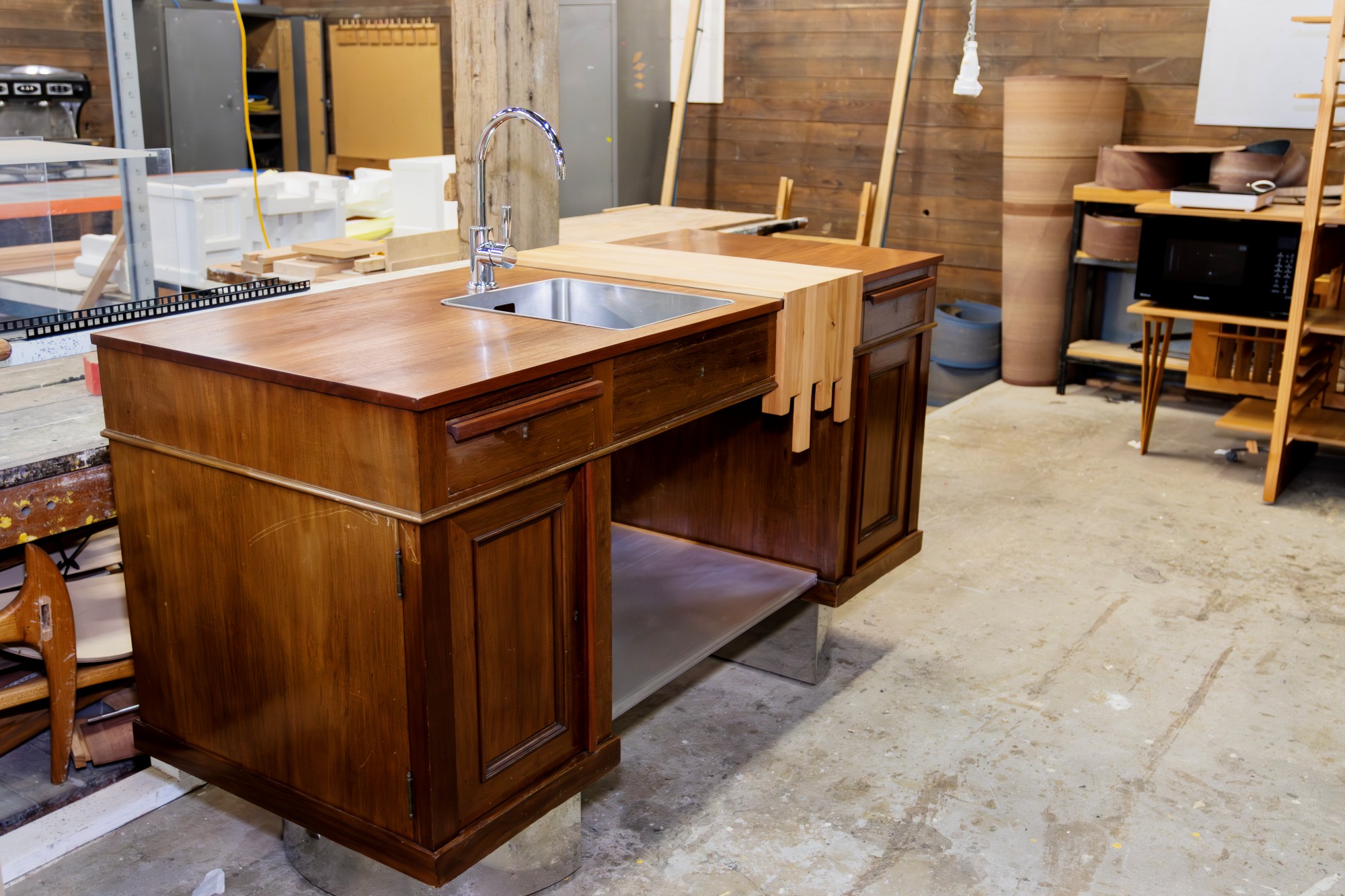
With the average Australian kitchen typically replaced every 15-20 years, contributing to around 30 million tons of building waste each year, the environmental consequences of our renovating were another aspect of Caroline’s research.
She says renovators can do three things to make their revamped kitchens more sustainable and expressive of who they are.
Firstly, consider what materials might be able to be re-used.
“Have a really good look and think about it in the context of the memories they are holding,” Caroline says. “Because once those things are gone, they’re truly lost and they do have create a sense of belonging that my research shows is important.”
Secondly, create a social space where interaction is easy.
And thirdly, consider the materials you use.
“It’s giving greater thought to what those materials are, who made them, where did they come from, how did they get here, what happens at the end of their life, do they have the capacity to engender and retain memories, markings that we want to keep as opposed to a ding or a dent that makes us want to replace it?” she says.
The approach may take time to find the right trades people but not necessarily the cost, Caroline says. The reward is the creation of something much more homely than an off-the-shelf flat-packed kitchen.
“It’s about creating kitchens that are truly social gathering spaces,” she says. “We sit around a fire, we don't sit along a fire.”
Read more about research in Arts and Society at the University of Tasmania.