

OxyGenie
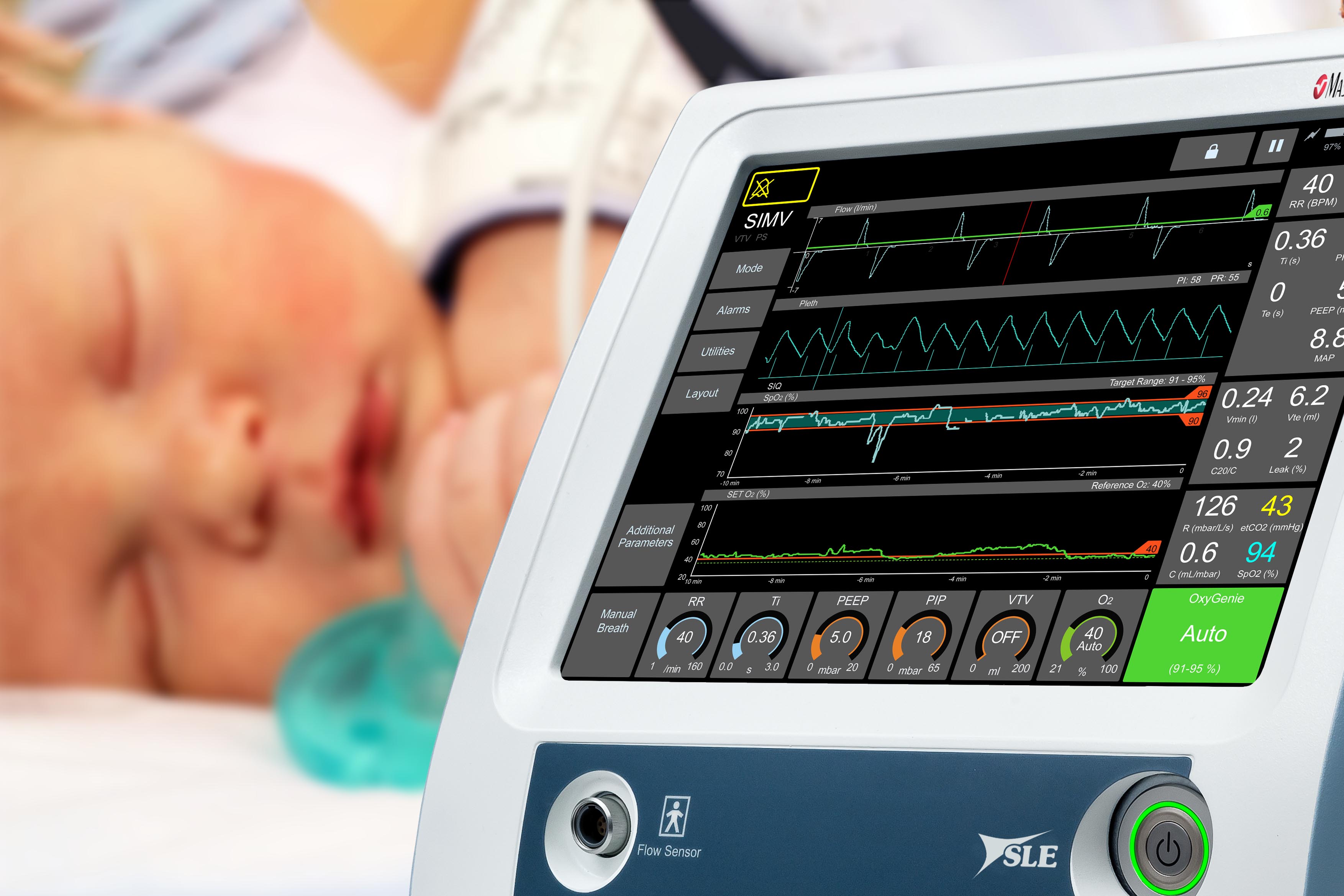
THE CHALLENGE Pre-term babies often need assistance with breathing but giving a standard flow of oxygen can be dangerous. Too much oxygen can cause blindness, whilst too little oxygen can cause brain damage.
THE SOLUTION A patented algorithm built into the software of respiratory support devices which gives each pre-term baby a customised flow of oxygen. In 2018, a commercial licence was granted to UK medical equipment manufacturer, SLE Ltd.
THE IMPACT Now in over 45 countries, OxyGenie is UTAS’ most successful patent and subsequent licence.
NEXT STEPS Whilst the licensee explores options for entering North American markets, the UTAS research team has received NHMRC funding to explore implementing the algorithm in low-resource jurisdictions.

ScopeIR

THE CHALLENGE For the mining exploration industry, obtaining accurate mineral and chemistry data is slow, expensive and limited by lab throughput, delaying exploration and resource decisions.
THE SOLUTION ScopeIR combines advanced infrared spectroscopy with AI to deliver rapid, predictive mineralogy and geochemistry insights from in-field or lab samples.
THE IMPACT Accelerates exploration discoveries, reduces analytical costs and environmental impact, and enables data driven decision making across the mining value chain.
NEXT STEPS Secure funding to deliver pilot programs with industry partners, advance hardware optimisation and software automation, and achieve TRL-7 for market launch.
Eco Detection

THE CHALLENGE Access to safe water is the most basic human need for health and well-being, yet water quality continues to be a global challenge.
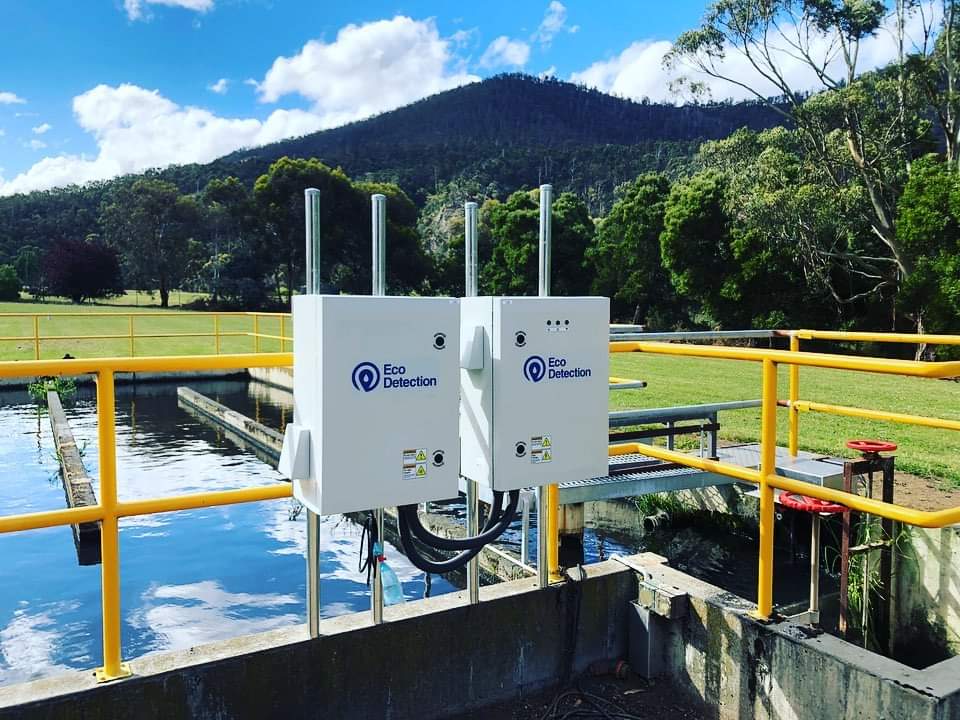
THE SOLUTION A fully-autonomous, multi-parameter, laboratory-grade water analysis system designed for remote operations, critical infrastructure, wastewater processing, aquaculture, research and general water chemical analysis. The technology behind Eco Detection’s award winning system was developed by University of Tasmania researchers.
THE IMPACT Eco Detection is a critical innovation for global water security.
NEXT STEPS Recent investment in Eco Detection has supported product deployment in Australia and international markets, including Tanzania, New Zealand, and the United Kingdom. We look forward to progressing the technology with this licensee.

HealthLit4Everyone

THE CHALLENGE Keeping healthy in today’s world is increasingly difficult, with unprecedented amounts of information and challenges navigating access to appropriate health services.
THE SOLUTION HealthLit4Everyone Ltd is a social enterprise supporting the development of health literacy in communities.
THE IMPACT By improving the health literacy of Tasmanian communities, HealthLit4Everyone is improving Tasmanian health outcomes, educational attainment and redressing inequity.
NEXT STEPS The flagship program, HealthLit4Kids, is well underway in primary schools throughout Tasmania. In 2026, an additional 30 facilitators, including 20 DECYP nurses, will complete facilitator training, ahead of further rollout into schools. The HealthLit4Workplaces pilot is now also underway, in collaboration with St Lukes, and discussions with international markets have commenced, with interest from Taiwan and the Eastern Mediterranean region.
AirHealth

THE CHALLENGE One in five Australians experience symptoms of respiratory illness. Common conditions include asthma and hay fever. Many are at higher risk of complications because of chronic illness, older age or pregnancy.
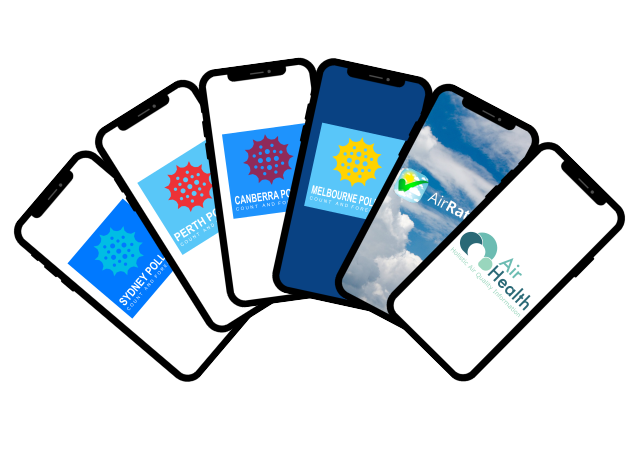
THE SOLUTION A suite of apps, developed by researchers at the University of Tasmania and the University of Melbourne, brought together under the banner, AirHealth, providing real-time, localised air quality information. The technology includes eight automated pollen counters across Australia.
THE IMPACT AirHealth is assisting Australians everyday to manage their exposure, track symptoms, identify potential triggers and make informed choices. Its new app, launched in September 2025, already has 45,000 registered users, growing by 1,000 registrations per day.
NEXT STEPS The company recently secured a share of the latest round of the Disaster Ready Fund, and is now seeking investment for further development and expansion into new markets.
Pharmacy Simulator

THE CHALLENGE Healthcare graduates worldwide are entering the workforce with limited training in communication skills, leading to misunderstandings and medical errors with potentially fatal outcomes.
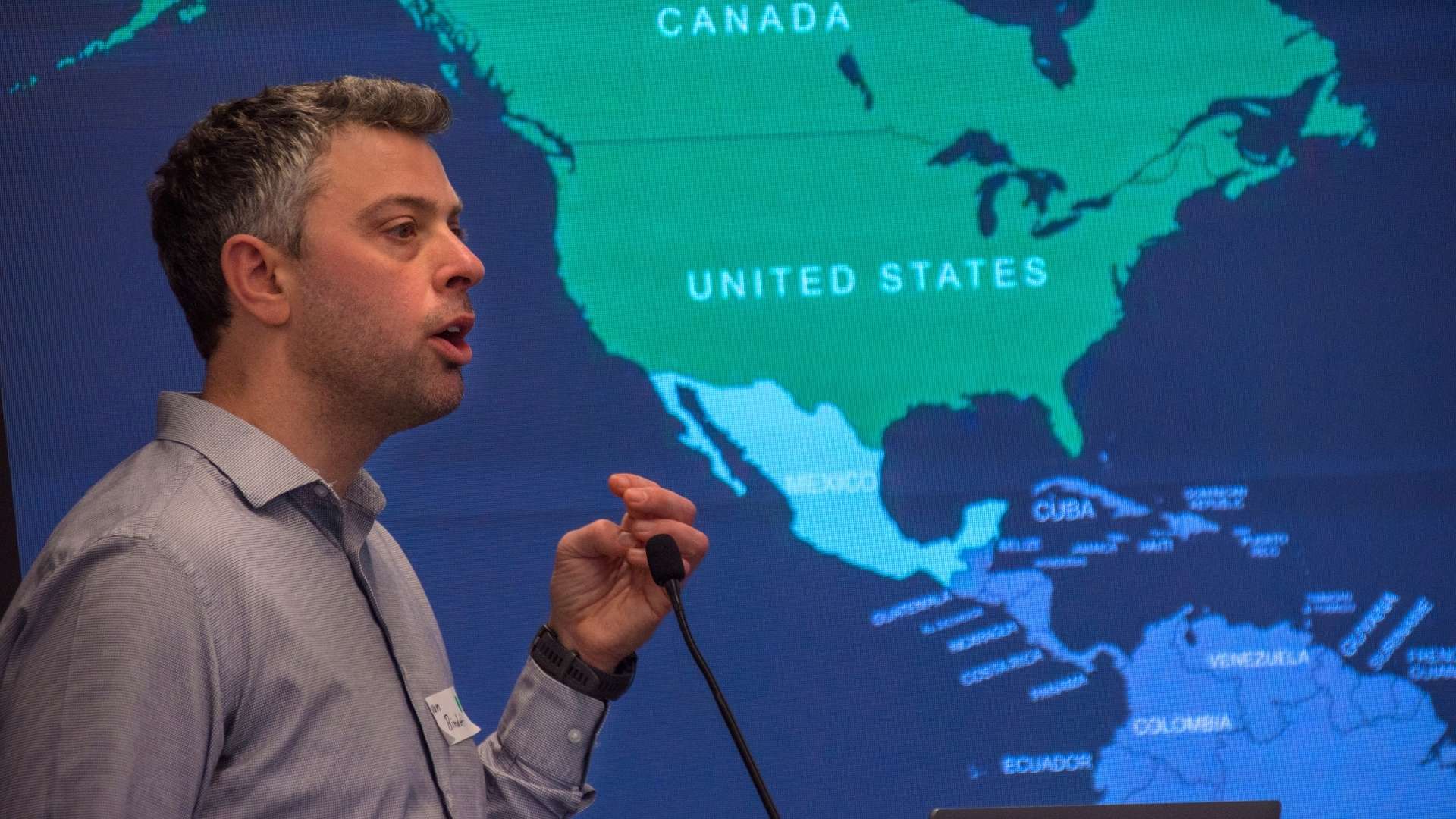
THE SOLUTION A subscription-based online platform for higher education institutions to embed within healthcare curriculums, giving educators the flexibility to create customised scenarios, and enabling students to develop communication skills in an immersive, interactive, 3D, simulated learning environment. Spinout company, Imitated Environments Pty Ltd, is led by founder, Dr Ivan Bindoff, a University of Tasmania computer scientist specialising in e-health.
THE IMPACT Imitated Environments' lead product, Pharmacy Simulator, is now in use in over 30 countries, with positive feedback from student users and repeat institutional customers.
NEXT STEPS Product extension for the fields of nursing and paramedicine.
Cavicam

THE CHALLENGE At a time when food and water security are global challenges, ensuring crops are optimally hydrated for yield and quality is critical.
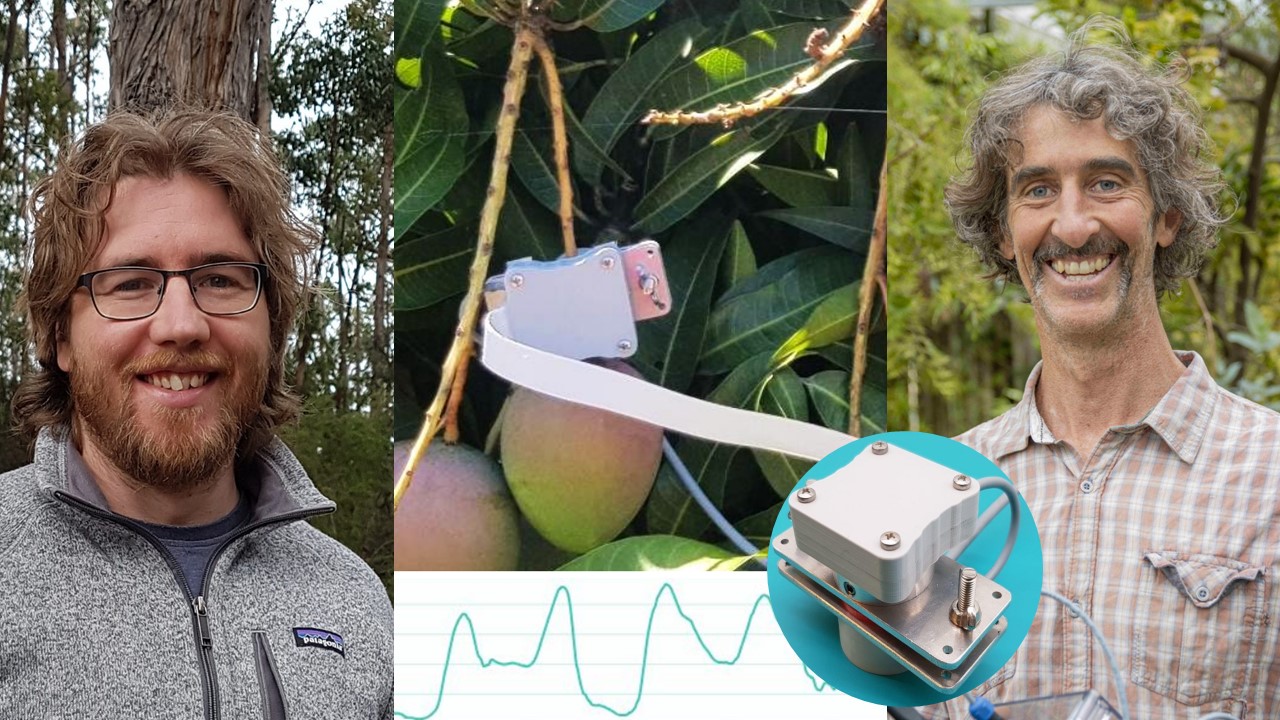
THE SOLUTION Cavicam is an innovative, robust, easy-to use and highly accurate plant monitoring system, providing precision understanding of a plant’s response to water stress.
THE IMPACT In late 2024, Cavicam was announced as one of four national winners of agtech accelerator, Beanstalk Ventures’ Drought Resilience Venture Studio, funded by the Australian Government’s Future Drought Fund. Cavicam Pty Ltd was incorporated shortly thereafter. This year, the University licensed technology to the company and filed a new patent application to facilitate commercial endeavours.
NEXT STEPS With new CEO Juno Wilson, formerly of Beanstalk Ventures, the team is now pursuing investors whilst iteratively refining the product in parallel with field trials. Launch into the agricultural sector is planned for the 2027 growing season.
Aspecthera
THE CHALLENGE There is currently no approved treatment for early-stage diabetic retinopathy, a leading cause of irreversible blindness.
THE SOLUTION A novel drug platform with potential applications across multiple diseases and disorders related to mitochondrial dysfunction, one of which is diabetic retinopathy.
THE IMPACT The potential global impact of this innovation is significant. Diabetes affects 600 million people worldwide, with 30% being at risk of developing diabetic retinopathy.
NEXT STEPS In June 2025, the team was successful in their bid for $500K of Tranche A investment from the Federal Government’s Medical Research Future Fund (MRFF) via the diabetes and cardiovascular stream of the Targeted Translation Research Accelerator (TTRA). Extensional research is currently underway with the Charles River contract research organisation in the UK.
Available technologies
Many more inventions created by University of Tasmania researchers are available to license to commercial partners.