

About us
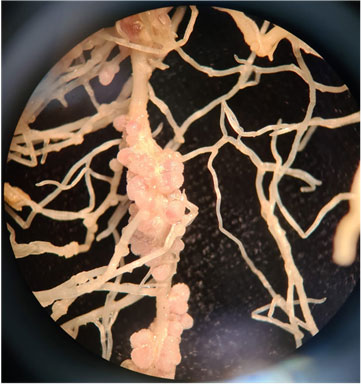
Symbioses Down Under, headed by Dr. Eloise Foo, investigates how plants form symbiotic relationships with bacteria and fungi to access nutrients like nitrogen and phosphate. These relationships are crucial for reducing reliance on synthetic fertilisers in agriculture. Nodulation is formed by some legumes (like peas and beans) and nitrogen-fixing soil bacteria, allowing the plant to access nitrogen from the air. Arbuscular mycorrhizal symbioses is a much more widespread and ancient relationship between plant roots and fungi, which helps the plant absorb nutrients like phosphorus more efficiently.
We seek to understand the genes and signals that enable plants to form these agriculturally and ecologically important relationships. This information is crucial to underpin new advances in agriculture to better harness these symbiotic interactions for sustainable agriculture.
Additionally, the Foo lab is part of the Australian Research Council's Centre of Excellence for Plant Success, a research body committed to furthering advancement in plant biology and agriculture.
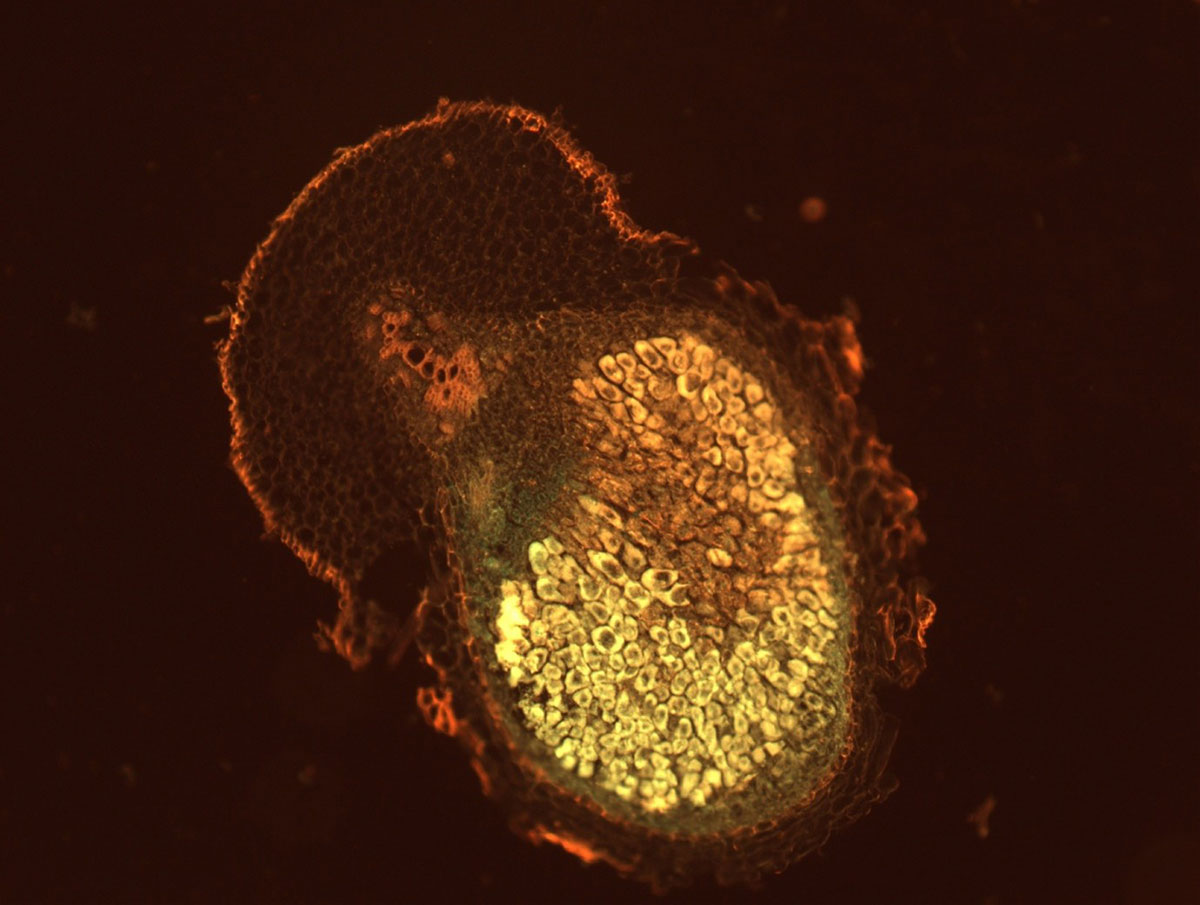
Measuring plant hormones
Our team specializes in measuring plant hormones using mass spectroscopy and studying developmental genetics using a large collection of pea and tomato mutants.
Combined with bacterial mutants and molecular biology (RNAseq, gene expression and transgenics) we are identifying and functionally characterising key genes and signals that enable plants to form these essential nutrient-acquiring symbioses.
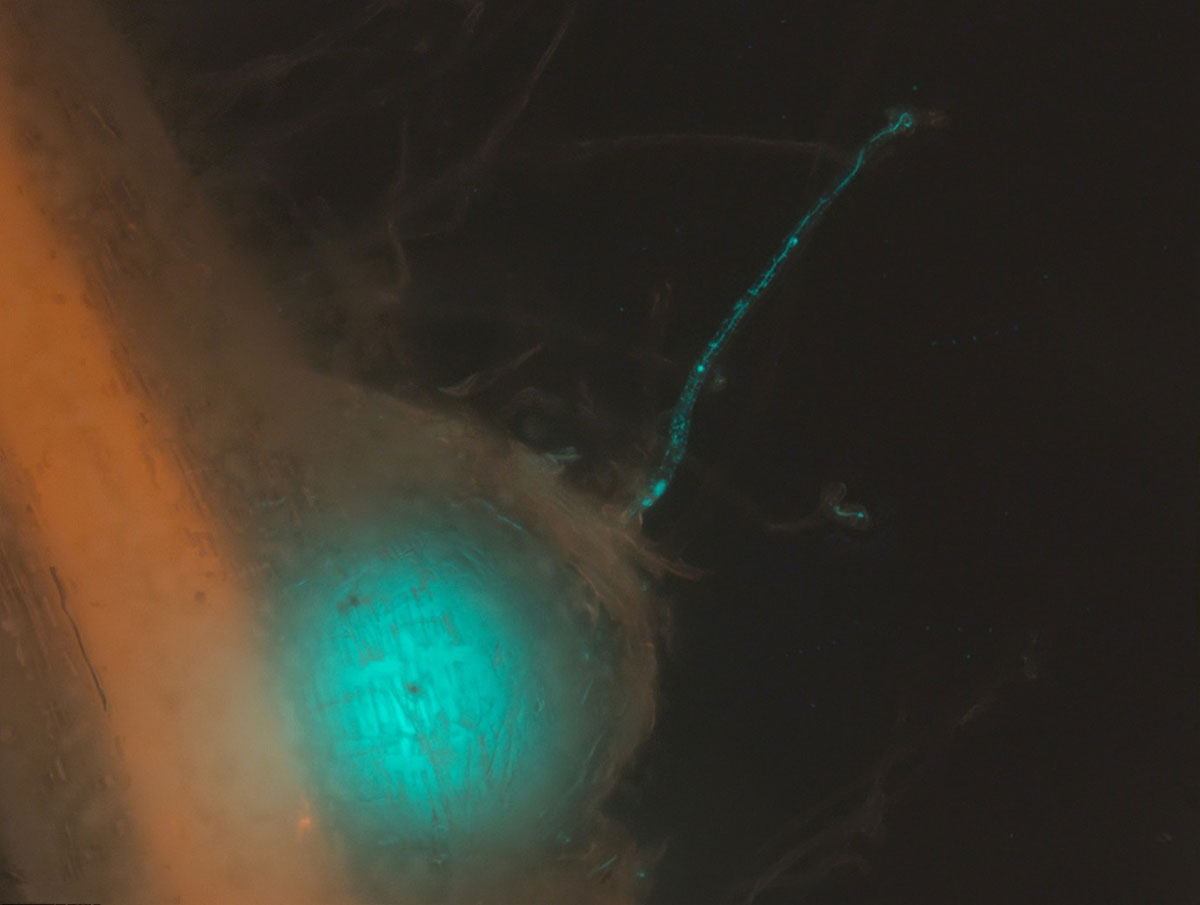
In addition, we use a qTOF desorption electrospray (DESI) mass spectroscopy imaging platform that enables us to quantitatively image hormones (and other metabolites) directly in plant tissue sections and this is complemented by advanced microscopy infrastructure.
Current projects
- How unique are nodules? Understand the hormone drivers of nodule organogenesis
- Understanding the feedback loops that regulate the extent of symbioses in legumes and non-legumes
- How symbioses impacts water use
- Developing Kangaroo grass as a model to understand climate adaptation that is part of the national grassland initiative
- Optimising symbioses in major crops, wheat and sorghum
- Hormone dynamics in plant development
Foo lab news
Our team
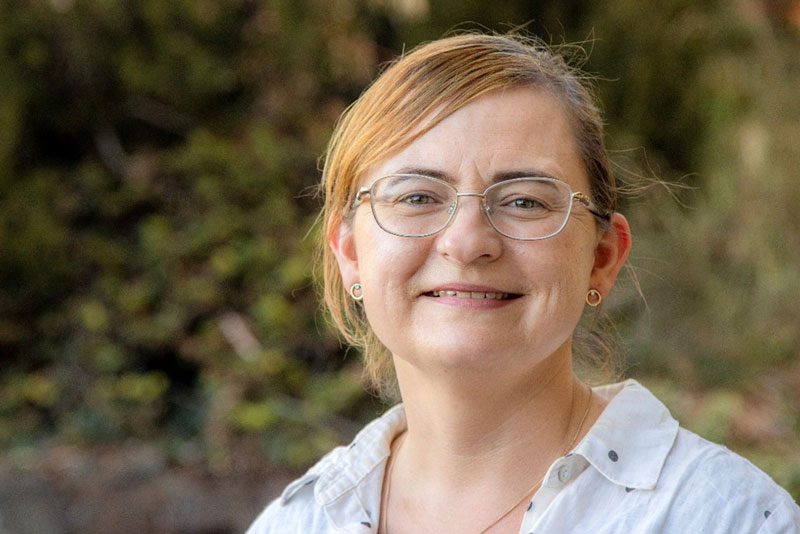
I am fascinated by the intimate beneficial relationships that plants form with microbes and have followed my passion to create this as an area of research strength at the University of Tasmania.
These plant-microbe relationships are an untapped resource to minimise fertiliser input and minimise societies carbon footprint and create future sustainable agricultural solutions. My team’s research has uncovered fundamental insights into the plant genes and signals that control these beneficial interactions that supports collaborations with key plant breeders in Australia.
These programs are taking discoveries made by my group on specific genes and signals that regulate symbioses and using this to inform the selection of new elite lines to improve sustainable agriculture.
I also have a career-long fascination with how plants use plant hormones, small and potent signals, to control their growth and development. This ranges from plant growth promoting hormones (auxin, cytokinins, brassinosteroids and gibberellins), stress hormones (ethylene) and rhizosphere active hormone strigolactone.
In the discipline of plant science I have had two goals.
- Make plant science in Australia a welcoming community of practice to diverse people.
- Raise the participation and profile of post-graduate and early career scientists to foster the next generation of leaders.
Find out more:
Eloise's profile ORCID LinkedIn

I am a PhD candidate at the School of Biological Sciences, University of Tasmania, where I study plant symbiosis and water relations.
My current project focuses on how plants interact with their environment, particularly root water transport and the genetic basis of symbiotic relationships. By working with diverse plant species and applying advanced analytical techniques, I aim to gain a deeper understanding of how these interactions influence plant performance under various conditions.
Before starting my PhD, I worked as a lab technician in China, specialising in genetic transformation with protoplast systems. I completed my master's degree at the University of Melbourne, where I contributed to a project predicting grape terpene concentrations using GC-MS and remote sensing, and my undergraduate studies at Northeast Agricultural University in China.
These experiences gave me a strong background in both molecular techniques and ecological approaches, which I now integrate into my doctoral research.
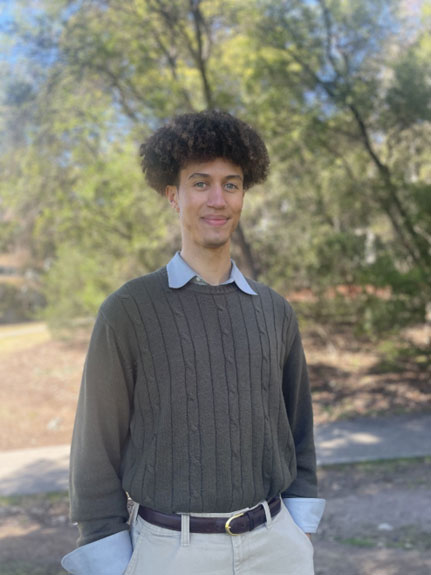
I am a technical officer in the Foo research group, focusing primarily on the unseen results of arbuscular mycorrhizal symbiosis in commercial wheat lines.
Through a series of experiments, I aim to characterize the off-target effects of dwarfing mutations present in elite wheat varieties, mainly investigating potential changes in mycorrhizal associations and how this can be harnessed to optimize total grain yields.
I completed my undergraduate degree in Cellular and Molecular Biology at Brown University in May 2025, with an honors thesis on the localization of a regulatory protein phosphatase in Arabidopsis leaves. My background is mainly in molecular biology with a focus on regulatory pathways in plants.
I plan to start my doctoral studies in early 2027.
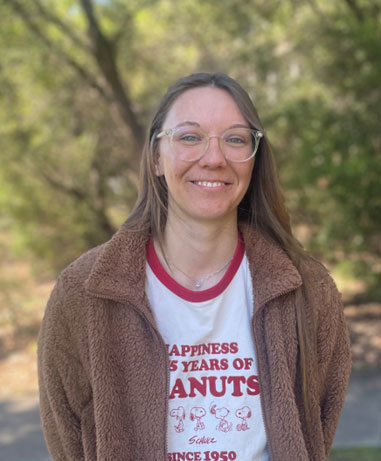
Postdoctoral Researcher
I am a new member of the Foo research group.
While my previous work has focused on understanding the genetic changes that have accompanied plant domestication and crop evolution, in this new role I am hoping to unravel the complex genetic regulation underlying nodulation and symbiosis.
One of my current projects hopes to address the interaction between plant hormones auxin and gibberellin during nodule development and identify a number of key downstream genes, through a combination of expression analysis, hairy root transformation, and Mass Spectrometry Imaging.

I am a PhD student in the Foo research group, Biological Sciences, at the University of Tasmania, where I am co-supervised by Dr. David Nichols. I completed my undergraduate and master’s degrees in Biotechnology in Bangladesh, with a research focus on microbiology, plant physiology, and molecular genetics.
My research explores how adaptation and domestication shape the role of mycorrhizal associations in plants. I am also investigating how commercially bred dwarf plants interact with mycorrhizal symbiosis. To answer these questions, I use a combination of in silico analysis, glasshouse experiments, and molecular genetics.
Ultimately, I hope my work will deepen our understanding of plant–microbe interactions and contribute to more sustainable agricultural practices.

I am a PhD student in the Foo Group at the University of Tasmania (UTAS). I completed my undergraduate degree at the University of Queensland in Brisbane, where I developed a strong interest in plant pathology and mycology. I later moved to Tasmania to undertake my Honours degree under the supervision of Professor Eloise Foo, investigating the role of CLE peptides, their receptors, and enzymes in the autoregulation of nodulation (AON) pathway in Pisum sativum (garden pea).
My PhD, co-supervised by Professor Eloise Foo, Dr Karen Velandia, and Dr David Nichols, builds on this work by exploring the AON system in pea, with a particular focus on developing methods to measure and quantify CLE peptides. My current research involves mapping the gene responsible for the fasciation and enhanced symbiosis phenotypes of K301 peas, as well as optimising extraction techniques for plant-derived CLE peptides. I’m always keen to collaborate with researchers who share an interest in symbiotic regulation and peptidomics—so please feel free to reach out for a chat.
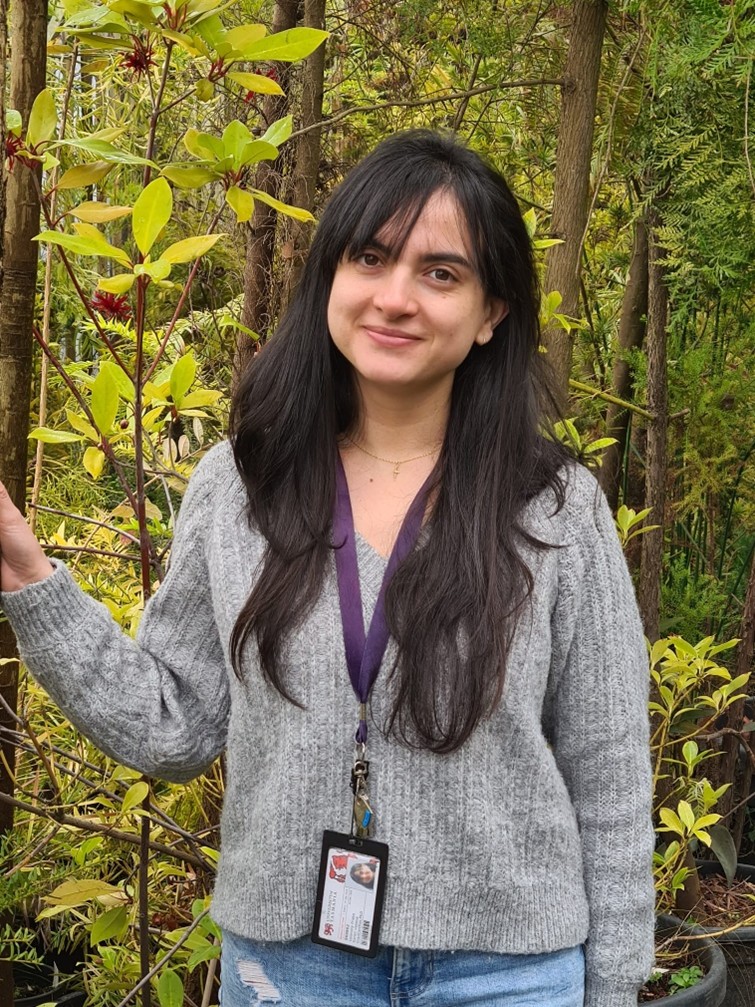
Karen Velandia is a postdoctoral research fellow in the Foo Laboratory at the University of Tasmania. She investigates how legumes form symbiotic associations with rhizobia through extensive cellular reprogramming that gives rise to novel root organs—the nodules.
Her research focuses on how plant hormones act in space and time to coordinate rhizobial infection with nodule organogenesis, and on how plants repurpose existing molecular machinery to initiate new developmental processes. Karen is particularly interested in uncovering the genetic and hormonal networks that drive nodulation, with an emphasis on identifying novel regulators of hormone distribution and signalling.
By dissecting these mechanisms, her work aims to explain how plants integrate beneficial microbes into their developmental programs and to reveal strategies for harnessing developmental plasticity to strengthen plant–microbe partnerships.
Former members
May completed her honours under the supervision of Professor Eloise Foo and Dr. Karen Velandia.
Her research focused on plant-microbe interactions, with a specific interest in the agriculturally and ecologically significant legume-rhizobial symbiosis.
Her project investigated the genetic mechanisms involved in legume nodule organogenesis, and how they interact with phytohormones to regulate nodule development. Using molecular techniques as well as mass spectrometry, May was able to comprehensively analyse gene expression patterns and hormone distribution to better characterise this symbiotic relationship.

Ben completed his honours project with Eloise as his supervisor.
The project focused on Sorghum bicolor, following on from work done by Mukta during her PhD analysing genotype sequencing data (provided by Warwick Research Station, UQ).
Ben investigated how genetic adaptation affects arbuscular mycorrhizal (AM) symbioses in sorghum, laying the groundwork to optimise AM symbioses for sustainable agriculture – with reduced fertiliser use and increased productivity being some of the potential benefits.
The crux of this project involved selecting genotypes with high levels of genetic variation in AM genes through fixation index analysis and haplotype structure analysis, which quantify genetic differences between racial groups in sorghum. Accessions with higher variation could then be grown and phenotyped for AM colonization, biomass, hormone levels, and gene expression.