

About our team
Our research group is dedicated to advancing neonatal care through innovative technologies. We focus on developing automated systems for oxygen delivery tailored to the unique needs of preterm infants and those receiving oxygen therapy in Neonatal Intensive Care Units (NICUs). In addition, we are working on intelligent solutions for the automatic detection and prevention of apnoea, aiming to enhance safety and outcomes in NICU environments. Beyond these core areas, our team explores a range of projects addressing respiratory and oxygen-related challenges in neonatal care. Driven by a passion for improving infant health, we combine engineering, clinical insight, and data science to create impactful solutions for the most vulnerable patients.
Research themes
AUTOPIA program
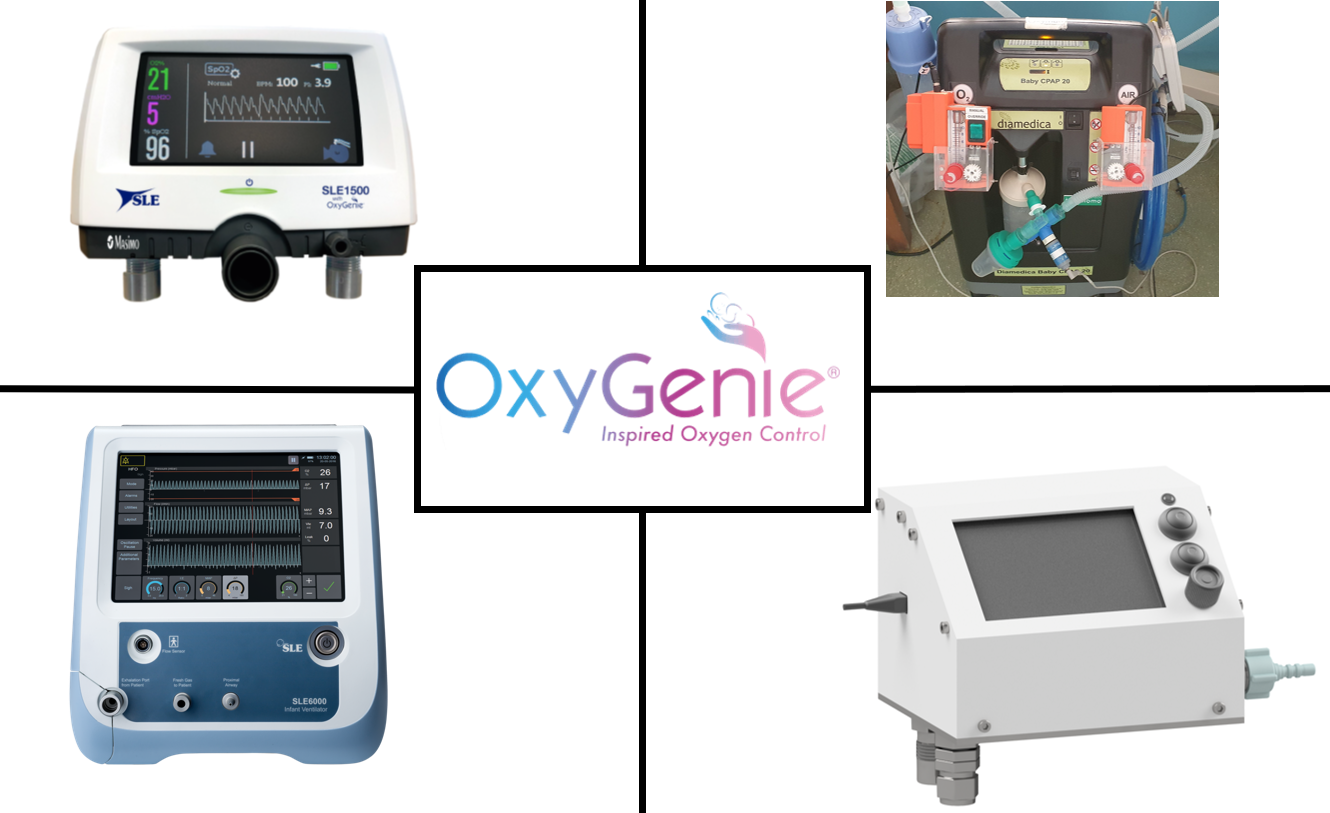
The AUTOPIA program focuses on developing and testing automated systems to deliver safe and effective oxygen therapy for preterm infants. It combines cutting-edge biomedical engineering, preclinical research, and advanced clinical studies, including a large-scale multicentre cluster randomised trial. This program aims to reduce oxygen-related complications by optimising oxygen delivery through automation, ultimately improving outcomes in neonatal intensive care.
Current projects:
- VDL: Development and optimisation of automated oxygen titration algorithm
- OxyMate: Automation of oxygen titration for low resource bCPAP
- AutoFlo: Automation of low flow oxygen therapy
- VDL-DR: Adaption of the VDL algorithm for use in the delivery room
ION-O₂
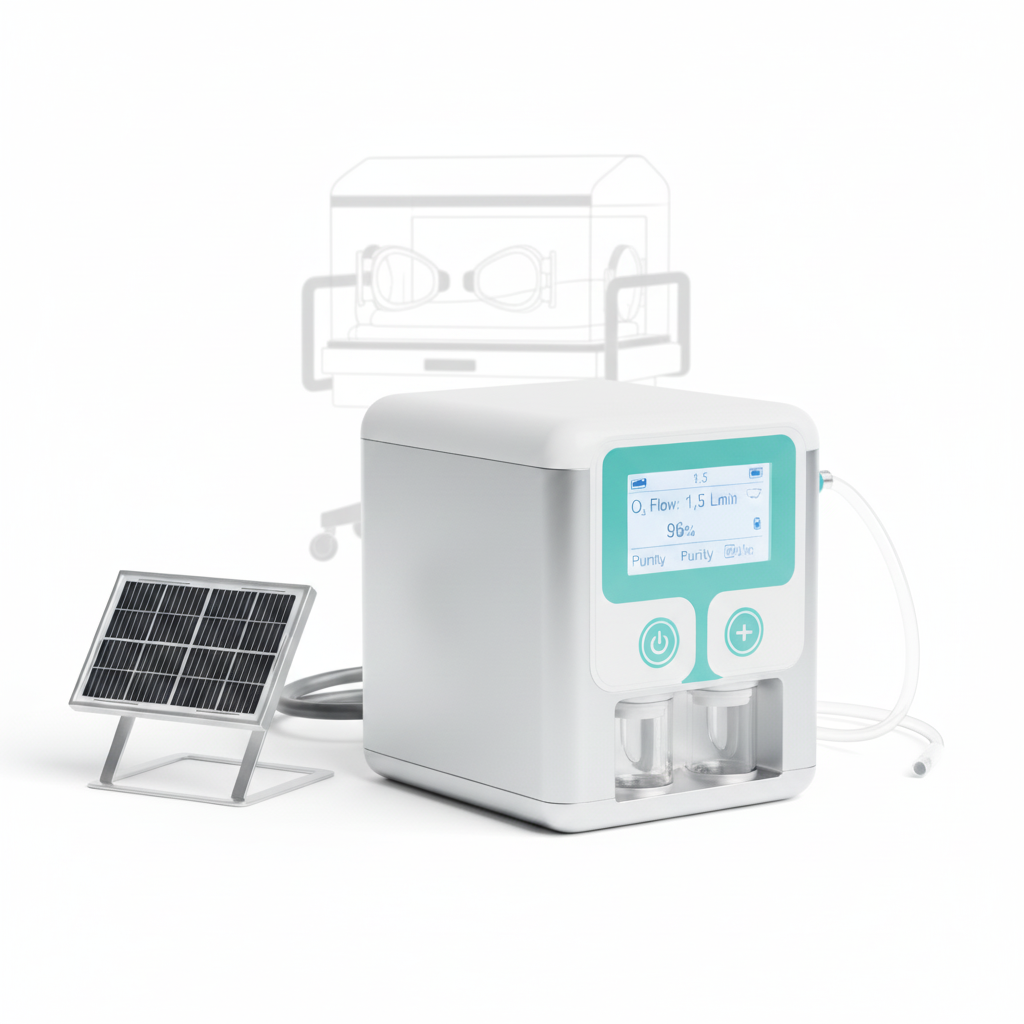
The ION-O₂ program focuses on developing sustainable, reliable and affordable oxygen systems tailored for neonatal intensive care in low-resource settings. It addresses the urgent need for reliable oxygen delivery by integrating robust on-site novel oxygen generation technology with renewable energy solutions. This program aims to overcome barriers such as high costs, poor infrastructure, and unreliable electricity, ultimately ensuring continuous access to safe oxygen. By ensuring continuous, safe oxygen supply for critically ill newborns, this program aims to reduce preventable neonatal deaths and improve outcomes in under-resourced environments.
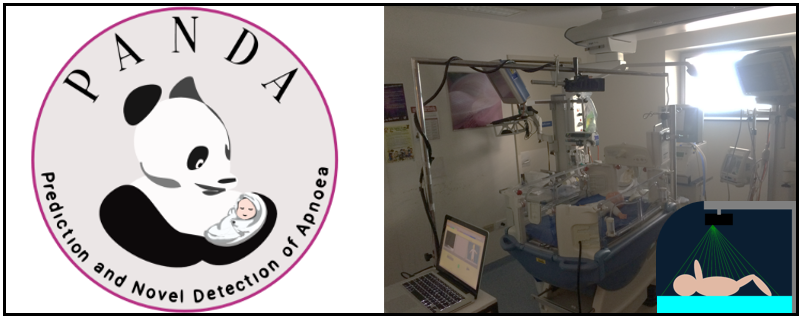
This program is dedicated to advancing respiratory monitoring in preterm infants through the development of novel sensor technologies and intelligent software algorithms. By integrating custom sensor hardware with smart software algorithms, the initiative aims to improve the accuracy of respiratory monitoring and enhance the early detection of apnoea. The program’s goal is to enable safer, more responsive respiratory support in neonatal intensive care settings.
- Development of novel respiratory sensors and algorithms for the detection of apnoea
- PANDA – Prediction and Novel Detection of Apnoea using a unique physiological dataset
- Development of automated interventions to apnoea
- Vision-based respiratory monitoring
Research impact
OxyGenie: A global game-changer for preterm babies
One of our key commercialised innovations is the OxyGenie® algorithm, now embedded in the SLE1500 and SLE6000 ventilator systems. OxyGenie® is a closed-loop, automated oxygen control system designed to optimise oxygen delivery for preterm infants in NICUs. By continuously analysing inspired oxygen (FiO₂) and adjusting it in real time, the algorithm helps maintain oxygen saturation (SpO₂) within the target range more effectively than manual control. This not only reduces the need for invasive ventilation but also supports better respiratory outcomes and lowers the risk of oxygen-related complications.
OxyGenie® was honoured with the Queen’s Award for Enterprise: Innovation.
Key publications
- Automated control of oxygen titration in preterm infants on non-invasive respiratory support
- Development and pre-clinical testing of an adaptive algorithm for automated control of inspired oxygen in the preterm infant
- Clinical evaluation of a novel adaptive algorithm for automated control of oxygen therapy in preterm infants on non-invasive respiratory support
- Automated oxygen control for preterm infants receiving continuous positive airway pressure in southwest Nigeria: an open-label, randomised, crossover trial
- Apnoea-triggered increase in fraction of inspired oxygen in preterm infants: a randomised cross-over study
- Oxygen saturation targeting in preterm infants receiving continuous positive airway pressure
Team members
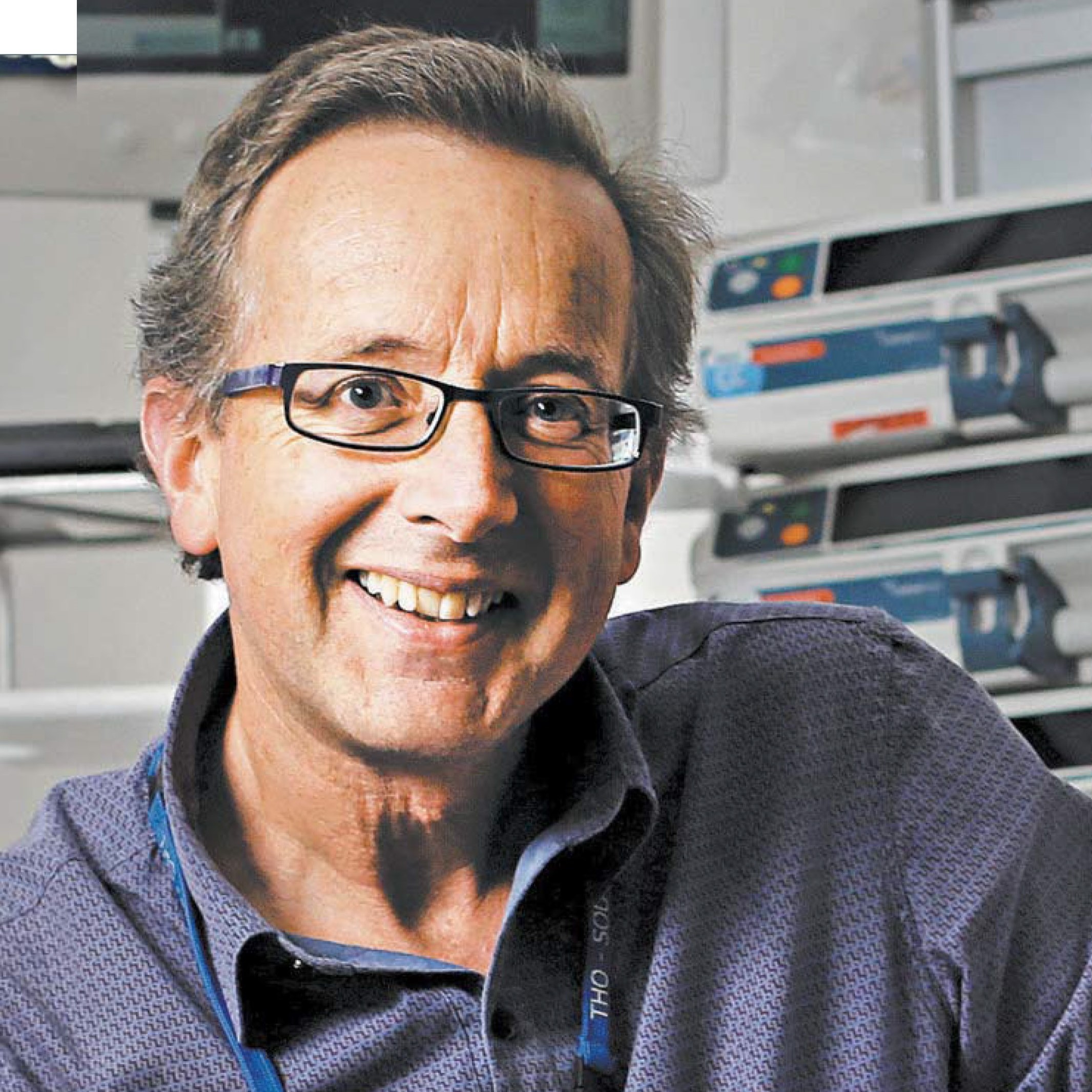
Prof. Peter Dargaville is a neonatologist and clinician-researcher whose leadership has transformed neonatal care in Tasmania, bringing survival rates for premature babies in line with or above national standards. He was former director of the Neonatal Intensive Care Unit at the Royal Hobart Hospital. He pioneered the internationally adopted ‘Hobart Method’—a less invasive approach to treating respiratory distress in preterm infants. His work has reduced rates of chronic lung disease and improved long-term outcomes. He also co‑invented the OxyGenie® automated oxygen‑control algorithm, patented and licensed into SLE ventilators, which improves time spent within safe oxygen saturation ranges.
Dr Tim Gale is a Senior Lecturer and Graduate Research Coordinator in the School of Engineering. He also has industry experience in the manufacturing, health and science areas, and is a Fellow of Engineers Australia. Dr Gale has a wide range of cross-disciplinary experience and expertise that crosses engineering and medical areas, with research involving automation, artificial intelligence, modelling, simulation and imaging. His current applied research focus is improving respiratory support interventions in control of neonatal blood oxygenation, and he is co-developer of the OxyGenie® neonatal oxygen control system used in SLE ventilators in neonatal intensive care units worldwide.
Before joining the School of Engineering, Tim held academic appointments in the Department of Anatomy and Physiology (at the University of Tasmania) and at the University of Melbourne, and industry positions with the Royal Hobart Hospital, Australian Antarctic Division and Automotive Components Limited.
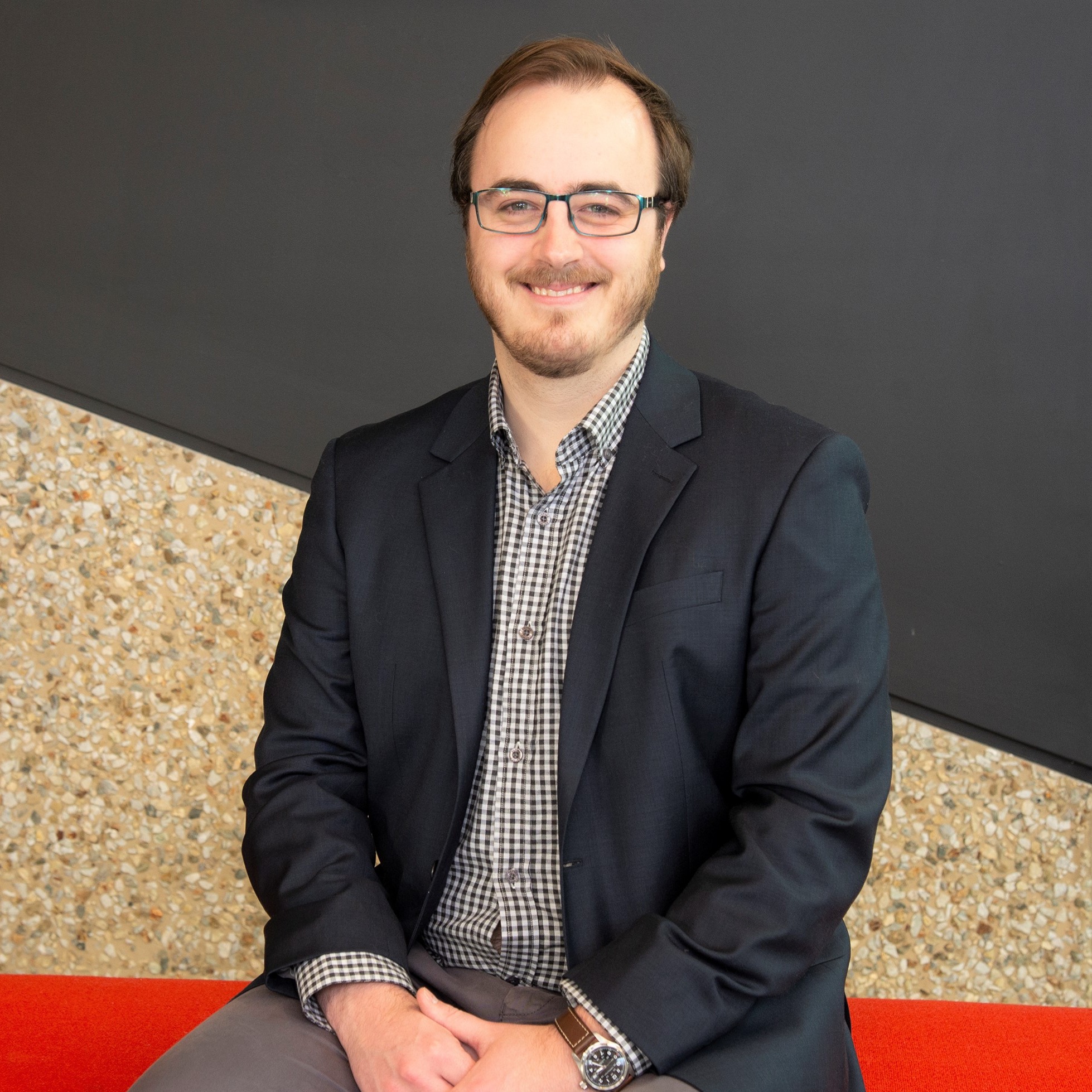
Dr Andrew Marshall is a Postdoctoral Research Fellow in Biomedical Engineering at the Menzies Institute for Medical Research and lectures in control systems at the School of Engineering, University of Tasmania. His research focuses on intelligent systems for neonatal respiratory care, including automated oxygen therapy, apnoea detection, and novel respiratory monitoring technologies.
Andrew completed his PhD in Biomedical Engineering in 2023, where he contributed to the development of adaptive control algorithms for oxygen therapy in preterm infants. His work supported the refinement of the OxyGenie® algorithm, now commercialised in neonatal ventilators worldwide, and led to the creation of OxySim, a simulation tool used for training and algorithm evaluation.
He is currently contributing to both the AUTOPIA and Innovative Respiratory Monitoring research programs, with a focus on advancing automated oxygen therapy and developing novel sensing and signal processing technologies for neonatal respiratory monitoring. His work spans engineering development, clinical integration, and translational research aimed at improving outcomes for preterm infants.
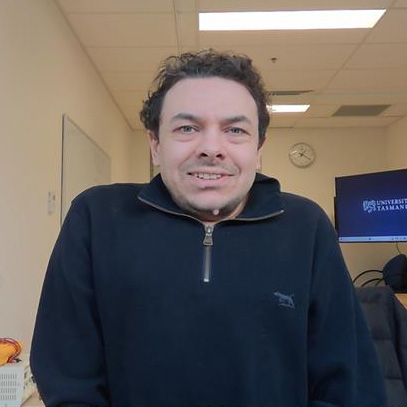
Caillin completed a Bachelor's degree in Engineering (Honours) in Mechatronics, followed by a Master of Engineering Science, and PhD in Biomedical Engineering.
His honours project was investigating automated oxygen control in pre-term infants. After a change of focus during his masters (where he investigated controlling a prosthetic arm), he returned to neonatal respiratory research (in particular camera-based respiratory monitoring) for his PhD, and has continued that focus after his graduation. Neonatal respiratory health is a fascinating area of research, and enhancements of patient care in this area has the potential to provide a great benefit to society.

Dr Ajmal Azees is a biomedical engineer and researcher with expertise in medical device innovation, electrophysiology, and translational research. His PhD research focused on the development of a multi-channel hybrid cochlear implant and preclinical trials in animal models, contributing to the future of optogenetic/hybrid hearing restoration. He has also developed non-invasive monitoring technologies. He is passionate about improving outcomes through engineering and interdisciplinary collaboration. His work has been acknowledged with multiple awards, including the prestigious Prof. Field Rickards Award for Best Overall Student of the Year. He was also a finalist in the 2024 Victorian International Education Awards and recipient of the RMIT HDR Engineering Prize for his PhD research.

Vladimir Semshchikov is a PhD candidate at the University of Tasmania at Menzies Institute for Medical Research. His research focuses on vision-based sensing of respiration in preterm infants, aiming to develop non-contact, camera-based monitoring systems suitable for neonatal intensive care environments.
With a professional background in medicine and prior experience working as an endocrinologist, Vladimir brings a clinical perspective to his current work in biomedical engineering. He is motivated by the need for safer, less invasive monitoring solutions for vulnerable neonatal patients, and his research bridges healthcare and technology to support early intervention and improved outcomes.
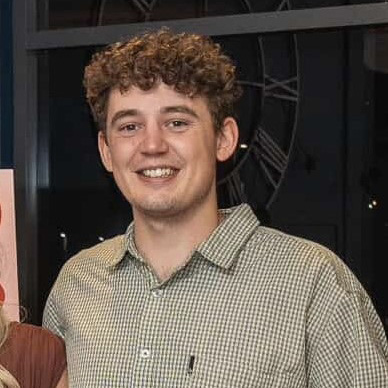
William Lillico is a PhD candidate in Biomedical Engineering at the Menzies Institute for Medical Research. With a background in mechanical engineering and data science, his research centres on the development of an automated system for titrating low-flow oxygen therapy in infants and children. This work builds on a proof-of-concept device developed during his honours year and aims to improve clinical outcomes by enabling precise, responsive oxygen delivery in both high- and low-resource settings. His project integrates hardware development, dynamic modelling, and real-time control to support global neonatal respiratory care.
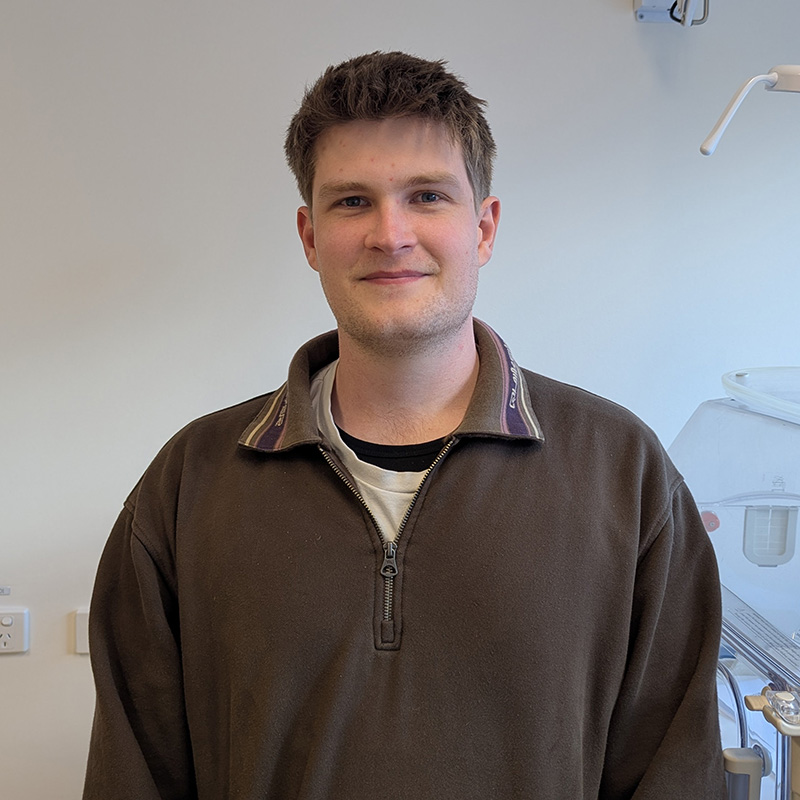
Zeke Hausmann is a biomedical engineering PhD candidate at the Menzies Institute for Medical Research, specialising in applied control systems for automated oxygen delivery in infants and children. Building on his honours research into modelling low-flow control systems, he investigates advanced modelling techniques and controller design to optimise oxygen support and improve patient safety. His PhD research focuses on developing control algorithms for CPAP, low-flow oxygen delivery, and delivery-room oxygenation. Drawing on degrees in mechanical engineering and data science, he integrates system modelling, robust adaptive controller design, and clinical insights to create reliable automated oxygen delivery solutions for neonatal and paediatric respiratory care.
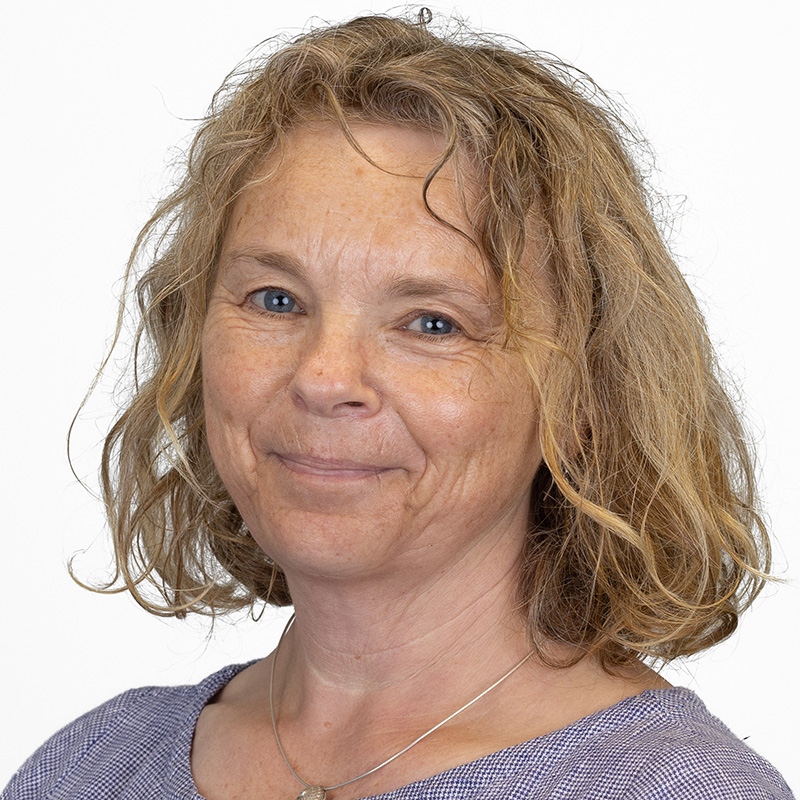
Lizzy Reid has worked in a variety of research fields in the past 40 years. Beginning her career studying zooplankton in the Norfolk Broads of East Anglia, UK, she went on to measuring respiration in starfish larvae with the British Antarctic Survey on the Antarctic peninsula.
Moving across the world to Tasmania prompted a change to research on people and working in clinical trials here at the Menzies. She has found the field of neonatal clinical trial research and involvement in improving the outcomes of preterm babies to be particularly rewarding and now finds herself coordinating the varied activities within the Biomedical Research Group.
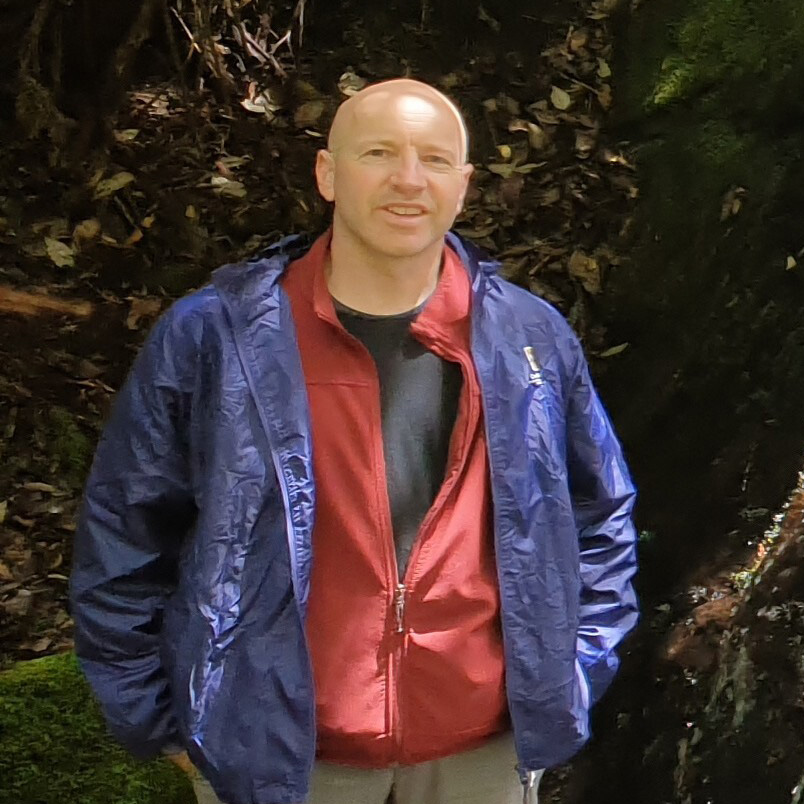
Just is a data specialist and has a soft spot for science. He is thrilled to be back at UTAS. He worked on marine ecology research in IMAS and later in a broader data and computing support role at TPAC. He also worked on data quality analysis and near real-time data at Ergon Energy/Energy Queensland. And he worked for a Silicon Valley business as a real-time data streaming engineer and architect in the field. As a data engineer, he takes joy in crafting data to be readily available, high quality and high performance, whether in the cloud, in files, in your favourite database, ready to tell its stories or -as in research- reveal its secrets.
In the Biomedical Engineering group, he does exactly that. He works to enrich a diverse dataset of sensor- and video data to help researchers answer questions about Neonatal care and Biomedical engineering. Outside of his professional distractions he spends time on bikes, with guitars, in gyms, volunteering.
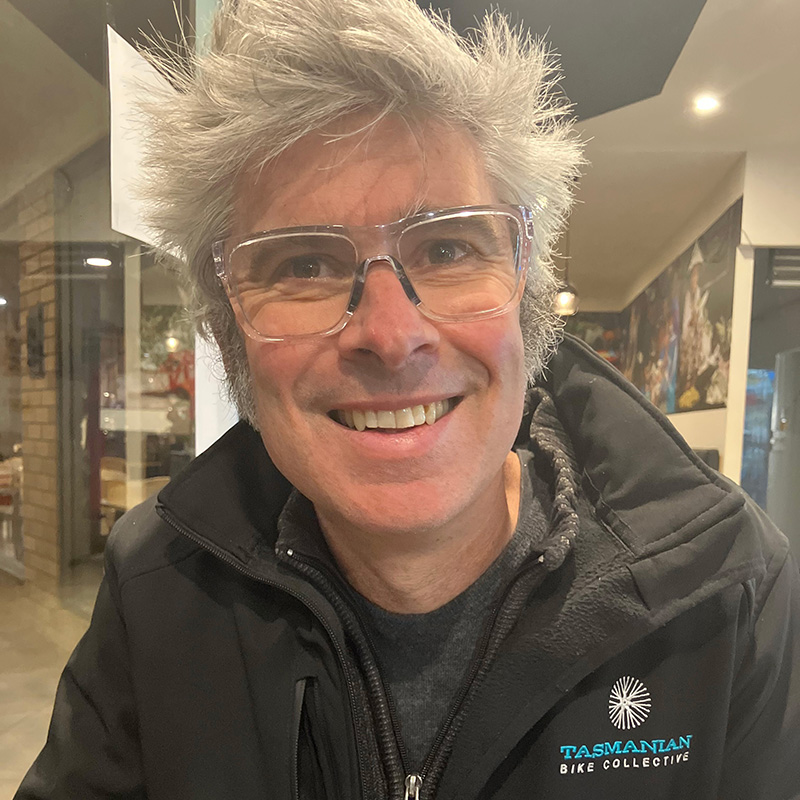
Julius Roberts is a Systems Analyst and full-stack Software Engineer with over 30 years’ experience across research, education, and not-for-profit sectors. He plays a key role in the PANDA project, designing and supporting data systems to help predict apnea in preterm infants. Julius is drawn to this work not only for its technical depth but for its profound human significance—building tools that support care, research, and vulnerable lives. His broader background includes research cloud infrastructure, systems administration and management consulting. Outside of work, Julius is a passionate volunteer youth mentor and a committed practitioner of reflective, trauma-informed practice.
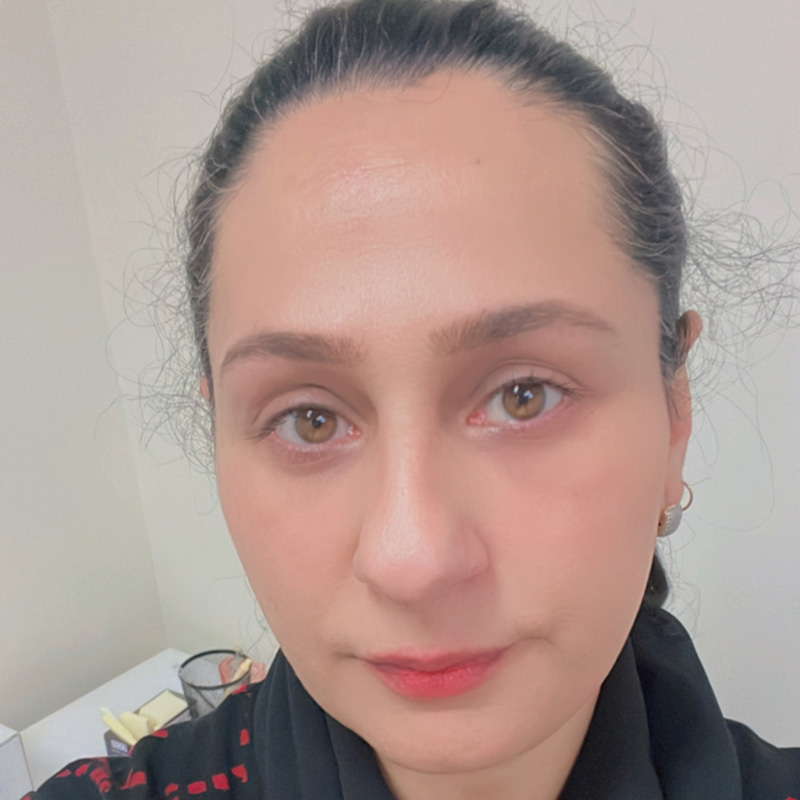
Rabya fascinated by how different parts of the body communicate through signals, and how this communication is affected in vulnerable conditions like prematurity. She worked with physiological signals such as EMG, ECG, and EEG to understand the body’s internal responses. At UTAS, she is currently analysing ECG signals to help detect early signs of apnoea in premature babies and explore the link between heart activity and breathing — a project that deeply aligns with her passion for using signal analysis to support early health interventions.

Andrew Reed has been a Registered Nurse since 1989. He qualified as a Midwife in 1995 and completed his Neonatal Intensive Care qualification in 1998. He obtained his Graduate Diploma of Nursing in 2009. He has provided care to premature babies for 26 years and has a keen interest in clinical research. He joined the PANDA research team in 2020 as an Advanced Clinical Nurse in the Neonatal and Paediatric Intensive Care Unit. His PANDA work involved nursing staff education, clinical support within the NPICU and consulting with the Biomedical Engineering Team. He assisted the PANDA team with equipment manufacturing, testing and deployment. He is now working with the PANDA Team as a Clinical Research Nurse to provide clinical expertise during the data analysis phase.
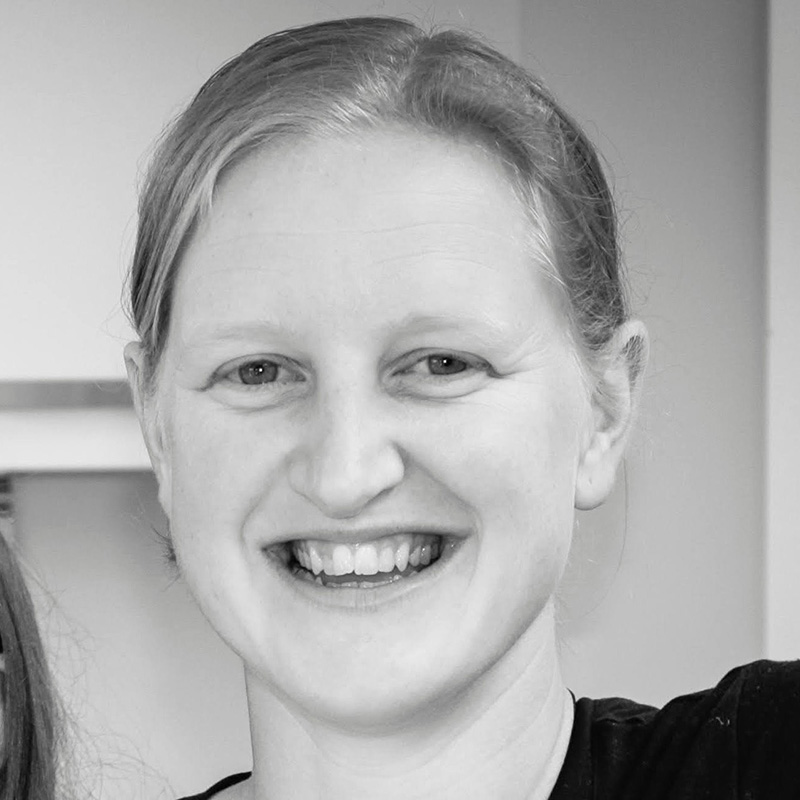
Ruth is a Clinical Nurse Consultant with 21 years of nursing experience in children's intensive care currently at the Neonatal and Paediatric Intensive Care Unit at the Royal Hobart Hospital. With a strong background in research and data, she provides expert consultancy, leadership, and strategic input to improve the care and outcomes for children and their families.
Ruth holds a Bachelor of Nursing, Post-Graduate Certificate in Neonatal Intensive Care and Postgraduate Diploma in Clinical Nursing and Teaching.
Key grants
- Automated Titration of Low-flow Oxygen Therapy in Infants and Young Children
National Health and Medical Research Council-NHMRC Development Grant (2025-2027)
Grant amount: $1,118,249; This project aims to develop and evaluate a novel device that automates low-flow oxygen delivery for precision targeting of safe oxygen levels in infants and young children needing oxygen therapy. - Safer Oxygen Therapy for Preterm Infants Through Automated Oxygen Titration
National Health and Medical Research Council-NHMRC Investigator Grant (2025-2029)
Grant amount: $2,462,040; This research program will apply Prof. Dargaville’s patented technology, feedback-controlled automated oxygen titration, across the patient journey, including at the start of life in the delivery room and then partnered with all forms of non-invasive respiratory support. - Improved Respiratory Monitoring for Preterm Infants
Royal Hobart Hospital Research Foundation Grant (2025-2027)
Grant amount: $449,978; This study aims to develop a novel device for the detection of pauses in breathing resulting from upper-airway obstruction in preterm infants. - Neonatal Innovation Simulation Hub Infrastructure Grant
Menzies Institute for Medical Research, University of Tasmania (2025)
Grant amount: $120,000; This grant is to fully equip Neonatal Innovation Simulation Hub (NISH) with the cutting-edge technologies for pre-clinical tests including a high-specification Mannequin Paul.
Key collaborations
Universal Safe Oxygen for Newborns (UNISON)
UNISON is an international consortium dedicated to ensuring safe and effective oxygen therapy for all newborns in need. The mission of UNISON is to lead the development of innovative ideas, technologies, and implementation strategies to deliver safe oxygen care for newborns globally.
Latest news
- AutoFLO study clinical trials
- ION-O2 -sustainable oxygen study
- Oxygenie commercialisation
- The Hobart Method
Join our team
We always looking for talented and passionate students who are eager to develop innovative medical devices that improve neonatal care.
If you're interested in pursuing a PhD or undergraduate (honors) project and contributing to cutting-edge research, please contact Prof. Peter Dargaville, Dr. Tim Gale, Dr. Andrew Marshall or Dr. Ajmal Azees.
Currently available opportunities:
- Sustainable oxygen
- Innovative respiratory monitoring
- Multisensor cardiorespiratory monitoring
- Neonatal vital signs
Contact us
Prof. Peter Dargaville (peter.dargaville@utas.edu.au) or Dr. Tim Gale (tim.gale@utas.edu.au).