

Sometimes, things have a way of just working out.
Tamsin Jones always dreamed of becoming a marine scientist, an ambition she traces back to growing up in Devonport and spending a lot of time at the beach.
So, she was devastated when the covid pandemic scuttled her plans to go on an immersive marine science experience at Maria Island in grade 12.
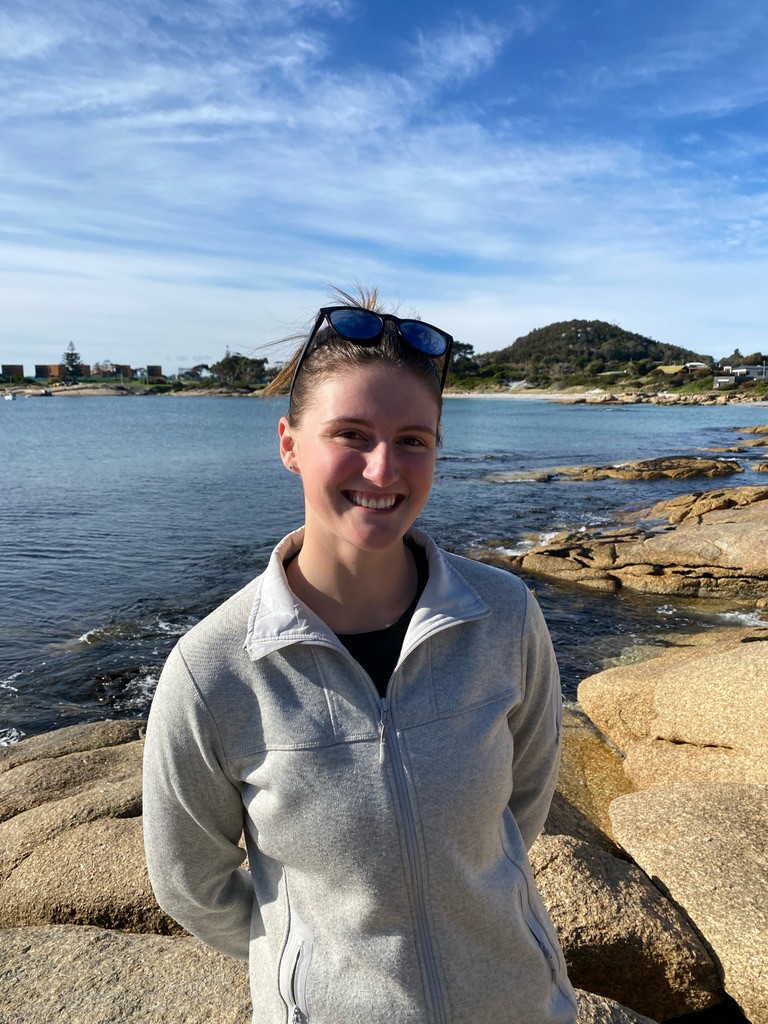
But, after completing her Bachelor of Marine and Antarctic Science at the University of Tasmania, she made her own way to Maria Island after all.
Tamsin now works as a tour guide with Maria Island Cruises, using her knowledge of marine biology to make sure visitors not only have fun experiencing Tasmania’s natural wonders, but they learn from her expertise along the way.
“I love being on the water, it’s a really good gig,” Tamsin said.
“But being able to teach people something, when they’re really engaged and want to learn, and they’re so excited when they see something, that’s the icing on the cake.”
Always a keen science student, Tamsin focused on environmental science and applied science during high school at St Brendan-Shaw College.
Having spent a lot of time in, on, and around the water as a child, she had a particular interest in marine science, which initially inspired her childhood dream of becoming a dolphin trainer.
“Mum and dad told me to think outside the box a bit with that one,” she laughed.
“I spent a lot of time fishing and diving with my family, though. And while I’ve always loved animals, I don’t have the stomach to be a vet, so I wanted to base my career on animals in a different way.”
She took part in the University of Tasmania’s Working on Water Program in grades nine and ten, an IMAS initiative to introduce students to career opportunities in the marine sector.

And in grade 12 she was enrolled to do the University’s Practical Introduction to Temperate Marine Biology course, essentially a week-long field trip to Maria Island to explore the environment as a marine scientist.
“I’d been looking forward to that experience since grade seven,” she said. “But that year covid hit, and we couldn’t go. I was heartbroken!
“But the University pulled together an online version of the course for us, which was still a good taster for uni, learning about how to do the assignments, what lectures were like and so on.”
The following year, Tamsin moved to Hobart to start her Bachelor of Marine and Antarctic Science, majoring in Marine Biology, and working casually as a trainer at the UniGym in between.
“In my final year (2023), I was coaching one of my regulars, who works at the uni, and he mentioned he had a friend who owned the cruise company, and there was a job going,” Tamsin said.
“So, it all happened at just the right time. I was trained up by Maria Island Cruises in September and, when I graduated in December, I already had my job lined up.”
Tamsin now spends her workdays on the water, helping visitors enjoy and understand the Tasmanian environment. And she takes her role as a science communicator very seriously.
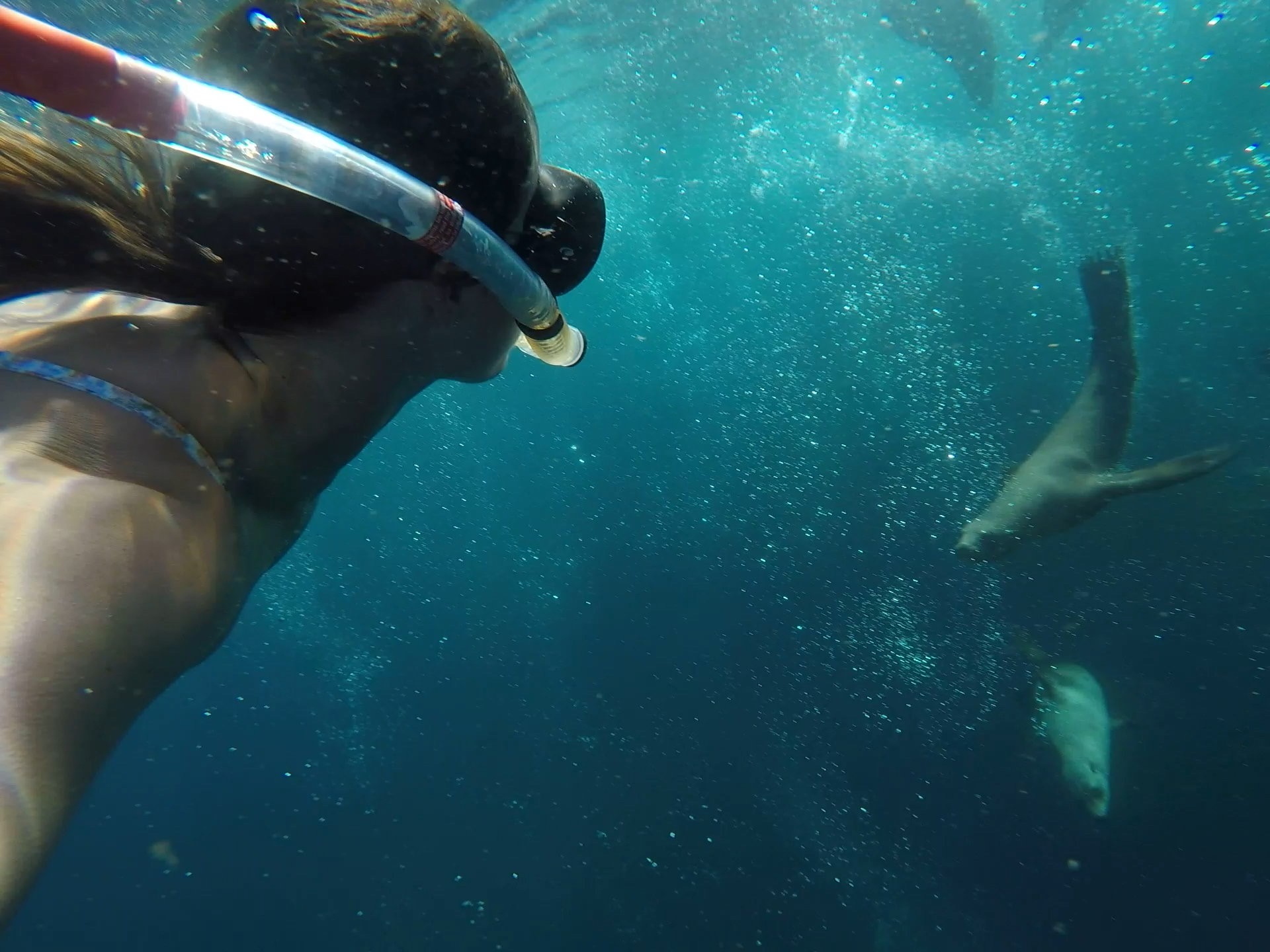
“Nearly every day at work, there will be one passenger who will start talking to me about my life and ask me ‘when are you going to start using your degree?’ And I always answer: I AM using my degree!
“I guess a lot of people make this assumption that, if you’ve been to uni, you need a nine-to-five office job. But I’m using my degree all day, every day.
“I’m conveying scientific messages as a public speaker, I’m on the water 8-10 hours a day educating people about the ecosystem and climate change, and I’ll sometimes have people on the boat who are geologists, and I’m learning from them, too.”
And Tamsin is always looking for more ways to get out into the field and get hands-on with her degree. The seasonal nature of the ecotourism industry means she has the time to explore other opportunities, like working on fisheries management projects. And next year she will spend three months in South Africa as a horse-riding tour guide.
“I want to keep doing ecotourism for a while, I really love it,” she said. “It’s like the gap year I never had!”
- Our Bachelor of Marine and Antarctic Science offers a choice of five majors, so you can choose your own adventure: Marine Biology, Marine Resource Management, Marine and Antarctic Governance, Oceanography, or Sustainable Aquaculture.