

After growing up immersed in the bush and farm life in regional New South Wales, Chantelle Blackwell’s curiosity about the ocean led her to having a rewarding career in conservation aquaculture in Tasmania.
“I grew up surrounded by farm animals. The closest I was to the ocean was the dam on the farm with yabbies,” said Chantelle, who is a technical officer at the University of Tasmania’s Institute for Marine and Antarctic Studies (IMAS).
“Each year as a Christmas tradition, we would go camping and snorkelling as a family. Being underwater was such a new world to me, teaming with life, and I just fell in love with the beauty of it all.
"I still remember the first time I saw a stingray snorkelling with my Dad. Its size made me realise how tremendous the ocean is. I’ve always kept that memory with me.”
Before moving to Tasmania several years ago, Chantelle graduated from a marine biology degree in Queensland, where she discovered the positive impact she could make by working in aquaculture.
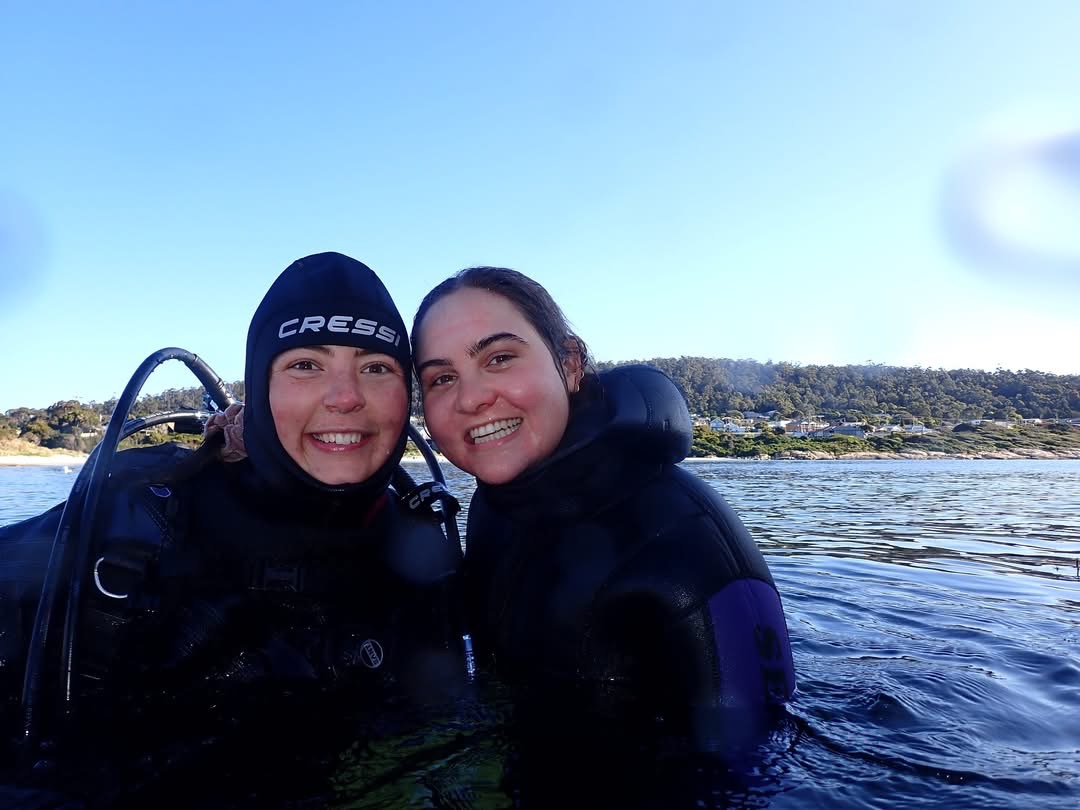
“I commenced my studies with a naïve perspective, loving being in the ocean, without having the appreciation of the reality of the challenges it was facing, and the associated social, economic and environmental implications of all that rely on a healthy ocean,” she said.
“Aquaculture was pitched as a solution to help combat growing pressure on wild fisheries, to produce seafood protein to feed a growing human population. It’s like agriculture but in the water. I hadn’t thought of it that way before.”
After honing her skills through an internship working with prawns in Queensland, Chantelle made the move to Tasmania, where she worked on the ARC for Sustainable Onshore Lobster Aquaculture project at IMAS. She has since transitioned to working on a captive breeding program for the Maugean Skate.
“I’ve fallen in love with Tassie. There's so much opportunity here especially in the marine industry. IMAS is incredible with its research and groundbreaking conservation programs. You’re constantly learning,” she said.
“I’m enjoying the diversity and pragmatic nature of working in aquaculture. One day you are on the boat out in the field, the next doing on-site husbandry, or data analysis, and even collaborating with the University Vets to carry out health assessments and sampling – it’s something new all the time.”
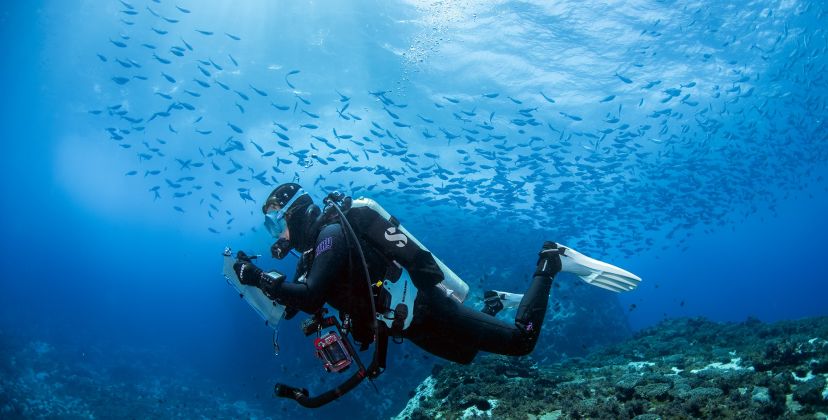
Cover image: Chantelle diving by Larnie Linton