

Seven University of Tasmania researchers have received more than $8.2 million from the Australian Research Council (ARC) for projects spanning Antarctic science, history and governance, marine conservation, forestry and biological data.
Their work will examine Antarctica’s changing ice, the future of international cooperation on the continent, fairness in marine conservation, drought-resistant trees and new ways to make sense of complex biological data.
University of Tasmania Deputy Vice-Chancellor (Research) Professor Nicole Webster congratulated the researchers and the teams who supported their applications.
“This is an outstanding result for the University and a wonderful recognition of the talent, ambition and leadership of our seven Future Fellows,” Professor Webster said.
“These projects tackle important questions for Australia and the world, from the future of Antarctica and our changing climate to marine conservation, resilient forests and better ways to understand complex biological data.
“I warmly congratulate each of our successful researchers and thank the many colleagues who supported them through this highly competitive process. This investment will give them the time and backing to pursue ambitious ideas and build research programs with lasting impact.”
The University’s 2026 Future Fellows are:

Associate Professor Alessandro Antonello, School of Humanities and Social Sciences
Associate Professor Antonello has been awarded $1,304,523 for his project, Occupying the ice: a history of Antarctic scientific stations since 1945.
He will use historical records, interviews and objects from Antarctic stations to examine how people have lived and worked there since 1945.
The research will help governments better understand how decisions about Antarctic stations affect the environment, international relations and the continent’s cultural heritage.
“I’m excited to continue exploring Antarctica’s histories and cultures with the generous support of the Australian Government,” Associate Professor Antonello said.
“Antarctic research stations might seem isolated, but they are rich sites of history that can tell us much about our relationship with the icy continent.
“I hope my work will help people in Australia and around the world understand these important places and their deep histories.”
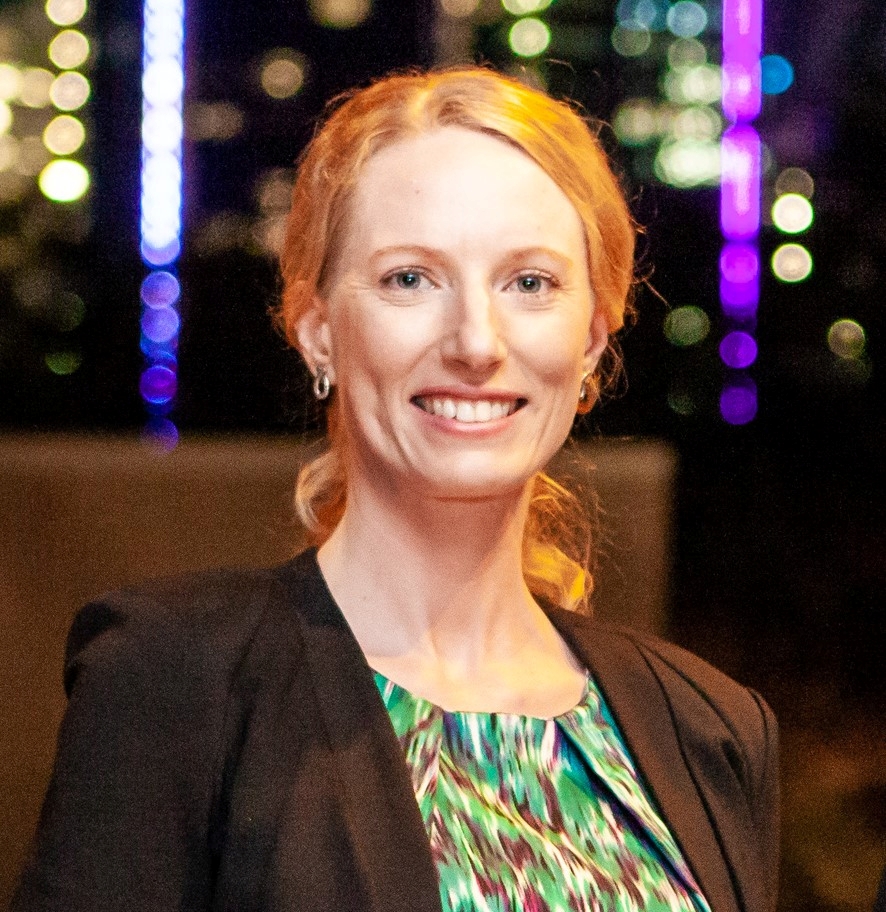
Dr Georgina Gurney, Institute for Marine and Antarctic Studies (IMAS) / School of Geography, Planning and Spatial Sciences
Dr Gurney has been awarded $1,167,905 for her project, Just conservation: identifying policy levers for equitable conservation governance.
Conservation areas are set to cover 30 per cent of the planet, but they can fail to protect nature and benefit people when local communities are excluded from decisions or do not share in the benefits.
Dr Gurney will examine how governments, conservation groups and communities understand fairness in different social and cultural settings. Her findings will help decision-makers develop conservation programs that are fairer and more effective.
“I’m very excited to be awarded a Future Fellowship and grateful for the opportunity it creates to expand my research on equity in marine conservation,” Dr Gurney said.
“The Fellowship will enable me to examine how equity is understood and put into practice in conservation, from local to global levels.
“The research will help decision-makers navigate the clashing understandings of equity that often fuel conservation conflicts and, ultimately, support fairer and more effective conservation that benefits both people and nature.”
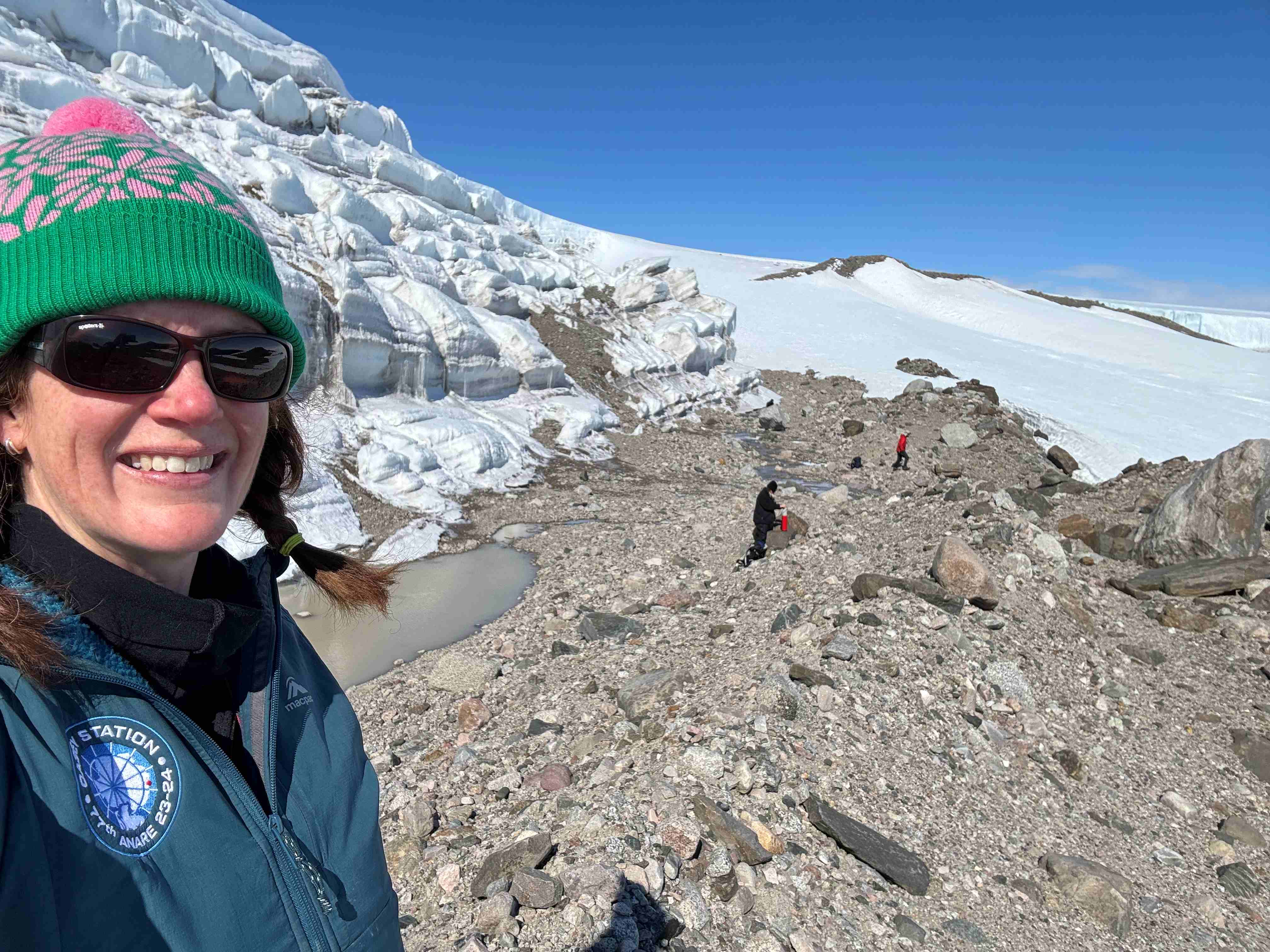
Associate Professor Jacqueline Halpin, Institute for Marine and Antarctic Studies (IMAS)
Associate Professor Halpin has been awarded $1,328,472 for her project, Shifting sands record the dynamic evolution of the East Antarctic Ice Sheet.
Layers of sediment under the ice can affect where glaciers move and how quickly they flow. Associate Professor Halpin will study these buried landscapes to learn how Antarctica’s geology and ice have changed over time.
The results will help researchers improve computer models of the ice sheet and better estimate future sea-level rise.
“I’m so thrilled about this outcome. This Fellowship allows me to build a dedicated research team, including a postdoctoral researcher and higher degree research students, to address fundamental questions about Antarctic geology, climate history and ice-sheet dynamics,” said Associate Professor Halpin, who is a Chief Investigator with the Australian Centre for Excellence in Antarctic Science (ACEAS).
“We will investigate how sedimentary basins influence Antarctic ice-sheet behaviour and stability, both today and during past warm climate periods.
“The project will use unique Antarctic samples and international collaborations to generate new knowledge about one of the world’s most climate-sensitive regions.”
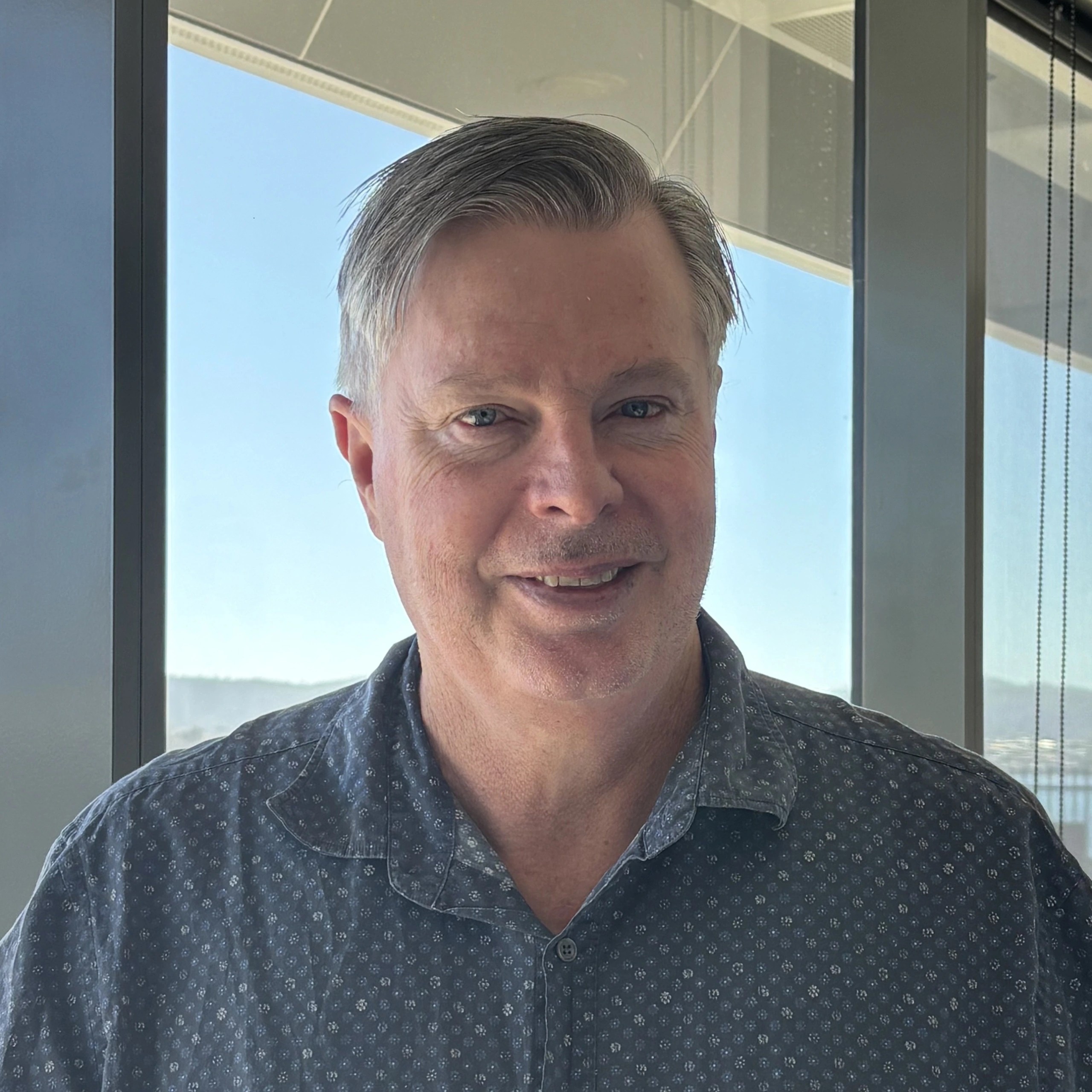
Professor Jeffrey McGee, Faculty of Law / Institute for Marine and Antarctic Studies (IMAS)
Professor McGee has been awarded $1,270,775 for his project, Securing Antarctic Governance in an Era of Climate and Geopolitical Change.
The Antarctic Treaty System sets out how countries work together in Antarctica. Professor McGee will study how it has dealt with past environmental and political disputes and identify ways countries could negotiate future challenges.
The project will provide practical strategies to support cooperation and effective decision-making in Antarctica.
“I was thrilled to learn that my Future Fellowship had been funded by the ARC,” Professor McGee said.
“This four-year project will allow me to develop strategies that Australia and other countries could use to strengthen the Antarctic Treaty System at a time of significant climate and geopolitical change.”
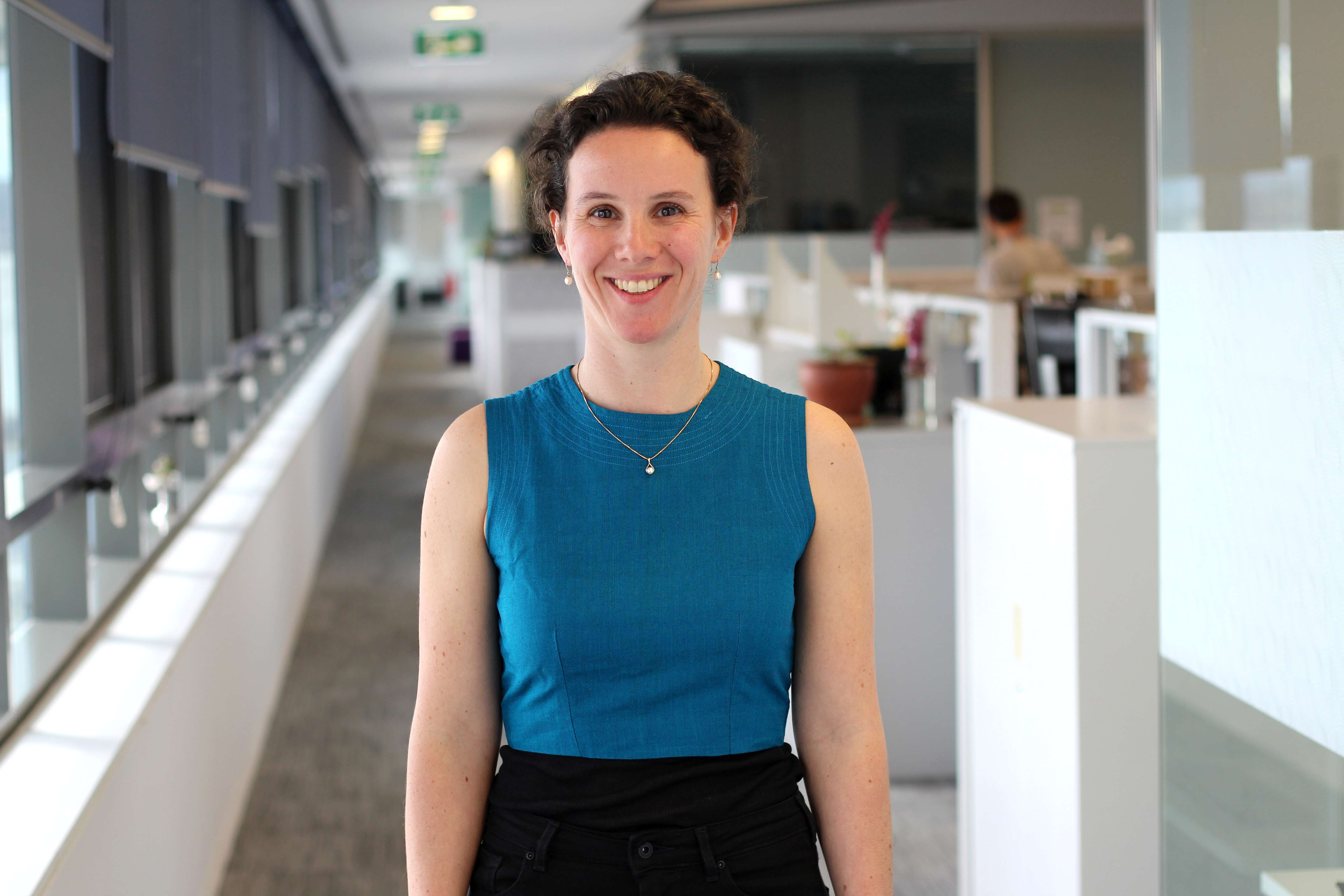
Dr Amelie Meyer, Institute for Marine and Antarctic Studies (IMAS)
Dr Meyer has been awarded $1,168,364 for her project, Southern Ocean Heat and Mixing: Can Antarctic Sea Ice Recover?
Antarctic sea ice has reached record lows in recent years. Heat moving up from the deep ocean can melt sea ice from below. Dr Meyer will measure this movement of heat beneath Antarctic sea ice and combine the results with existing ocean data.
The research will help scientists better understand the causes of sea-ice loss and improve climate and sea-ice predictions.
“When I realised my Future Fellowship had been funded, I felt like I was floating on a cloud, carried away with joy and excitement,” Dr Meyer said.
“I am so thrilled to be able to work on Antarctic sea ice and the ocean. There are still so many unknowns, with implications for Australia and the global climate.
“Research funding in science is precious, and this is an enormous opportunity to contribute and do the science we need to face today’s and tomorrow’s challenges.
“This project will allow me to collect new measurements of ocean turbulence under Antarctic sea ice and assess how likely the ice is to recover from recent record lows.
I will be able to join several voyages to the Antarctic margin, train PhD students, deploy new instruments under the sea ice and collaborate with researchers around the world.”
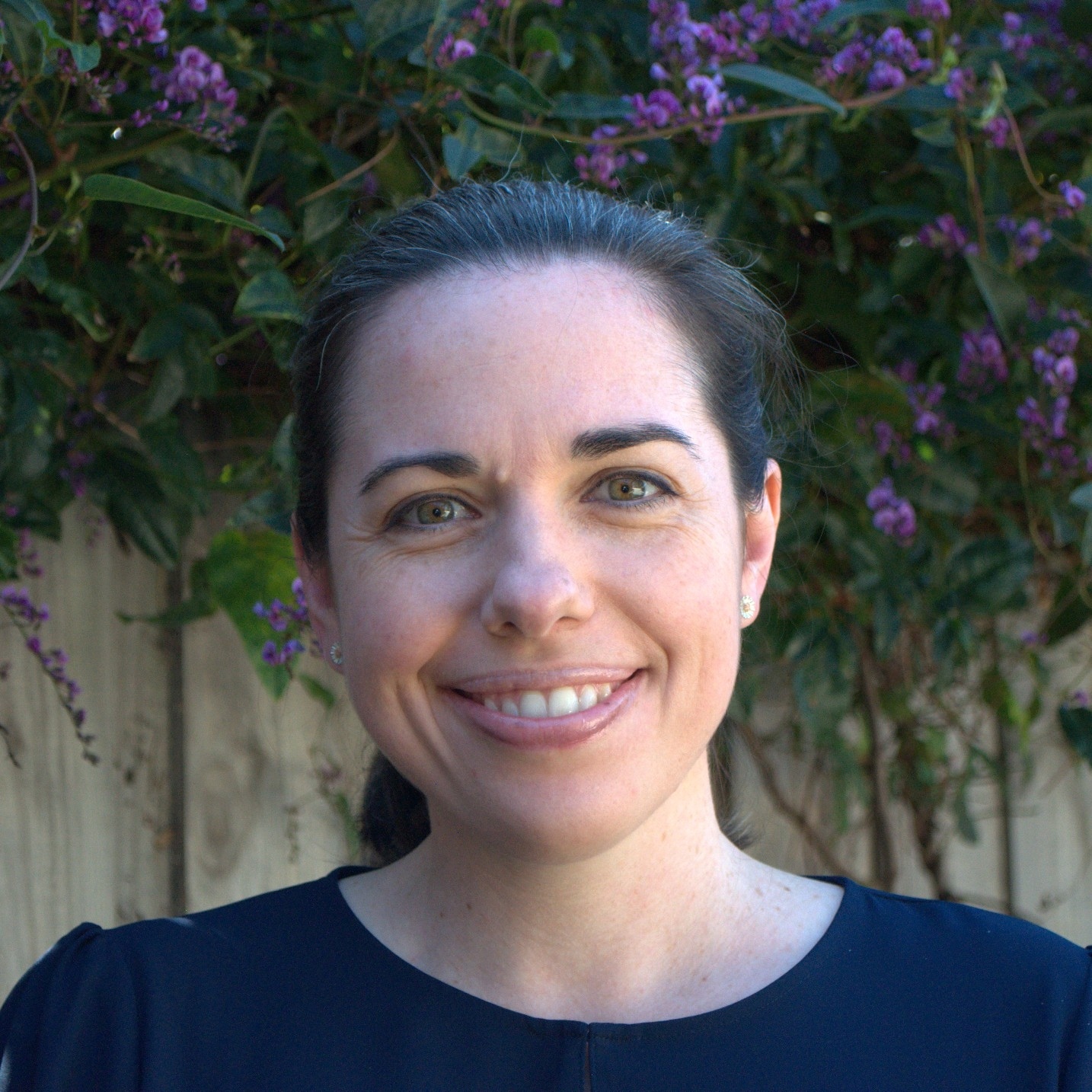
Dr Frances Sussmilch, School of Natural Sciences
Dr Sussmilch has been awarded $1,006,904 for her project, Toughing out drought: identifying molecular mechanisms for plant survival.
Her research will focus on radiata pine, Australia’s most widely planted softwood tree. She will examine how the trees respond to a lack of water and whether surviving one drought changes how they cope with the next.
The findings could help forestry breeding programs develop more drought-resistant trees and prepare Australia’s $23 billion forestry industry for a hotter, drier climate.
“I am incredibly honoured to receive an ARC Future Fellowship,” Dr Sussmilch said.
“This Fellowship provides a rare opportunity to support a long-term research vision, tackling fundamental questions about how trees survive drought to help safeguard our future forests.”
Dr Luke Yates, School of Natural Sciences
Dr Yates has been awarded $1,002,442 for his project, Harnessing structure in data to solve complex biological problems.
A species’ ancestry, genes and location can all affect research results. Dr Yates will develop statistical and machine-learning tools that take these connections into account rather than treating them as background noise.
The project will produce free software and clear guides for researchers. Australian case studies will test how the tools could support biodiversity conservation and the development of crops suited to a changing climate.
The ARC’s 2026 Future Fellowships round will provide more than $344 million in Australian Government funding for more than 290 research projects across Australia.
Future Fellowships support mid-career researchers to build their research programs, develop new ideas and strengthen Australia’s research capability.