



A new field guide released this week brings together established and emerging scientific techniques for assessing how finfish aquaculture interacts with marine environments, from soft sediments and seagrass beds to inshore rocky reefs and deep reefs.
The Guide to the Environmental Monitoring and Assessment for Finfish Aquaculture was developed by the University of Tasmania’s Institute for Marine and Antarctic Studies (IMAS), and brings together almost two decades of scientific research in Tasmania’s coastal waters.
“Since the release of the original field guide by Macleod and Forbes in 2004, both the location and scale of marine finfish aquaculture operations in Tasmania have changed significantly,” said IMAS researcher, Professor Jeff Ross.
“Our new guide covers a broader spectrum of environments – and is designed to be a practical resource for a wide range of users, including aquaculture operators, regulators, environmental consultants and researchers.”
 The guide outlines comprehensive methods for designing and implementing monitoring programs tailored to each key marine habitat:
- Soft sediments: benthic faunal surveys, sediment chemistry testing and core sampling are recommended, supported by visual assessments to detect physical changes
- Reef systems: methods range from in situ biodiversity surveys and indicator species assessments, through to advanced tools such as underwater video and acoustic mapping
- Seagrass habitats: frameworks for mapping distribution and tracking changes in density and health are provided, particularly in response to organic enrichment or sedimentation.
The guide also introduces newer tools such as remote video methods capable of tracking changes over larger spatial scales, and environmental DNA (eDNA) metabarcoding. Each method comes with guidance on how and when to use it, what data it provides, and its limitations.
“It also addresses the challenges of monitoring and evaluating impacts in different environments, emphasising the importance of locally relevant baseline information for assessing performance,” said Professor Ross.
“And while the focus is on finfish aquaculture, the methods and principles it covers apply to any activities that may affect organic loading in marine environments.
“It offers a solid framework for assessing baseline health, tracking change, and supporting recovery across a range of habitat types.”
The Field Guide is available to download here. It was developed under project 2015-024 managing ecosystem interactions across differing environments: building flexibility and risk assurance into environmental management strategies, which is supported by funding from the FRDC on behalf of the Australian Government.
 Fast Facts:
The Guide to the Environmental Monitoring and Assessment for Finfish Aquaculture:
- ensures monitoring remains scientifically robust and adaptable to the diverse environments where aquaculture occurs
- is designed for aquaculture operators, regulators, consultants and researchers as a consistent reference for planning and interpreting monitoring data
- draws on over two decades of scientific research on the influence of finfish aquaculture on marine habitats in Tasmania – this includes FRDC projects on Managing ecosystem interactions across differing environments: building flexibility and risk assurance into environmental management strategies (2015-024) and Storm Bay Observing System: Assessing the Performance of Aquaculture Development (2018-131), and research supported by the Sustainable Marine Research Collaboration Agreement (SMRCA).
Images (from top):
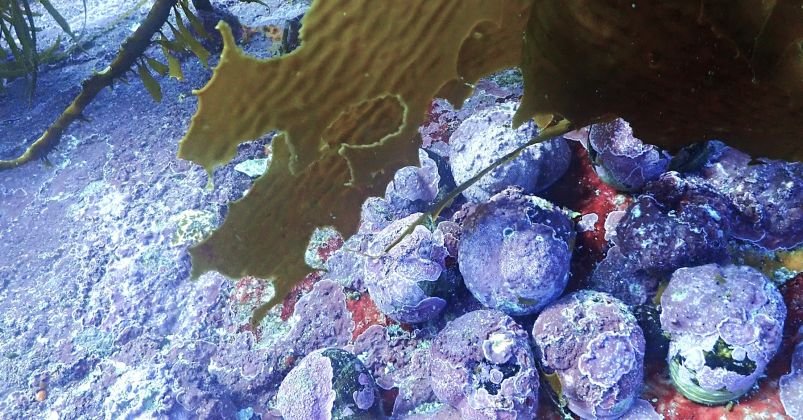
- IMAS diver undertaking a Rapid Visual Assessment (RVA) on a rocky reef. Photo: IMAS
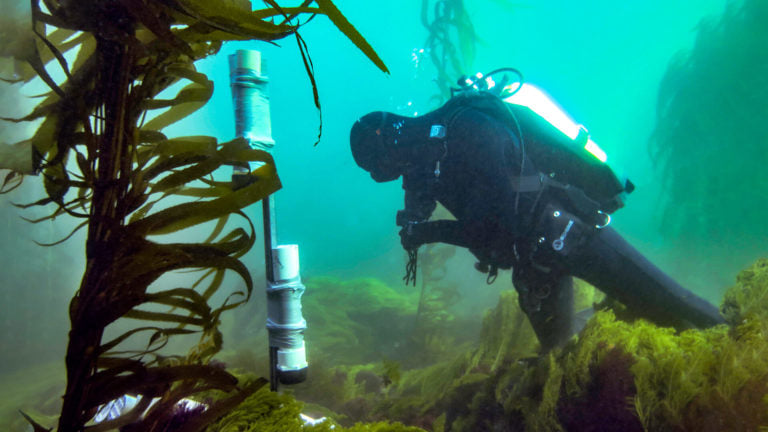
- IMAS diver checking sediment traps. Photo: Olivia Johnson IMAS
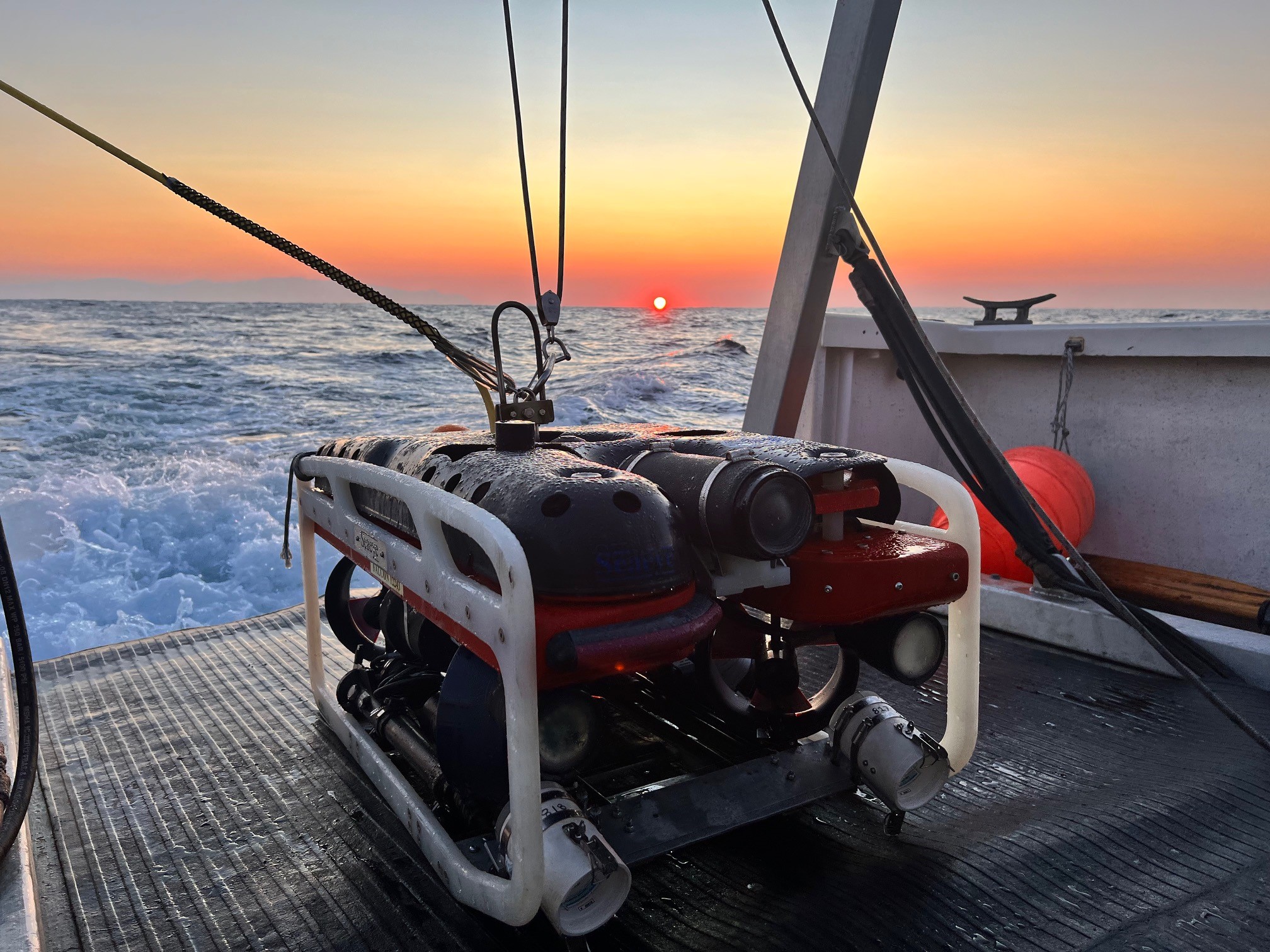
- Falcon Remotely Operated Video (ROV). Photo: Justin Hulls IMAS