


As AI arrives in our classrooms and teachers face increasing complexity, it helps to have Australia’s number one researcher in teacher education on hand.
Even more when that scholar’s specialisation is technology in our schools.
Professor Louise Starkey, from the School of Education, was recently named the nation’s top expert on teaching and teacher education in The Australian’s 2026 Research magazine.
The rankings identify the top researcher in each of 250 fields, prioritising the quality and impact of their work.
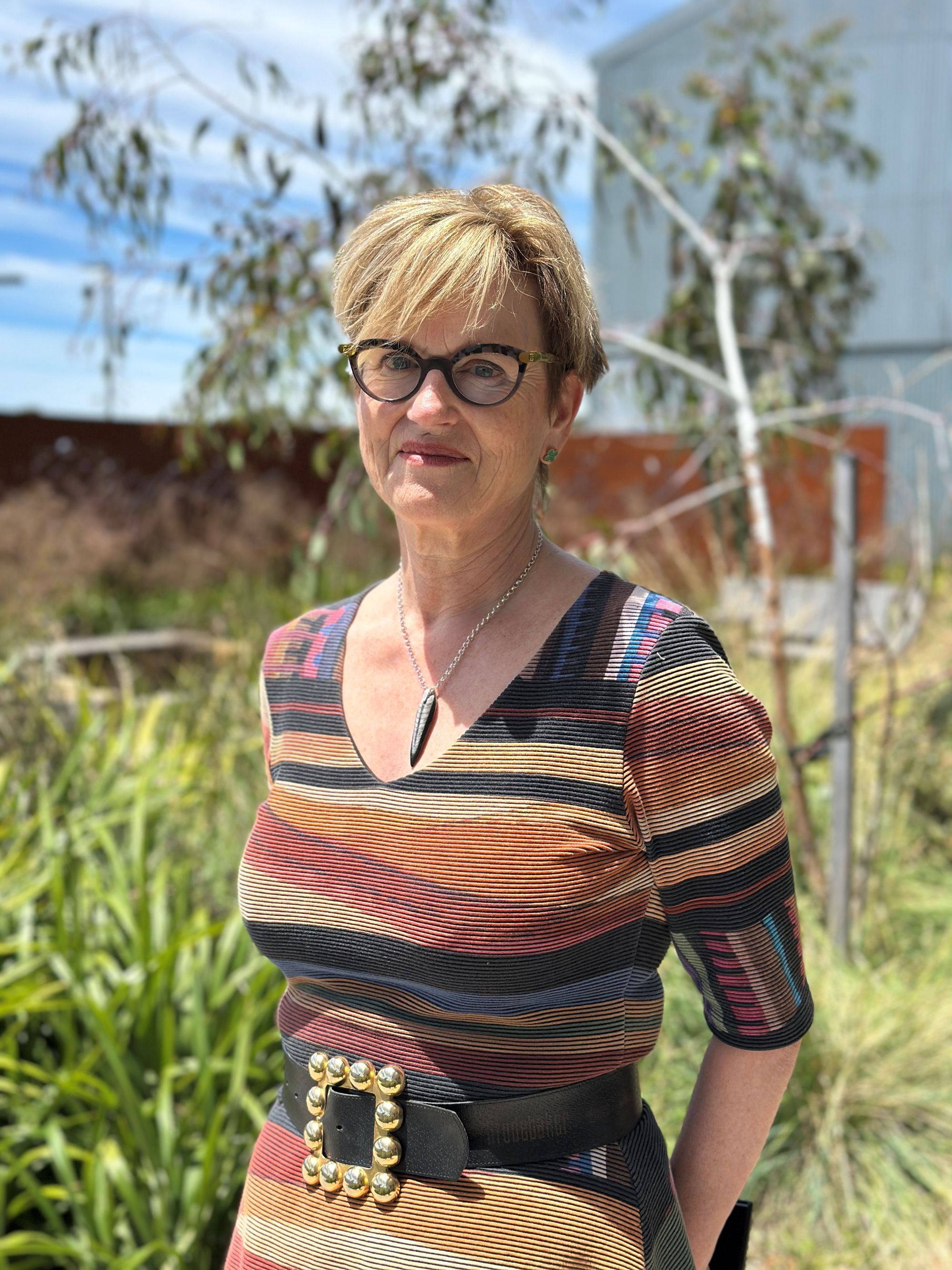
Unsurprisingly, Professor Starkey’s groundbreaking work on the intersection of education and technology in our rapidly changing world rated highly.
“I am interested in the implications of the use and infusion of digital technologies in education,” she said.
“My research has taken a broad view to explore aspects of education as digital technologies evolve and are introduced into teaching, learning, schooling administration, and Higher Education.
“Empirical research, by its nature, reports on the present and the past. My research has contributed to the 'so what', which provides the value to the teaching and teacher education research community.”
As AI becomes increasingly integrated into the technologies used in schools, it presents a number of issues, but also opportunities, Professor Starkey said.
These include the need to update curriculum because every discipline is changing with AI and students need to be taught the specific digital skills needed for their field.
They also include students navigating digital platforms, incorporating indigenous knowledge into decision-making about technology, the impacts on educators and funding for digital tools that can be used in education.
Preparing schools for changing technology needs to take a system-wide approach, while remaining focused on the purpose and value of education, Professor Starkey said.
“This means policies and support for thoughtful integration that aligns with the purposes of education,” she said.
“Within schools, it requires decision-making that draws on teachers’ professional knowledge, including understanding the benefits and limitations of digital technologies.”
Keeping teachers’ knowledge up-to-date with professional learning is also important, she said.
Professor Starkey made the move from her native New Zealand because the University of Tasmania’s focus on working with the Tasmanian community appealed.
She now coordinates the School of Education’s main route from undergraduate study and life experience to classroom fulfillment, the Master of Teaching. The MTeach, as it is known, can be undertaken concurrently with a Bachelor’s degree or as a postgraduate course. It prepares students to turn the subject they’re passionate about - whether it’s music, maths or something else - into a profession. Graduates find they have a fulfilling career, greater work-life balance and the opportunity to positively impact the next generation.
“We have a highly skilled team who bring deep expertise in teaching, teacher education, and the Tasmanian context and we attract an exceptional cohort of students,” she said.
“The Master of Teaching equips graduates with strong foundational professional knowledge, enabling them to navigate their careers as confident, capable and resilient teachers of the future.
"Learning within the program is delivered in partnership with the schooling system to ensure graduates are well-prepared for the Tasmanian context.
“As a postgraduate program, the MTeach fosters critical thinking about education – the what, why and how of teaching – developing primary and secondary teachers who will be future leaders in their profession.”
If you’d like to inspire our future generations in the classroom, find out more about our courses.