

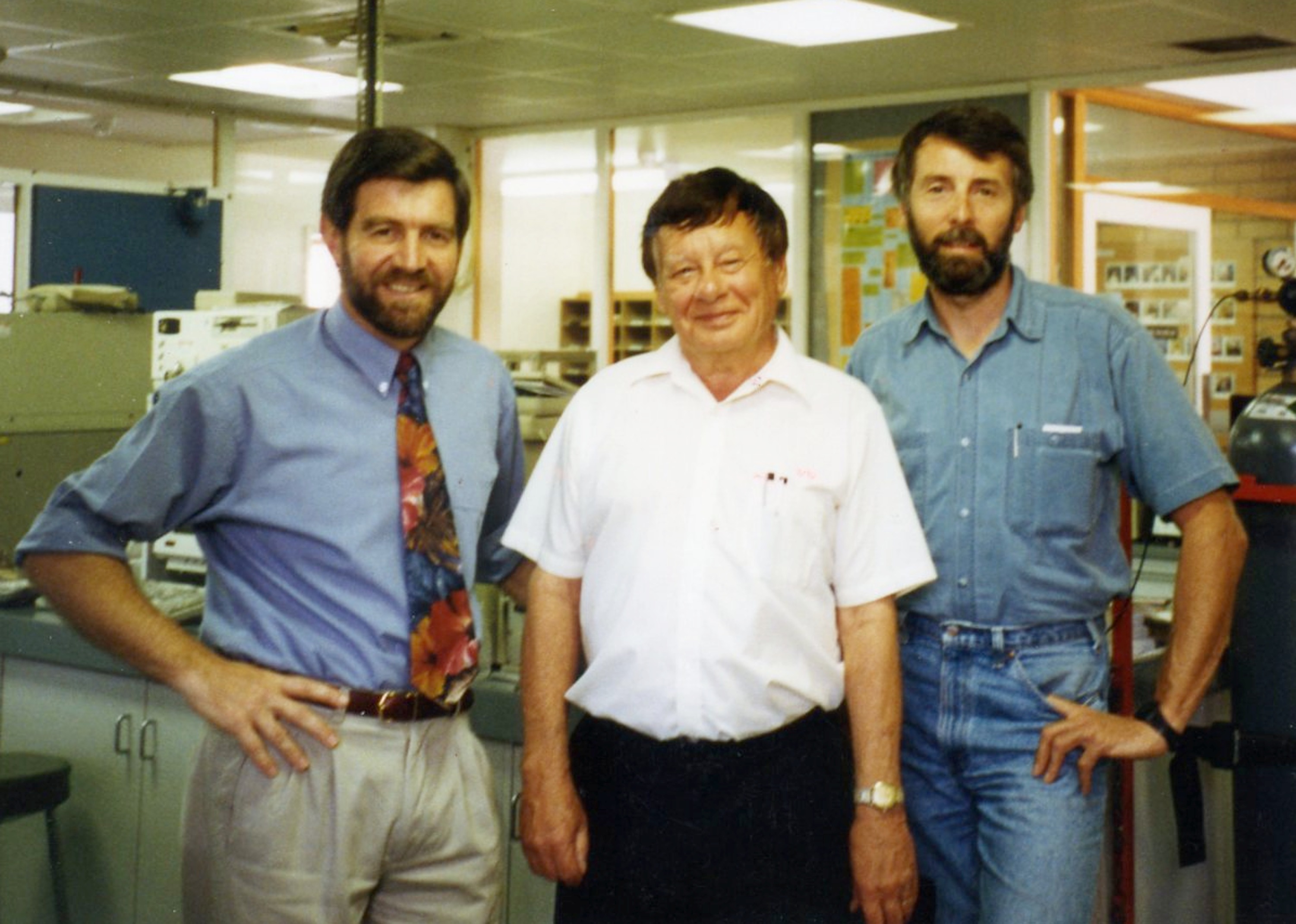
Twenty-five years ago, ACROSS was established to bring together Australia's leading separation scientists. Today, the centre is based within the University of Tasmania's School of Natural Sciences, and its influence can be found in laboratories, industries and research institutions across Australia and around the world.
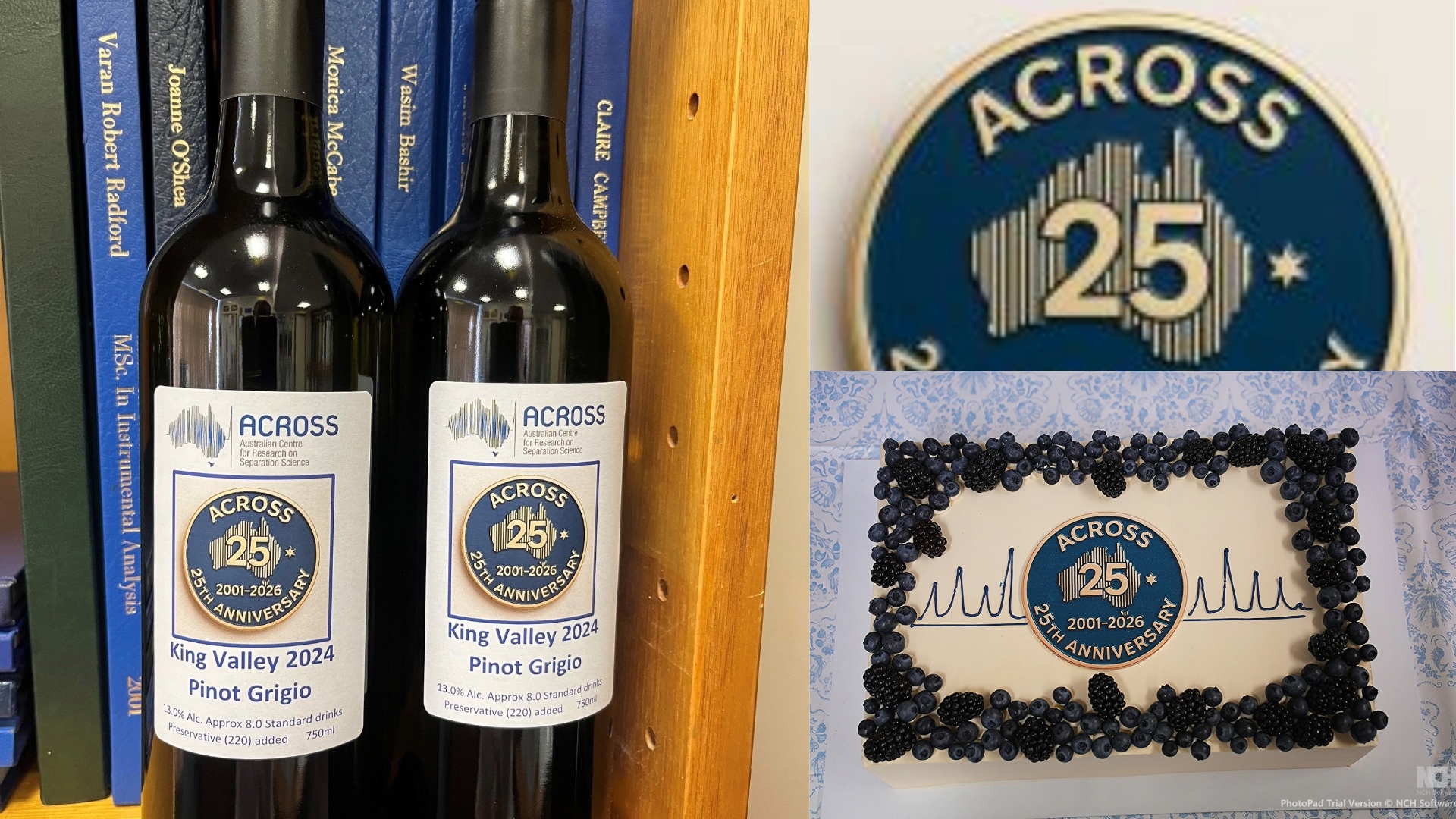
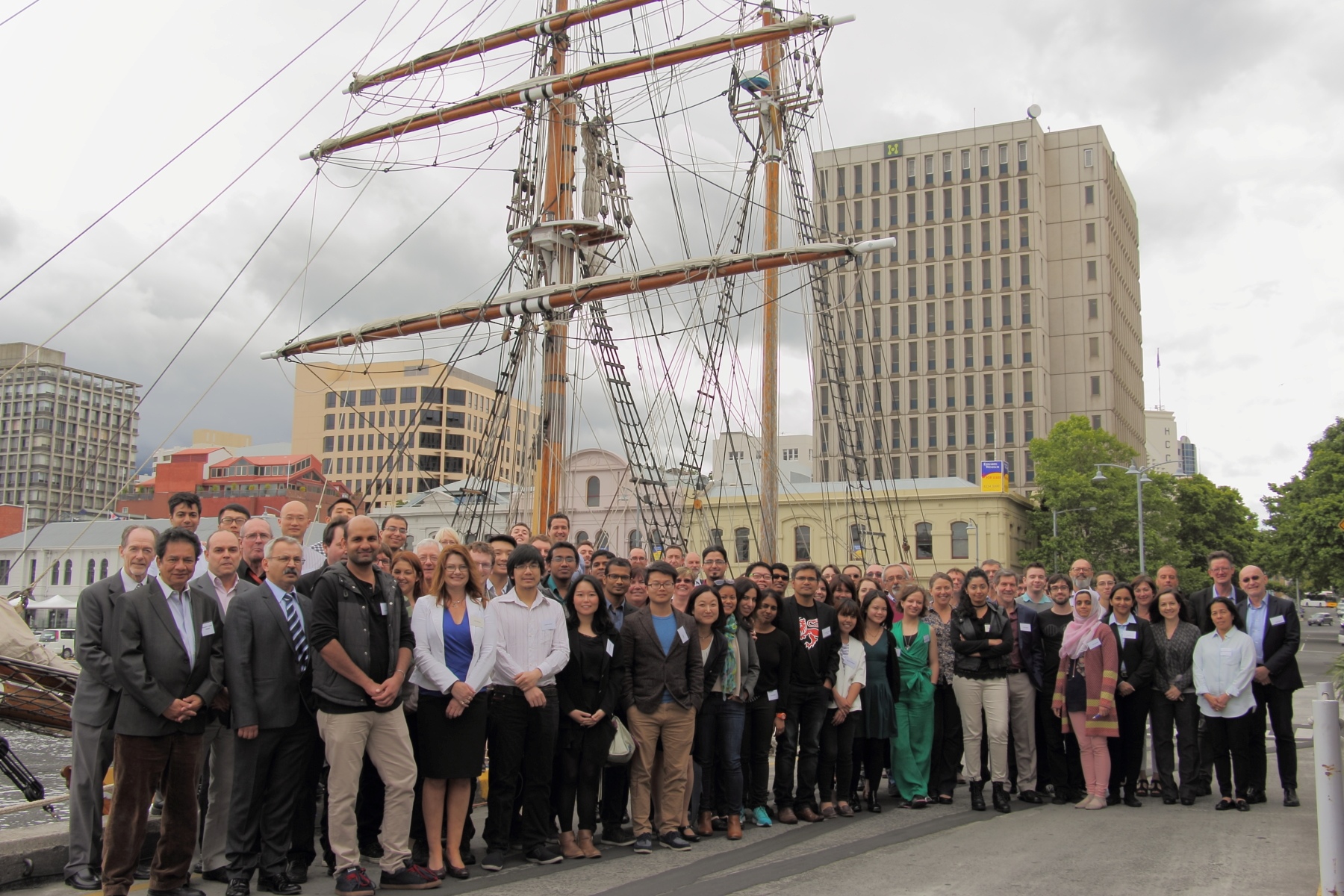
Earlier this year, former students, collaborators, researchers and friends of the Australian Centre for Research on Separation Science (ACROSS) gathered in Hobart to celebrate the milestone.
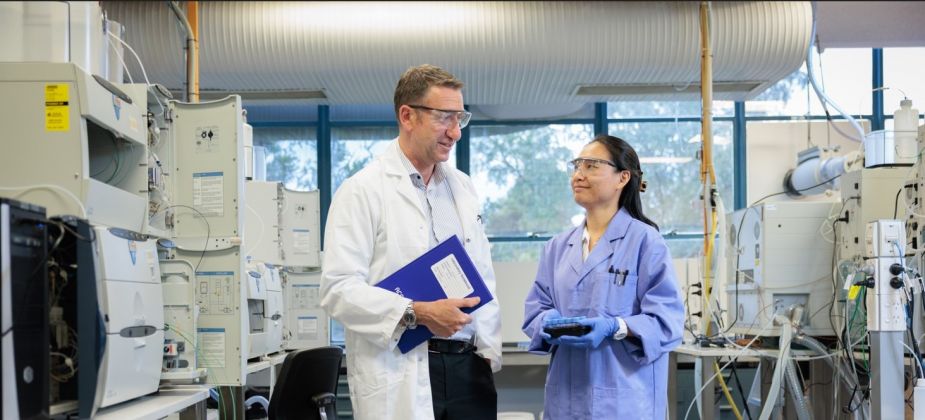
Separation science helps researchers answer difficult questions, from detecting contaminants in water and verifying food authenticity to identifying trace chemicals hidden within complex environmental and biological samples. The discipline underpins advances across environmental science, food systems, biotechnology, forensic science, manufacturing and health.
For 25 years, ACROSS researchers have been developing the tools that make this work possible, building an international reputation for excellence while contributing to research, innovation and training in Australia and overseas.
"It was incredibly special to see so many familiar faces back in Hobart," Professor Brett Paull said.
"Some of the students who passed through ACROSS years ago are now leading their own research groups, working in industry or mentoring the next generation of scientists. That's something we're very proud of."
Over the years, ACROSS has contributed to advances across a wide range of fields, from environmental monitoring and food science to analytical instrumentation and chemical analysis.
Its research output includes more than 1,400 published papers involving more than 2,000 co-authors from Australia and around the world.

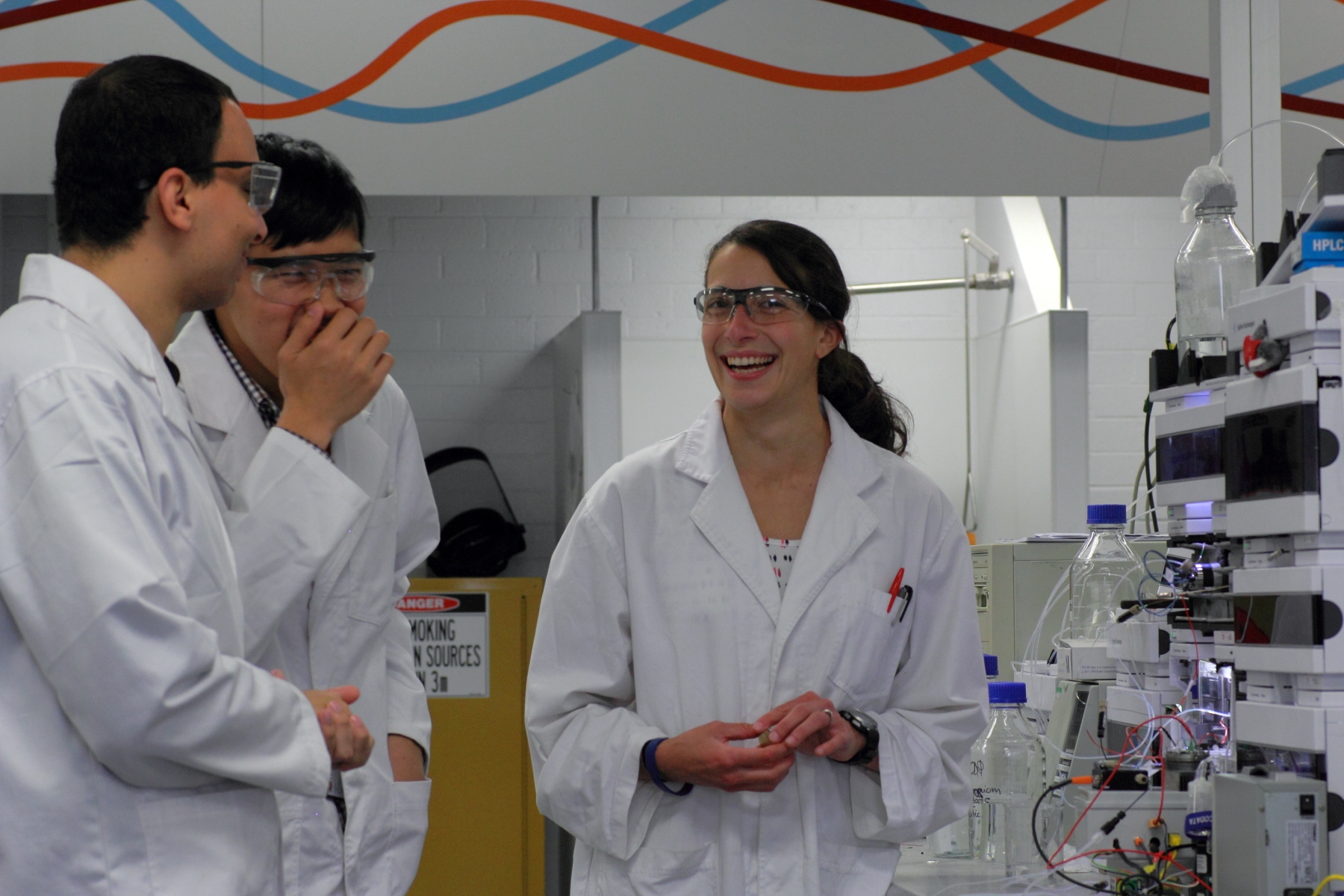
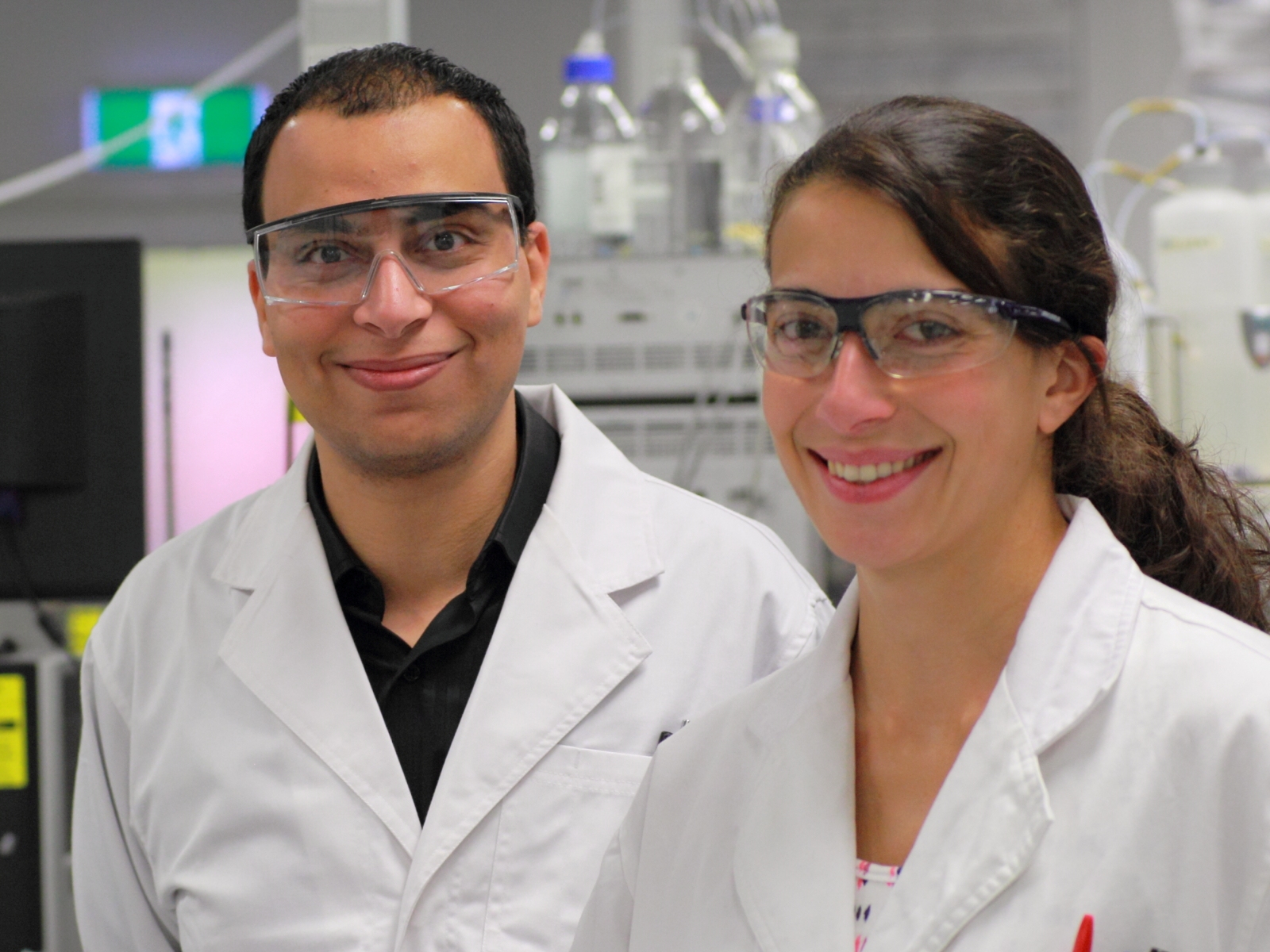

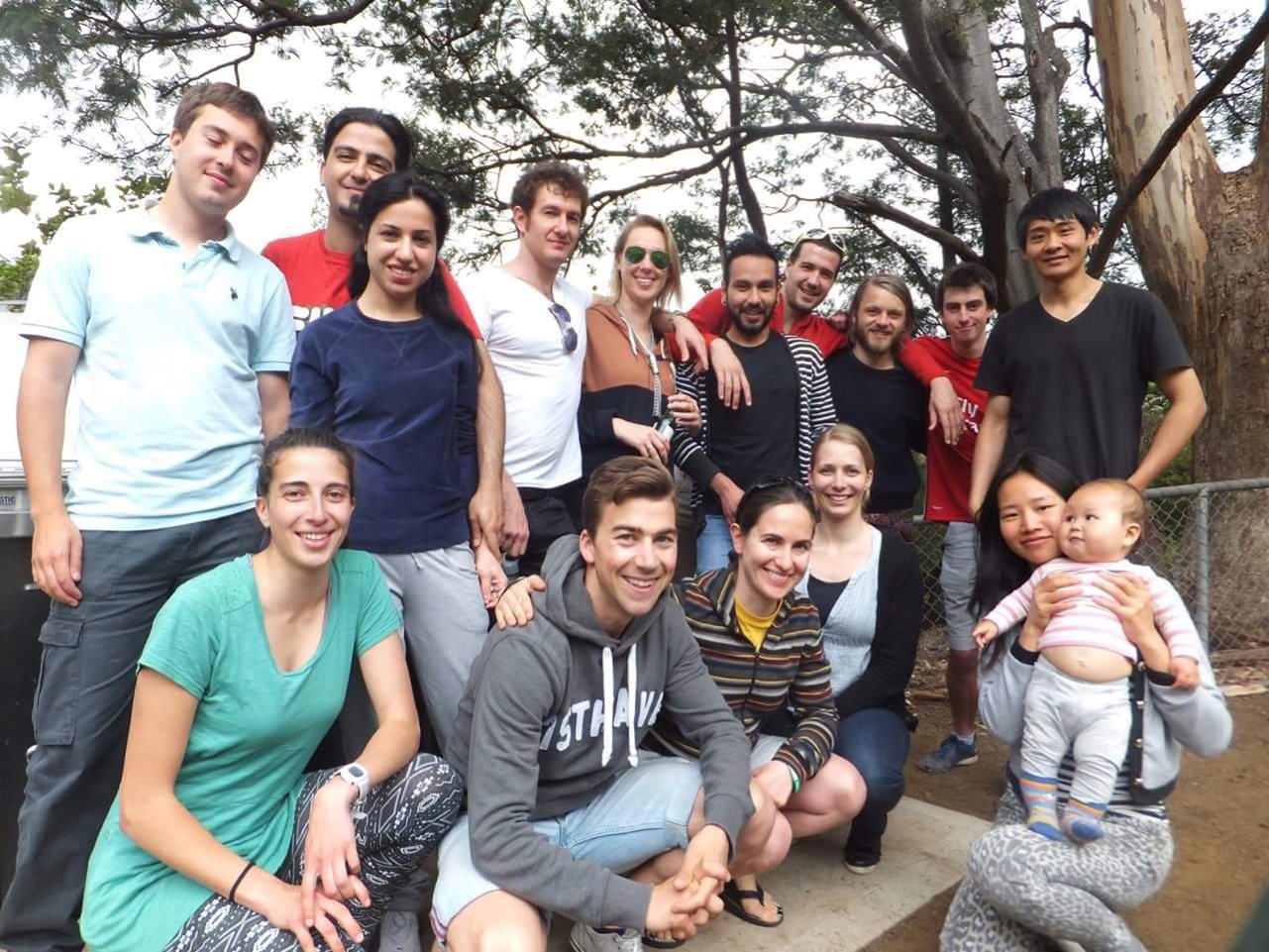
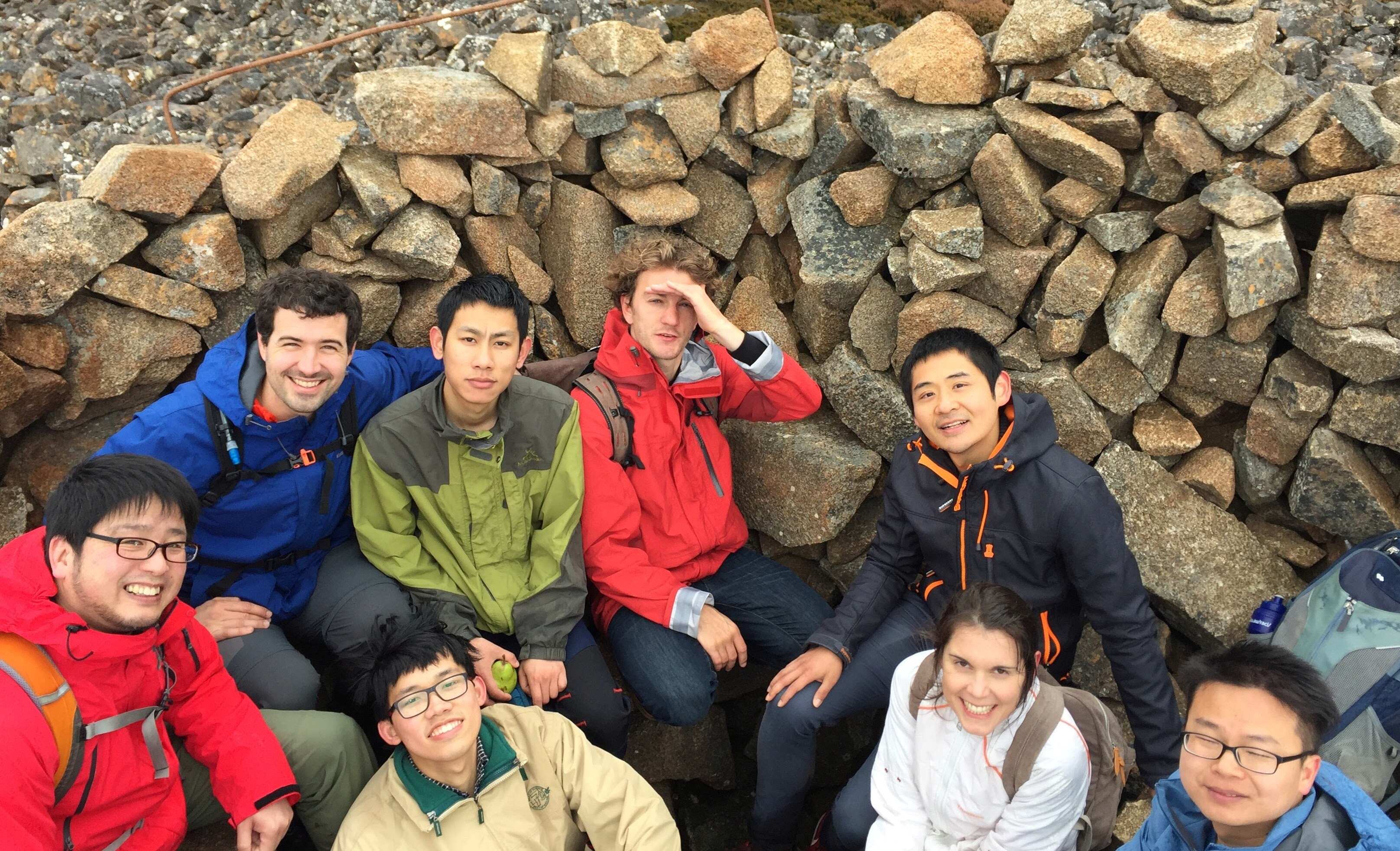
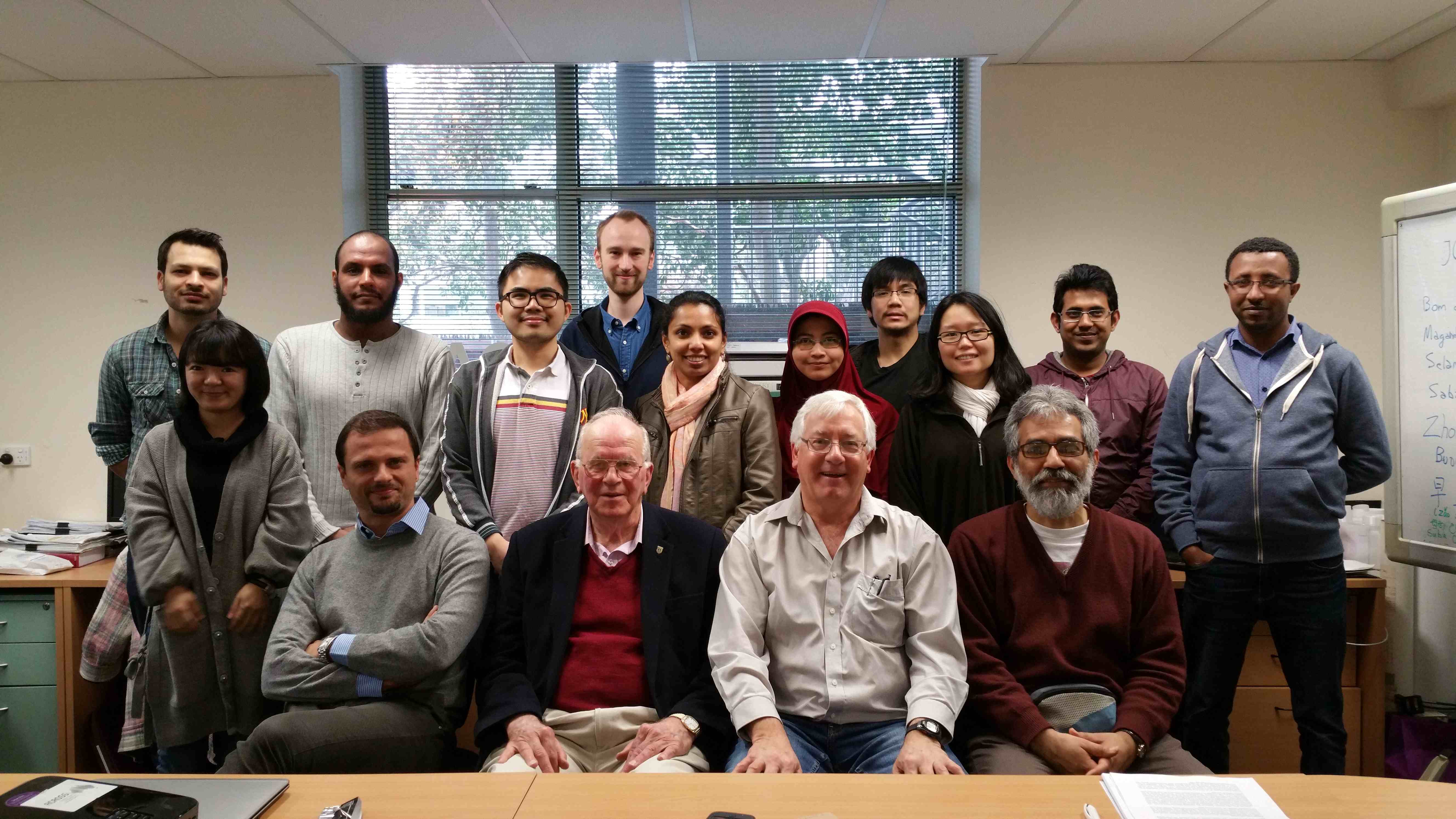
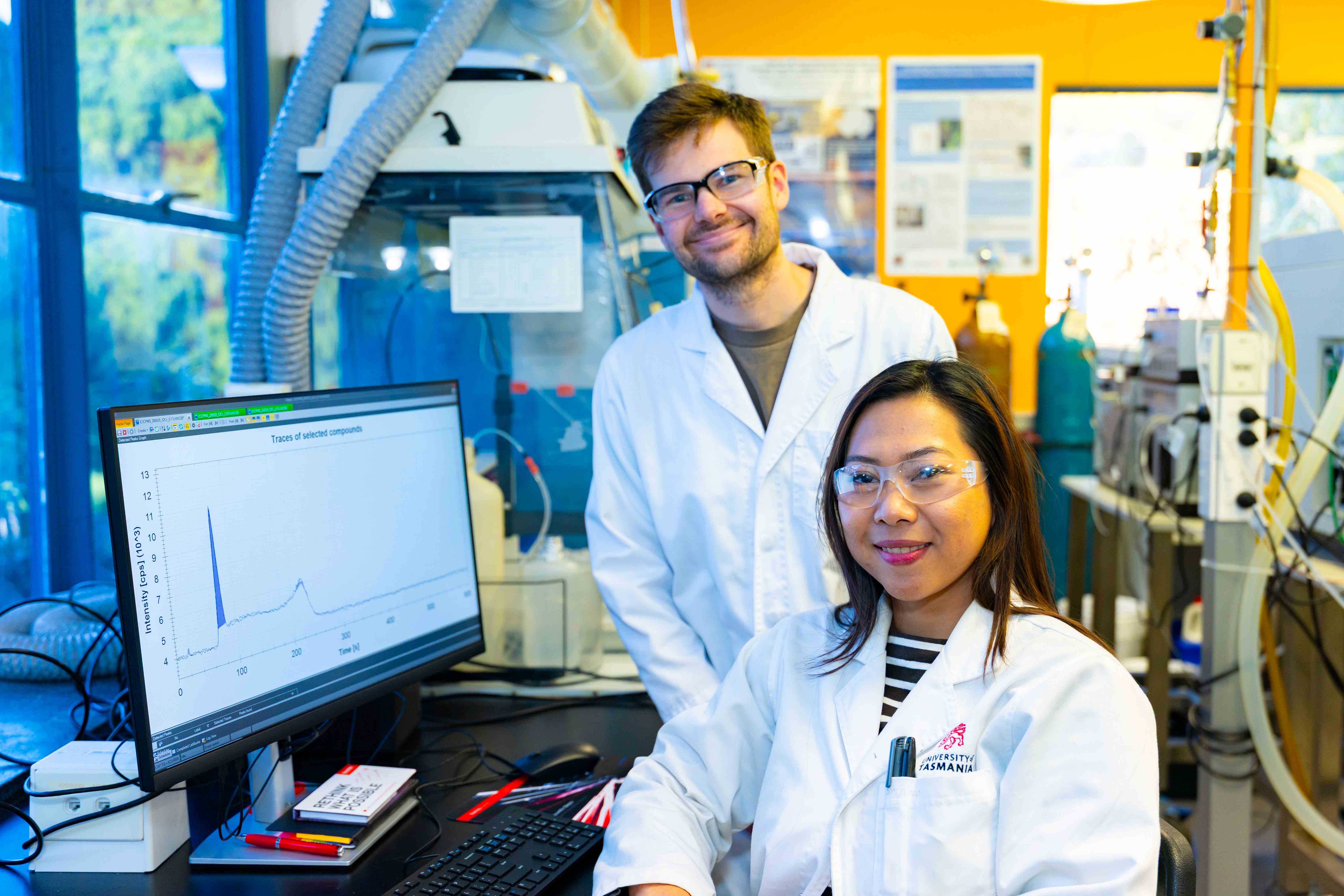
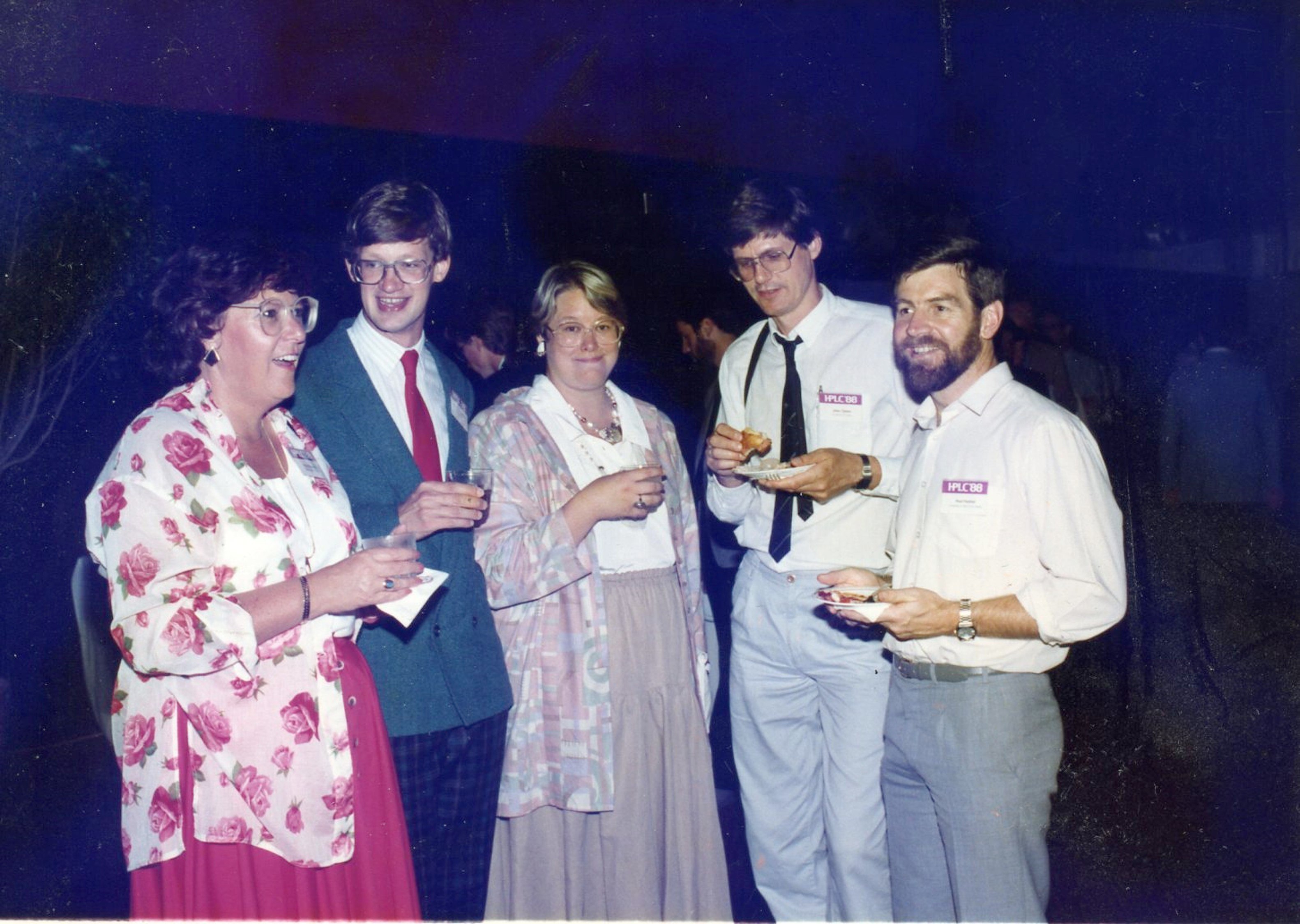
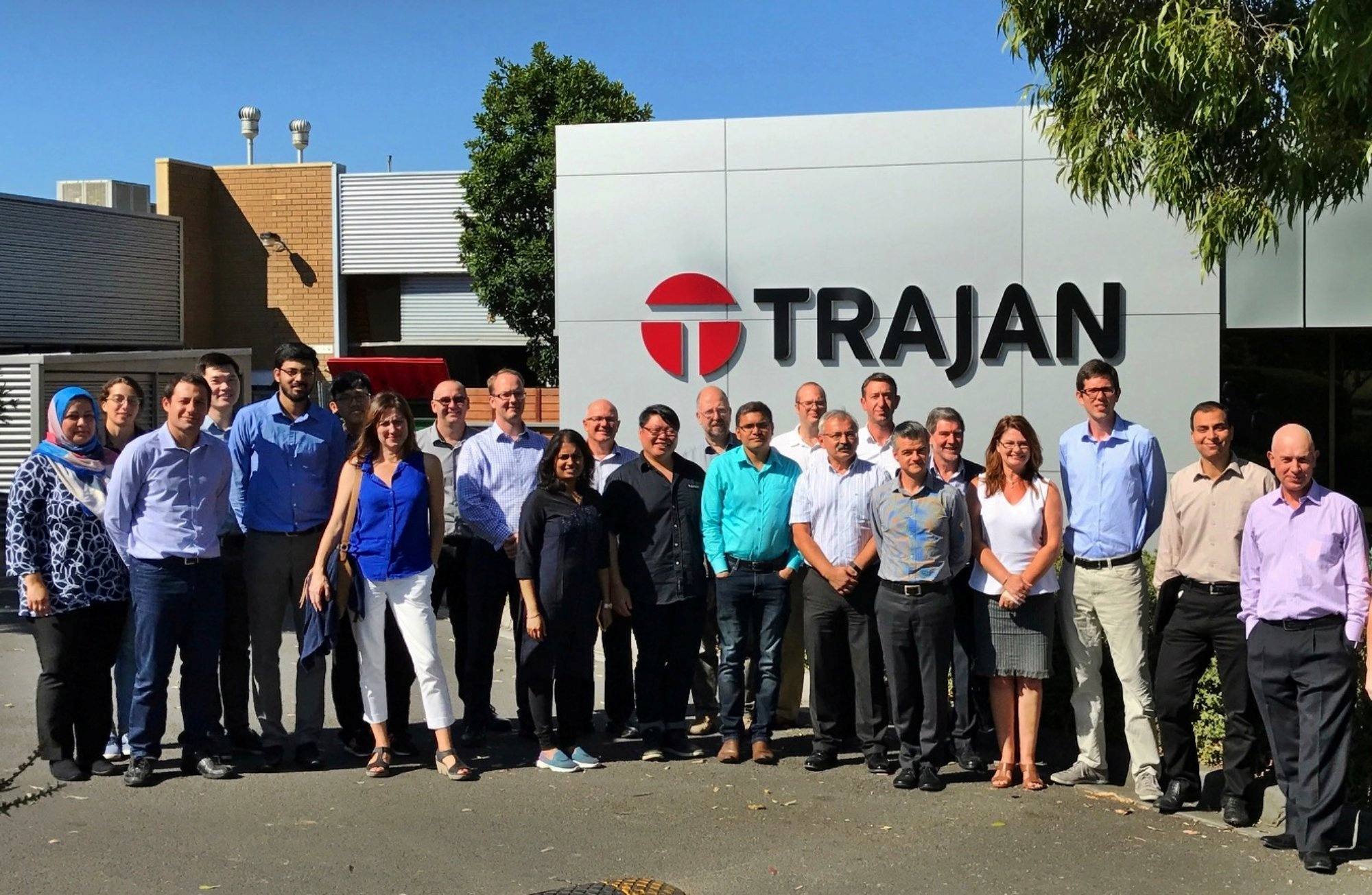
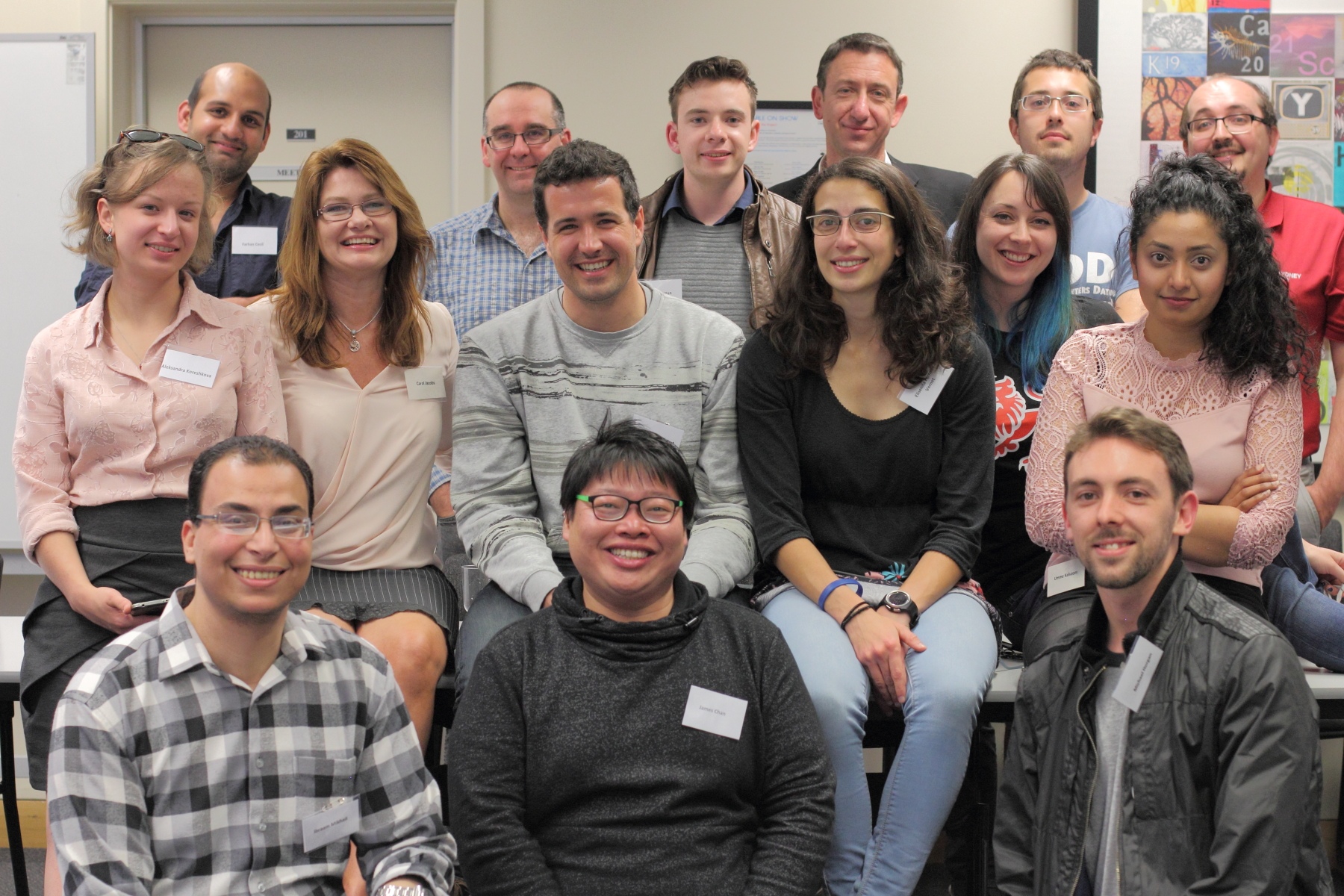
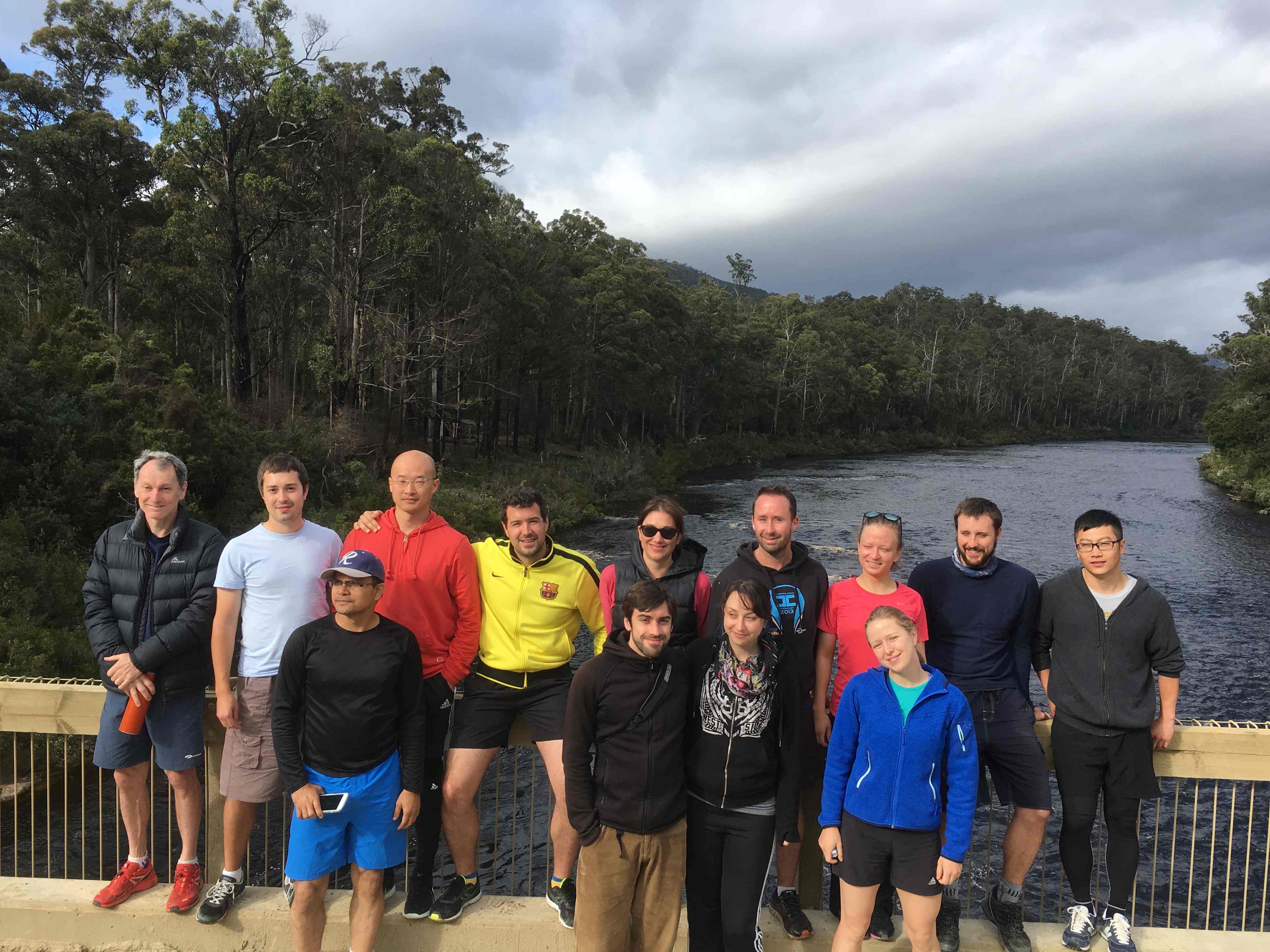
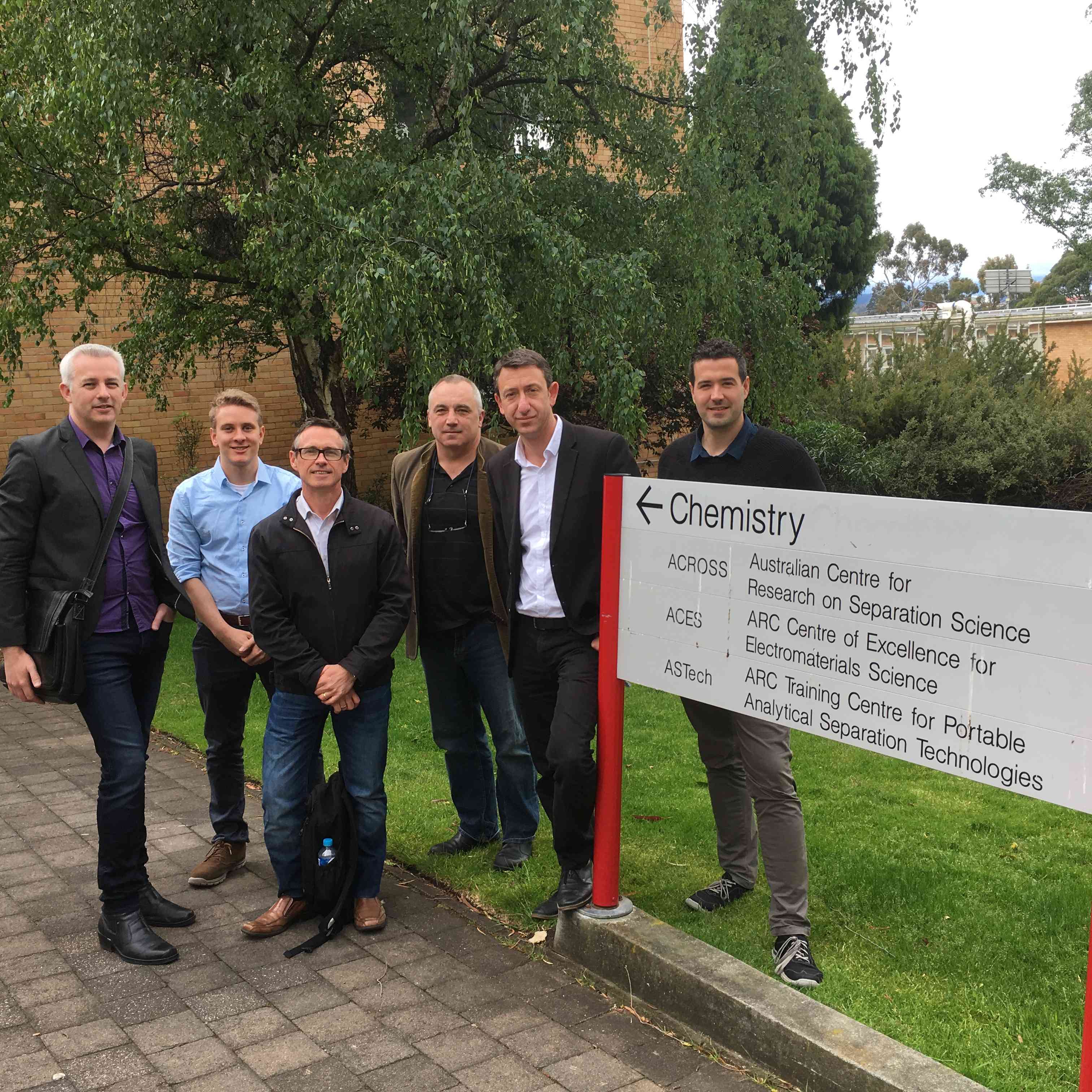
Just as importantly, the centre has helped build a strong network of researchers and industry partners while training generations of analytical scientists.
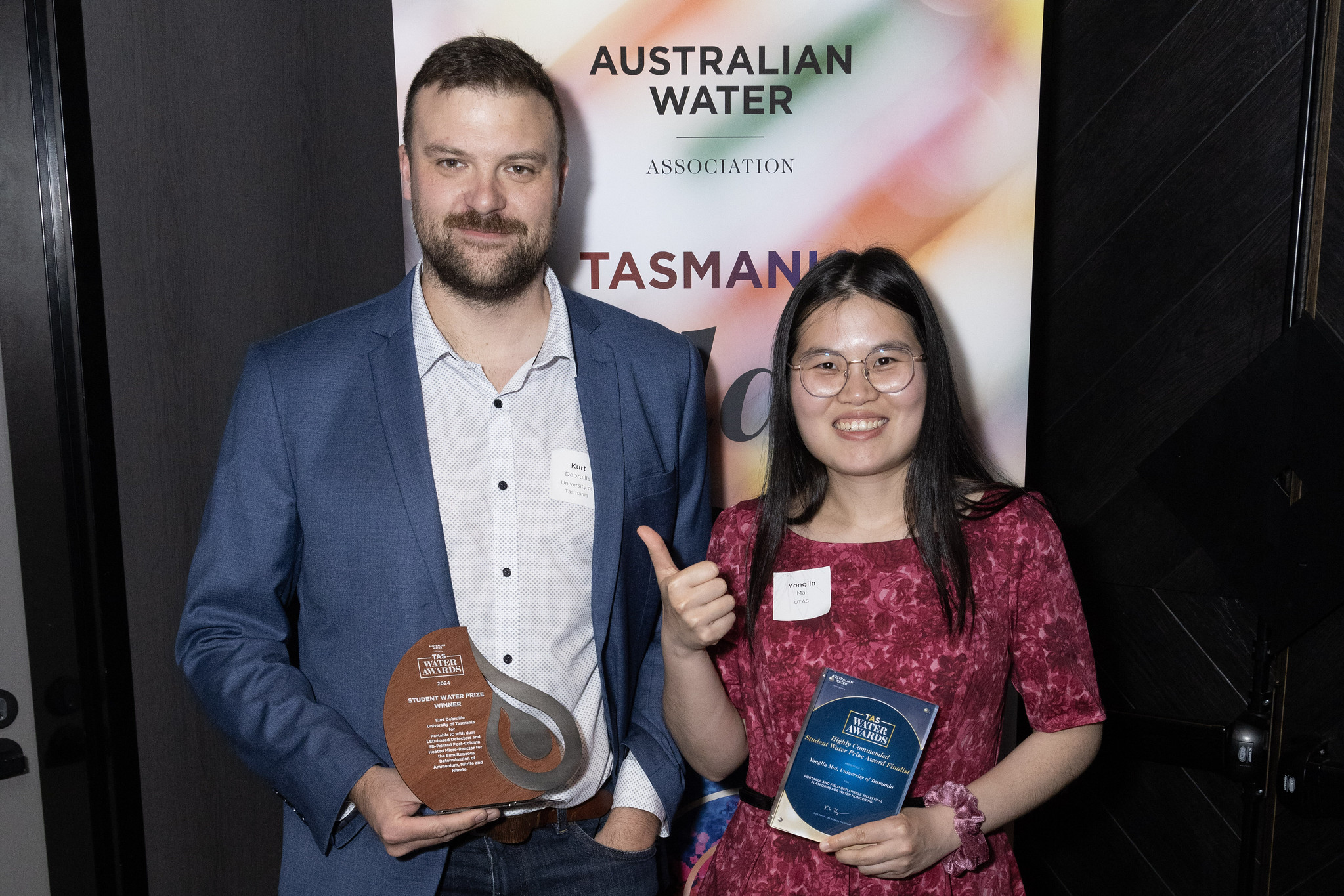
A recently completed honours board recognises the 112 graduate research students who have completed their degrees through ACROSS at the University of Tasmania over the past 25 years.
That legacy continues today through initiatives such as HyTECH, the ARC Training Centre for Hyphenated Analytical Separation Technologies, which is developing next-generation analytical technologies for applications ranging from food quality and environmental monitoring to portable field-based testing systems.
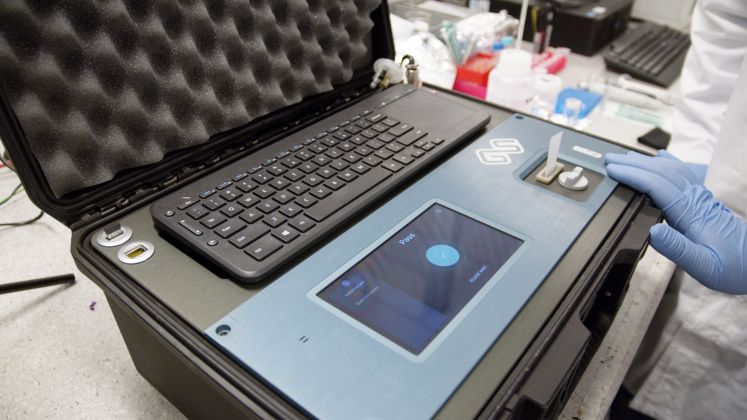
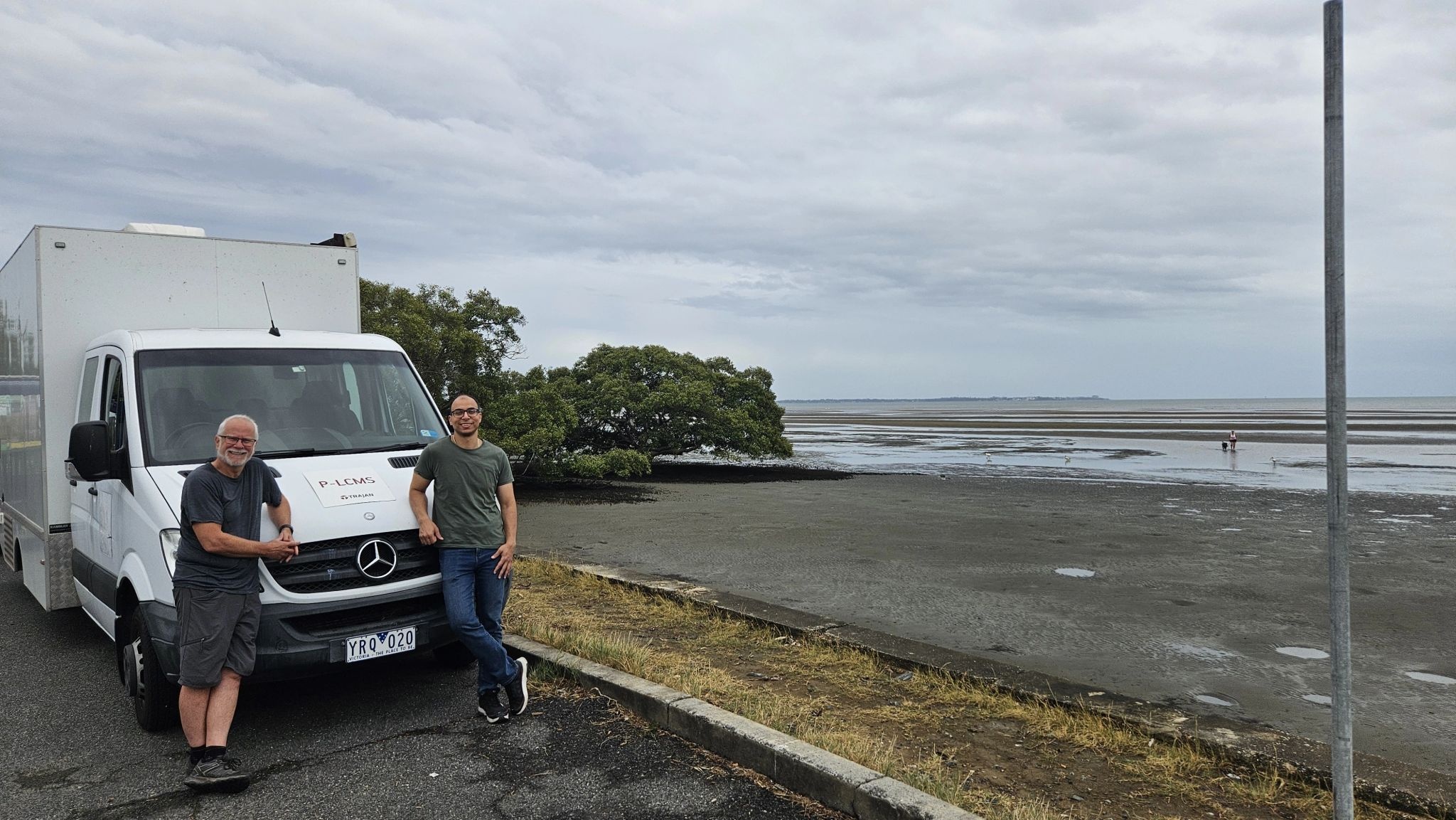
One recent example saw University researchers demonstrate a mobile laboratory capable of screening PFAS contamination in soil and water within hours rather than days, providing faster information for communities, regulators and environmental managers.
"For me, ACROSS has always been about combining excellent science with real-world impact," Professor Paull said.
"We're interested in solving difficult problems, but we're also interested in making sure the solutions are useful."
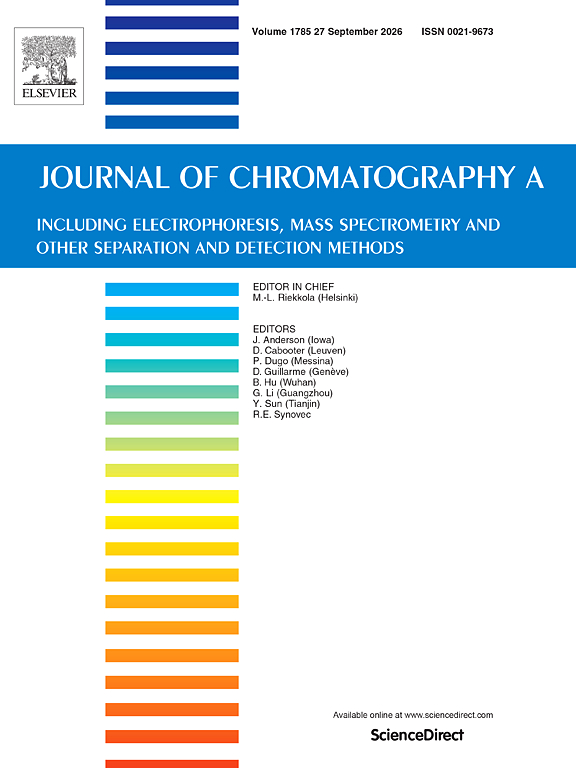
The anniversary year has also brought international recognition, with a special issue of the Journal of Chromatography A dedicated to the ACROSS 25th anniversary.
"That is a real honour for the centre, and a great way to mark our anniversary," Professor Paull said.
"It reflects the reputation ACROSS has built over many years and the contributions of a lot of people who have been part of that journey."
As ACROSS looks to the future, its focus remains much the same: developing the tools, technologies and expertise needed to address some of society's most complex challenges.
"The questions we're tackling today are different to the ones that ACROSS was working on 25 years ago, but the curiosity, collaboration and drive to make a difference are exactly the same," Professor Paull said.