

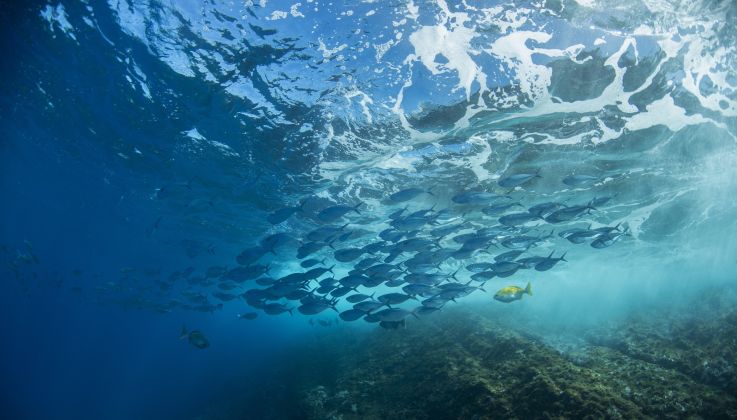
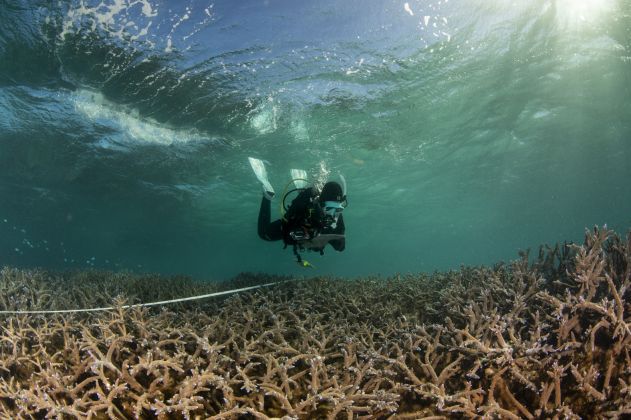
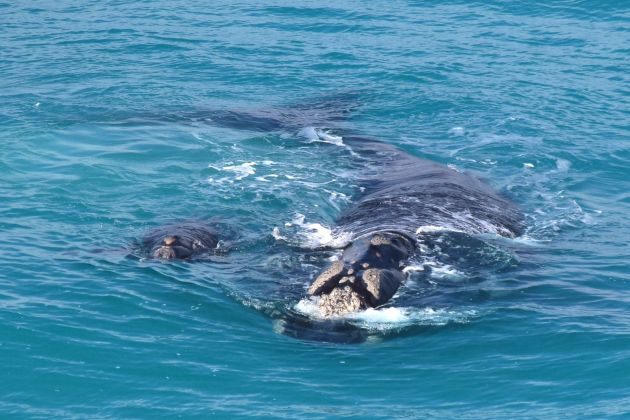
An IMAS-led expedition is heading out from Esperance today on a voyage of discovery to the Recherche Archipelago off Western Australia. Onboard are marine ecologists, a filmmaker, and a jewellery company...
Marine scientists are returning to the remote Recherche Archipelago off Esperance, Western Australia, to assess how its reef communities have changed since surveys in 2023, and to better understand the region’s role as a refuge for southern marine life.
The expedition is part of a national re-survey examining where marine life is changing and where it is holding steady. First surveyed in the 1990s, the Recherche reefs have seldom been studied since, but surveys in 2023 found healthy reefs supporting abundant marine life.
From 10 to 20 November, scientists will survey fish, invertebrates and seaweeds across the Recherche Archipelago, revisiting previously surveyed sites and exploring additional reefs.
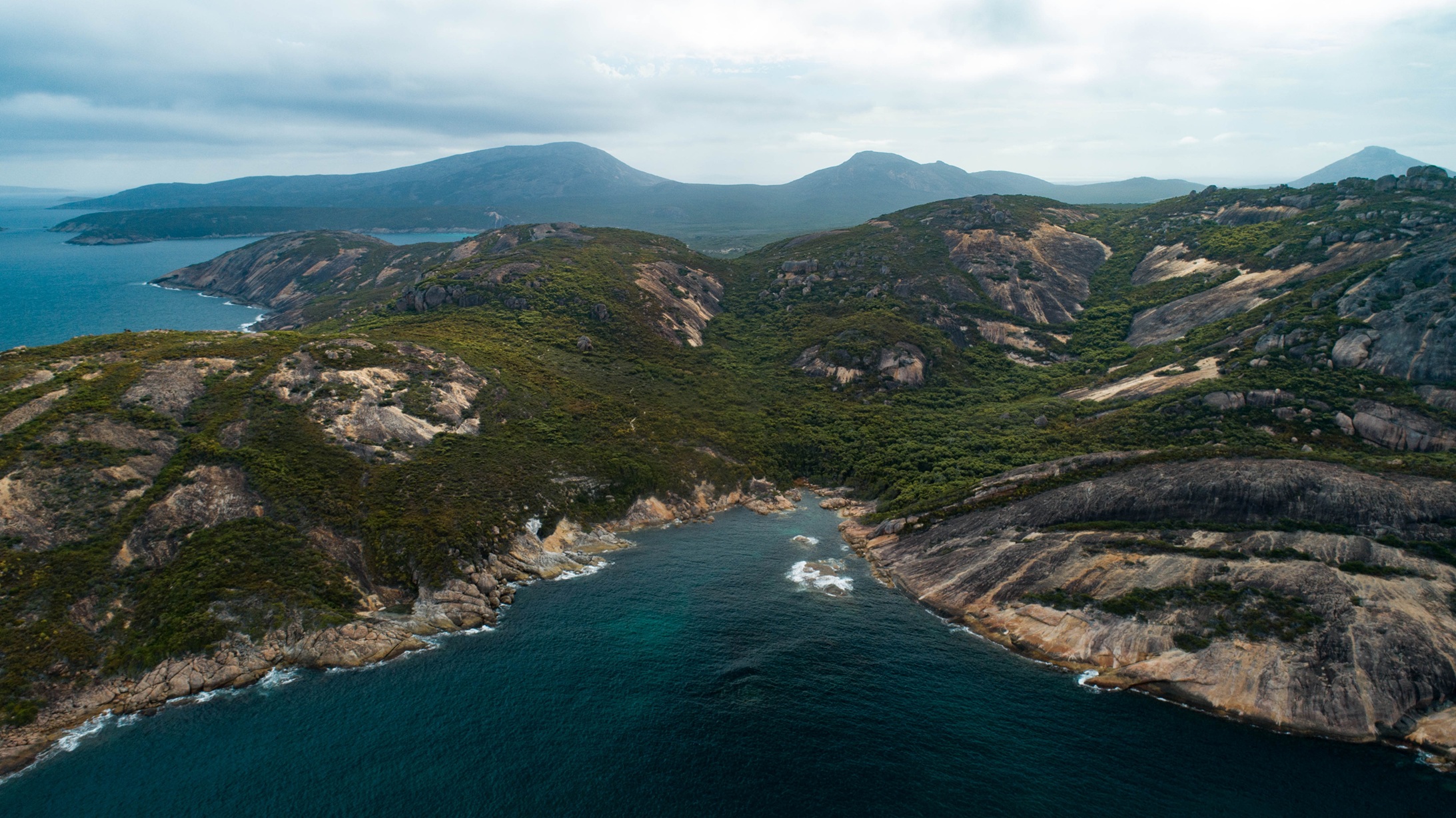
“This expedition will give us rare access to offshore reefs in the Recherche, where we’ll be revisiting historical survey sites and building baseline information for the South Coast Marine Park system,” said IMAS researcher and expedition leader, Dr Scott Bennett, who is part of the IMAS-led Great Southern Reef Research Partnership, and participated in the 2023 survey.
“The surveys offer an early reference point for tracking changes in reef biodiversity and habitats.”
What lies beneath…
Dr Bennett believes the Recherche Archipelago ‘could and should be’ one of the world's most famous marine biodiversity destinations, yet its marine life remains largely unknown outside the region.
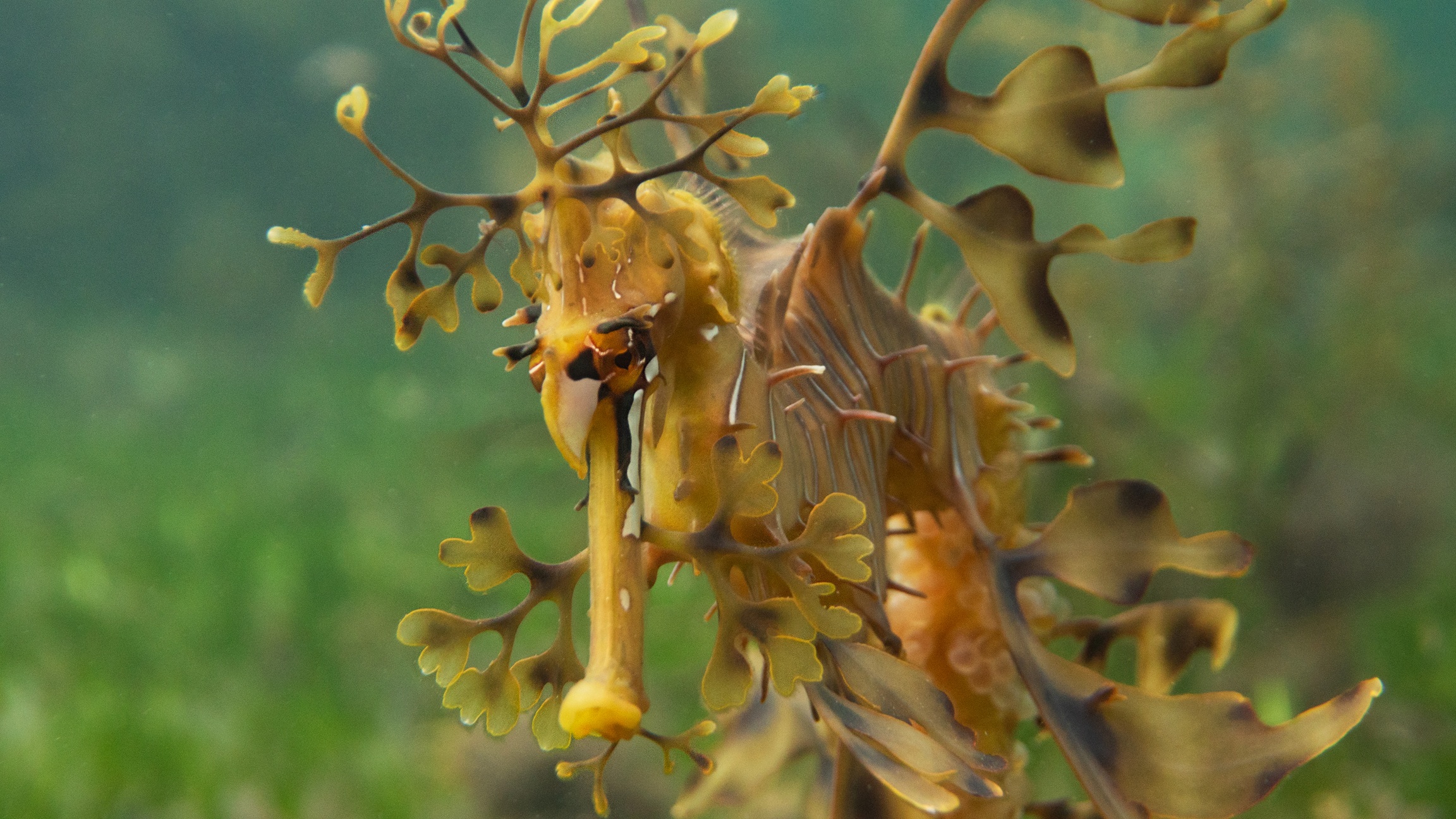
On this expedition, he is particularly keen to encounter yellow-spotted boarfish and leafy sea dragons.
“Possibility is part of the attraction,” Dr Bennett said. "You really don't know what you're going to find out there."
One fish he’s sure they’ll encounter is the metre-long western blue groper he calls the ‘sheriff of the reef’.
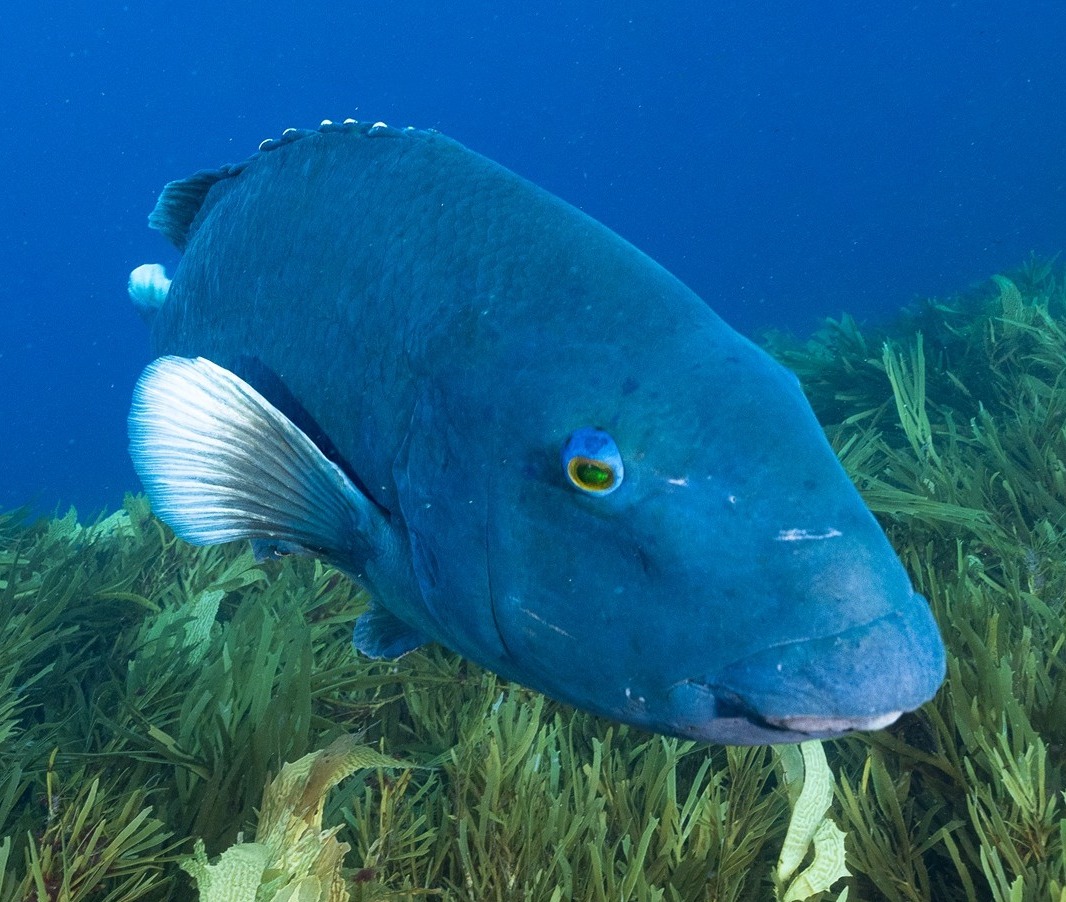
“These curious fish approach divers, follow them around and even poke their heads into the same rocky crevices to investigate. They're just like a dive buddy," he said.
IMAS marine ecologist and scientific diver, Antonia Cooper, said the research team is excited to survey the abundance and distribution of marine life at sites inside and outside the designated sanctuary zones of the newly established South Coast Marine Park.
"Collecting standardised baseline data before the new sanctuary zone protections take effect is essential. It provides an important snapshot of the condition of these reefs today, allowing future changes to be measured and the effectiveness of marine park protections to be properly assessed,” Antonia said.
“These surveys will add to existing records using the same methods applied at reefs around Australia, making the results directly comparable over time and across regions.
“I’m looking forward to exploring these reefs, which are rich in marine life and may offer a rare bright spot amid losses elsewhere along Australia’s Great Southern Reef.”
Working together to protect the reef
The expedition brings together Dr Bennett and University of Western Australia (UWA) researcher Professor Thomas Wernberg, who helped establish the Great Southern Reef as a connected temperate reef system – and gave the reef its name.
The expedition is funded by Sarah & Sebastian's Xanthe Project, and scientists on the expedition are part of the IMAS-led Great Southern Reef Research Partnership which is supported by the Ian Potter Foundation.
Great Southern Reef Foundation filmmaker, Stefan Andrews, will join the team to document the reefs and the people exploring them. His footage will give people who may never visit these remote waters a glimpse of the extraordinary marine life found there and why scientists are returning to study it.
"It's a pretty unlikely crew: university scientists, a filmmaker and a jewellery company, all heading to the same remote reefs," Stefan said.
"But we each bring something different. The scientists help us understand what's there, we help people see it, and together we can build the support needed to protect it."