



Four University of Tasmania researchers have been recognised for the reach of their work in the 2026 Highly Cited Researchers list.
Professors David Bowman, Tim Brodribb, Neil Holbrook and Philip Boyd have been named in the annual list compiled by Clarivate.
Compiled by Clarivate, the annual list recognises researchers who have authored multiple papers ranked in the top one per cent by citations for their field and year of publication over the past 11 years.
The 2026 list includes 6,802 researchers from more than 1,200 institutions across 62 countries and regions. Australia received 292 of the 7,090 awards announced globally.
University of Tasmania Deputy Vice-Chancellor (Research), Professor Nicole Webster, congratulated the researchers on the recognition.
“We are incredibly proud to have four University of Tasmania researchers recognised among the world’s most influential,” Professor Webster said.
“This is wonderful recognition of the important work they are doing to advance knowledge and understanding of our chan ging environment, from bushfires and drought to marine heatwaves and ocean change.
“I warmly congratulate each of them on this outstanding achievement.”
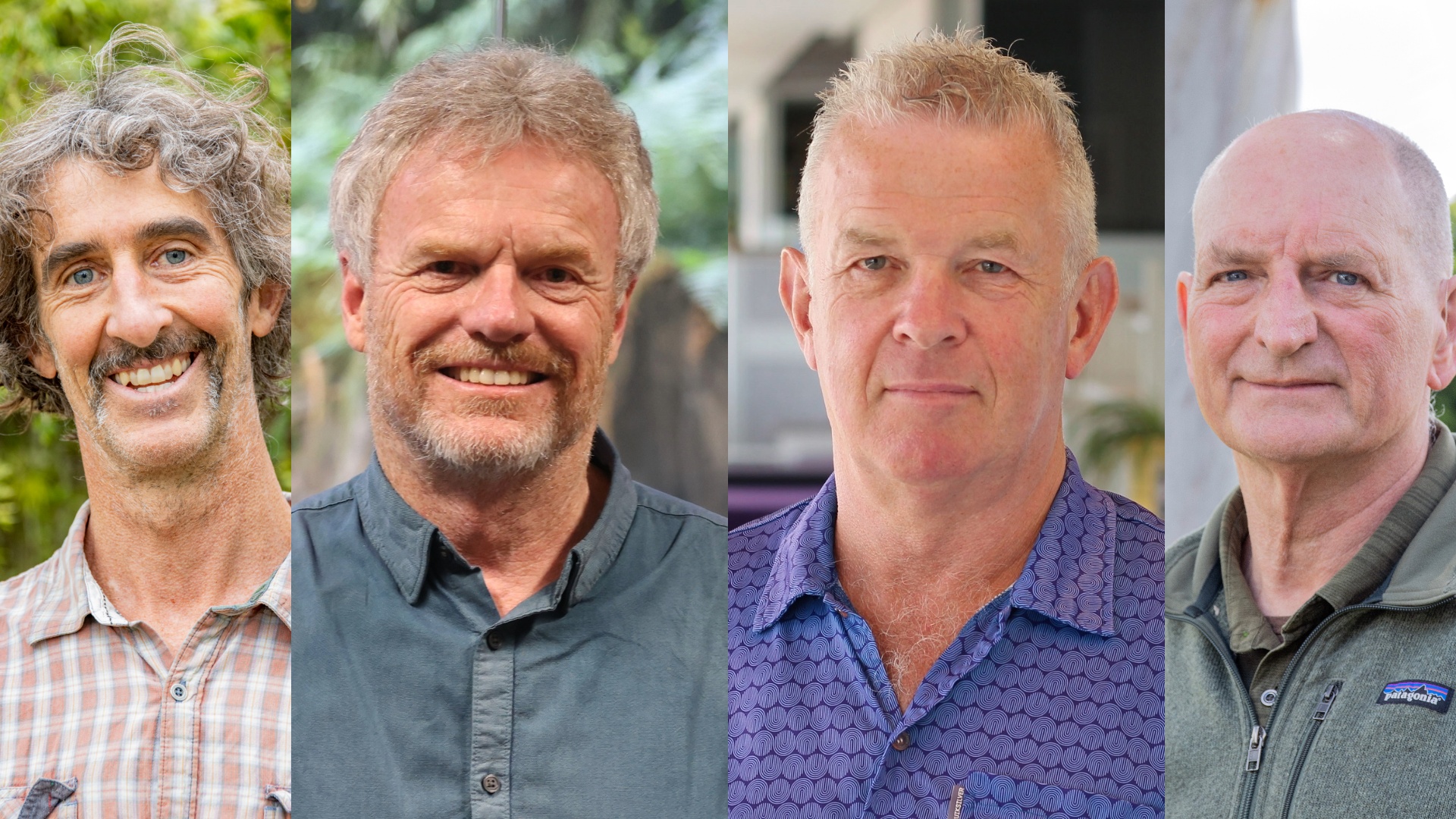
Professor Holbrook, from the University’s Institute for Marine and Antarctic Studies (IMAS), investigates ocean and climate variability, climate change and extreme events. His work has helped pioneer understanding of marine heatwaves, including their causes, predictability and effects.
Professor Bowman, from the School of Natural Sciences, is Director of the University’s Fire Centre. His research examines wildfire, fire ecology and the relationships between fire, landscapes, climate and people, supporting better approaches to managing fire and living in fire-prone environments.
Professor Brodribb, also from the School of Natural Sciences, is a plant physiologist whose research investigates how plants transport and use water. His work has advanced understanding of how plants function and evolve, and how forests and plant species respond to drought and other environmental changes.
IMAS marine biogeochemist Professor Boyd explores the connections between ocean processes, marine ecosystems, the carbon cycle and climate change. His work includes research into the role of micronutrients in ocean productivity and the movement of carbon into the deep ocean.