


The University of Tasmania is turning big sustainability goals into everyday action right where people live, learn, and connect.
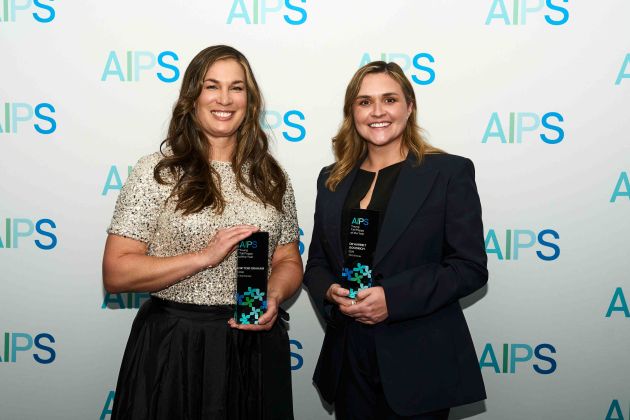
Two examples highlighted at the recent Green Gown Australasia Awards are the Backyard Biodiversity unit and the Newnham Creek Restoration Project, practical initiatives that invite community involvement, restore habitats, and build momentum for a more sustainable future.
Backyard Biodiversity: learning to care for nature at home
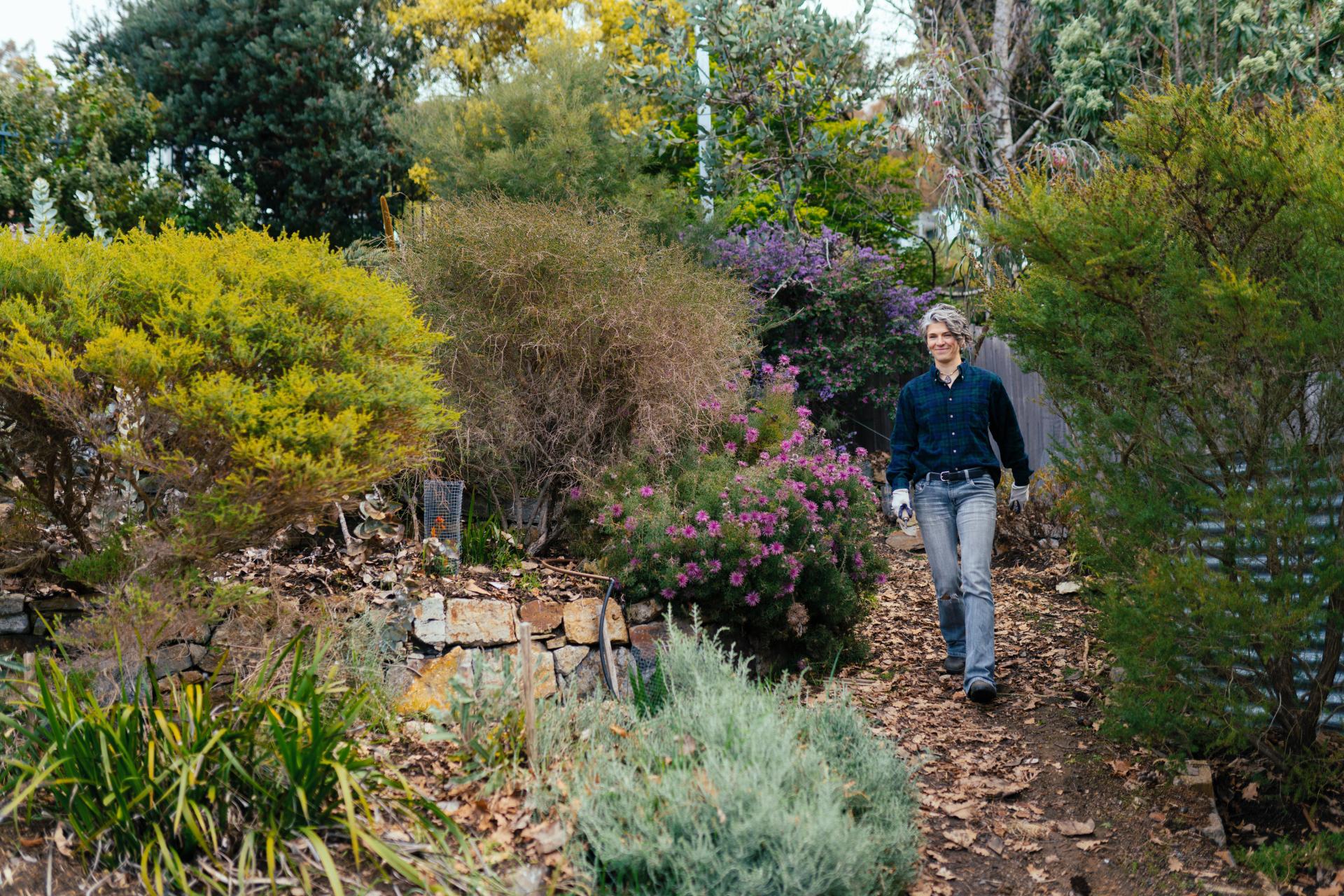
As a founding signatory to the Nature Positive Universities Network and Pledge, the University of Tasmania is committed to building ecological knowledge and empowering action. The popular Backyard Biodiversity unit brings that commitment to life through accessible, online learning focused on the places people know best – their own backyards. Studied as part of the Diploma of Sustainable Living, participants in this unit develop practical skills and can apply what they learn immediately to their local environments.
“Knowledge is power,” Senior Lecturer Dr Emily Flies said. “If we want people to have the knowledge and the ability to conserve environments, that's important for everyone across our country.”
The program is designed to be equitable and welcoming, offered fully online and supported by fee waivers, with more than 12% of participants coming from low socio‑economic backgrounds.
“We need all hands on deck and we want to empower everyone to be able to take the changes that they want to make,” said Dr Flies.
Newnham Creek Restoration: a community‑powered comeback
Not long ago, Newnham Creek along the northern boundary of the University's Newnham campus in Launceston was struggling under an infestation of blackberry and crack willow, invasive species that crowd out native vegetation. Students, staff and community volunteers removed weeds and rubbish and planted thousands of native trees, shrubs and grasses to increase biodiversity.
The site has been transformed back into a native‑dominated habitat, with around 700m² restored to support trees, shrubs, riparian vegetation, and grassland species.
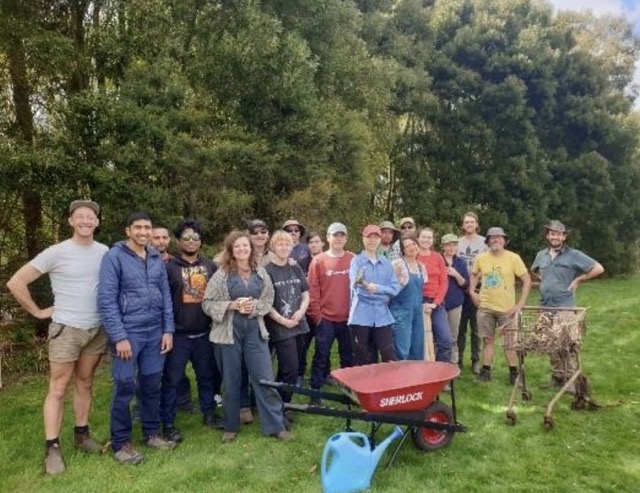
The efforts at Newnham Creek build on the involvement across two decades of many different people and groups from across the University and the community. This is not just a ‘feel good’ project. Instead, the project encapsulates the perseverance required – along with appropriate know-how and resourcing – to bring about real and lasting change.
The project’s core activities reflect what healthy waterways need to thrive: weed control and native replanting, water‑quality improvements, habitat creation for local fauna, and community engagement that brings people together around a shared place.
As Sustainability North Gardener Lars Roberts notes, getting people involved to contribute, learn, share stories, and make memories can have an impact on landcare in the future. “This can often influence decisions much later through their life,” he said.
The social benefits from the involvement of numerous volunteers, including students with no previous experience with natural area regeneration projects, fosters a sense of ownership and responsibility for protecting biodiversity. In one working bee, volunteers light-heartedly competed to see who could find the largest piece of rubbish (the winners found several car tyres and a shopping trolley).
The environmental and community benefits for Newnham Creek are already apparent but will continue to increase over coming years.
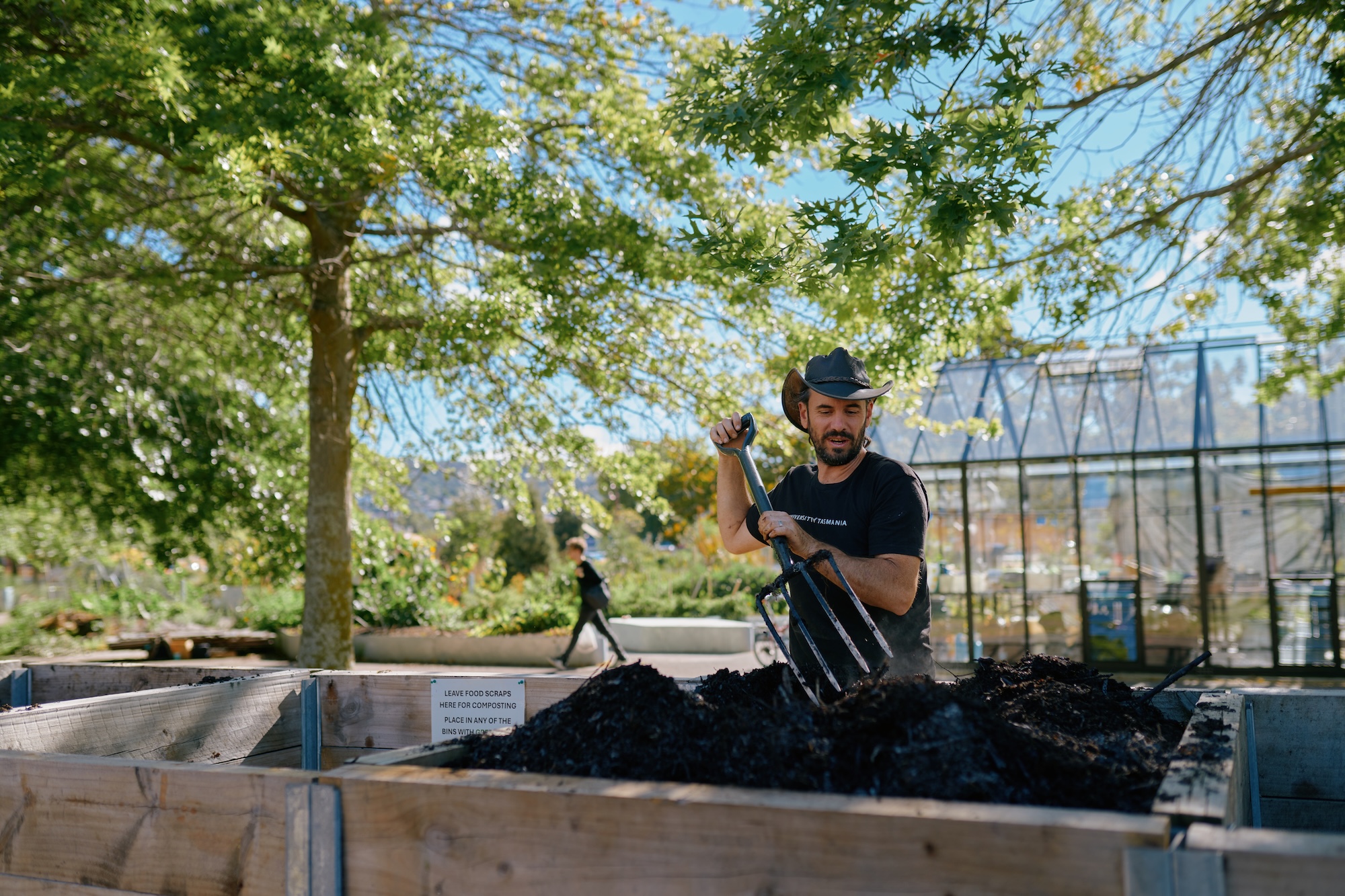
Small Actions Create Big Change
These are just two of the many projects that form a broader sustainability journey at the University of Tasmania. The University has been recognised #1 in the world for climate action for four consecutive years, a result driven by climate research, education programs, and operational leadership assessed for the UN Sustainable Development Goals.
By meeting people where they are, initiatives like these help to grow everyday stewards of nature who feel confident and motivated to care for local biodiversity.
Start in your own backyard
Explore how to identify, support, and enhance local wildlife in urban spaces. Gain practical skills to boost native species and promote sustainable, healthy ecosystems. Study Backyard Biodiversity through the Diploma of Sustainable Living.
Learn more about the Diploma of Sustainable Living