


Coral reefs cover less than 0.2% of the world's seafloor, yet they are biological powerhouses that support around a quarter of all marine species and help sustain the food security, livelihoods, coastal protection, and cultural wellbeing of hundreds of millions of people.
Today, the world's coral reefs are running out of time to recover between increasingly frequent marine heatwaves and global bleaching events driven by human-induced climate change, according to the Status of Coral Reefs of the World: 2025 report released this week.
“This landmark report provides a comprehensive assessment of coral reef condition, at both global and regional levels, in the wake of this escalating disturbance regime,” said joint first author of the Report’s Australian chapter, Dr Sterling Tebbett, who is a marine ecologist at the University of Tasmania’s Institute for Marine and Antarctic Studies (IMAS).
The story Down Under…
Australia is home to the largest national extent of coral reef area in the world. It has around one-sixth of the world’s coral reefs – an area about two-thirds the size of Tasmania.
These reefs are valued by millions of Australians for tourism, fisheries, culture, and coastal livelihoods.
“The report shows that Australia’s coral reefs remain in relatively good condition in an international context, but they are not immune to the increasing impacts of climate change,” Dr Tebbett said.
“Average coral cover on Australia’s reefs has declined from 30.2% during the 1980–2009 reference period to 26.8% in 2020-2024, which is in line with the global pattern.
“But it’s important to note that this decline in coral cover does not capture the recent substantial coral losses from mass coral bleaching events on the Great Barrier Reef in 2024 and on Western Australian reefs in 2025.”
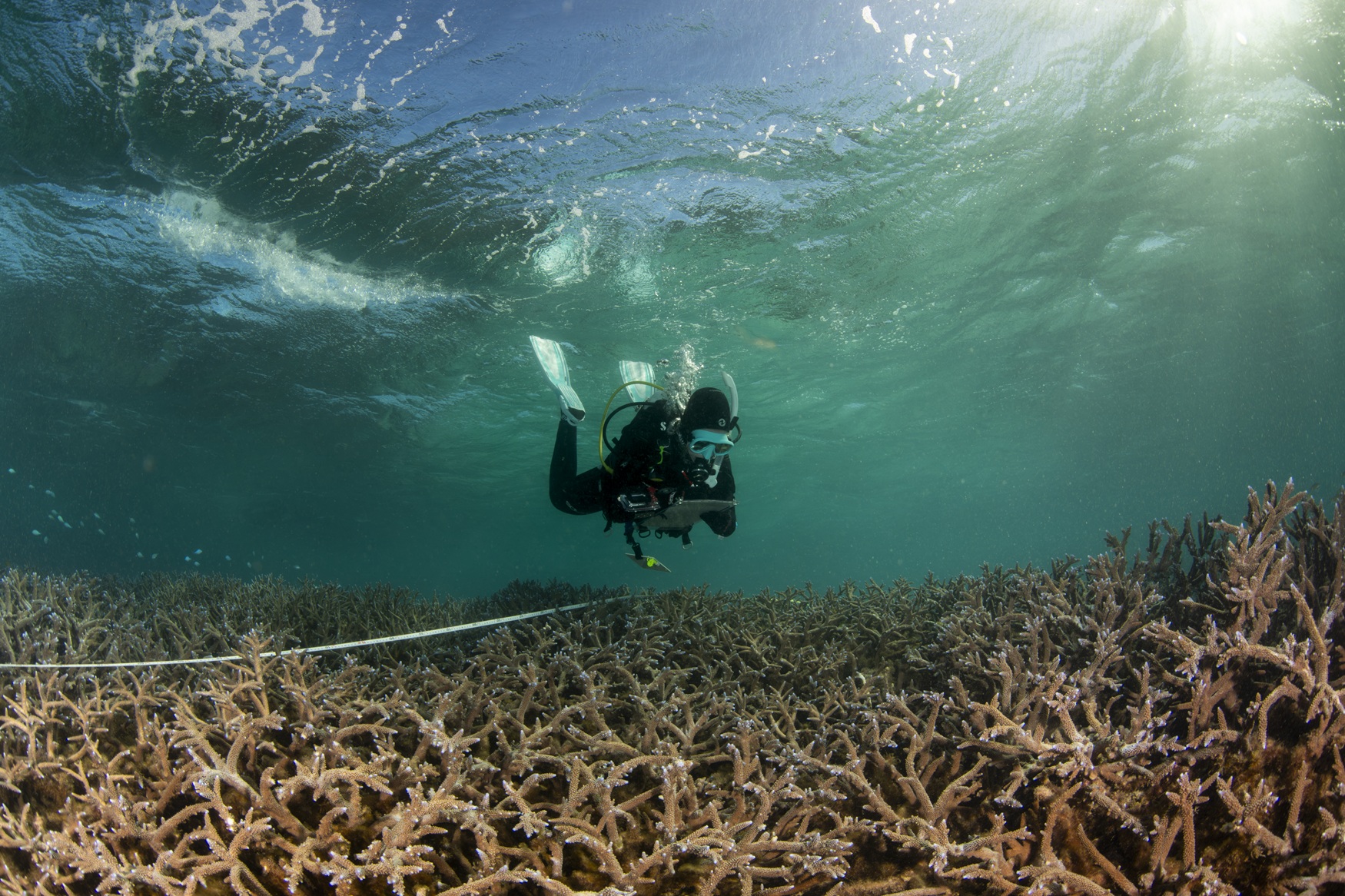
Dr Tebbett also points out that Australia is one of the best-monitored reef regions in the world.
“This monitoring effort is the foundation of understanding how reef ecosystems are changing and supports reef management to safeguard the future of our reefs,” Dr Tebbett said.
As with coral reefs globally, coral cover on Australian reefs has fluctuated in response to disturbance followed by periods of recovery. The condition of Australia’s coral reefs varies considerably among Australian subregions, with some areas experiencing recent major declines while others are recovering well after disturbances.
“But as the climate and oceans continue to warm, whether these historic patterns of coral recovery after disturbance can continue is uncertain,” Dr Tebbett said.
Give reefs a chance…
Historically, major disturbances affected coral reefs about once every decade or more. However, present day coral reefs now only get five to six years at most between major disturbances.
This shrinking recovery window is underpinned by climate change, which is driving ocean warming and more frequent marine heatwaves that cause mass coral bleaching events.
“This shrinking recovery window has consequences for the future of corals on reefs, with modelling in the report suggesting that if global coral bleaching events continue at their current rate, hard coral cover is expected to keep declining,” Dr Tebbett said.
While the report shows a relative increase in global hard coral cover of around 6% between 2017 and 2019, this does not reverse the long-term trend of decline. Instead, it shows that many reefs retain the capacity to recover when disturbances ease and sufficient recovery time is available.
“The modelling in the report also points to the potential for a more hopeful future: stronger cuts to greenhouse gas emissions, combined with effective management of local and regional pressures, could improve the outlook for the world's coral reefs,” Dr Tebbett said.
The Status of Coral Reefs of the World: 2025 Report, released this week by the Global Coral Reef Monitoring Network (GCRMN), draws on more than 40 years of global data from 21.1 million observations, 87,299 surveys, representing 36,886 sites across 124 countries, territories and economies, making it the most comprehensive assessment of coral reef status ever undertaken.
The Australian chapter was written by co-authors from AIMS, the University of New South Wales, WA Museum, the Department of Biodiversity, Conservation and Attractions, James Cook University, The University of Queensland, Australian National University, the University of Tasmania’s Institute for Marine and Antarctic Studies, Reef Life Survey, Reef Check Australia,Citizens of the Great Barrier Reef, Parks Australia, the Great Barrier Reef Marine Park Authority, CSIRO and National Oceanic and Atmospheric Administration (NOAA).
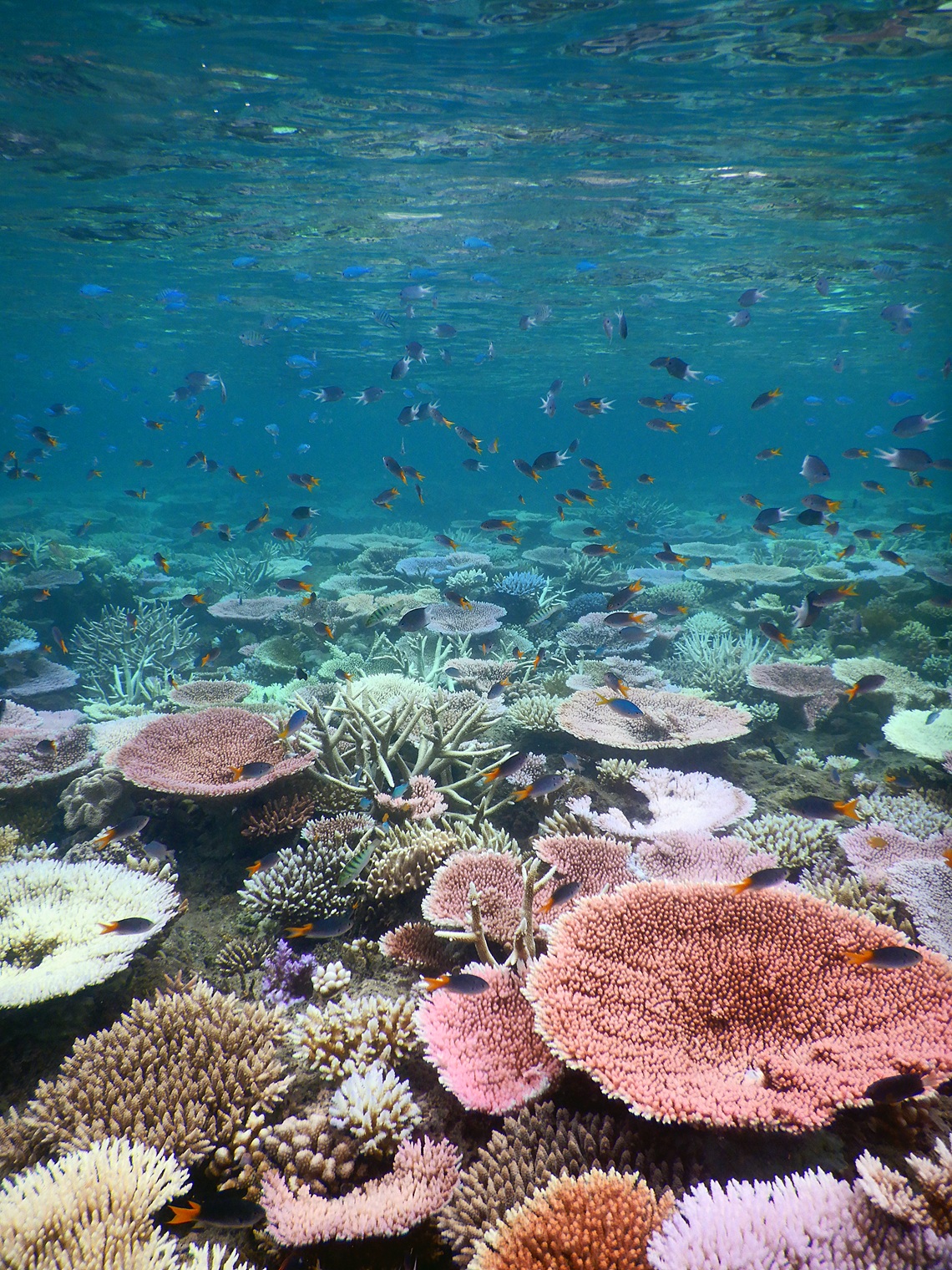
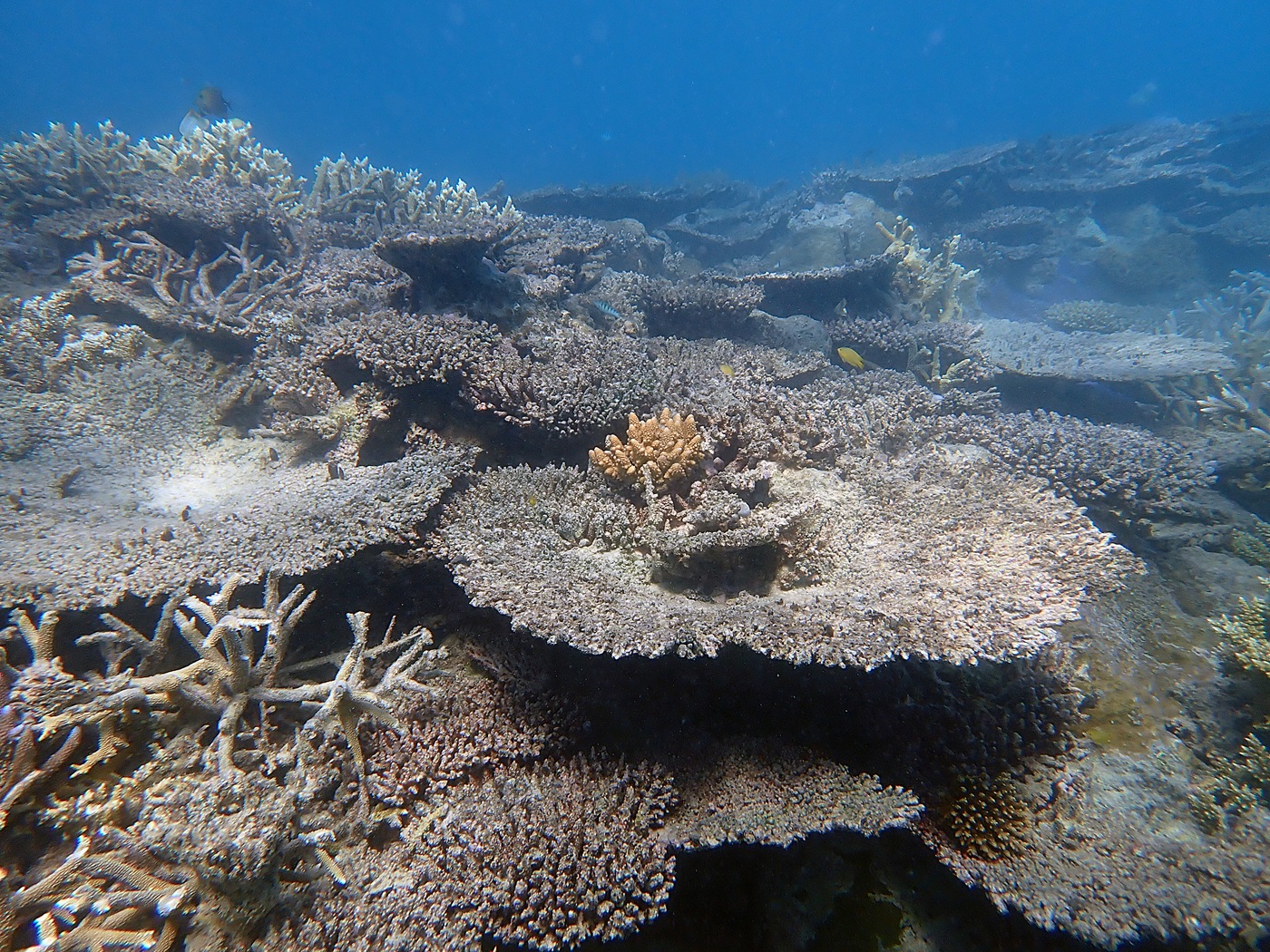
Cover image: North Direction Island QLD
Photo: Sterling Tebbett IMAS