

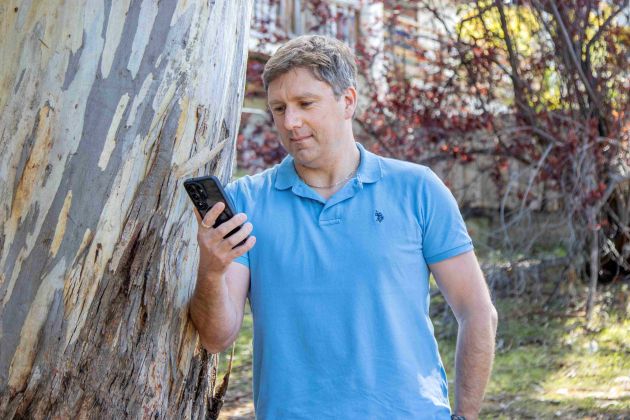

When David Dal Busco began searching for a place to pursue his Master of Architecture, Tasmania wasn’t on his radar. Originally planning a move to Melbourne from Perth, his plans changed after an unexpected discovery: an ad showcasing architecture students and staff building in a vibrant University of Tasmania workshop space.
For David, a self-described hands-on learner, the promise of practical, maker-focused learning drew him in immediately, and he enrolled in the Master of Architecture at the Inveresk campus.
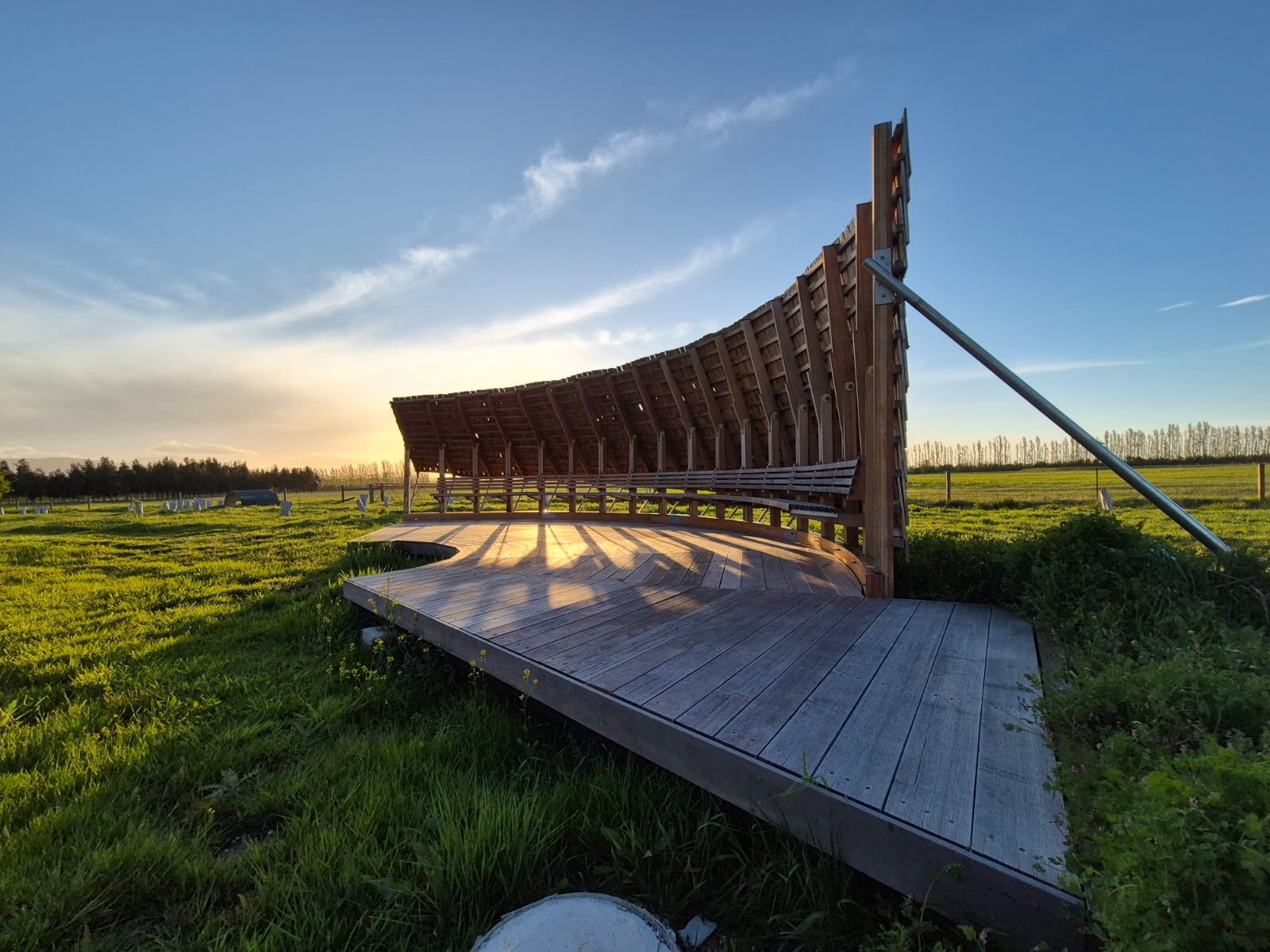
David found that students were encouraged to build, fabricate, and engage directly with the materials. In the Learning by Making course, David and his peers constructed an outdoor pavilion for Hagley Farm School. This project offered insight into bespoke design challenges and the importance of collaboration with industry professionals, from metal fabricators to school representatives.
“The hands-on making experiences have allowed me to become a much more knowledgeable and well-rounded graduate of architecture,” David said. “Not only do I know how to design something, but also how to build it. That knowledge plays a significant role in designer-builder relationships.”
David’s time in Tasmania wasn’t just about developing his technical skills. The University’s strong focus on sustainability and cultural engagement left a lasting impression.
Studying in an environment committed to climate action gave him a deeper understanding of regenerative design and biophilic principles, being integrated into real-world projects and discussions with practising architects.
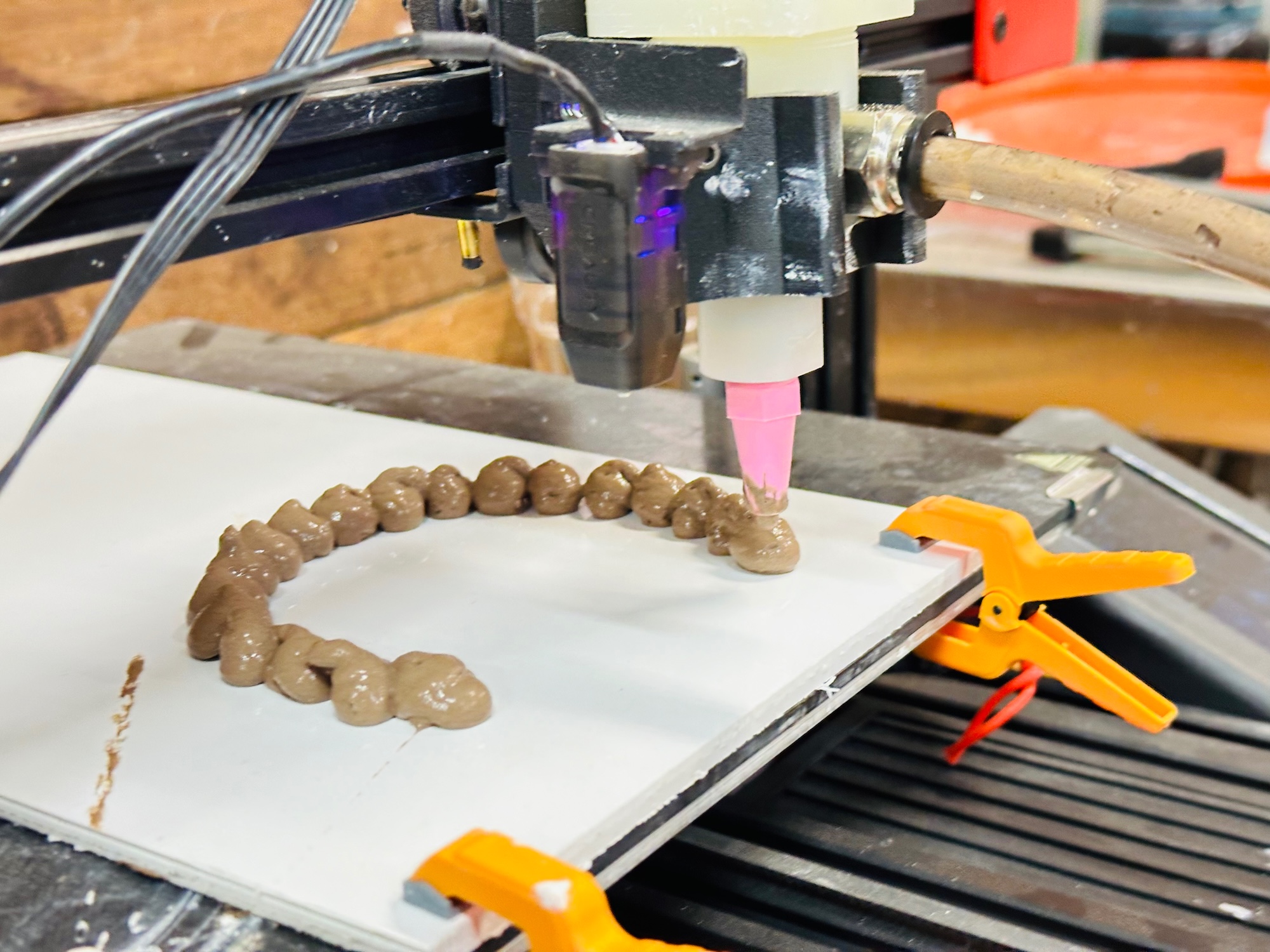
David and fellow design student Shannon Terry had the standout experience of participating in the 2025 Biodesign Sprint: Ocean Futures. Their team developed reURCHIN, sea-urchin kelp planters to help regenerate Tasmania’s kelp forests, winning the Outstanding Science Prize and a Platinum Recognition medal. As the only Australian team in the competition, their work reflected the School of Architecture and Design’s forward-thinking approach and its commitment to ecological innovation.
Equally important to David’s degree was the cultural dimension. Exposure to conversations around reconciliation and recognition of traditional landowners shaped David’s perspective on architecture as a socially responsible practice.
“It’s about designing and building with respect for the land and its history,” he said.
Now back in Perth and planning his next steps, David is deeply grateful for having studied in Tasmania. The course offered him more than an education; it provided a sense of community. Teachers from the School of Architecture and Design became mentors and friends, and opportunities to engage with local events and industry networks enriched his experience.
“The uni has such a community feel to it,” David said. “It has been such an enjoyable experience, not only in terms of my study, but also in my life.”
Become a professionally accredited architect
Cultivate a deep and lasting commitment to architecture as both a profession and a cultural discipline.
Learn moreThe Bachelor of Architecture and Built Environments is a pre-professional qualification that articulates directly into the Master of Architecture. Entry to the Master requires completion of this degree or an equivalent three-year undergraduate qualification in architecture.
If you are at the beginning of your architecture journey, explore the Bachelor of Architecture and Built Environments for more information.