

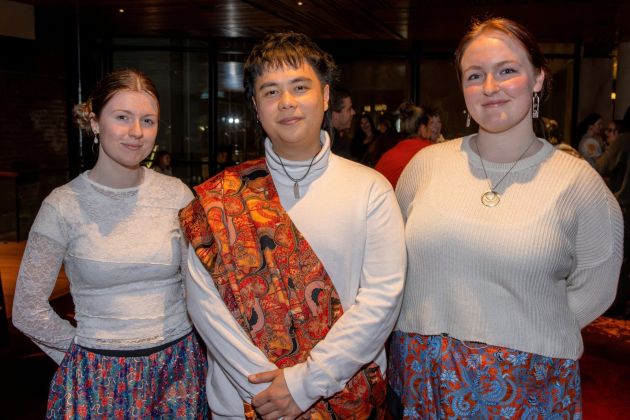
For Mountain Air Foundation, looking after nature is a simple and pragmatic choice.
They don't see it as any different to tending their home garden.
“Humans are part of nature. We look after ourselves and the people around us; looking after nature is an extension of that. If you can help, why wouldn’t you?” the foundation said.
“Humans have done many clever things, but there have been side effects, yet part of our evolution is to push things in the best possible direction we can. We can do better.”
It’s about increasing knowledge, they say, and increasing the action of people with scientific knowledge and energy, to improve human engagement with nature.
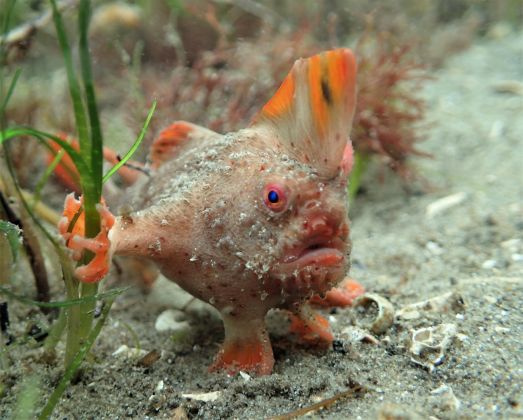
Two projects the foundation has recently become involved in are the replanting of giant kelp around Tasmania and improving the environment of the red handfish in the Derwent Estuary south of Hobart.
Professor Scott Ling from the University of Tasmania’s Institute for Marine and Antarctic Studies (IMAS) said his team is incredibly grateful for the generous support, which is helping tackle one of Tasmania’s most urgent marine challenges, the restoration of our iconic giant kelp forests.
Support from Mountain Air Foundation is enabling pioneering research into natural, biodegradable alternatives to synthetic aquaculture twine. By trialling cotton, hemp, and blended fibres as substrates for hatchery-reared kelp propagules, the researchers aim to discover sustainable methods that allow young kelp to establish securely on reefs before the twine naturally breaks down. Scott says these trials, conducted across multiple sites on Tasmania’s east coast, are providing critical insights into how we can scale-up kelp reseeding while significantly reducing ecological impact.
“We’re very grateful for the funding from Mountain Air, which has enabled us to demonstrate the utility of natural fibres in the replanting of giant kelp.”
Professor Scott Ling
“Thanks to the funding we have received, it is our hope that the research will contribute to making these majestic ecosystems more resilient in future."
The support is helping safeguard biodiversity and develop restoration technologies that can be applied globally to protect endangered marine ecosystems.
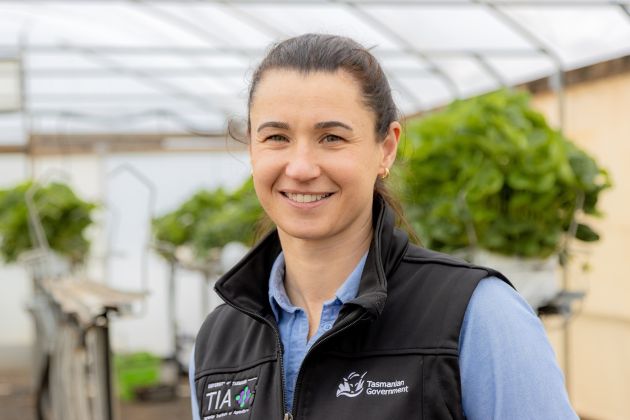
Dr Jemina Stuart-Smith says Mountain Air Foundation’s support is also helping to carry out vital reef restoration work at a red handfish research site.
“By experimenting with different boulder and habitat configurations, we are working to discover the most effective ways to rapidly expand and strengthen the reef,” Jemina said.
The funding from Mountain Air Foundation has enabled scientists to gather more knowledge about restoring critical habitat for the endangered red handfish.
The research has shown that restoring degraded habitats can help rebuild the ecological conditions required to support the species.
Jemina hopes that ecosystem restoration, coupled with targeted handfish recovery strategies, can provide a sustainable pathway for persistence of the red handfish, but acknowledges this will take time.
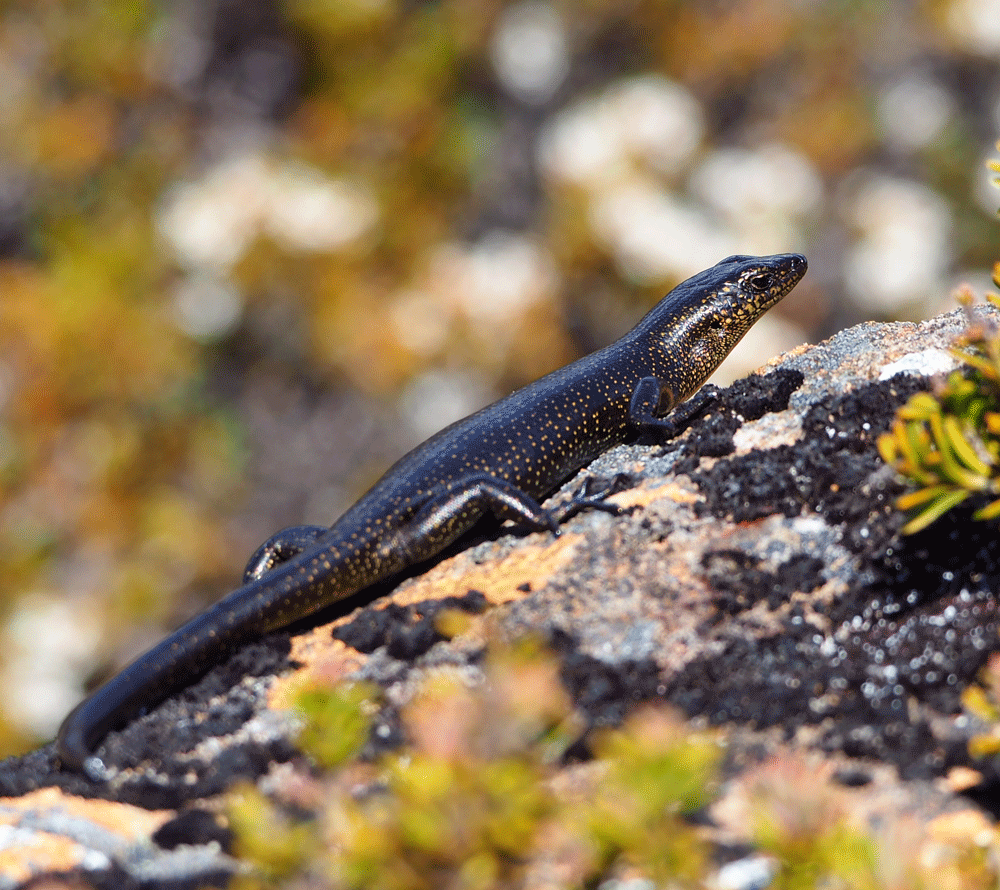
The foundation also has a particular interest and passionate love for alpine and subalpine areas and is supporting early career research grants to enhance the health, resilience and vitality of alpine and subalpine species, ecosystems and environments in Tasmania. Georgina Anderson has recently been awarded an early career research grant for research on northern snow skinks.
Mountain Air Foundation believes that stepping in with financial support for Scott, Jemina and others to gather information and take action to improve environmental outcomes is sensible and pragmatic thinking.
“They are passionate and put their life’s work into this research,” the foundation said. “For Scott’s work, if it is successful, the lobsters and abalone will come back, leading to commercially positive outcomes too. We want it to make it easier for them to do their jobs; their energy is infectious. Making a contribution is not hard, and it feels good.”
Read more stories from Impact 2025
Learn more about Giving at the University of Tasmania