

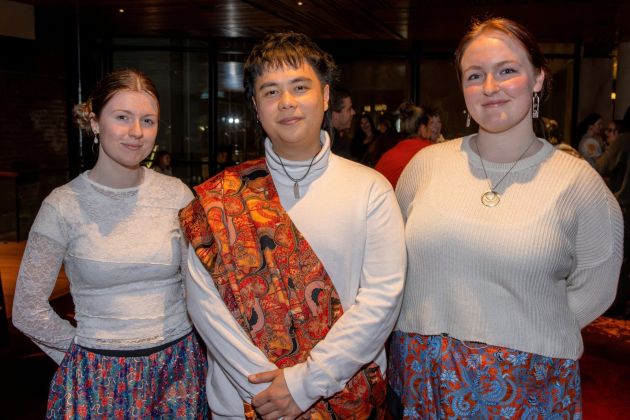
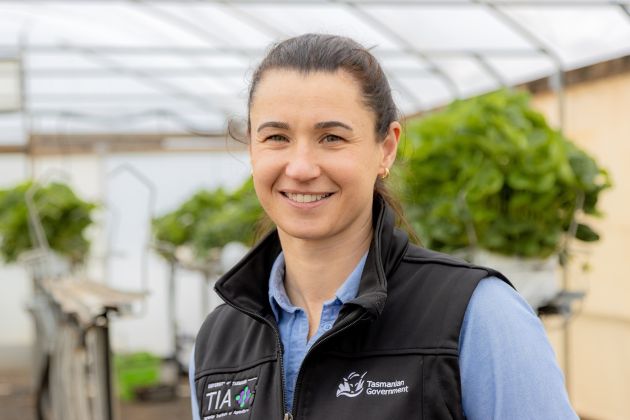
Diving in giant kelp with marine scientists off remote southwest Tasmania might not seem like the natural habitat of a fine jeweller, but for Sarah Gittoes, it’s a perfect fit. It was also an experience she says she will never forget.
Sarah is the cofounder of Sarah & Sebastian, which crafts fine jewellery that draws its inspiration from nature, including from marine life.
“I first scuba dived when I was about twelve years old,” Sarah said.
“Ever since then it’s been a passion of mine. It naturally informed what I was doing, becoming an inspiration for Sarah & Sebastian and featuring in our jewellery design.”
Sarah grew up on the coast, south of Sydney. Her father was a surfer and a lifeguard, and she is a keen ocean swimmer.
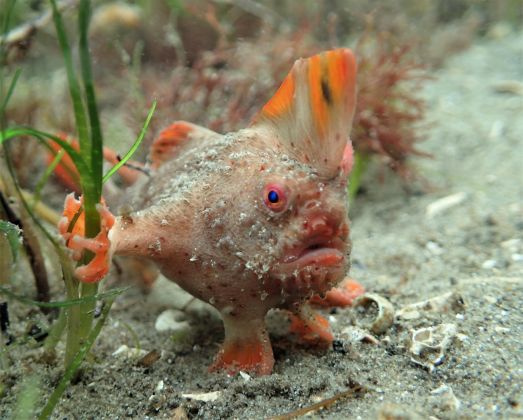
The more the sea became a source of inspiration in her designs, the more she wanted to give something back to the fragile environment that had given her so much.
And so the Xanthe Project was born, a philanthropic initiative to donate $1M over 10 years to ocean conservation.
A lot of her team and their activities now contribute to ocean stewardship, with active participation in ocean cleanups or research projects.
Among the projects being supported is research on the Great Southern Reef, a series of interconnected reefs that extend 8000 kilometres around the south coast of Australia from southern Queensland to Western Australia.
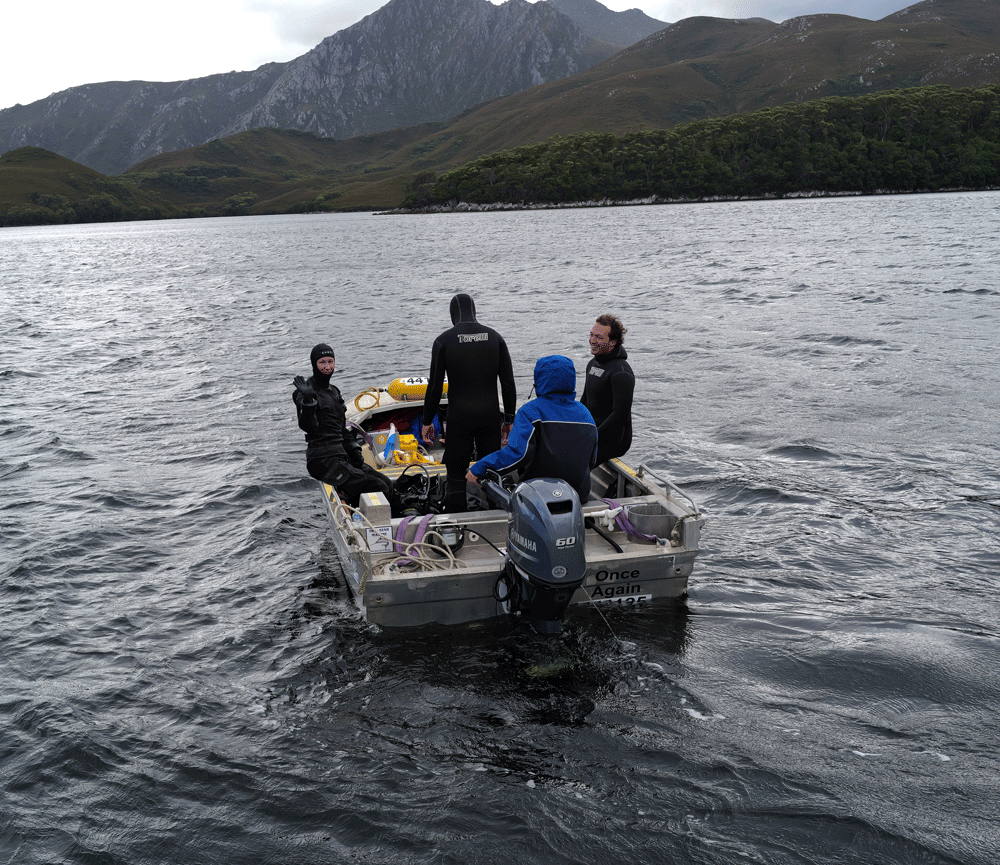
Tasmanian research is being conducted through the University of Tasmania’s Institute for Marine and Antarctic Studies (IMAS) in Hobart, which is how the 12-day remote Tasmanian diving expedition that Sarah participated in in March 2025 came about. Also on board was Sarah & Sebastian’s Global Brand Director, Matt Lennon.
“I was so honoured and excited to be able to participate in the field work,” Sarah said.
Dr Scott Bennett led the IMAS expedition, which he said was made possible by the generous funding from Sarah & Sebastian.
“Sarah and Matt’s contributions on the trip were also invaluable, including dive surveys, kelp biobanking and seaweed pressing – and it will help advance the study and preservation of this remarkable region,” he said.
The expedition was a huge success, according to Scott, and focused on: surveying reef biodiversity at remote and previously unsurveyed reefs off southern Tasmania; surveying some of the last remnant giant kelp forests in Tasmania to record reference conditions for kelp forest restoration work underway; and revisiting historical sites within the marine protected area in Port Davey, to monitor long term trends in reef health.
For two IMAS PhD candidates, Hunter Forbes and Lizzi Oh, the trip provided critical data to inform their research into the macroecology of kelp forests and seaweed communities across Australia.
“This expedition was an incredible opportunity to be part of an inspiring team and collect important scientific data.”
Hunter Forbes
Likewise for Sarah and Matt. “It was a mission expedition for us,” Matt said.
Sarah agrees. “Ecosystems and species are disappearing at a rate of knots, and we need to be supporting this work in the field,” she said.
A highlight of the trip for the pair was diving in Port Davey, a completely unique ecosystem because of the tannins in the water, which makes it dark so that you can see marine life such as sea pens that are normally only found at depth.
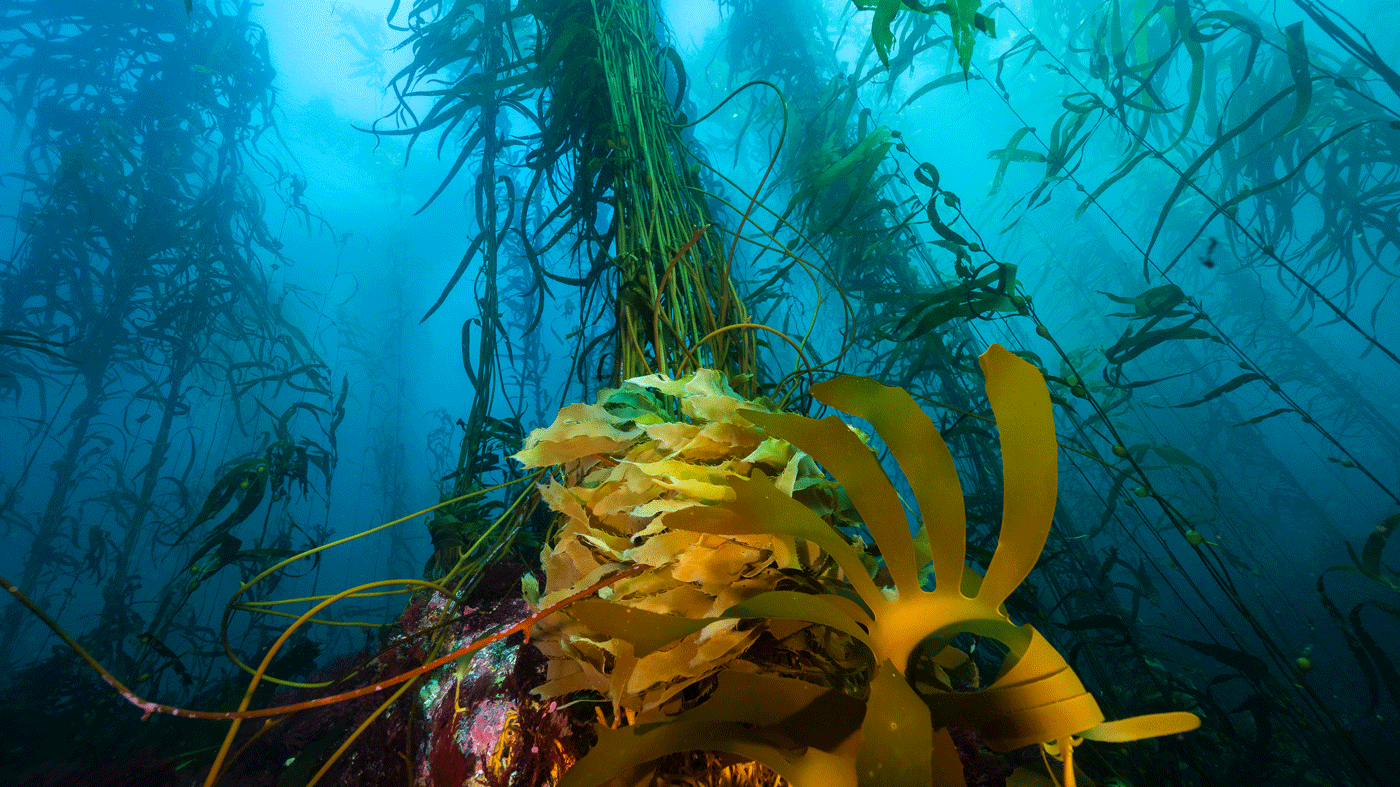
The other highlight was diving at the Acteons – where they saw giant kelp, which is disappearing.
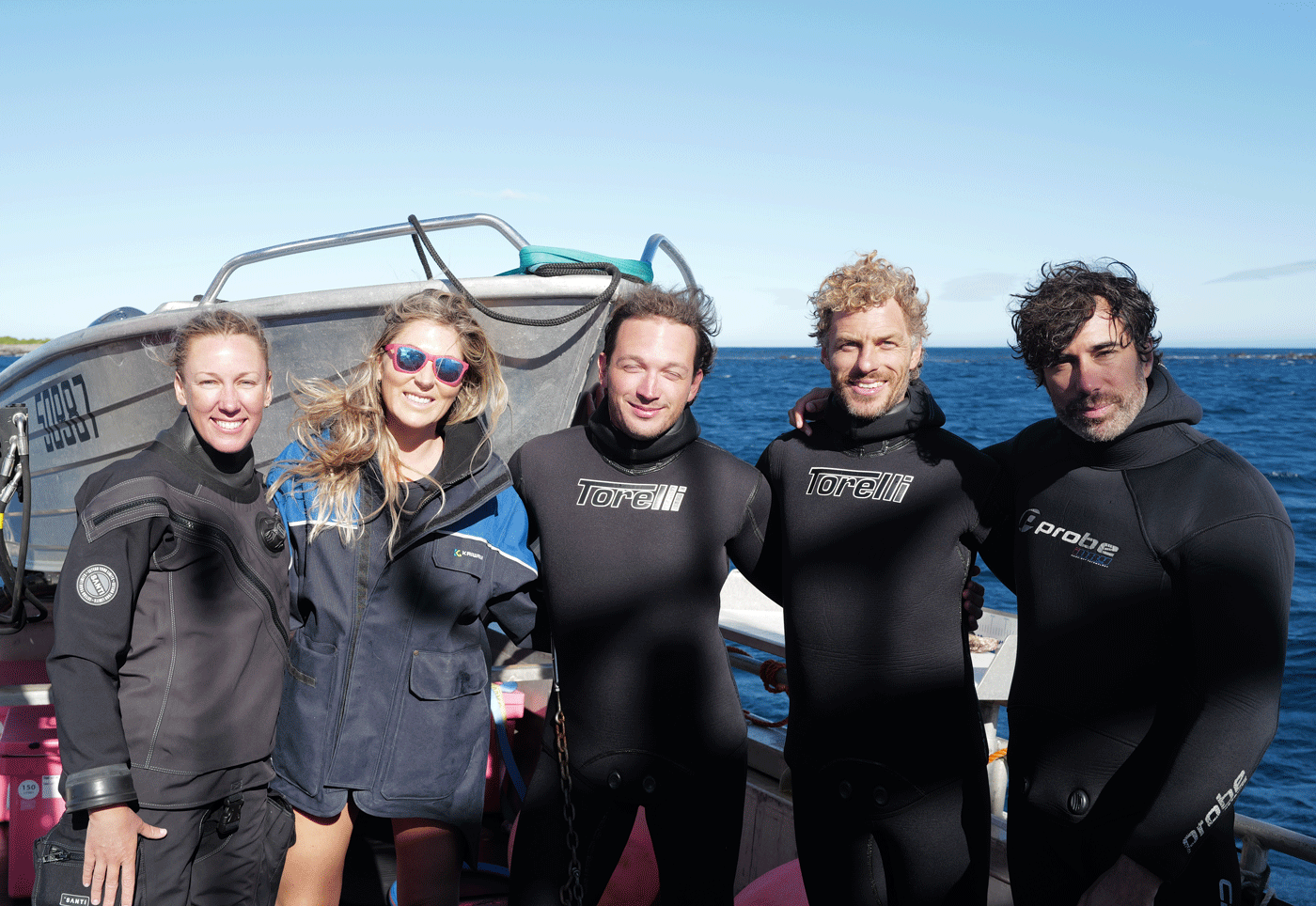
Sarah and Matt dived with the scientists – Scott, Lizzi and Hunter – who explained what they were seeing. "They were like encyclopedias. Their knowledge was so extensive and their passion was so clear,” Sarah said.
“For them it is so much more than a career. It is their world. It was very special to see where the support goes. To see that in a tangible way and understand the impact.
“It was incredible to be able to see the work on species that are in decline, to collect data and to see what we’re losing. To be able to have new knowledge – knowledge is power – and to document that.”
Sarah hopes the information collected will be used to better inform government decisions and improve environmental policies.
“And if we can help bring giant kelp back, strains that can withstand ocean heating, that would be incredible. To be part of what they are working on, that’s what we have to support.”
Read more stories from Impact 2025
Learn more about Giving at the University of Tasmania