

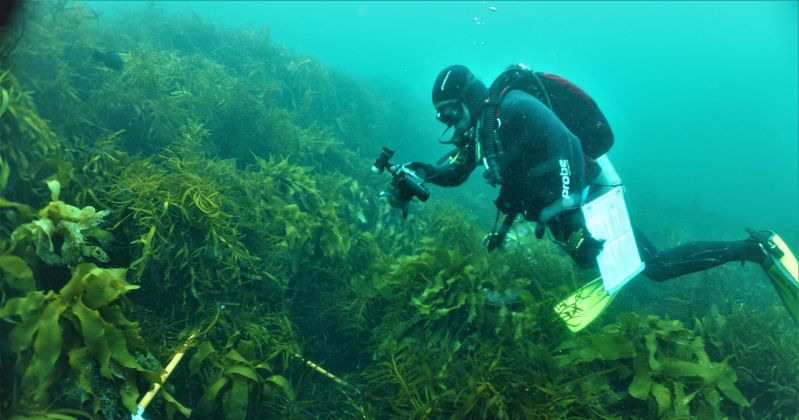
The abalone fishery in Tasmania has broadly stabilised following years of catch reductions but some areas of the state remain depleted, a new assessment of the fishery has found.
The University of Tasmania’s Institute for Marine and Antarctic Studies (IMAS) has released its 2025 Tasmanian Abalone Fishery Assessment.
The report found fishers landed approximately 743.9 tonnes of abalone in 2025, with early signs of recovery recorded in the Bass Strait and Greenlip zones. Eastern and Northern zones remain under pressure.
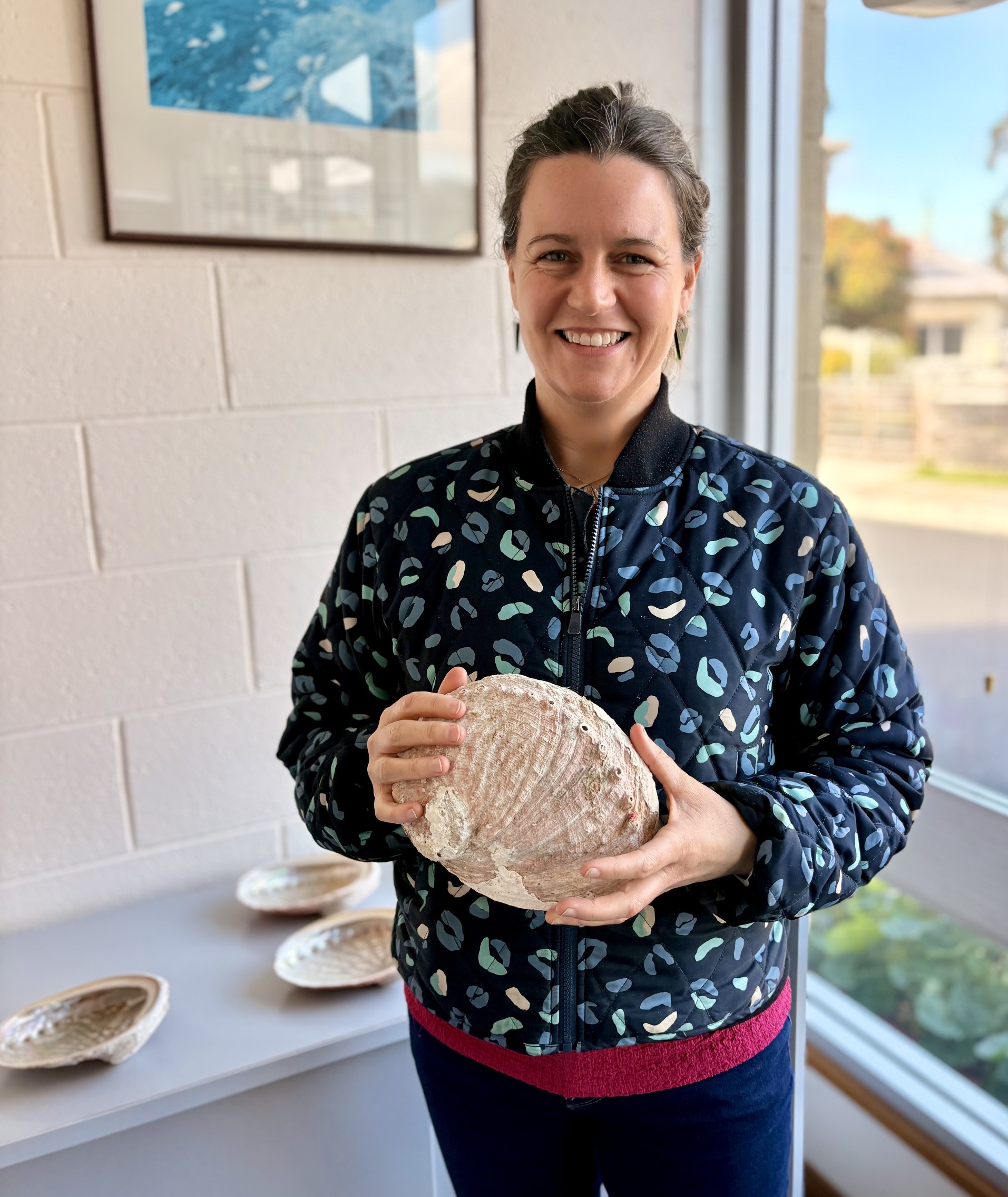
“It’s promising to see broad stabilisation across much of the fishery, and early signs of recovery in the Bass Strait and Greenlip zones following catch reductions that began 15 years ago,” said lead author and IMAS researcher Dr Katie Cresswell (pictured right).
The recommended biological catch for 2026 is 731.3 tonnes statewide, a reduction of just over four per cent compared with the 2025 total allowable catch.
“This reduction reflects the declines in the Eastern and Northern Zones, which is offset by increases in the Bass Strait and Greenlip Zones,” Dr Cresswell said.
“The empirical harvest strategy is in place and is using standardised catch-per-unit-effort data to give the government independent scientific advice on sustainable catch limits each year.
“This advice will help inform the total allowable catch limit for 2027, which is expected to be set in the coming months.”
Dr Cresswell recently moved into a new role as the stock assessment scientist for the Tasmanian abalone fishery at IMAS.
“I’m excited to join the abalone program at a key time of recovery and rebuilding, and hope to help guide the fishery through this period with IMAS's modelling and advice,” she said.
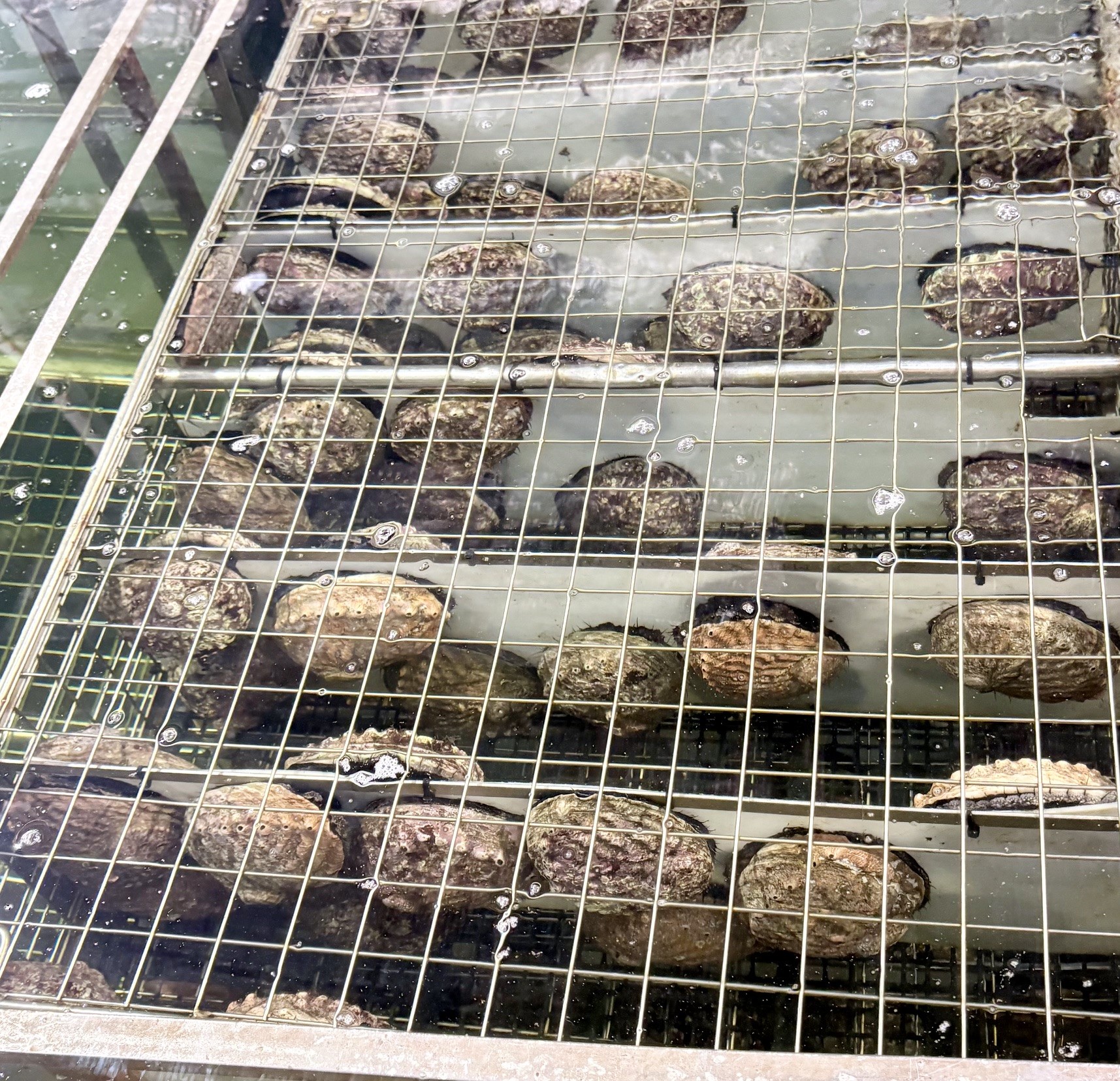
As part of the role, Dr Cresswell and her team recently visited the Tasmanian Seafoods factory to see abalone processing firsthand.
“It was a great experience connecting the science to industry on the ground,” she said.
The Tasmanian Abalone Fishery Assessment 2025 was funded by the Department of Natural Resources and Environment Tasmania (NRE Tas) and the Institute for Marine and Antarctic Studies (IMAS) through the Sustainable Marine Research Collaboration Agreement (SMRCA).
Cover image and above: Abalone processing at
the Tasmanian Seafoods factory. Photo: IMAS