


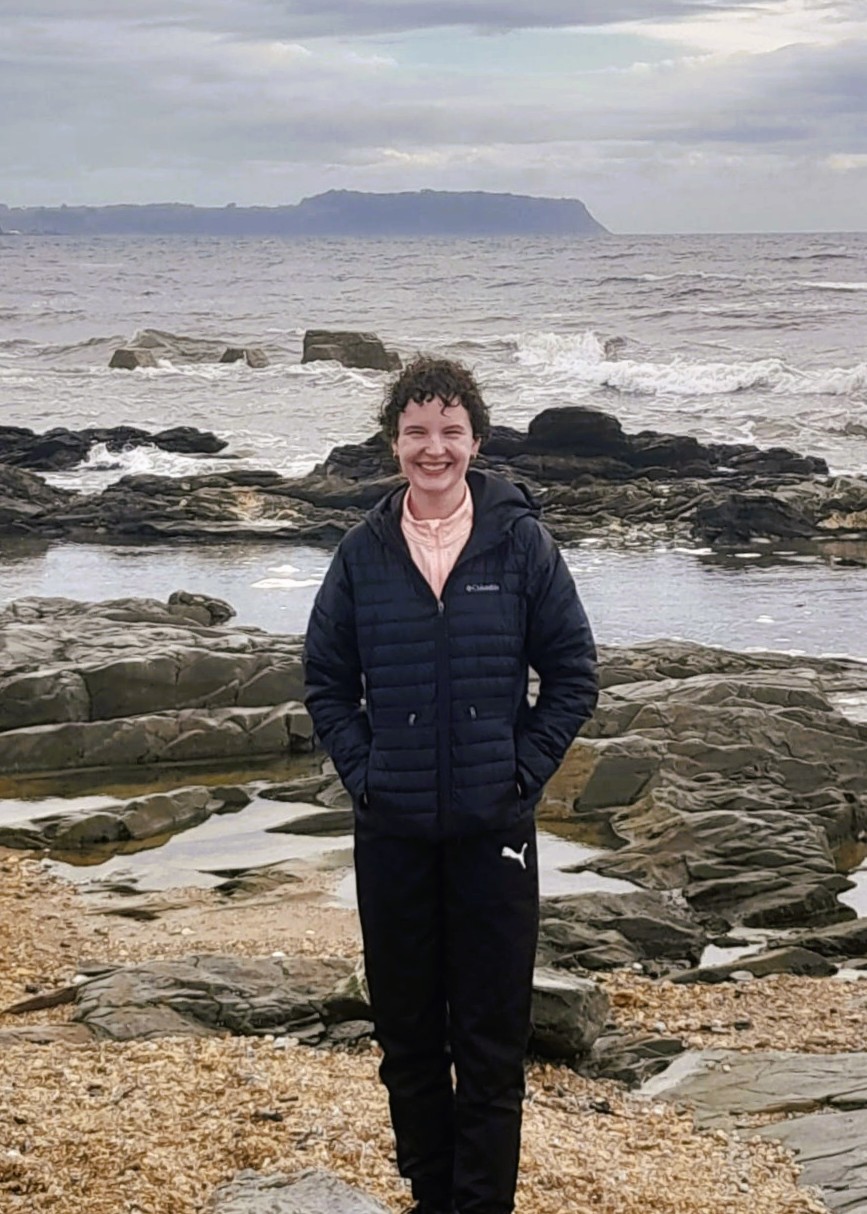
Trinity Shires credits her love of animals to growing up on a farm at Wynyard, on Tasmania’s North West Coast. So, it makes a lot of sense that she chose to specialise in zoology for her Bachelor of Science at the University of Tasmania.
But as a Palawa woman, her Tasmanian Indigenous heritage means that her connection with the land around her runs deeper than the science.
And in the third year of her degree, studying in Hobart, she had the opportunity to blend her scientific studies with her cultural roots, thanks to a community-based science communication project.
The Sustainability Placement Experience is an elective unit that can be taken by students in any discipline as part of their bachelor’s degree at the University of Tasmania. It’s an opportunity to get hands-on experience with real sustainability projects, while earning credit towards their degree.
When Trinity saw the unit promoted in a student email, she immediately applied. And while looking through the list of available projects to be part of, she saw one being run by the Wilderness Society that suited her perfectly.
“I read about this project, talking about muttonbirding, and that really sparked my attention,” she said.
“And it brought in that understanding of science, as well as culture, and then implementing a creative aspect as well.
“It was part of their Dark Skies campaign, and I looked at yula / muttonbird migration and how light pollution is affecting that, especially around city areas.”
The Wilderness Society are campaigning for a Dark Sky Sanctuary for Southwest National Park, where a large portion of Lutruwita / Tasmania’s population of short‑tailed shearwaters (muttonbirds) breed.
The aim of Trinity’s 11-week project was to build community awareness, foster environmental stewardship, and strengthen public connection to Tasmania’s coastal ecology.
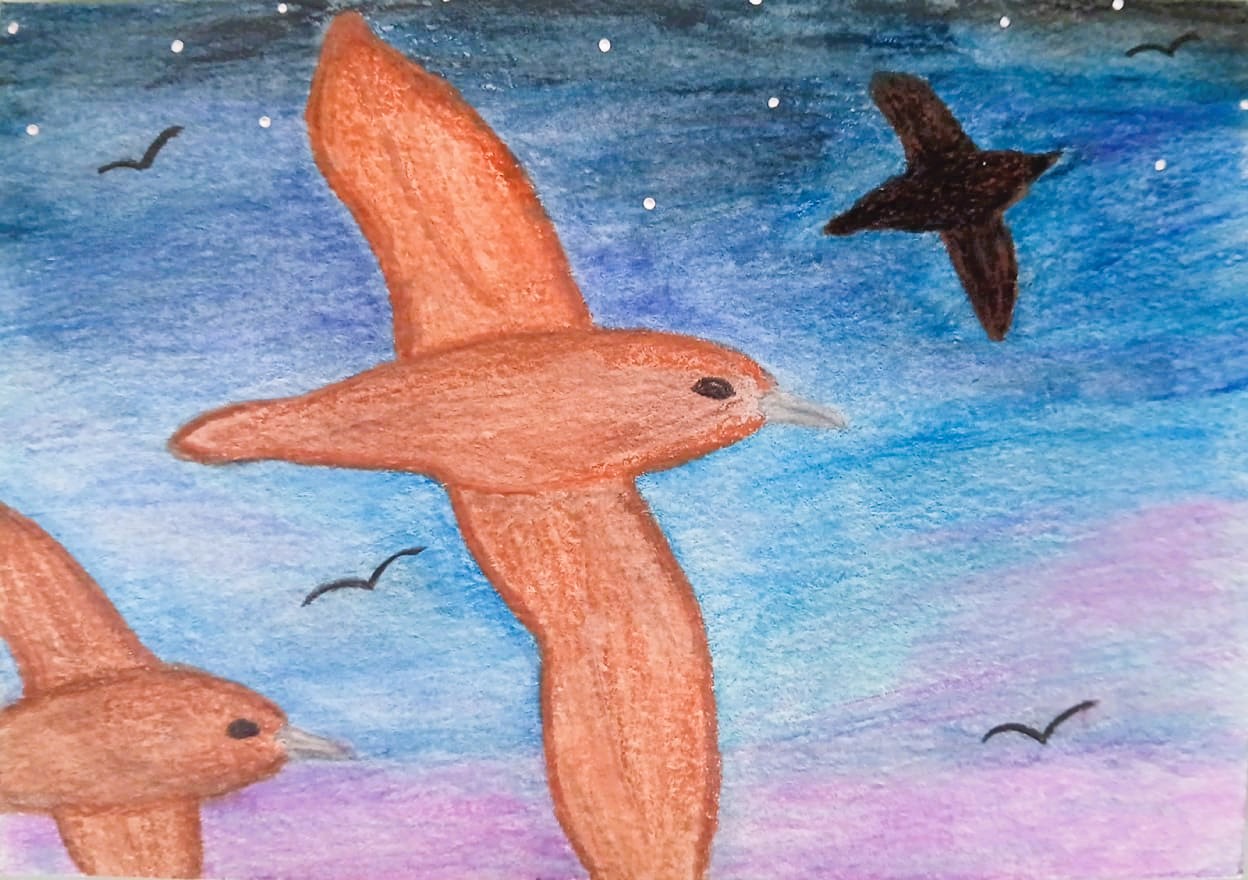
Supported by her Wilderness Society mentor Joe Bean, Trinity worked with the team to analyse migration data, and then developed materials to explain the annual shearwater migration, and how light pollution results in birds being injured and killed.
Trinity prepared creative elements and science communication handouts, and contributed to presentation materials. She then discussed the topic with interested community members at an International Dark Sky Week event at Franklin, hosted in collaboration Huon Valley Council, Dark Sky Tasmania and the Astronomical Society of Tasmania.
Joe praised Trinity’s efforts during her placement, saying her work laid the groundwork for future campaigning around light pollution and muttonbirds.
Trinity said her first time working in science communication was as fruitful for her as it was for the community members who attended.
“We combined the science of light pollution and bird migration with the (Indigenous) cultural significance as well, with caring for milaythina wurangkili / Sky Country.
“I already knew a bit about the importance of those stories that are shaped by the stars, but it was interesting for me to learn more about the importance of that knowledge in the south of Tasmania.”
Trinity said the placement was extremely helpful for her degree, giving her the opportunity to take all her learned knowledge and theory, and put it to practical use in a way that directly benefited the Tasmanian community.
“I had to think about the language we needed to use to get our message across to the widest range of audiences. And we used creativity as part of that communication as well, which is a side we don’t get to use so often in science.”
Spending that time working with the Wilderness Society also gave Trinity the opportunity to see how her degree could be applied in the sustainability/conservation field, and the career paths that were available without leaving Tasmania.
“I think that sustainability side might appeal as a career path now, I’m really interested in those restoration and conservation efforts,” she said.
“I’m not sure exactly what I’ll do after I graduate but I’m looking at some of the graduate programs that are available, and also potentially doing further education if I need to.”
Interested in sustainability?
The Sustainability Placement Experience can be undertaken by students in any bachelor's degree with available elective space. You’ll get hands-on experience with sustainability projects, earn credit towards your degree, and build a valuable network of peers and industry contacts.
Learn more