


A University of Tasmania researcher is co-leading a new international journal examining how disinformation affects public understanding of climate change, health, elections and conflict.
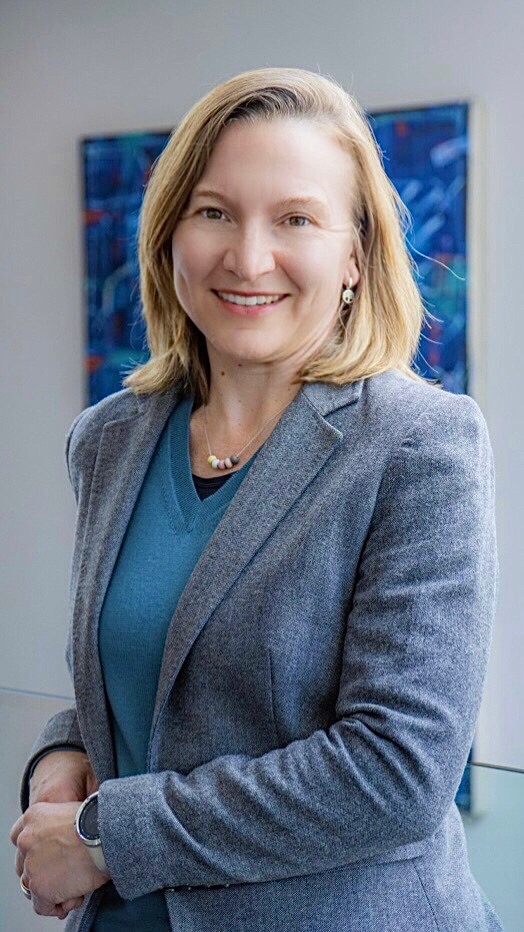
Senior Research Fellow in Climate Science Communication Dr Gabi Mocatta is one of five co-Editors-in-Chief of Disinformation: An Interdisciplinary Journal, a peer-reviewed, open-access journal launching in January 2027.
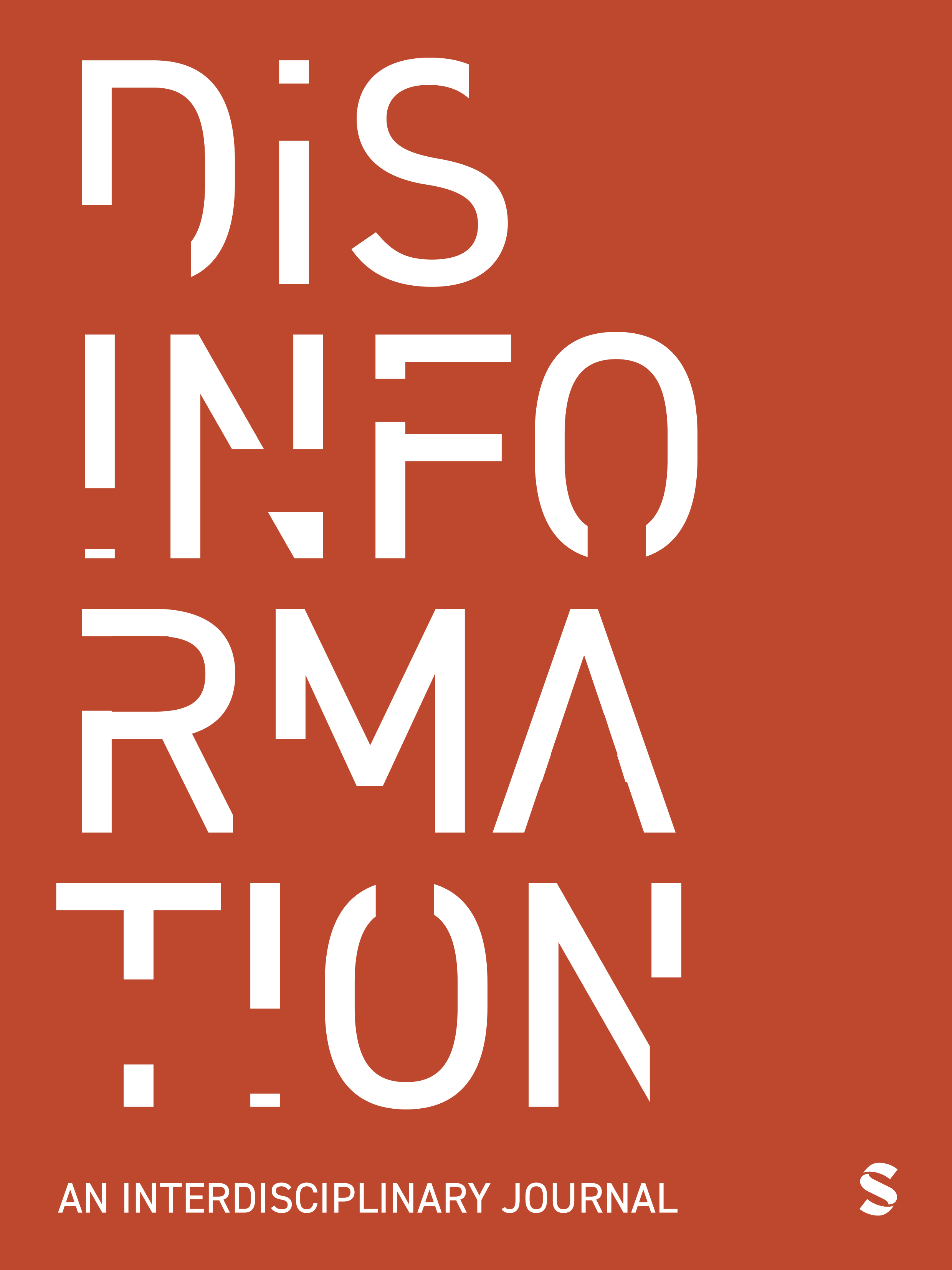
Dr Mocatta said the journal will investigate how disinformation is created and spread, while also examining how the term is used.
“Disinformation can shape how people understand some of the biggest issues facing society, from climate change and public health to conflict and democratic debate,” Dr Mocatta said.
“But the term itself is contested. We need to ask what gets labelled as disinformation, who applies that label and what the consequences of disinformation are.”
Published by Sage, the journal will bring together international research across diverse disciplines including communication, media, politics and psychology. It will particularly encourage contributions from researchers in regions often under-represented in academic publishing, including in the Global South.
“Disinformation crosses borders and areas of research, but its causes and effects vary across political, social and cultural settings,” Dr Mocatta said.
“Bringing these perspectives together, and emphasising a global perspective, will strengthen our understanding of how disinformation works and how societies everywhere can respond.”
Dr Mocatta is a climate communication researcher with the University’s Climate Futures research group. Her work examines climate science communication, media coverage of climate change and the relationship between information, public understanding and environmental action.
“Climate communication research clearly shows how the current information landscape can affect people’s understanding of science, climate risk and the choices available to them,” Dr Mocatta said.
“The journal will connect that work with research from other fields and parts of the world.”
Alongside peer-reviewed research, Disinformation will publish timely commentary from researchers and practitioners, including journalists, policymakers and fact-checkers.
The journal will be free to read and will not charge authors a publication fee. It is accepting submissions ahead of its January 2027 launch.
More information and submission guidelines are available on the journal website.