



Why does one tree cope with drought while another, even from the same species, struggles?
An international study published in Nature suggests part of the answer lies in differences inside the trees themselves.
Researchers found tropical trees growing in drier forests often had stronger drought-related traits than members of the same species growing in wetter forests.
Previous research has suggested that some key drought-survival traits show little variation within a species. This study found a different pattern in tropical forests.
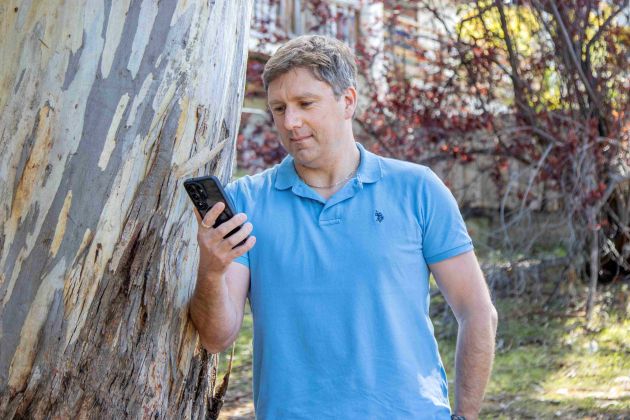
Professor Tim Brodribb, a Professorial Fellow in Biological Sciences in the University of Tasmania’s School of Natural Sciences, helped train lead author Chris Smith-Martin in specialist techniques used to measure how vulnerable plants are to drought.
“Trees can look very similar from the outside, but this study shows there can be important differences in how they cope with water stress,” Professor Brodribb said.
“That matters because drought is one of the biggest threats facing forests as the climate changes.
“If we can understand which trees are better able to keep functioning during dry periods, we can make better predictions about which forests are most at risk.”
The study measured 11 water-related traits in 290 trees from 18 species across Puerto Rico, where rainfall ranges from about 1,000 to 4,000 millimetres a year.
Researchers found that trees in drier forests were generally more resistant to damage in the water-carrying vessels that help keep them alive during dry periods.
During severe drought, air bubbles can form in those vessels, making it harder for a tree to keep moving water.
“Scientists have often assumed that these drought-survival traits do not change much within a species,” Professor Brodribb said.
“But in this study, we saw clear differences between trees of the same species growing under different rainfall conditions.
“That is the important part. It means we cannot always treat a tree species as if every individual has the same level of drought tolerance.”
The research found forest drought resistance was shaped both by different species growing in different rainfall zones and by variation within species themselves.
The paper found that 17 of the 18 species studied showed significant shifts in at least one water-related trait across the rainfall gradient.
Professor Brodribb said accounting for those differences could improve forecasts of how forests respond to drought.
“This does not mean forests are safe from climate change,” Professor Brodribb said.
“But it does suggest some species may have more capacity to adjust to drying conditions than previous models have allowed for.
“It also means species that lack this flexibility could be especially vulnerable as droughts become more frequent and severe.”
Tropical forests store vast amounts of carbon and support much of the world's biodiversity. Understanding how they respond to drought is increasingly important as climate change intensifies.
“To understand the future of forests, we need to understand how trees fail during drought, but also how some trees avoid failure,” Professor Brodribb said.
“This work gives us a clearer picture of the traits that may help some trees persist as conditions become drier.”
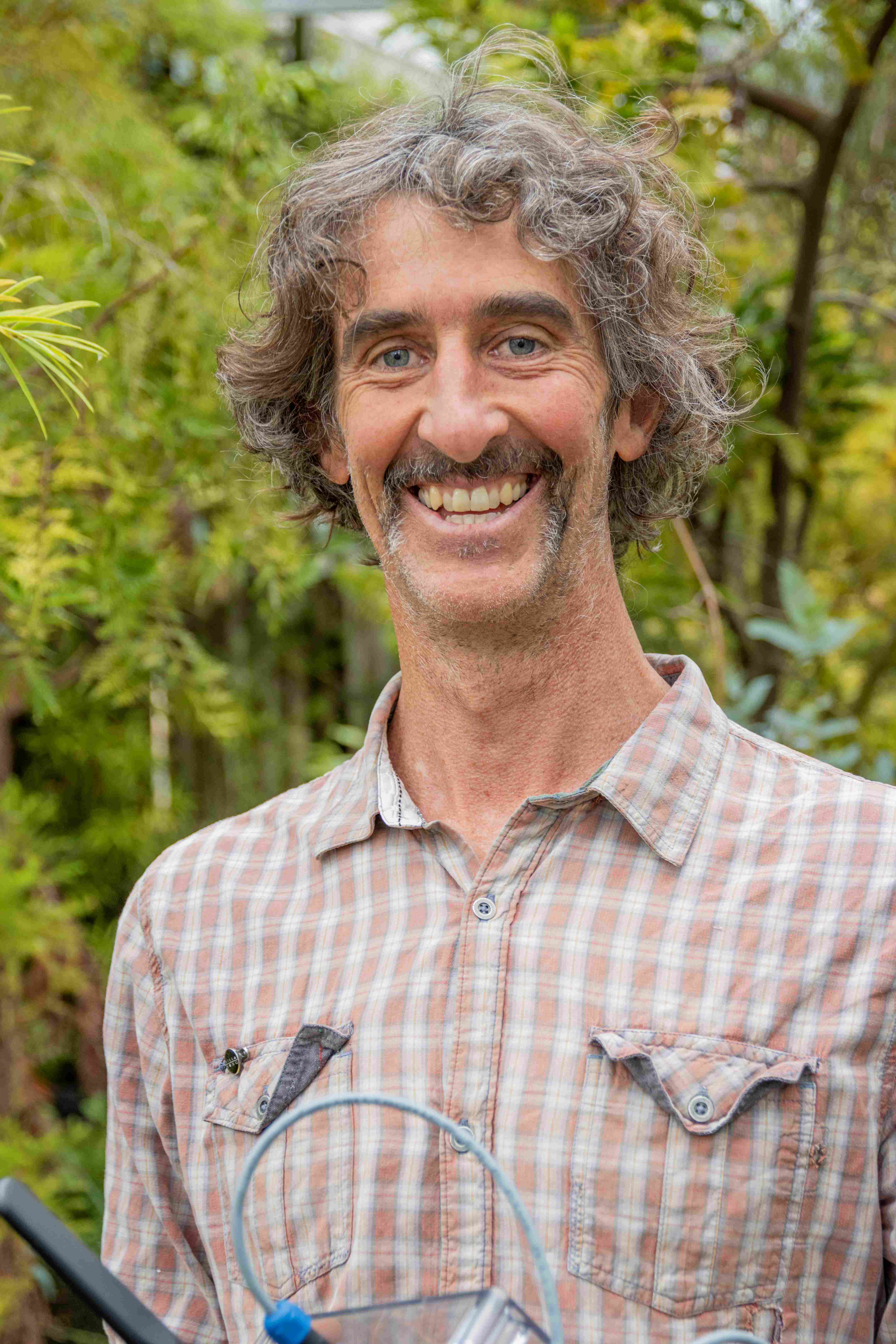
Nature paper lead author Chris Smith-Martin spent several months in Professor Brodribb’s laboratory in Tasmania learning how to measure key plant vulnerability traits.
Professor Brodribb also contributed to writing the paper.
The paper, Species intraspecific variation drives tropical forest drought resistance, was published in Nature on Thursday 13 August 2026.