

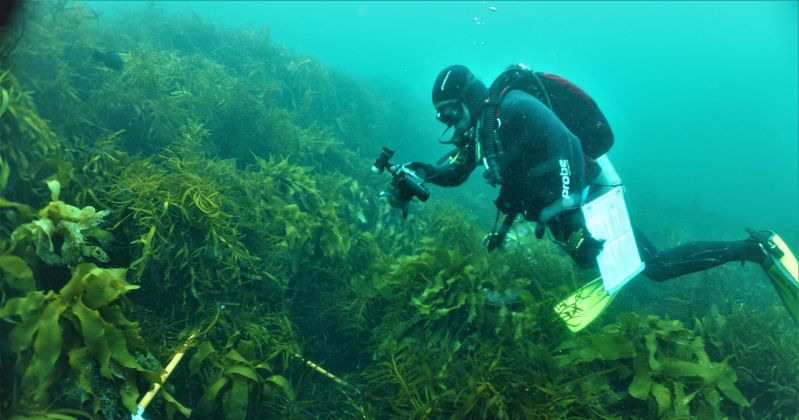
Two purpose-built artificial reefs installed on Tasmanian’s coastline could offer additional habitats for many marine species, support recreational fishing, and create a more sustainable coastal ecosystem.
“These artificial reefs are an exciting opportunity for Tasmanians, especially for those of us who love our marine environment,” said Dr Sarah Ugalde from the University of Tasmania’s Institute for Marine and Antarctic Studies (IMAS).
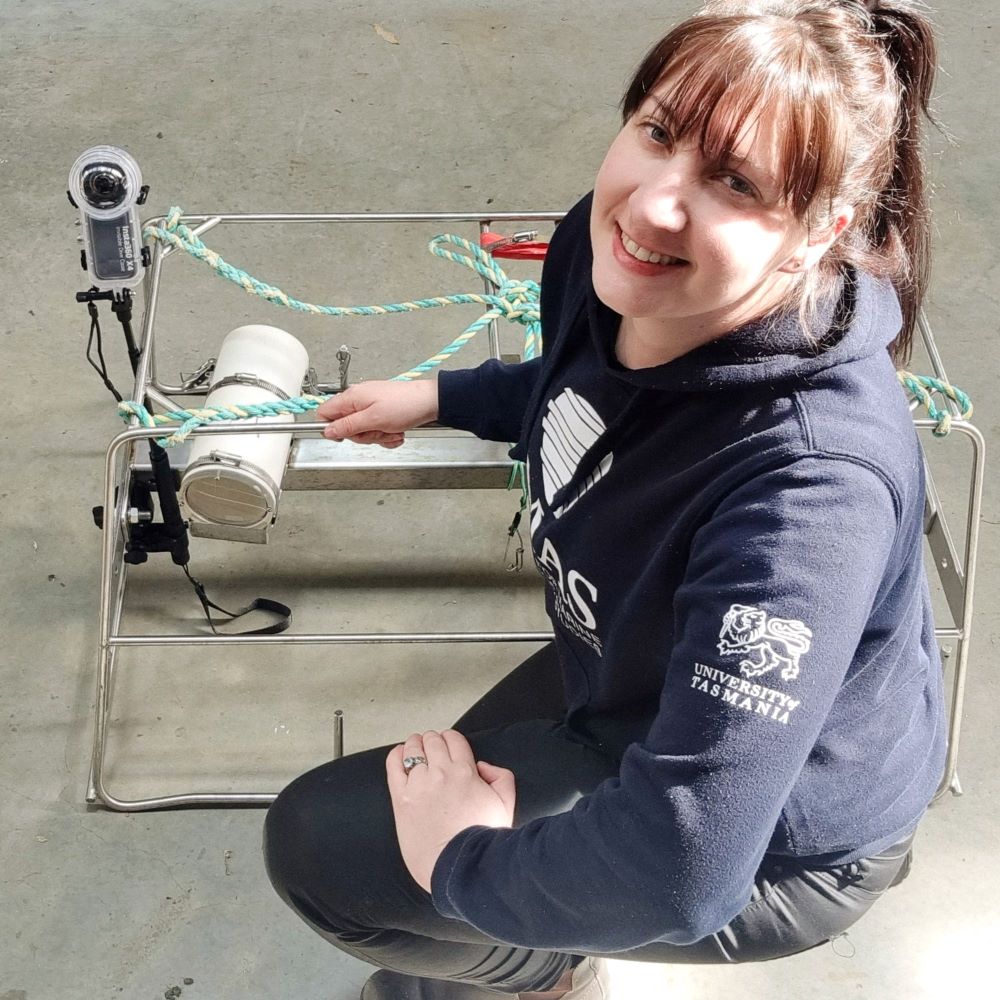
“We’re working with the Department of Natural Resources and Environment Tasmania (NRE Tas) and TARFish, the peak body representing recreational marine fishers in Tasmania, to better understand what these artificial reefs bring to Tasmania and the benefits they provide for recreational fishers and other ocean users.”
Under a commitment by the Tasmanian Government, the reefs were installed to provide new recreational fishing opportunities in areas where little natural reef exists. Each reef is made up of around 150 concrete modules of different shapes and size, and set up at depths between 10 and15 metres.
The southern reef was installed in 2022 in the D’Entrecasteaux Channel, and the northern reef was installed in 2023 off Turners Beach between Ulverstone and Devonport.
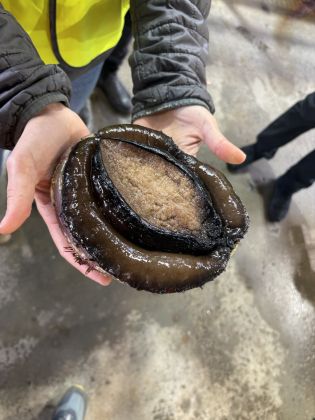
“We have found a range of species around the reefs, including the occasional appearance of popular recreational species like Snapper. As the reefs become more established, we may see their numbers increase and the possibility of settlement of benthic species like abalone,” Dr Ugalde said.
“By creating a habitat for important fish species, the artificial reefs will support recreational fishing and will be accessible to fishers and divers, and other ocean enthusiasts.”
“If we can understand how the reefs contribute directly and indirectly to the marine environment, we can ensure they continue to be designed and managed in ways that provide a range of positive outcomes for Tasmanians.”
Discover more:
- Dr Sarah Ugalde talks about and shows footage of the reef module
- Dive in to explore Tasmania’s artificial reefs…
This project is supported by funding from the Fisheries Research and Development Corporation (FRDC) on behalf of the Australian Government. NRE Tas also provides project funding through the Sustainable Marine Research Collaborative Agreement (SMRCA) between the Tasmanian Government and the University of Tasmania.
Cover image: BRUV video recording of fish near
an artificial reef module on the Turners Beach site.
Credit: Sarah Ugalde IMAS
