


Our oceans are home to some of the most diverse and important ecosystems on the planet — but they’re under growing pressure from human activities.
One of the main tools used to protect these ecosystems are Marine Protected Areas (MPAs). But what exactly are MPAs, and how do they help?
MPAs are specific regions of the ocean designated to conserve marine ecosystems and biodiversity. In Australia, these areas include Australian Marine Parks, which collectively cover 43% of Australian waters, as well as a network of inshore state and territory managed MPAs.
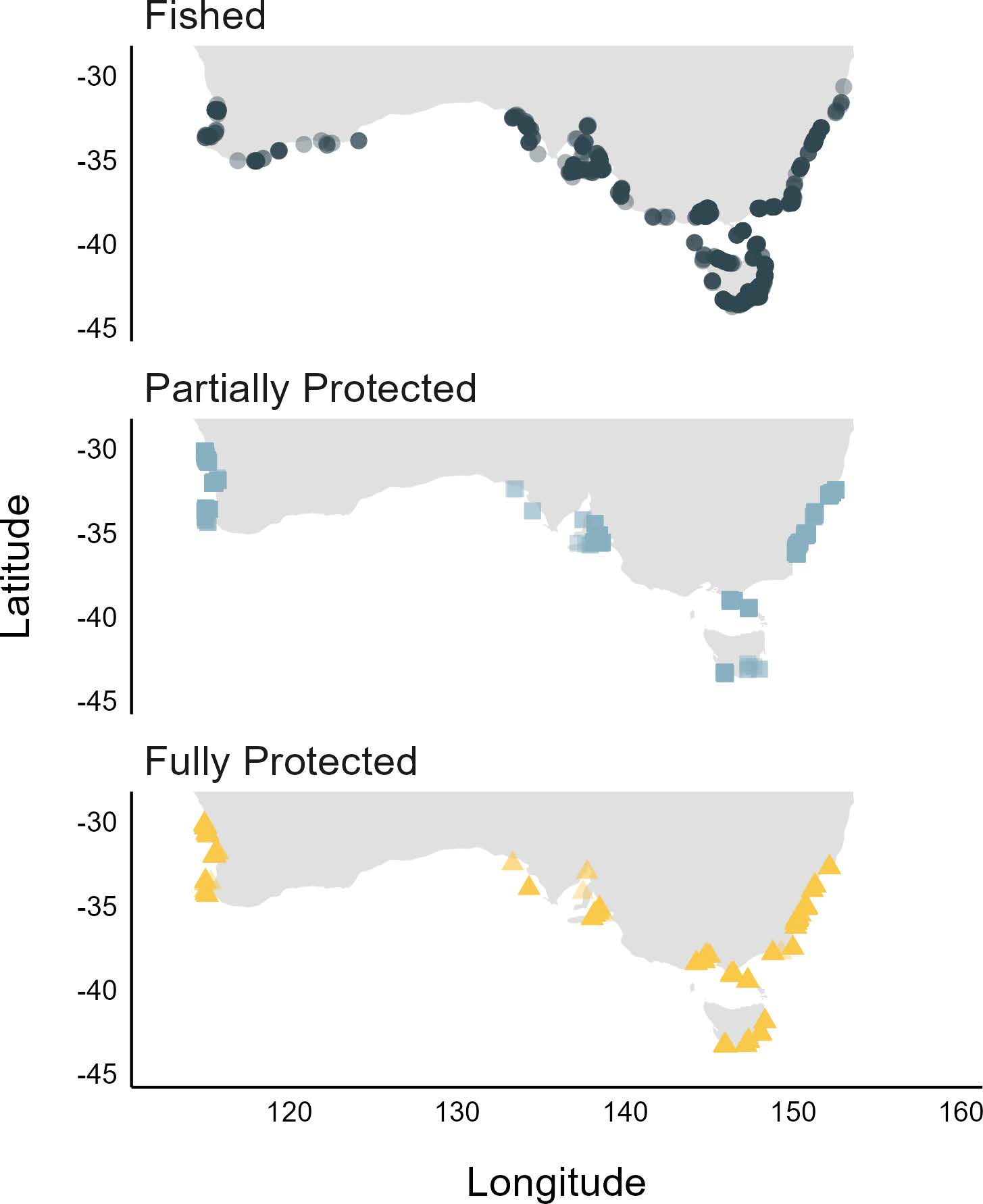
A recent study has revealed that many of these protected areas showed little recovery of reef fish biomass.
“We found fully protected MPAs had much larger biomass of shallow reef fish compared to areas where fishing is allowed," said lead author Ella Clausius who is a marine ecologist at the University of Tasmania’s Institute for Marine and Antarctic Studies (IMAS).
"This shows that giving areas full protection is key to helping achieve the best biodiversity outcomes."
The study looked at data from 922 reef sites across southern Australia and examined how different environmental and human factors affected the success of 49 MPAs.
“These findings highlight the importance of strict fishing exclusion for fish biomass recovery, and support incorporating local conditions into strategic MPA planning and management,” Miss Clausius said.
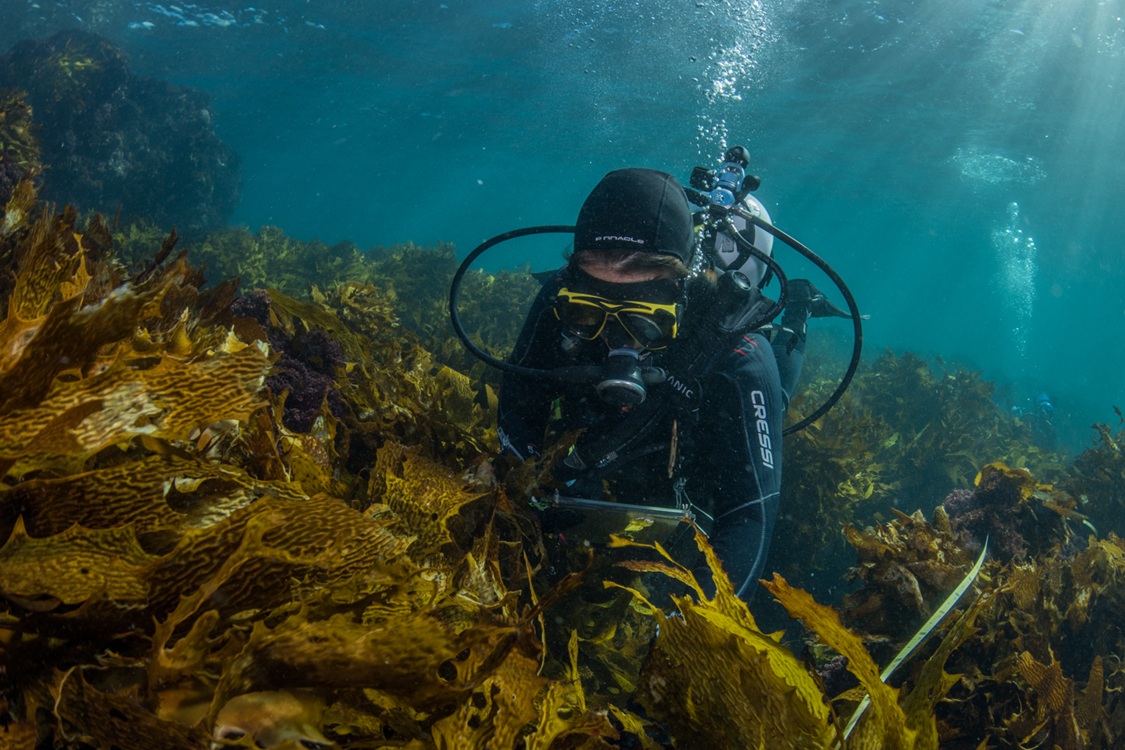
Co-author and IMAS marine ecologist, Professor Graham Edgar said there is a need for MPA networks to be designed and managed with a greater understanding of local reef conditions.
“By factoring in things like habitat type and the surrounding environment when planning and managing MPAs, we can better understand what kind of fish recovery to expect,” Professor Edgar said.
“This will allow for more effective and targeted conservation efforts. Once established, efficient on-going monitoring is fundamental for adaptive management and to determine MPA policy impact.
“As climate change and human activities continue to alter reef habitats, strategically positioned, well-managed and effectively monitored MPAs are critical in the preservation of marine ecosystems and ensuring their resilience in the face of ongoing environmental changes.”
This research was partially supported by a Parks Victoria Student Research Scholarship. Support was also provided by the Australian Research Council and by a Fellowship in Marine Conservation from the Pew Charitable Trusts.
Read the study published in The Proceedings of the Royal Society B: Biological Sciences
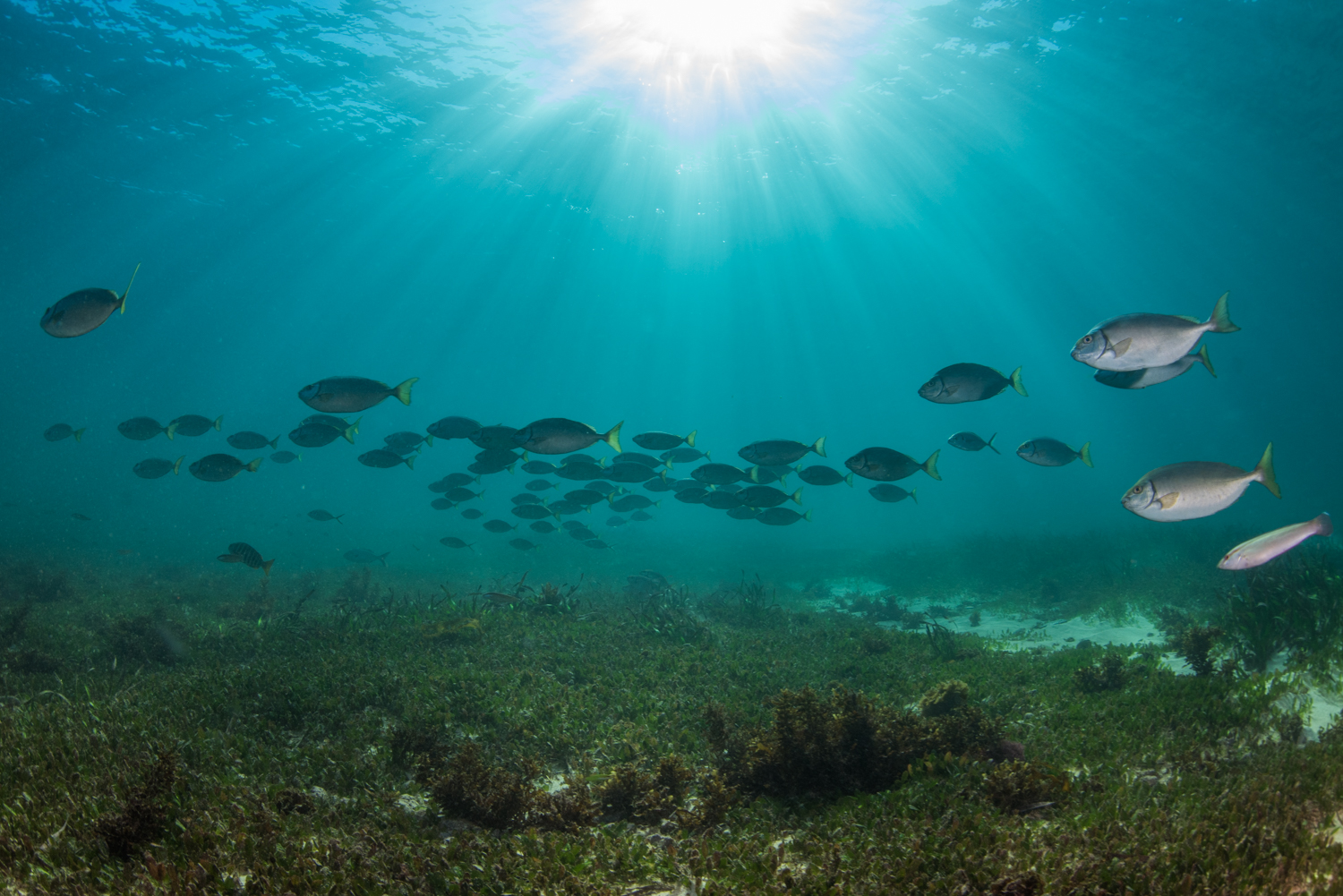
Cover image: healthy reef
Credit: Scott Ling