


Dr Tiana Pirtle’s childhood love of watching wild horses in the Nevada desert started her on a study journey that has led her to the other side of the world, and a career in wildlife ecology and science communication in Tasmania.
With a side hustle doing public talks about animal vaginas.
“There's many ways to use a science degree,” she said. “It can definitely take you places, you don't have to become a scientist in a lab with white coats.”
Tiana is the Inspiring Australia Program Manager at the University of Tasmania, encouraging people to study science.
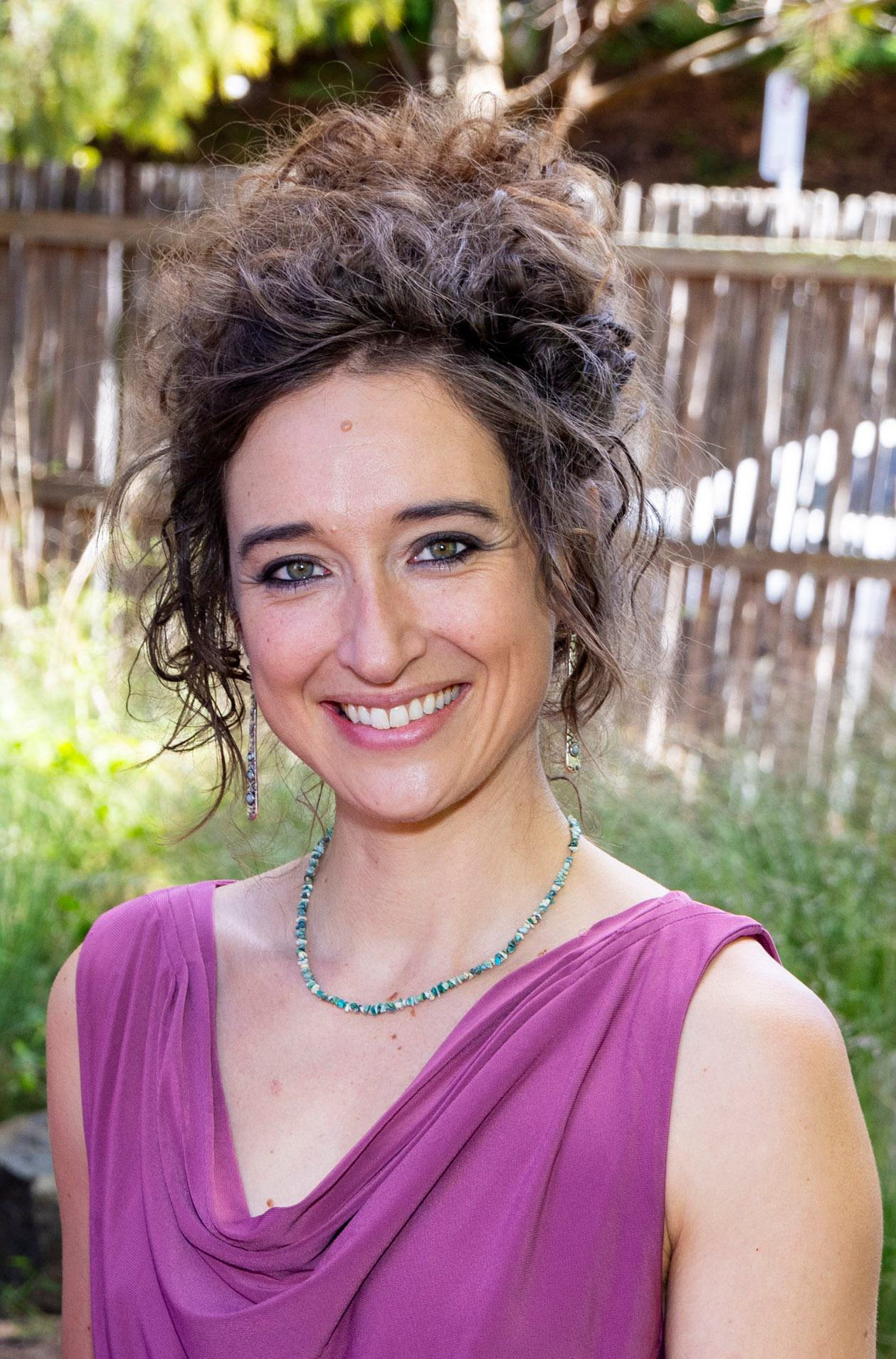
She also works for the Invasive Species Council, focused on improving both government policy and the public’s understanding of the science behind ecology and management of invasive species.
Originally from the US, Tiana grew up just outside Reno, Nevada, where she and her sisters shared “an obsessive interest” in animals, especially the wild horses that lived in their area.
Taking a particular interest in efforts to control the feral horse problem in her home state, Tiana studied a Bachelor of Wildlife Ecology at the University of Nevada, Reno.
She then worked as a research assistant on a study into horse fertility control and reproductive biology before deciding to do her PhD in that field.
She approached one of the lecturers at her university to discuss her idea. And while the lecturer was happy to supervise Tiana’s research, she added a plot twist.
“She said: that sounds great, I've just got a job at the University of Tasmania and I have some research money – do you want to move to Tasmania?
“And I knew nothing about Tasmania except for Tassie devils and Tassie tigers. So I moved here.”
As part of her PhD in reproductive ecology and physiology in Tasmania, Tiana studied horses, both domestic and feral.
Ultimately this was the catalyst for Vaginal Vignettes and When Vaginas Attack, the entertaining and fascinating public talks she has presented for National Science Week and the podcast Science Vs.

“I read a lot of papers on how male and female animals behave around mating and reproduction. Much of that literature used very gendered language that made the female the passive, less interesting player.
“But what I was reading didn't really correlate with what I'd seen in the wild, where the female animals are very active, and not just waiting for the males to do whatever they wanted.
“I thought I’d stumbled on this great patriarchal gender bias in all the scientific literature about animals and I was going to write a ground-breaking paper about it.”
Tiana soon discovered that she was not the first person to observe this bias. There had, in fact, been many outstanding papers written about the issue. But this only incensed her further.
“I’d been in science since I was a teenager and I’d still never heard this discussed. So, that started my passion for communicating to the public that what you probably learned in science class about male and animal females is wrong!”
Tiana’s “vagina talks” focus on the unique reproductive adaptations of animals, including many that put the female of the species in “the driver’s seat” when it comes to reproduction.
Yet these highly specialised structures have traditionally been under-researched and underappreciated.
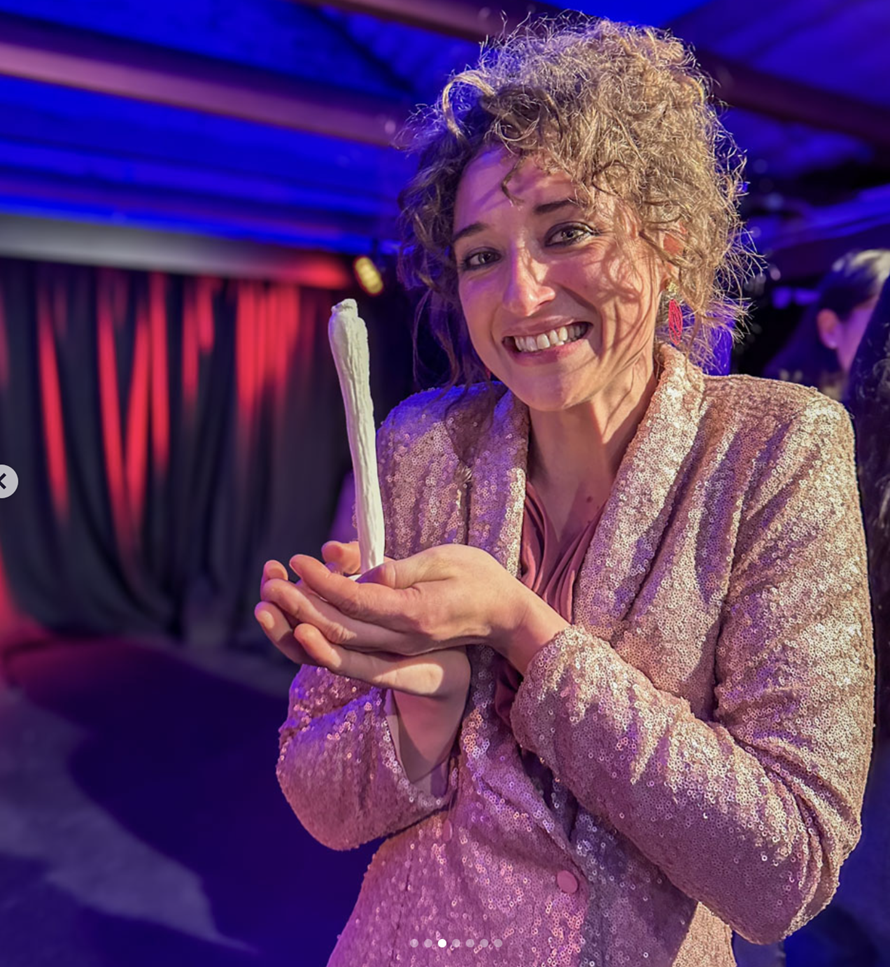
Tiana intentionally leans into the giggling fits caused by these discussions, because this humour is what allows her to address the bigger issues beneath the surface: the inherent biases and assumptions that can be hidden within science.
“And that happened because old white men developed the theory of sexual selection at a time when there were very pernicious views on what a female could and could not be and do. And that bias incorrectly informed their science.
“And, really, that applies to a lot of science, and we don't necessarily always realise it. As scientists, we like to think that we're very objective and we're not bringing those biases in, but it happens.”
The popularity of these talks highlights the importance of communicating scientific information in fun and accessible ways, something that is equally vital in Tiana’s work with the Invasive Species Council.
“I found the most rewarding part of doing research was in communicating the research you've done and what that means for the world,” she said.
“Trying to get people to understand why it’s a problem to let invasive species run rampant in Tasmania, and why they should care about our native animals – it shouldn't be a hard sell, but it often is.
“But once you tell those stories in a compelling, accessible way, it's amazing how quickly people get the idea and come on board with you.”
Tiana is continuing her quest to make science fun during this year’s National Science Week (9-17 August), with two informative and funny live shows.
On 16 August she joins a panel of scientists and “sexperts” for Come Again? An evening of sex and science as part of the Beaker Street Festival (12-24 August). And she returns to the stage on 22 August for a new live show called The Clitoral Chronicles, lifting the hood on the most neglected organ in biology.