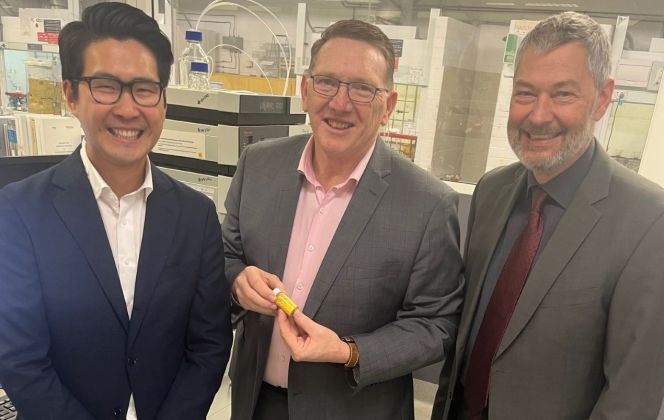
In early December, InVent hosted its 2025 Annual Research Impact Showcase, an inspiring reminder of how Tasmania continues to punch far above its weight in research-driven innovation.
From tackling global agricultural disease and early-stage dementia detection, to pioneering PFAS sensing chemistry, next-generation gene editing tools, breakthrough acoustic camera technology, school and workplace health literacy, and the commercial journey of Cavicam’s drought-resilience solution - the diversity and ambition of this work is extraordinary.
The showcase featured:
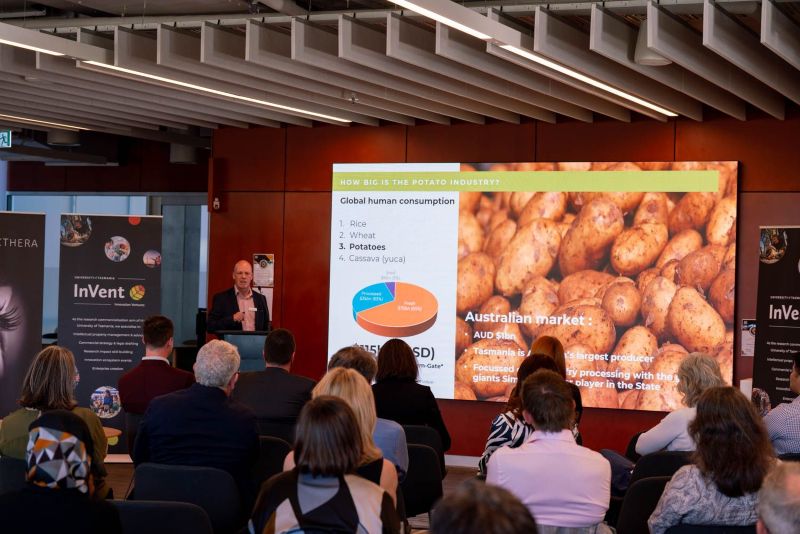
- Professor Calum Wilson
Tasmanian Institute of Agriculture (TIA)
Natural inoculant for potato powdery scab disease, a global pathogen which costs the potato industry USD5B per year - Professor Jane Alty
Wicking Dementia Research & Education Centre
Non-invasive, scalable, clinically-validated, early-stage dementia detection - Dr Rosie Nash
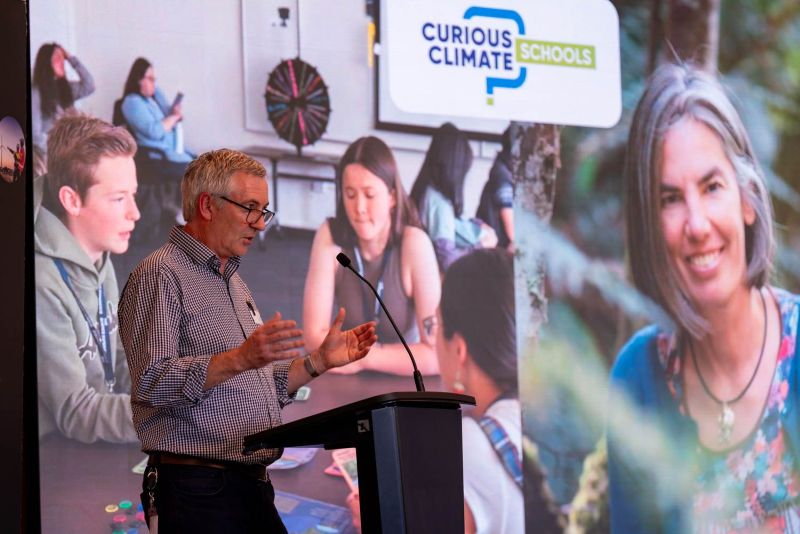
School of Medicine and CEO of HealthLit4Everyone Ltd
HealthLit4Everyone's health literacy program is well underway in schools, is now piloting in workplaces, and has received interest for global expansion - Dr Nathan Kilah
School of Natural Sciences
Supramolecular chemistry for the detection of PFAS ‘forever chemicals’ - Dr Rajendra KC
School of Medicine
Directed evolution tools to engineer next-generation gene editors - Mr Moby Edwards
School of Engineering (HDR student)
Acoustic camera technology - Mr Juno Wilson, CEO
Cavicam Pty Ltd (spinout)
An innovative, robust, easy-to-use and highly accurate plant monitoring system, providing precision understanding of a plant’s response to water stress