

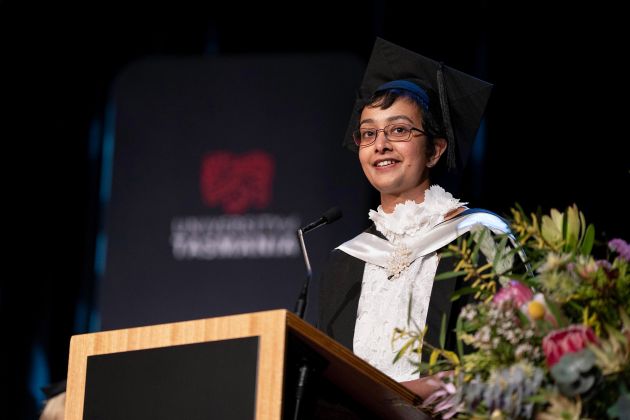
Students from the University of Tasmania's Centre for Ore Deposit and Earth Sciences (CODES) have returned from a comprehensive study tour of one of the world's most significant geological regions, China's Middle and Lower Yangtze Metallogenic Belt.
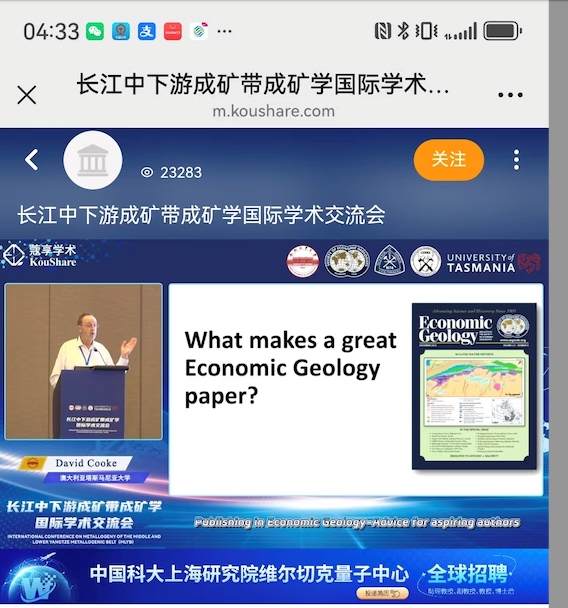
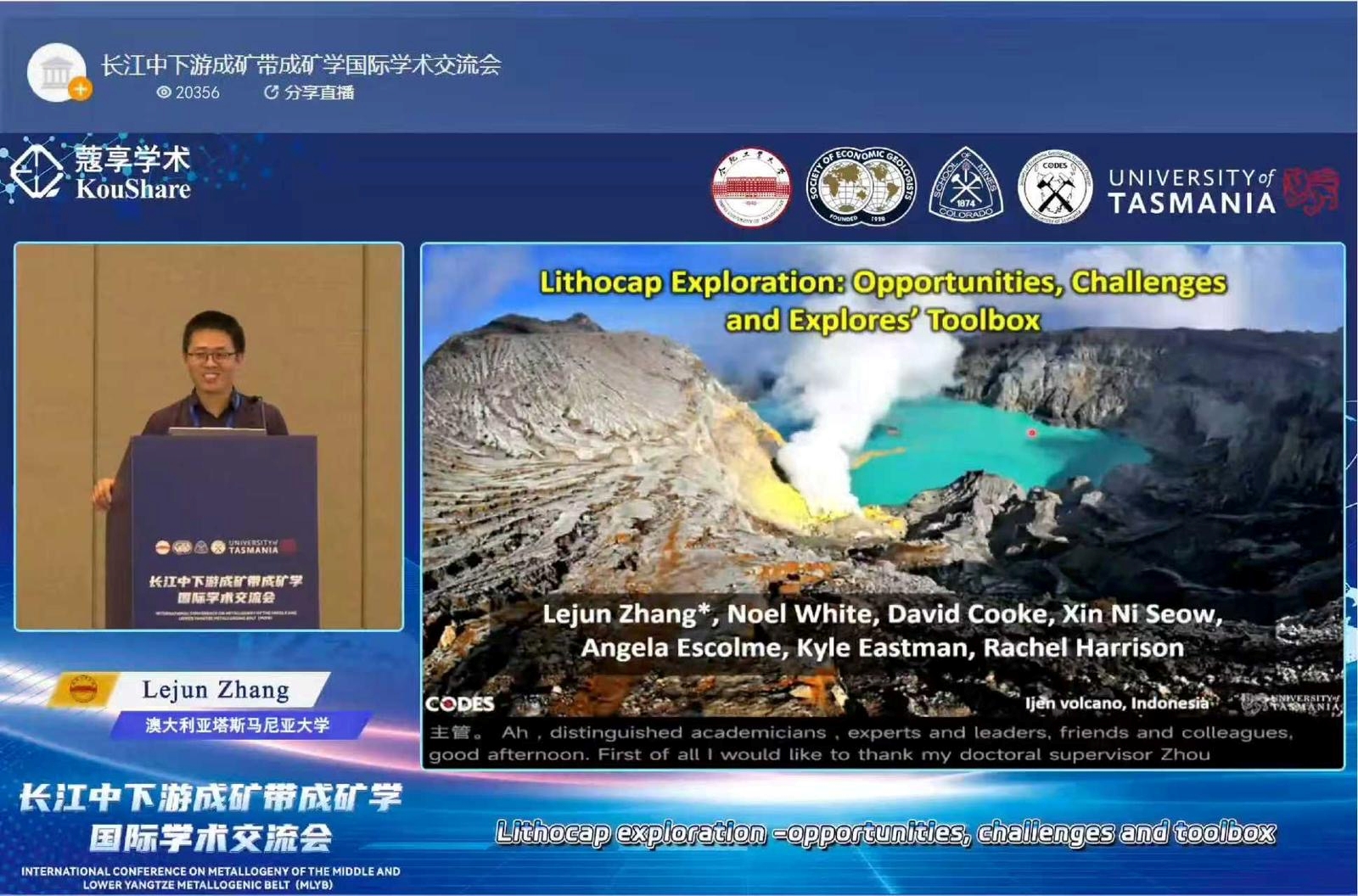
The expedition began with the International Conference on Metallogeny of the Middle and Lower Yangtze Metallogenic Belt in Hefei, where CODES Director Professor David Cooke and Associate Professor Lejun Zhang were invited as keynote speakers.
Professor Cooke's presentation on the global copper challenge drew nearly 24,000 online viewers, while Associate Professor Zhang, presenting in Mandarin, attracted over 20,000 virtual attendees discussing copper exploration techniques.
Following the conference, 13 Higher Degree Research students embarked on a two-week field program organised by the CODES Society of Economic Geology Student Chapter, alongside peers from Colorado School of Mines and Hefei University of Technology SEG Student Chapters, exploring the geological formations that make this region internationally significant.
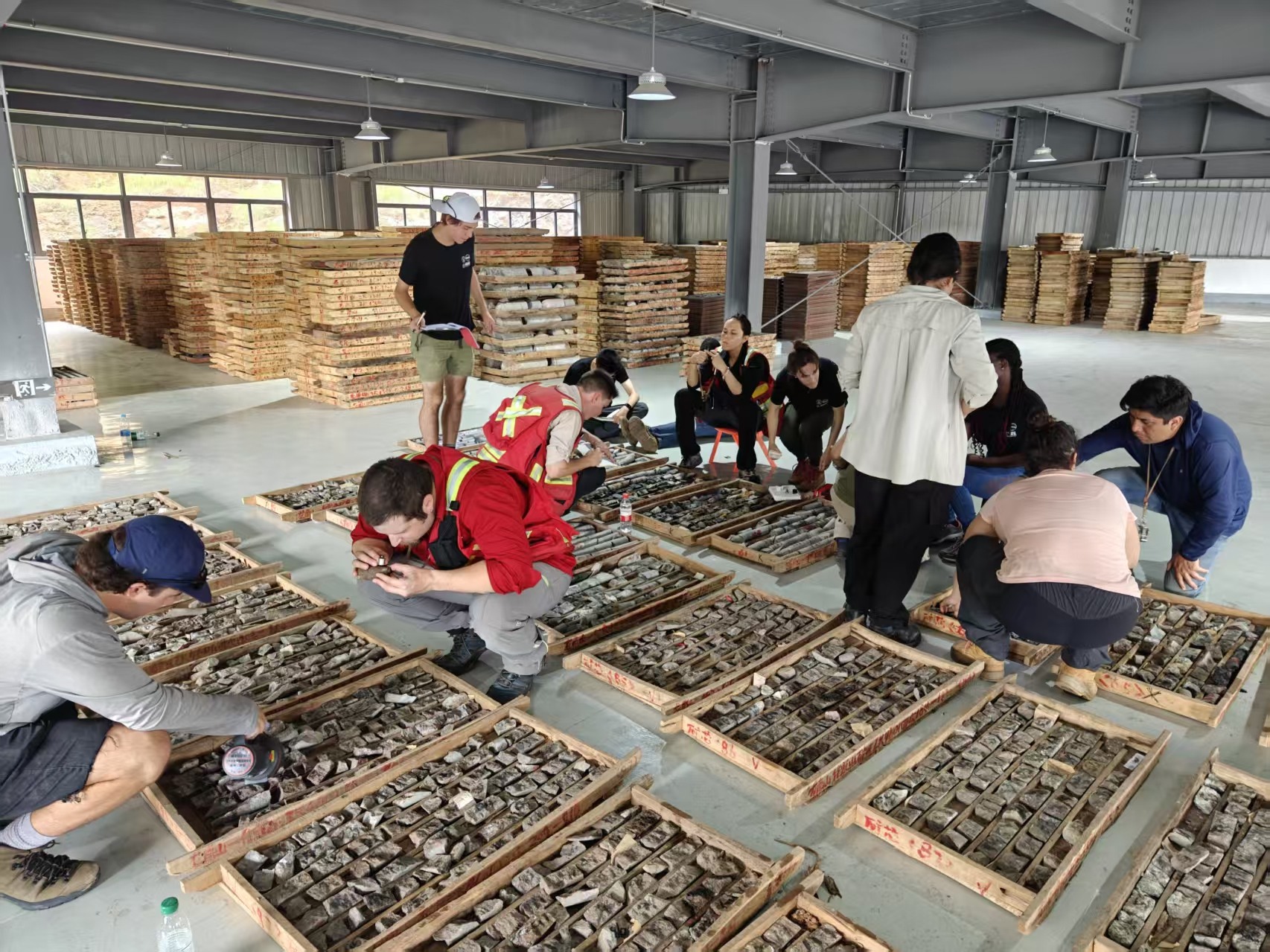
Hands-on learning in world-class deposits
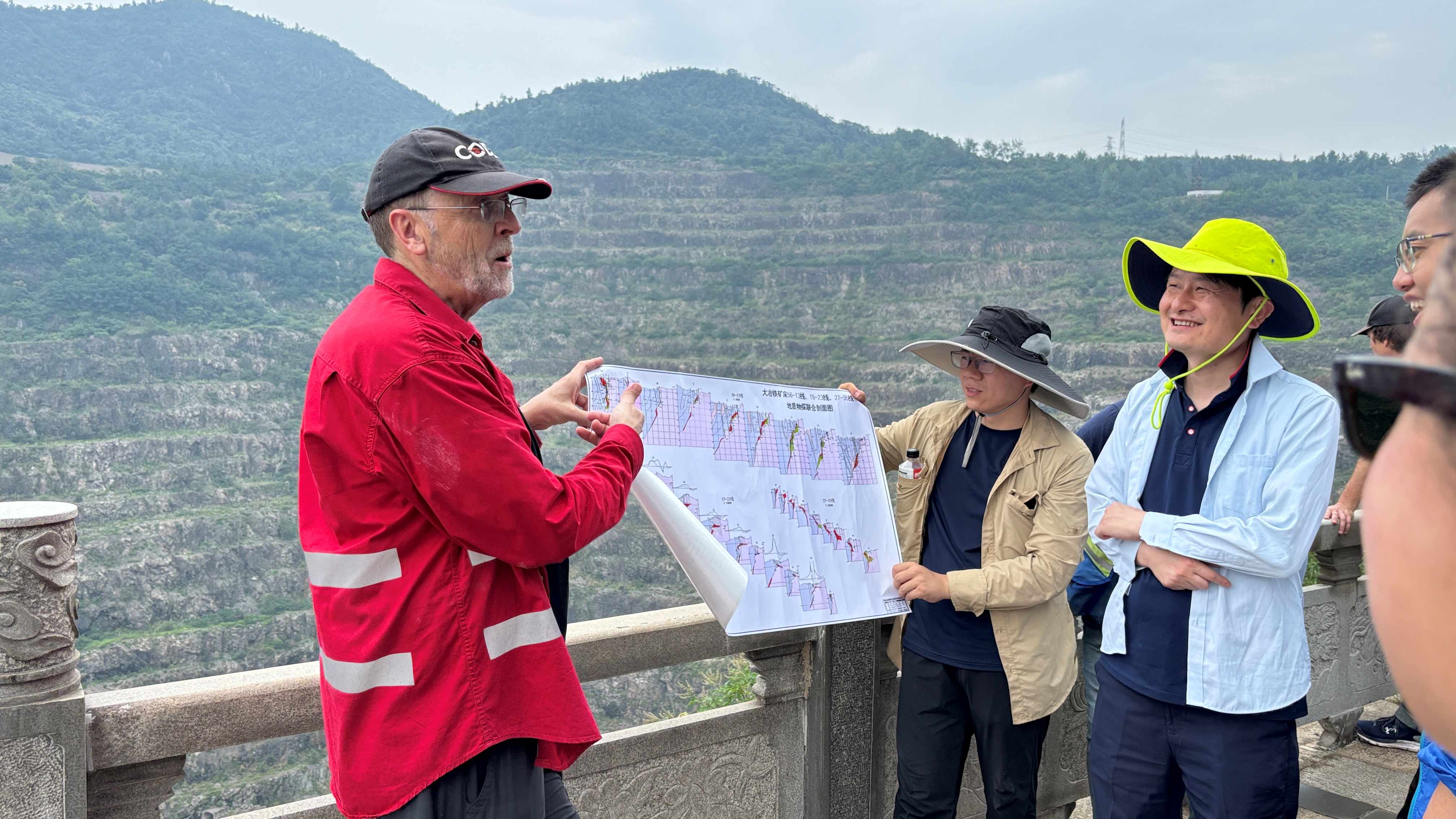
Led by Professors Xin Xiao and Yu Fan from Hefei University of Technology, and Professors David Cooke, Lejun Zang and Noel White from CODES, students examined world-class geological formations across the Luzong, Edong, Tongling and Ningwu regions. They studied skarn deposits rich in iron, copper, gold, zinc, lead and silver, alongside porphyry copper-gold systems and iron oxide-apatite formations.
Beyond the geological education, students observed how former mining sites had been repurposed into community assets including museums, parks, agricultural land, and residential developments.
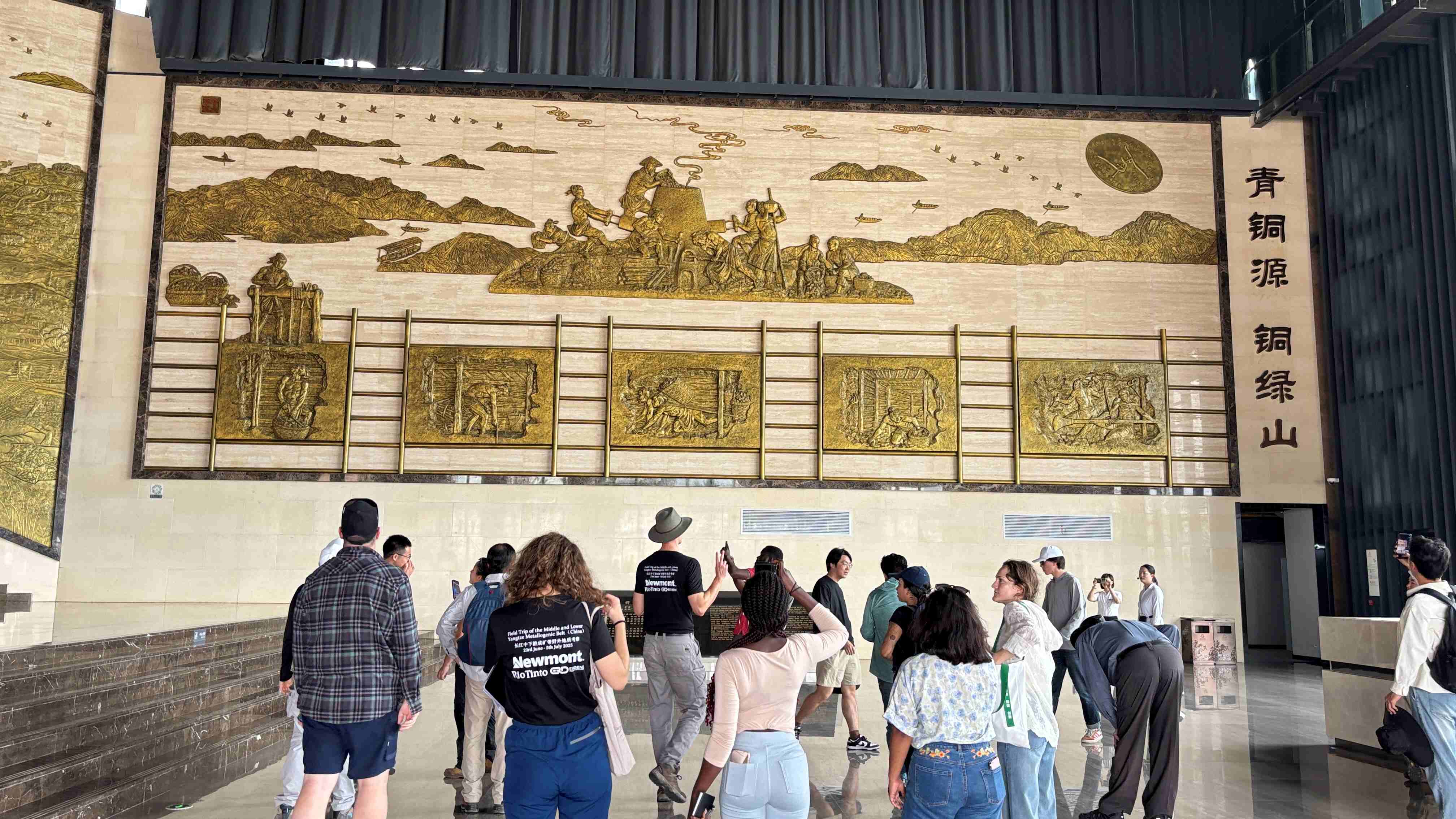
“We saw operations that had completed their lifecycle and transitioned into something that added even greater value to local communities," said CODES student Poliana Vidal Salgado.
"It’s a great example of sustainable mining, where creative rehabilitation methods foster coexistence between mining activities and local communities.”
The program included cultural immersion, with a highlight being an overnight stay on Huangshan (Yellow Mountain), where students camped while studying granite formations that have cultural significance spanning centuries.
"Standing on those granite peaks, you're reading millions of years of Earth's history while experiencing how geological heritage shapes cultural identity," said Associate Professor Zhang.
Strengthening international partnerships
The collaboration demonstrates the value of CODES' international networks. The program received support from major industry partners including Newmont, Rio Tinto, GRD Erdene, and the Society of Economic Geologists, with coordination by CODES PhD students Damian Braize and Poliana Vidal Salgado, with Pedro Francisco and William Gapasin from Colorado School of Mines.
"These international experiences provide our students with global perspectives and professional networks that enhance their career prospects," said Professor Cooke.
"Understanding different approaches to resource development and cultural contexts is increasingly important in our field."
The partnership builds on existing relationships while creating opportunities for ongoing collaboration between Australian, American, and Chinese institutions in economic geology research and education.
Learn more about Studying Economic Geology